Greater Swiss Mountain Dog Grooming Profile
Breed Group
Working Dogs
Country of Origin
Switzerland
Breed Size
Giant
AKC Recognition
Yes, recognized in 1995
FCI Recognition
Yes, recognized in 1954
Allergy-friendly
Worst Choice3 / 10
Shedding
Heavy3 / 10
Grooming need
15 mins/week7 / 10
Low-maintenance
Hard3 / 10
Size
Giant10 / 10
Growth timeline
24-36 months10 / 10
Grooming FAQ
Are Greater Swiss Mountain Dog hypoallergenic or allergy-friendly?
Greater Swiss Mountain Dogs are not hypoallergenic. They possess a dense double coat that sheds consistently throughout the year, with heavy seasonal blowouts in spring and fall. This release of dander and fur makes them a challenging choice for individuals with significant dog allergies.
Allergy-friendly: 3 / 10
Do Greater Swiss Mountain Dog shed?
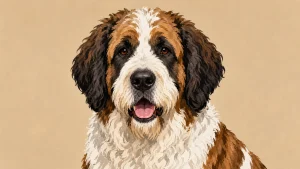
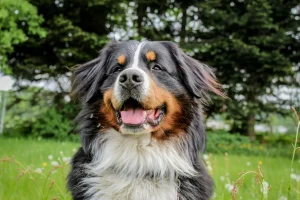
Greater Swiss Mountain Dogs have a dense double coat that sheds year-round, with heavy seasonal blowouts in the spring and fall. While often called a wash-and-wear breed, they require weekly brushing and regular baths to manage the constant release of fur and keep their tricolor coat gleaming.
Shedding: 3 / 10
How often should you groom a Greater Swiss Mountain Dog?
To maintain a healthy Greater Swiss Mountain Dog, brush their dense double coat once or twice weekly to manage moderate year-round shedding. Increase to daily brushing during seasonal blowouts in spring and fall. Bathe every six to eight weeks and trim their nails weekly for comfort.
Grooming need: 7 / 10
Are Greater Swiss Mountain Dog low-maintenance dogs?
Greater Swiss Mountain Dogs are generally considered low-maintenance in grooming due to their "wash-and-wear" coats that only require weekly brushing. However, they are high-maintenance regarding training and exercise, demanding consistent leadership, early socialization, and daily activity to manage their large size and powerful, working-breed nature.
Low-maintenance: 3 / 10
How big do Greater Swiss Mountain Dog get?
Greater Swiss Mountain Dogs are a large, powerful breed with a sturdy build. Adult males typically stand 25.5 to 28.5 inches tall and weigh 115 to 140 pounds, while females reach 23.5 to 27 inches and 85 to 110 pounds. These gentle giants reach full height by 18 months but fill out until age three.
Size: 10 / 10
When do Greater Swiss Mountain Dog stop growing?
Greater Swiss Mountain Dogs typically reach their full adult height between 15 and 18 months of age. As a large breed, they mature slowly and while full height is reached by 15-18 months, full maturity and substance are often not reached until 4 or 5 years of age.
Growth timeline: 10 / 10
How much should a Greater Swiss Mountain Dog eat?
Adult Greater Swiss Mountain Dogs typically require 4 to 6 cups of high-quality dry food daily to maintain their large frames, divided into two meals to prevent bloat. As a large, powerful breed, they need a diet rich in protein and joint-supporting nutrients to maintain muscle mass and skeletal health while preventing obesity.
Feeding amount: 9 / 10
How often should a Greater Swiss Mountain Dog puppy eat?
Greater Swiss Mountain Dog puppies require frequent, small meals to support their rapid growth while preventing skeletal issues. It is generally recommended to feed them three to four times daily until six months of age. Controlled, portion-based feeding is essential to maintain a lean weight and protect developing joints.
Puppy feeding frequency: 8 / 10
Vet Insights
Greater Swiss Mountain Dogs are large, powerful companions that reach full physical maturity by age four or five. They are heavy year-round shedders with dense double coats, requiring minimal grooming but demanding significant training and exercise to manage their strength.