Skip to content

Rhodesian Ridgeback - MAIN HUB

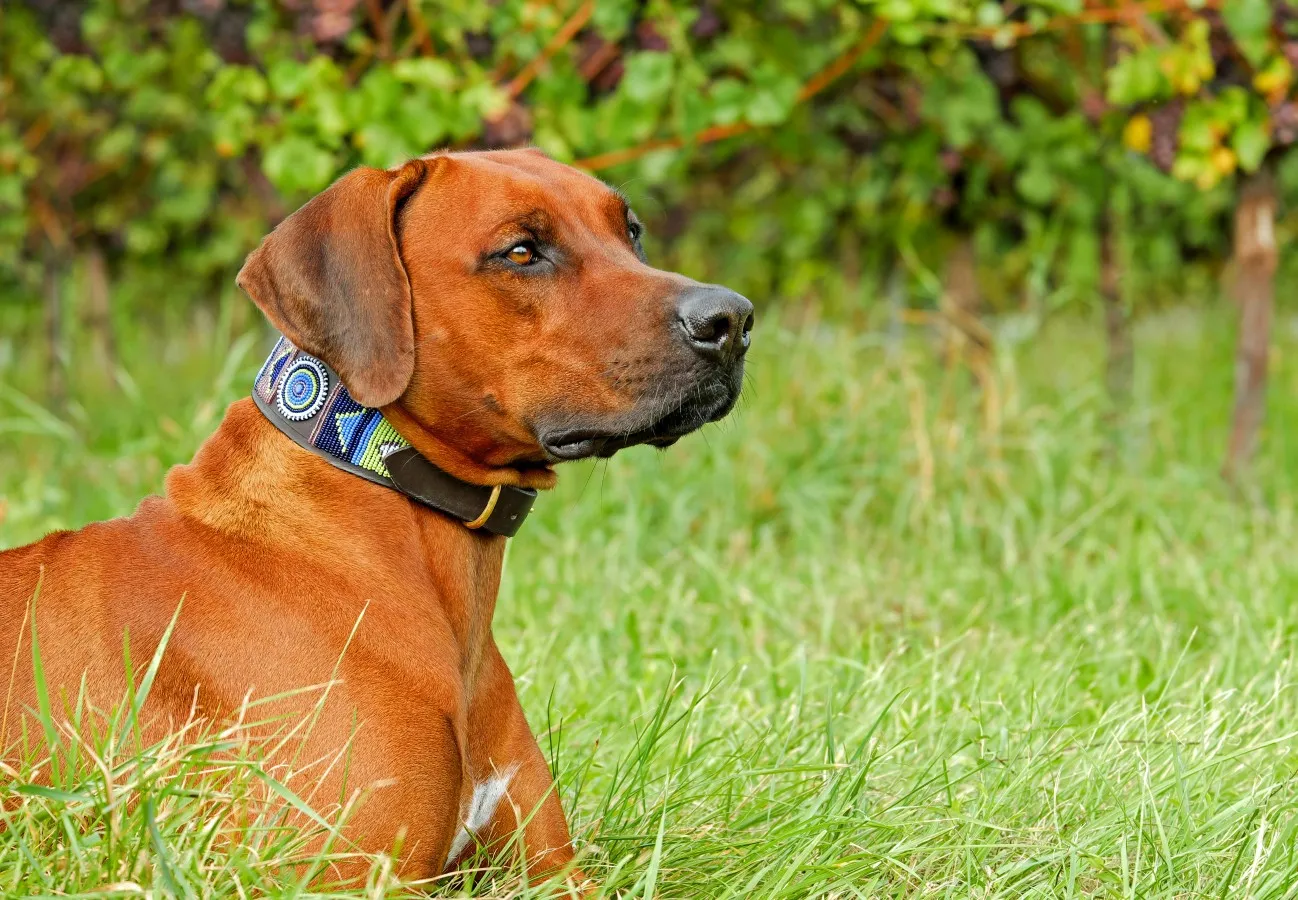
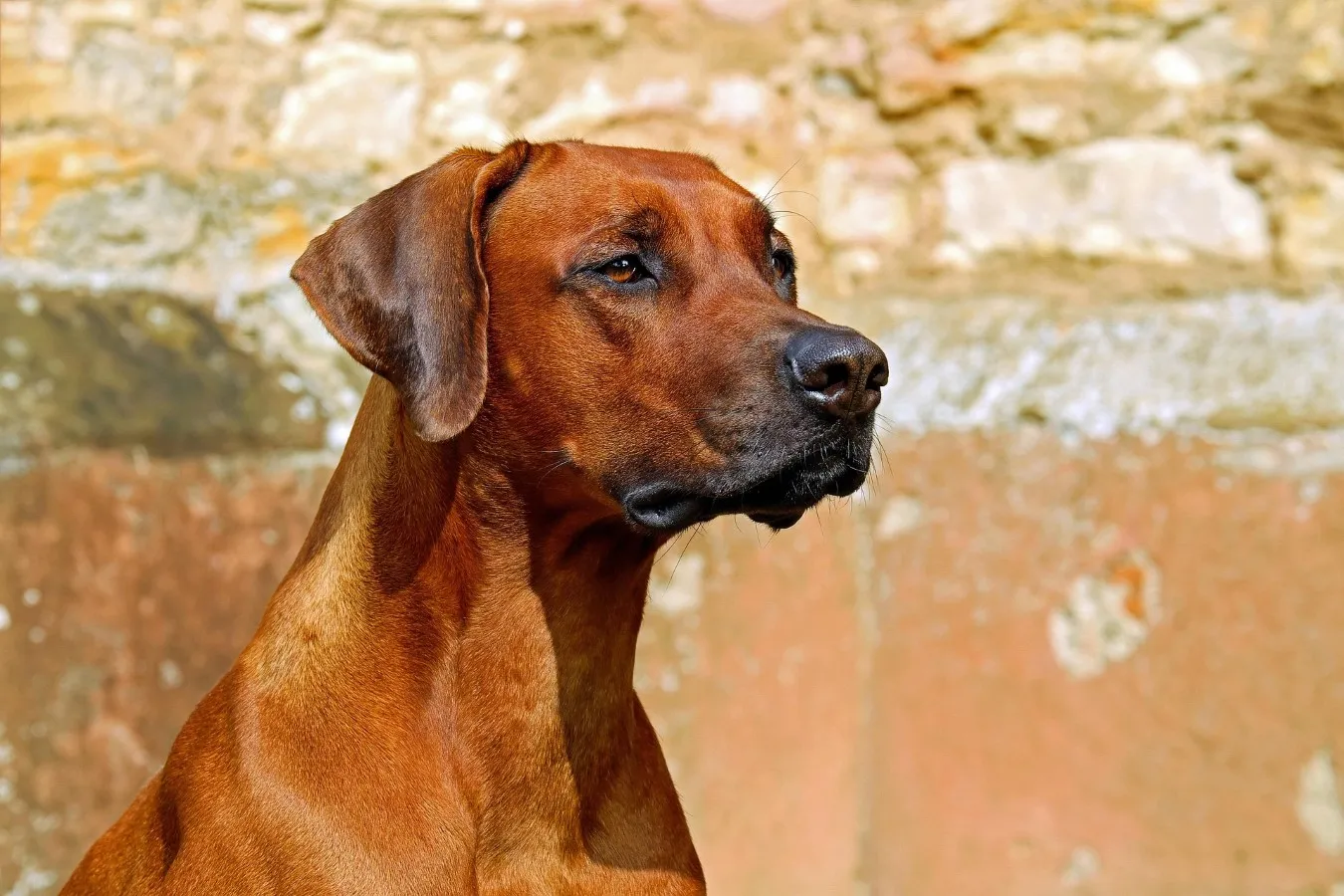
Loyal and athletic, the Rhodesian Ridgeback is a devoted protector with a unique ridge. Perfect for active owners seeking a noble, soulful companion.

BREED GROUP

Working Dogs

Country of origin

South Africa

BREED SIZE

Large

BREED HEIGHT

24 -

27 IN

61 -

69 cm

BREED WEIGHT

70 -

85 LB

32 -

39 KG

WHAT YOU NEED TO KNOW

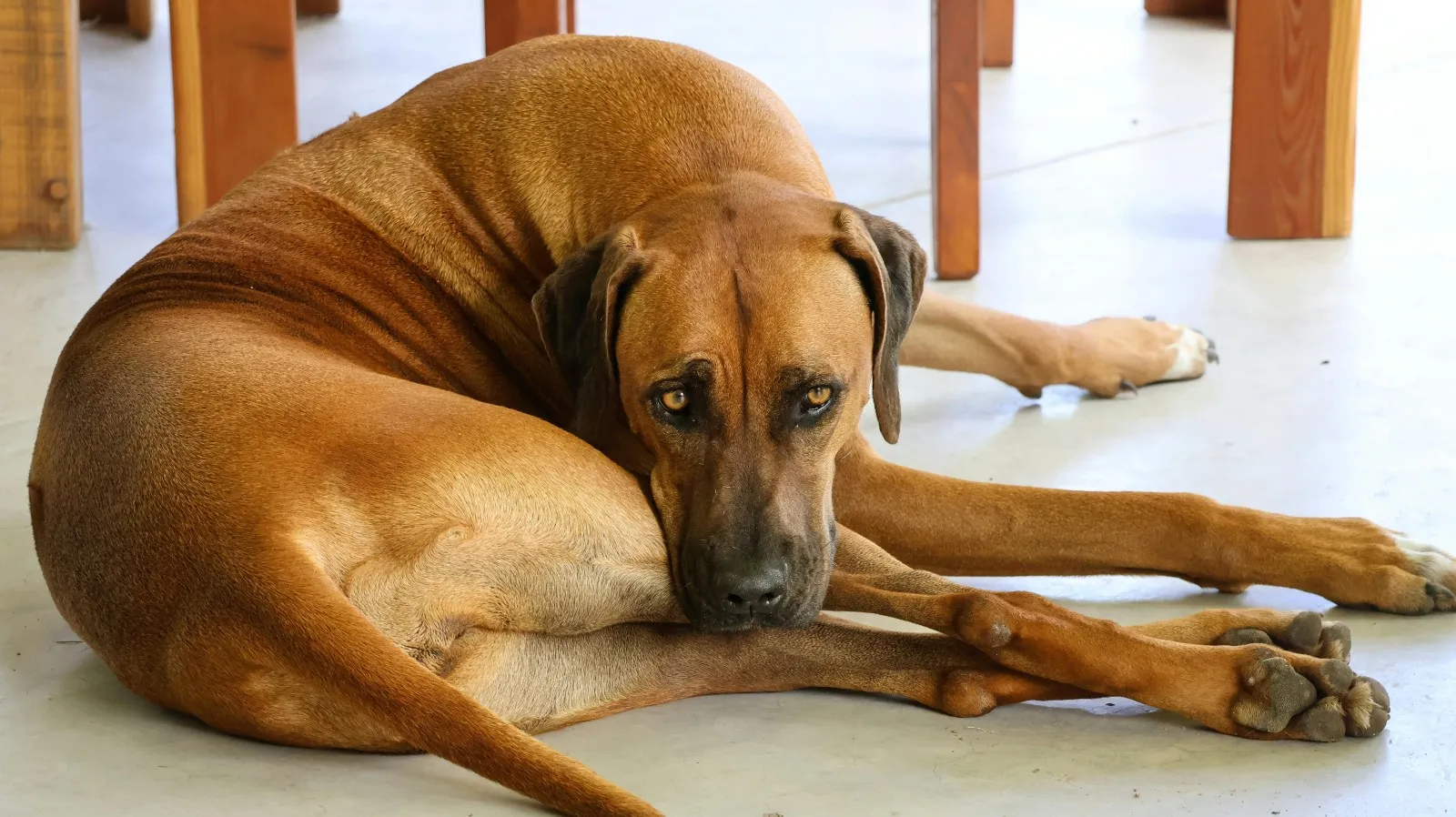
The Rhodesian Ridgeback is a powerful, loyal, and athletic hound originating from South Africa, famously known as the "African Lion Hound." Distinctive for the ridge of hair along its spine, this large breed is deeply devoted to family but often reserved with strangers. While calm and affectionate indoors, Ridgebacks possess high energy and a strong prey drive, requiring significant daily exercise and secure fencing. They are intelligent yet independent, making consistent, positive reinforcement training essential, particularly for experienced owners who can manage their strong-willed nature.
american kennel club (AKC) recognition

Yes

Breed was recognized in 1955.

International Canine Federation (FCI) recognition

Yes

Breed was recognized in 1955.
WHAT DO OWNERS WANT TO KNOW?

Are Rhodesian Ridgebacks good family dogs?

Excellent

10 out of 10

The Rhodesian Ridgeback is a deeply devoted and loyal companion that is known to be calm and affectionate when indoors with its family. However, their high energy levels and independent, strong-willed nature require consistent training and significant daily exercise to ensure they remain well-mannered household members.

Excellent

10 out of 10

Rhodesian Ridgebacks are generally excellent with children, known for being patient, tolerant, and deeply loyal family companions. While their large size and exuberant nature as puppies require supervised play with younger children to prevent accidental knocks, they are gentle and protective playmates for older kids. Early socialization and consistent training are essential to ensure they remain calm and well-mannered around the entire family.

Not Recommended

1 out of 10

Rhodesian Ridgebacks are generally not recommended for first-time owners due to their strong-willed, independent nature and physical power. They require a confident, experienced leader who can provide consistent, positive reinforcement training and extensive socialization from a young age. While deeply loyal, their high prey drive and tendency to be domineering can create a steep learning curve for those unfamiliar with hound temperaments.

Good

7 out of 10

Rhodesian Ridgebacks can adapt surprisingly well to apartment living due to their relaxed and quiet nature when indoors. While they are large and athletic, they are often content to lounge and stay calm provided their significant needs for daily vigorous exercise and mental stimulation are met through long walks and outdoor play. However, their size and potential for boredom mean owners must be strictly committed to an active routine to prevent destructive behaviors.

Strictly Required

1 out of 10

A yard is highly recommended for a Rhodesian Ridgeback due to their large size, high energy, and athletic nature. While they can adapt to various living situations if provided with extensive daily exercise like long walks and hiking, they thrive best in a home with a large, securely fenced yard where they can run freely and satisfy their natural stamina. Without adequate space and activity, they may become bored and display destructive behaviors.

Poor

2 out of 10

Rhodesian Ridgebacks are deeply devoted to their families and can suffer from separation anxiety if left alone too frequently or for long periods. While adult dogs with a relaxed disposition can tolerate moderate periods of solitude if well-exercised beforehand, they thrive best in households where they are treated as members of the pack and provided with consistent human companionship.

Excellent with caveat

5 out of 10

Rhodesian Ridgebacks have a strong prey drive and may instinctively chase cats due to their hunting background. However, they are adaptable and can coexist harmoniously with feline housemates if introduced at a young age and properly socialized. Consistent training, such as the leave it command, and providing the cat with high, safe perches are essential for maintaining a peaceful multi-pet home.

Protective

3 out of 10

Rhodesian Ridgebacks are not naturally aggressive but are noble and protective guardians. While even-tempered and affectionate with family, they are naturally aloof and reserved with strangers. Early and consistent socialization is vital to prevent their protective instincts from developing into fear-based aggression or suspicious behavior toward new people and animals.

Hyperactive

10 out of 10

Rhodesian Ridgebacks are high-energy, athletic hounds that possess incredible stamina and endurance. They require significant daily physical and mental stimulation, typically one to two hours of vigorous exercise, to prevent boredom and destructive behaviors. While they are powerful athletes outdoors, they are remarkably calm and dignified companions once they settle in with their families.

~90 min a day

8 out of 10

Rhodesian Ridgebacks are highly athletic hounds that typically require between 60 and 120 minutes of daily exercise. This should include vigorous activities like hiking, jogging, or long runs in a securely fenced area to satisfy their natural stamina and high energy. Providing mental stimulation through obedience training, puzzle toys, or canine sports like lure coursing and agility is also essential to prevent boredom and destructive behaviors.

Exceptional

10 out of 10

Rhodesian Ridgebacks generally tolerate warm weather well due to their African heritage and short coats. However, they can still overheat in extreme temperatures or high humidity, especially during vigorous exercise. Owners should provide ample shade and fresh water, and consider walking them during the cooler morning or evening hours to ensure their safety and comfort.

Exceptional

10 out of 10

Rhodesian Ridgebacks generally tolerate warm weather well due to their African heritage and short coats. However, they can still overheat in extreme temperatures or high humidity, especially during vigorous exercise. Owners should provide ample shade and fresh water, and consider walking them during the cooler morning or evening hours to ensure their safety and comfort.

Frequently Restricted

1 out of 10

Rhodesian Ridgebacks are frequently subject to apartment breed restrictions due to their large size, high energy, and history as powerful hunting dogs. Many insurance providers and landlords include them on restricted lists to mitigate perceived liability risks. Prospective owners should verify specific rental policies, as these dogs often exceed common weight limits and are frequently excluded from standard apartment communities.

WHAT DO OWNERS WANT TO KNOW?


Photo
Reviewed by
Dr. Vojtech Gabriel
DVM · PhD · MBA
Veterinarian Researcher Dog breed specialist
Verified

"Rhodesian Ridgebacks are robust athletes but face specific genetic health risks. As a veterinarian, I prioritize screening for Dermoid Sinus, a congenital defect linked to the ridge that can cause serious spinal infections. This breed is also predisposed to hip and elbow dysplasia and hypothyroidism, requiring regular joint monitoring and annual thyroid testing. Given their deep chests, they are at risk for life-threatening bloat (GDV), so I advise feeding smaller meals and limiting activity after eating. Other concerns include early-onset adult deafness and certain cancers like mast cell tumors. Maintaining a lean weight is critical to reduce stress on their joints and overall health. I strongly recommend choosing puppies from health-tested parents and ensuring consistent veterinary check-ups to manage these breed-specific needs."


Other Working Dogs