Skip to content

Saint Bernard - MAIN HUB

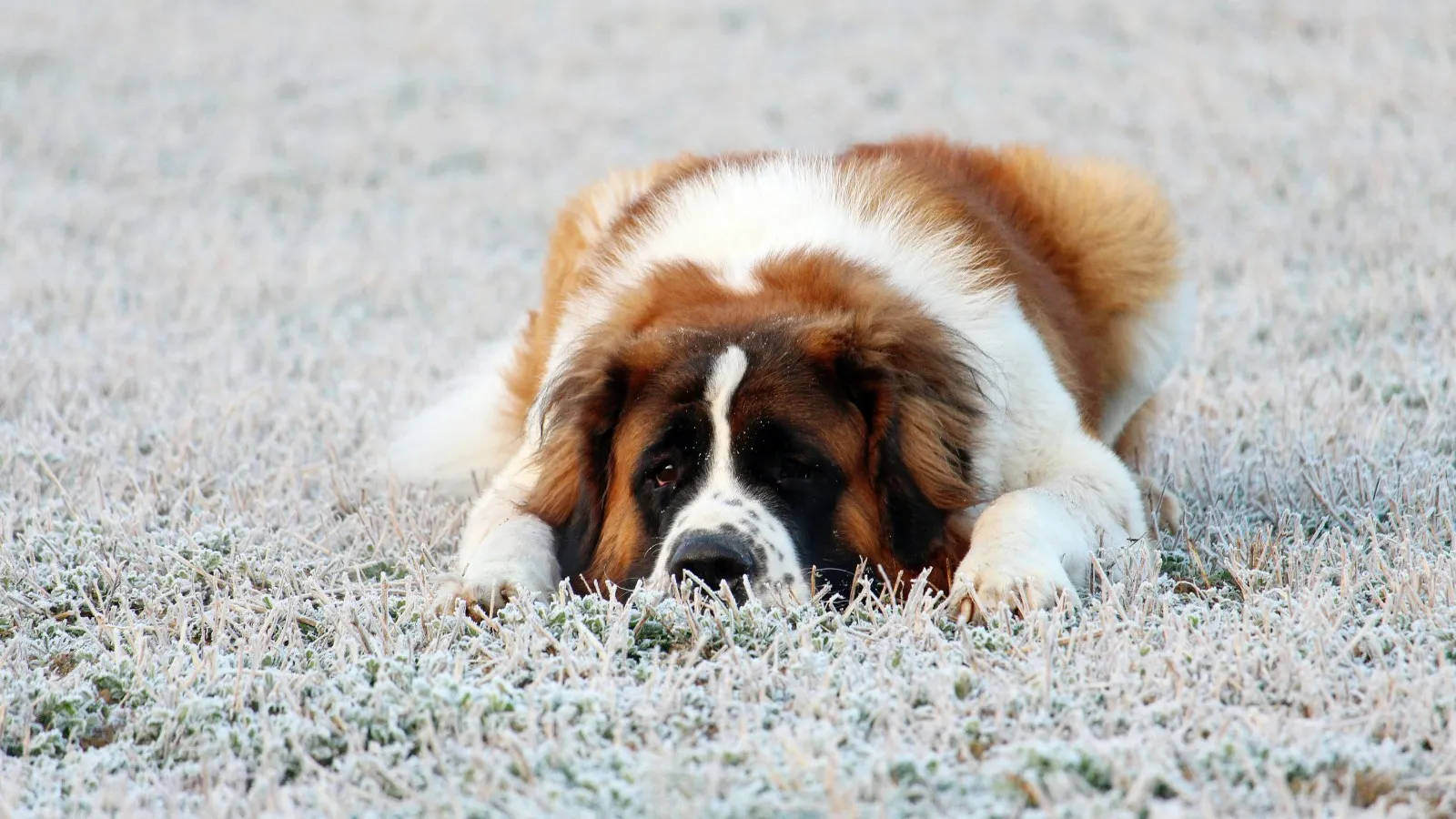
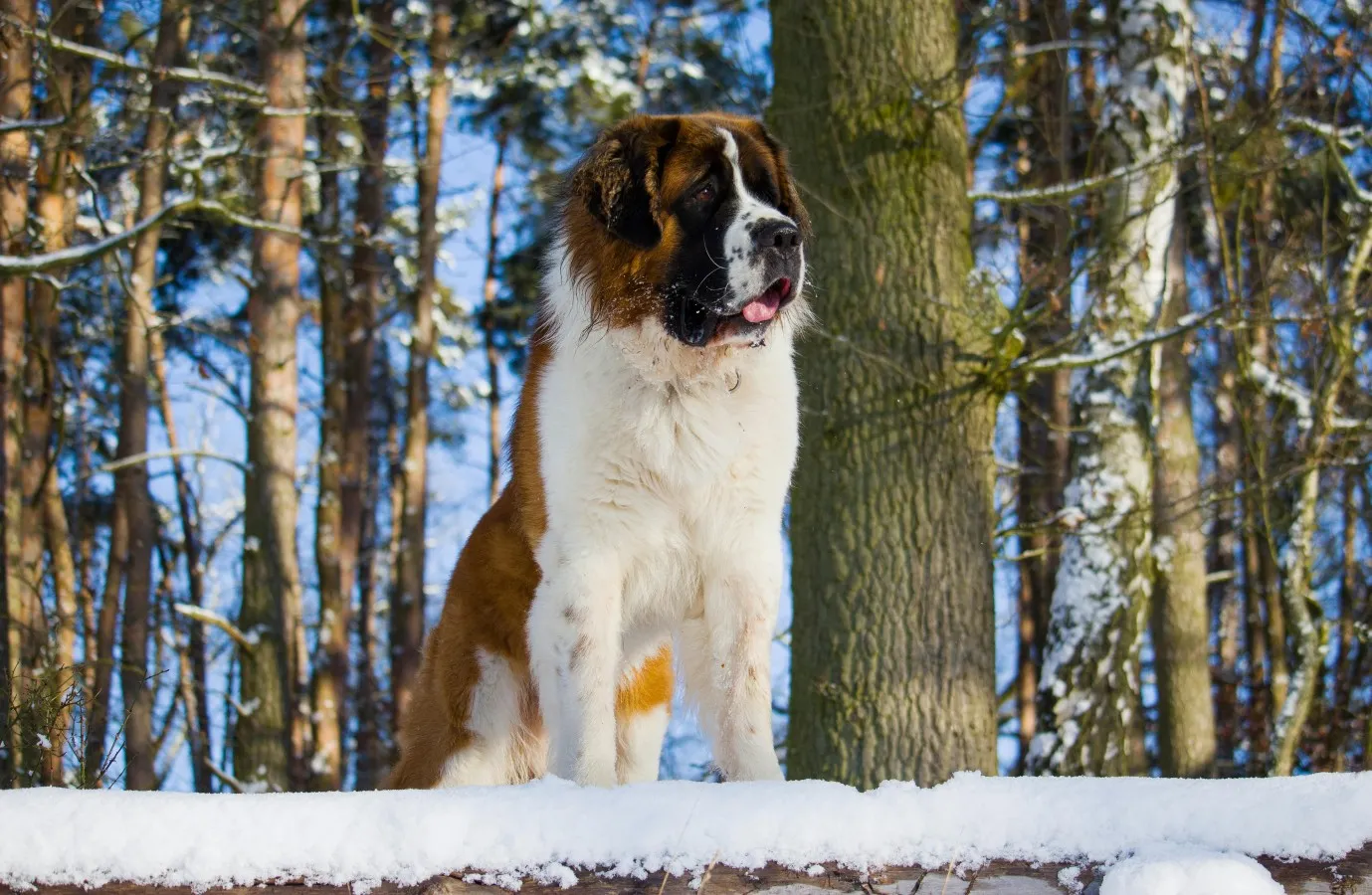
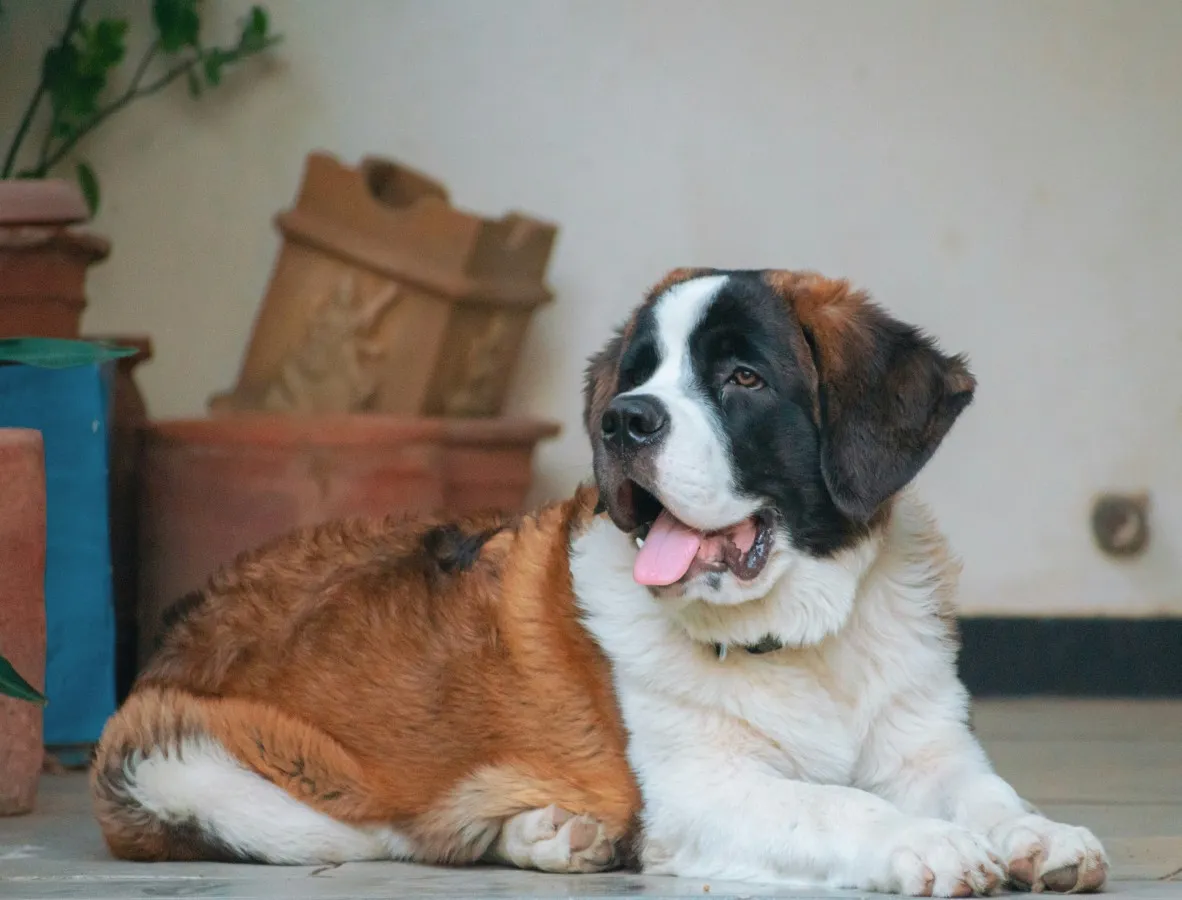
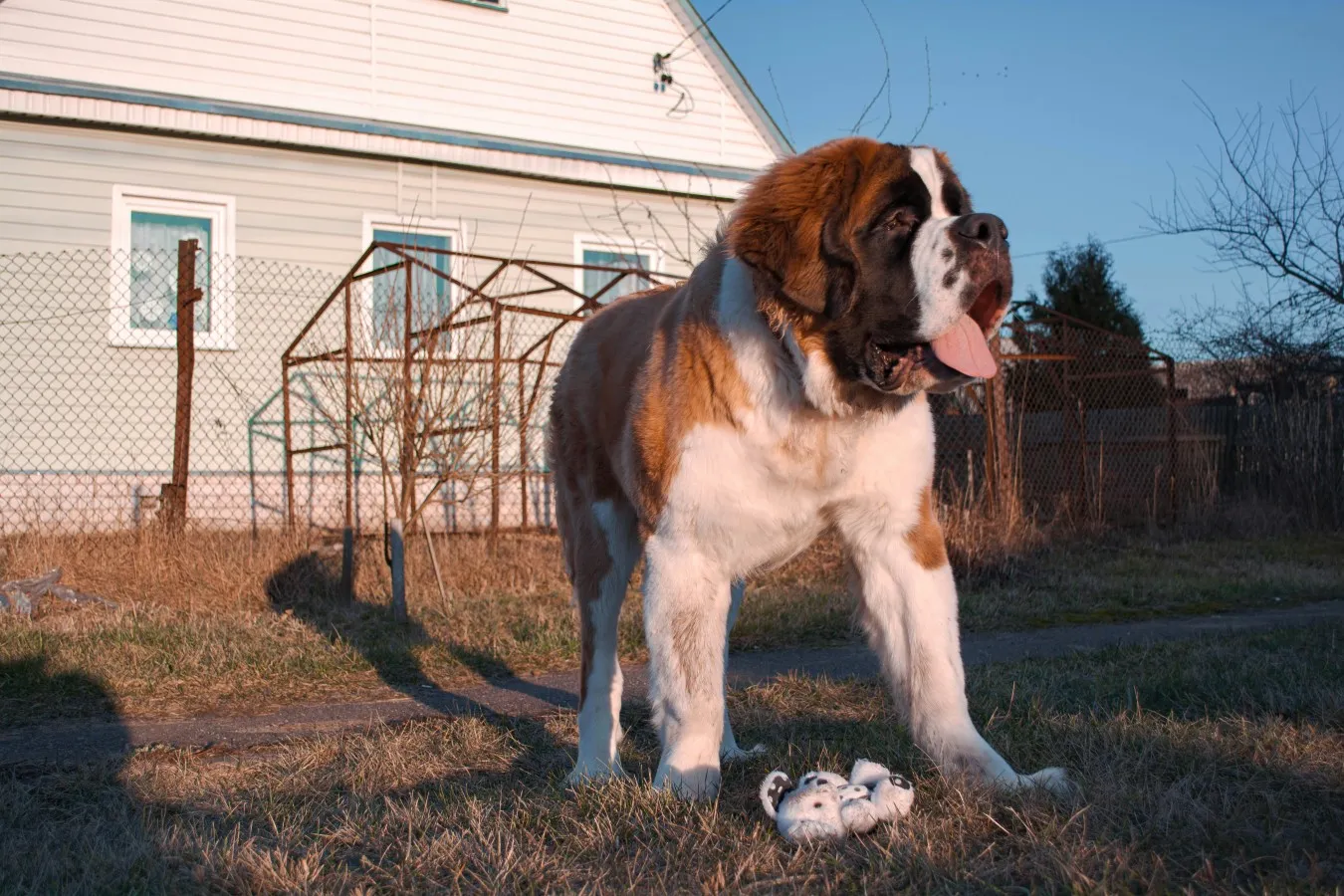
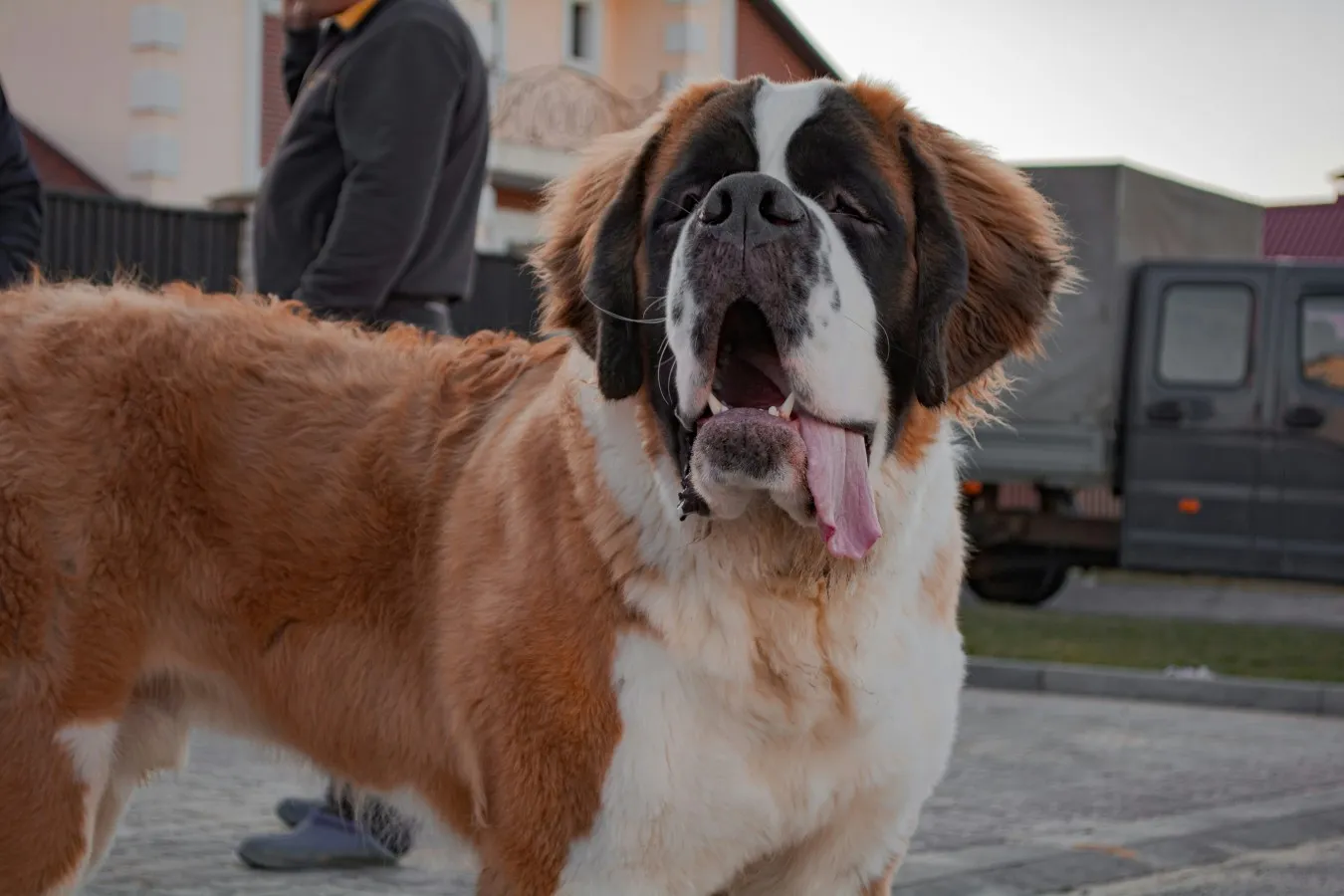
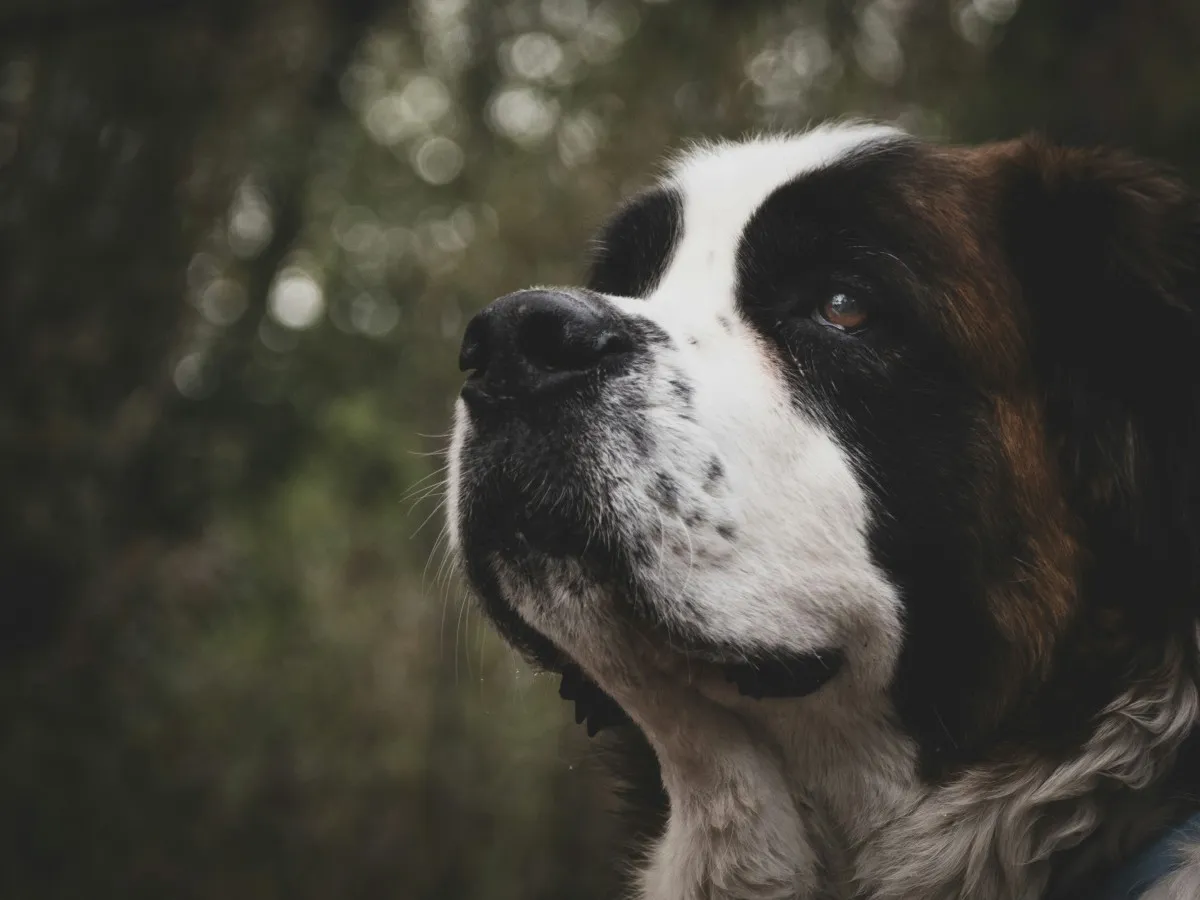
Meet the Saint Bernard! A legendary rescue dog and patient gentle giant, they bring big hearts and loyal companionship to every lucky family home.

BREED GROUP

Working Dogs

Country of origin

Switzerland

BREED SIZE

Giant

BREED HEIGHT

28 -

32 IN

71 -

81 cm

BREED WEIGHT

120 -

180 LB

54 -

82 KG

WHAT YOU NEED TO KNOW

The Saint Bernard is a legendary Swiss breed renowned for its history as an Alpine rescue dog. These "gentle giants" are calm, patient, and deeply loyal, making them exceptional family companions, especially with children. However, potential owners must prepare for their massive size, significant drooling, and heavy shedding. They require moderate daily exercise but are sensitive to heat, necessitating climate-controlled environments. Health-wise, they are prone to bloat and hip dysplasia, with a shorter lifespan of 8-10 years. Early socialization and obedience training are essential to manage their powerful stature and ensure a well-mannered pet.
american kennel club (AKC) recognition

Yes

Breed was recognized in 1885.

International Canine Federation (FCI) recognition

Yes

Breed was recognized in 1954.
WHAT DO OWNERS WANT TO KNOW?

Are Saint Bernards good family dogs?

Very Good

8 out of 10

Saint Bernards are exceptional family companions due to their calm, patient, and deeply loyal "gentle giant" nature, making them especially good with children. However, families must be prepared to manage their massive size, heavy shedding, and significant drooling through consistent obedience training and early socialization.

Good

8 out of 10

Saint Bernards are exceptionally gentle, patient, and nurturing with children, often earning the nickname nanny dog for their protective nature. While their calm and tolerant temperament makes them wonderful companions, their massive size requires supervised play to prevent accidental knocks or bumps. Early socialization and consistent training are essential to ensure these gentle giants remain well-mannered around young family members.

Great

8 out of 10

Saint Bernards are generally recommended for first-time owners who are prepared for the challenges of a giant breed. While they are famously gentle, patient, and eager to please, their massive size makes early obedience training and socialization absolute "survival skills" to prevent unwanted behaviors like jumping or pulling. Novices must also be ready for significant costs, heavy shedding, and the breed's sensitivity to heat. For a dedicated owner who can provide consistent leadership and ample space, their loyalty and affectionate nature make them rewarding companions.

Not Recommended

1 out of 10

Saint Bernards can adapt to apartment living due to their calm, low-energy temperament and quiet nature indoors. While their massive size requires significant floor space to move comfortably, they are often content lounging for long periods if provided with daily walks. Owners must be prepared for the challenges of managing heavy shedding and significant drooling in a smaller living environment.

Strictly Required

1 out of 10

A yard is highly recommended for a Saint Bernard to accommodate their massive size and provide a safe space for their moderate daily exercise. While they are relatively mellow indoors, their sheer scale makes them ill-suited for cramped spaces, and a fenced outdoor area allows them to stretch their legs and enjoy the cooler air they prefer. Owners must ensure the yard is secure, as this breed can have a tendency to dig.

Not Recommended

1 out of 10

Saint Bernards are deeply social dogs that thrive on human companionship and are prone to separation anxiety if left alone for extended periods. While they can tolerate moderate absences, prolonged isolation may lead to boredom or destructive behavior. They are happiest in households where they are treated as part of the family and someone is frequently present to provide attention and interaction.

Excellent

9 out of 10

Saint Bernards generally get along very well with cats due to their calm, patient, and gentle nature. They typically have a low prey drive and view other household pets as companions. Early socialization and supervised introductions are recommended to ensure a harmonious relationship, especially given the breed's massive size.

Very Gentle

10 out of 10

Saint Bernards are not naturally aggressive; they are famously known as "gentle giants" with a calm, patient, and friendly temperament. While they possess protective instincts and may bark to alert their owners of a threat, they are generally sociable and kind-hearted. Any aggressive behavior is rare and typically stems from a lack of proper socialization, fear, or underlying health issues. Due to their massive size and strength, early socialization and consistent obedience training are essential to ensure they remain well-mannered and confident companions.

Couch Potato

1 out of 10

Saint Bernards are a moderately active breed that typically requires about 30 to 60 minutes of daily exercise. While they are famously known as "gentle giants" and can be total couch potatoes indoors, they still need regular low-impact activities like brisk walks to maintain muscle tone and prevent obesity. Because of their massive size and thick coats, they are highly sensitive to heat and overexertion, so exercise should be limited during hot weather and kept to gentle play to protect their joints.

~45 min a day

5 out of 10

Saint Bernards are a moderately active breed that typically requires about 30 to 60 minutes of daily exercise. This should primarily consist of low-impact activities like brisk walks and gentle play to protect their joints, as they are prone to orthopedic issues. It is crucial to avoid overexertion and high-impact exercise, especially during puppyhood and in hot weather, due to their massive size and thick coats.

Danger

1 out of 10

Saint Bernards have a low tolerance for heat due to their massive body mass and thick double coats, which make them highly susceptible to overheating and heatstroke. Owners must provide a climate-controlled environment, constant access to fresh water, and ample shade during warm weather. Limit physical activity to the early morning or late evening, and avoid prolonged outdoor exposure when temperatures exceed 80 degrees Fahrenheit.

Danger

1 out of 10

Saint Bernards have a low tolerance for heat due to their massive body mass and thick double coats, which make them highly susceptible to overheating and heatstroke. Owners must provide a climate-controlled environment, constant access to fresh water, and ample shade during warm weather. Limit physical activity to the early morning or late evening, and avoid prolonged outdoor exposure when temperatures exceed 80 degrees Fahrenheit.

Moderate Risk

6 out of 10

Saint Bernards are frequently restricted in apartments and rentals, primarily due to their massive size and weight, which often exceed common 50-pound limits. Although they have a gentle reputation, their stature can lead to liability concerns or conflicts with space requirements in multi-family housing. Always check specific landlord policies regarding giant breeds and weight restrictions before moving.

WHAT DO OWNERS WANT TO KNOW?


Photo
Reviewed by
Dr. Vojtech Gabriel
DVM · PhD · MBA
Veterinarian Researcher Dog breed specialist
Verified

"Saint Bernards are gentle giants but face several serious health challenges, primarily due to their massive size and deep chests. As a veterinarian, I prioritize monitoring for life-threatening Gastric Dilation-Volvulus (bloat) and early-onset hip and elbow dysplasia. This breed is also predisposed to Dilated Cardiomyopathy, bone cancer, and eye conditions like entropion, alongside a significant sensitivity to heat. To ensure the best quality of life for these loyal companions, I strongly recommend maintaining an ideal body weight, providing climate-controlled living spaces, and starting joint-supportive care early in their development."


Other Working Dogs