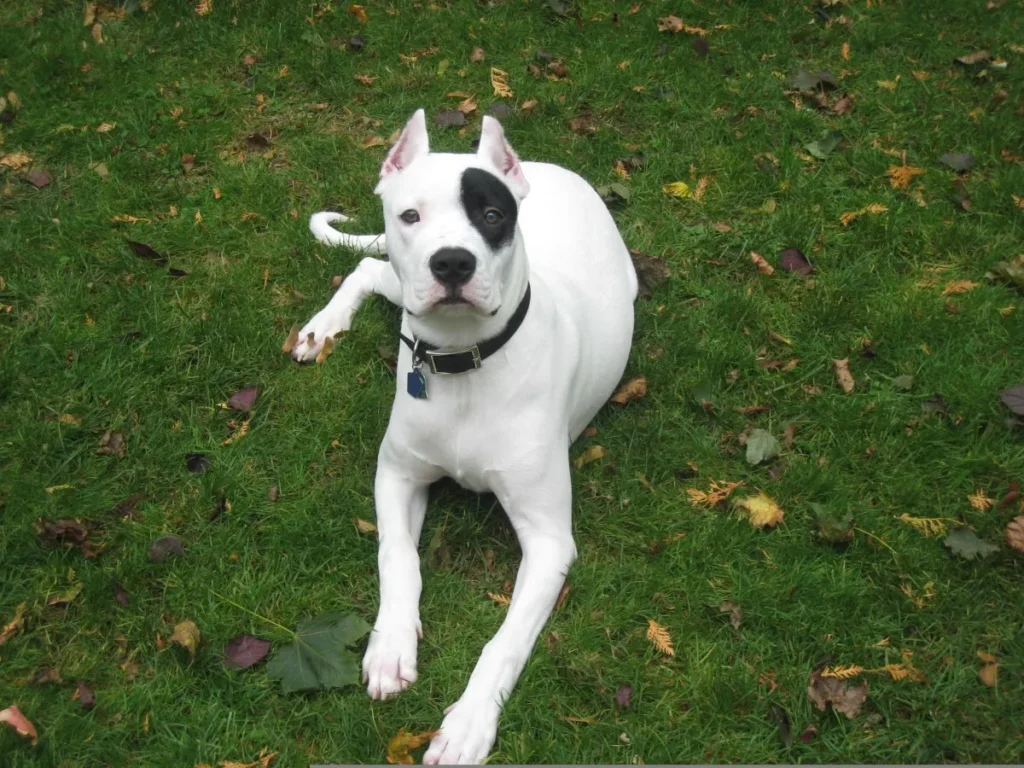
Dogo Argentino
Breed Group
Working Dogs
Country of Origin
Argentina
Breed Size
Large
AKC Recognition
Yes, recognized in 2020
FCI Recognition
Yes, recognized in 1973
Family dog
Not Recommended1 / 10
Good with kids
Not Recommended1 / 10
First-time owner
Not Recommended1 / 10
Apartment dog
Fair3 / 10
Yard need
Above Average4 / 10
Can be left alone
Not Recommended9 / 10
What Do Owners Want to Know?
Are Dogo Argentino good family dogs?
The Dogo Argentino is a loyal and affectionate companion that bonds deeply with its family, but its high energy and protective nature make it best suited for experienced owners. They can be excellent family dogs when provided with significant daily exercise, consistent training, and early socialization to manage their powerful hunting and guarding instincts.
Family dog: 1 / 10
Are Dogo Argentino good with kids?
Dogo Argentinos are generally good with children, known for being affectionate, protective, and gentle with their families. Because of their massive size and high energy levels, they are best suited for families with older children who know how to interact with large dogs. Constant supervision is essential with younger children to prevent accidental injury during play, and early socialization is necessary to ensure they remain calm and trustworthy.
Good with kids: 1 / 10
Are Dogo Argentino good for first-time owners?
Dogo Argentinos are not recommended for first-time owners due to their immense physical strength, high energy, and complex behavioral needs. As a breed engineered for big-game hunting and protection, they possess a strong prey drive and an independent streak that requires experienced, firm leadership to manage. Success with this breed demands a significant commitment to early socialization and consistent, life-long training to ensure their powerful guarding instincts are channeled appropriately.
First-time owner: 1 / 10
Are Dogo Argentino good apartment dogs?
Dogo Argentinos are generally not recommended for apartment living due to their large size, high energy levels, and need for significant physical and mental stimulation. They thrive best in homes with ample outdoor space and a securely fenced yard where they can exercise freely. While they can adapt to spacious apartments if owners commit to at least one to two hours of vigorous daily exercise, they are prone to destructive behaviors if they become bored or feel confined in smaller spaces.
Apartment dog: 3 / 10
Do Dogo Argentino need a yard?
A large, securely fenced yard is highly recommended for a Dogo Argentino to safely channel their high energy and satisfy their natural drive to roam. While they can adapt to various living arrangements with significant daily exercise, they truly thrive in homes with ample outdoor space for vigorous play and mental stimulation.
Yard need: 4 / 10
Can Dogo Argentino be left alone?
Dogo Argentinos are intensely loyal "Velcro dogs" that bond deeply with their owners, making them highly prone to separation anxiety when left alone. They thrive on constant companionship and can become destructive, vocal, or even self-injurious if isolated for long periods. While crate training, puzzle toys like frozen Kongs, and vigorous exercise before departures can help, they are best suited for households where someone is frequently present to provide mental and physical engagement.
Can be left alone: 9 / 10
Are Dogo Argentino good with cats?
Dogo Argentinos are generally not recommended for households with cats due to their exceptionally high prey drive and history as big-game hunters. They may view smaller animals as prey, which can lead to instinctual chasing or more serious incidents. While they can potentially coexist peacefully if raised together and socialized from a very young age, constant supervision and firm leadership are always necessary to manage their powerful hunting instincts.
Good with cats: 3 / 10
Are Dogo Argentino aggressive?
Dogo Argentinos are not naturally aggressive but possess powerful protective instincts and a high prey drive due to their history as big-game hunters. While they are famously loyal and gentle with their families, they are naturally wary of strangers and can be territorial. Early, comprehensive socialization and consistent, positive reinforcement training are essential to manage their strength and ensure their protective nature is channeled appropriately rather than developing into unwanted aggression.
Aggression tendency: 1 / 10
Are Dogo Argentino high-energy dogs?
Dogo Argentinos are high-energy, athletic dogs that require significant daily physical exercise and mental stimulation to thrive. They are best suited for active owners who can provide vigorous activities like long runs, hiking, or agility work to prevent boredom and potential destructive behaviors.
Energy level: 8 / 10
How much exercise does a Dogo Argentino need?
Dogo Argentinos are high-energy, athletic dogs that require at least 60 to 120 minutes of vigorous daily exercise. They thrive on intense activities such as hiking, running, and long games of fetch to expend their significant stamina. Consistent physical activity and mental stimulation are essential to prevent boredom and maintain their overall health and well-being.
Exercise need: 8 / 10
Can Dogo Argentino live in hot weather?
Dogo Argentinos have a moderate tolerance for warm weather due to their short coats, but their white fur makes them highly susceptible to sunburn. They can overheat in extreme conditions and require constant access to shade and fresh water. Owners should limit outdoor activities during peak sun hours to protect their sensitive skin and prevent heatstroke.
Hot weather tolerance: 8 / 10
Can Dogo Argentino live in cold weather?
Dogo Argentinos are sensitive to cold weather due to their short, single coats that provide minimal insulation. Although they are powerful and athletic, they can quickly lose body heat and are prone to hypothermia in freezing temperatures. Owners should provide warm winter coats and monitor their time outdoors during the winter to ensure their safety and comfort.
Cold weather tolerance: 9 / 10
Are Dogo Argentino banned in apartments or rentals?
Dogo Argentinos are frequently subject to breed bans in apartments and rental properties due to their large size and protective nature. Many insurance policies and landlords classify them as high-risk liabilities because of their history as powerful guarding and hunting dogs. Prospective owners should always check specific lease agreements and insurance requirements, as these restrictions are common regardless of the dog's individual temperament.
Rental restriction risk: 1 / 10
Vet Insights
Dogo Argentinos are powerful, athletic guardians that are generally healthy but predisposed to several breed-specific conditions. As a veterinarian, I prioritize screening for congenital sensorineural deafness, which affects approximately 10% to 25% of the breed due to their white pigment. Their deep chests also make them high-risk candidates for life-threatening gastric dilatation-volvulus (bloat), so I recommend preventive measures like gastropexy surgery and slow-feeding. They are also prone to hip dysplasia, hypothyroidism, laryngeal paralysis, and various eye conditions such as glaucoma and progressive retinal atrophy. Furthermore, their short white coats offer little protection against the sun, making them susceptible to sunburn and skin irritations. Maintaining a lean weight and providing consistent joint support are essential for minimizing long-term orthopedic issues.