Dogo Argentino Health and Costs
Breed Group
Working Dogs
Country of Origin
Argentina
Breed Size
Large
AKC Recognition
Yes, recognized in 2020
FCI Recognition
Yes, recognized in 1973
Rarity
Common3 / 10
Purchase cost
Expensive7 / 10
Life expectancy
Moderate Lifespan6 / 10
Health
Moderate health concerns4 / 10
Health problem risk
Moderate health concerns4 / 10
Maintenance cost
Moderate upkeep cost4 / 10
A Veterinarian's Guide
Dogo Argentino Health Problems and Costs
The Dogo Argentino is a powerful, all-white working dog from Argentina, bred for pack hunting of big game such as wild boar and puma. It is a muscular, athletic breed, and most of its health planning revolves around a few repeating themes: hearing, hips, heart checks, bloat, and the sun's effect on a short white coat. Knowing them before you bring a puppy home, or while you already share your life with one, makes the screening and the vet visits much easier to plan.
In this guide
Why Is Deafness So Common in the Dogo Argentino?
Ask for a BAER hearing test result for every Dogo Argentino puppy before you commit, because a puppy that cannot hear in one or both ears usually looks completely normal.
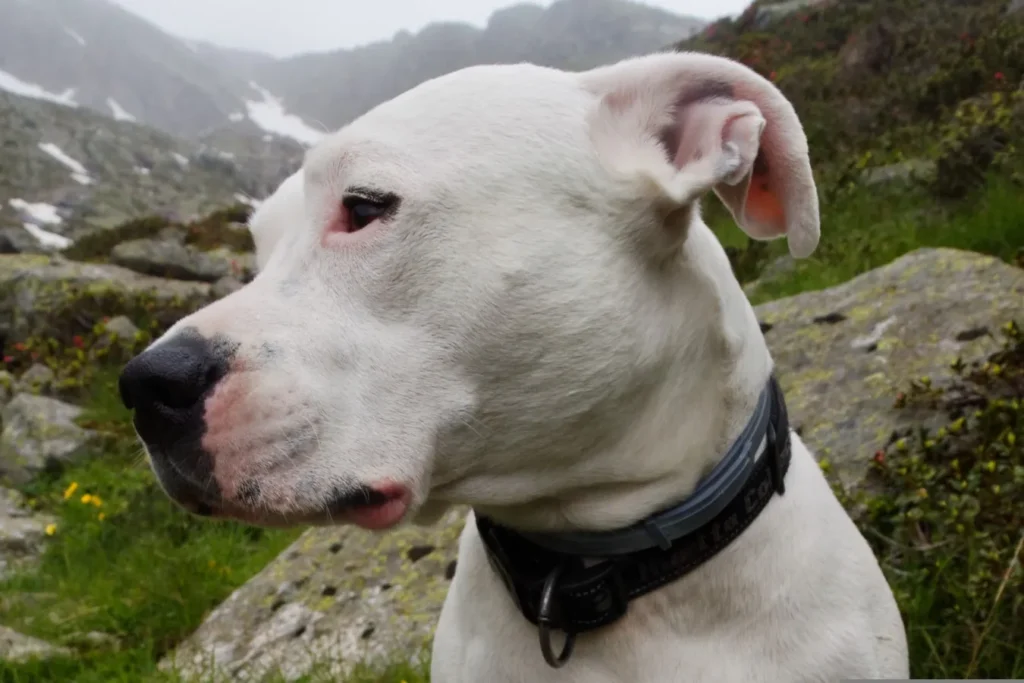
The breed's white coat is linked to a lack of pigment cells in the inner ear, and those cells are needed for hearing to develop normally. In the largest breed survey published by Louisiana State University, about 21 percent of tested Dogos were deaf in one ear and almost 6 percent in both, one of the highest rates reported for any breed. The test that finds it is the BAER test, short for brainstem auditory evoked response, which measures the brain's electrical response to sound in each ear separately. It is the only way to know for sure, and the AKC lists BAER testing among the tests the national breed club recommends.
A dog deaf in only one ear often adapts so well that owners never notice. A dog deaf in both ears can still live a full life, but training and safety need to change: hand signals and vibration collars are commonly used, and a secure fence matters even more around traffic.
Why Do Hips and Heart Need Screening in a Large Athletic Breed?
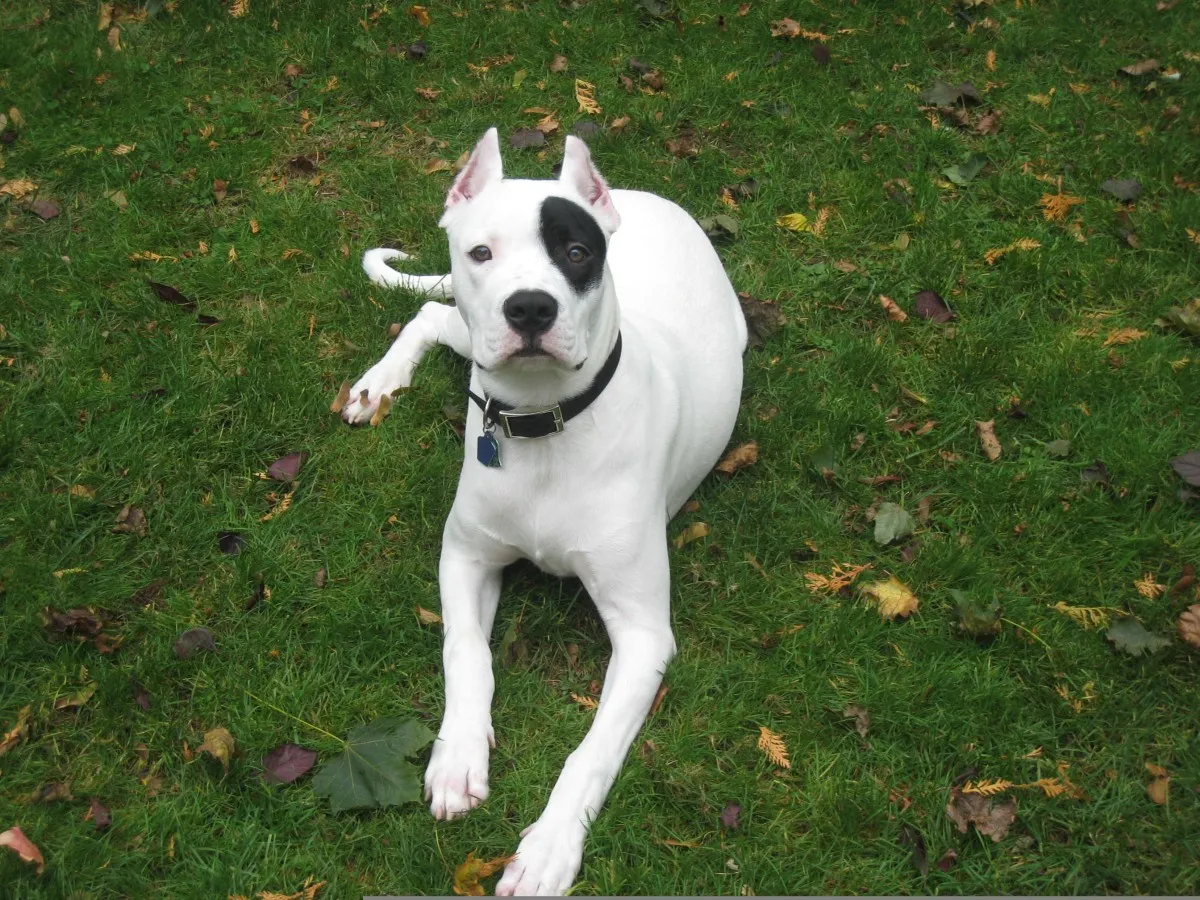
Hip dysplasia, an inherited malformation of the hip joint that leads to a loose joint, pain, and arthritis over time, is a recognized concern in large, heavy-bodied breeds, and the AKC lists a hip evaluation and a cardiac exam among the tests the Dogo Argentino national breed club recommends. Early signs are stiffness after rest or a reluctance to jump, and X-rays confirm the diagnosis. Management ranges from weight control and joint support in mild cases to surgery for significant malformation.
A cardiac exam means your veterinarian listens to the heart and may recommend further heart testing. Keeping a muscular dog lean is the single most useful thing an owner can do for the joints, and a hands-on rib check at routine visits catches changes a scale can miss.
Bloat Is an Emergency in Deep-Chested Dogs
Bloat, medically gastric dilatation-volvulus, happens when the stomach fills with gas and twists on itself, cutting off its own blood supply. It mainly affects large, deep-chested dogs, and a Dogo's build fits that profile. There is no home treatment, and surgery is the only way to correct a twisted stomach, so it is worth learning these warning signs before you ever need them.
- 01
Swollen belly
The abdomen looks tight, rounded, or distended.
- 02
Unproductive retching
Straining to vomit with little or nothing coming up.
- 03
Restlessness and drooling
Pacing, drooling, or being unable to settle.
- 04
Sudden collapse
The dog becomes weak or collapses.
Feeding smaller, more frequent meals with a slow feeder and skipping vigorous exercise right around mealtimes both help, though no precaution removes the risk entirely. Some owners choose a preventive gastropexy. The word comes from the Greek gaster, "stomach," and pexis, "fixing in place." The surgery tacks the stomach to the abdominal wall, often at the same time as a spay or neuter. It does not stop gas from building up, but it should stop the stomach from twisting, which is the life-threatening part.
What About the Airway, Thyroid, and Eyes?
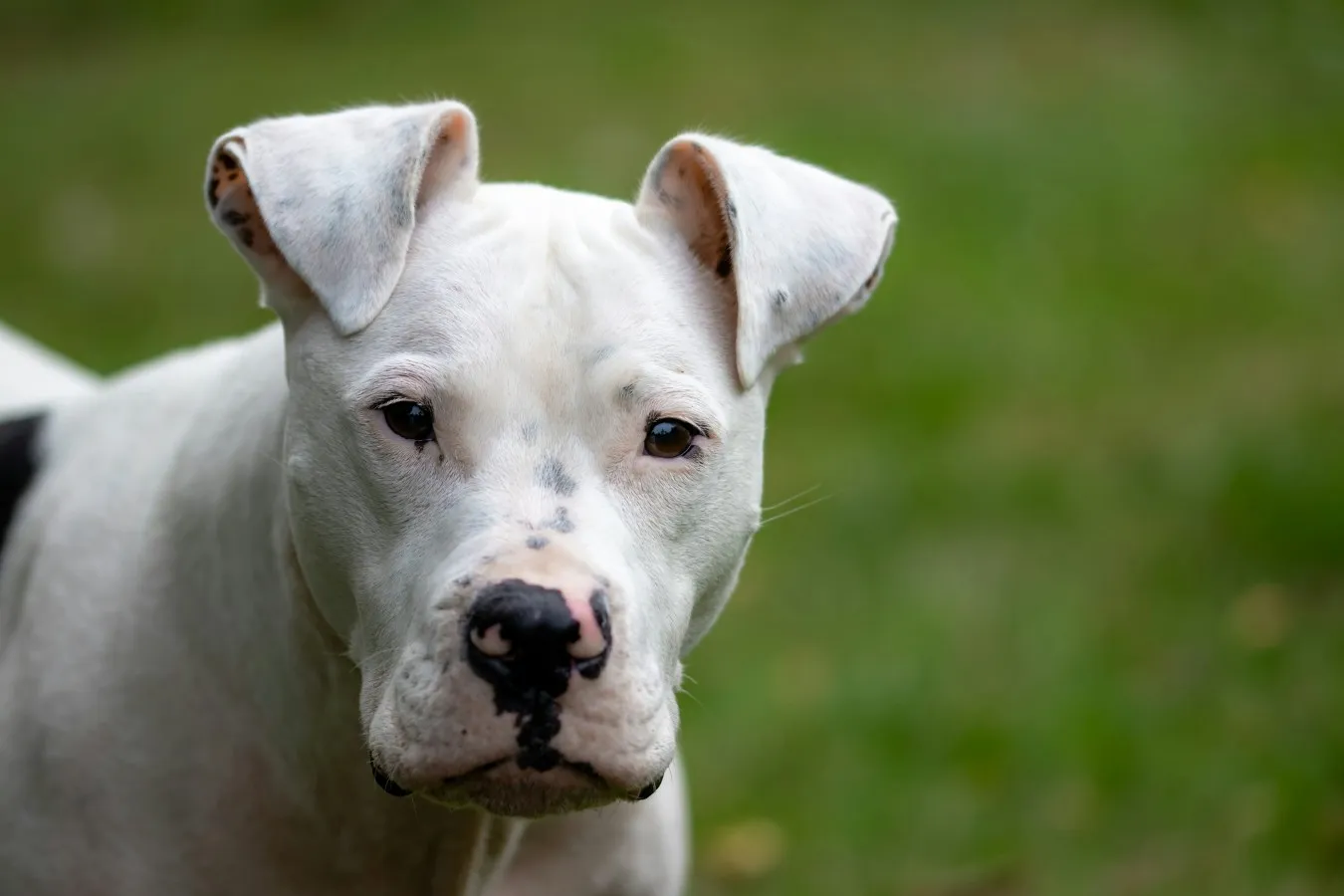
The Dogo Argentino is predisposed to laryngeal paralysis, a condition in which the cartilage flaps that open the airway stop moving normally. The usual first signs are a raspy change in the bark and noisy breathing that gets worse with heat and exercise, and a dog with these signs needs a veterinary exam rather than a wait-and-see approach.
Underactive thyroid, called hypothyroidism, and eye diseases such as glaucoma are sometimes mentioned for the breed, though the evidence is thinner than it is for deafness. They are ordinary reasons for yearly checkups in any large dog. Weight gain, a dull coat, and low energy deserve a blood panel, and a squinting, cloudy, or red eye deserves a prompt visit.
How Should You Protect a Dogo's Skin From the Sun?
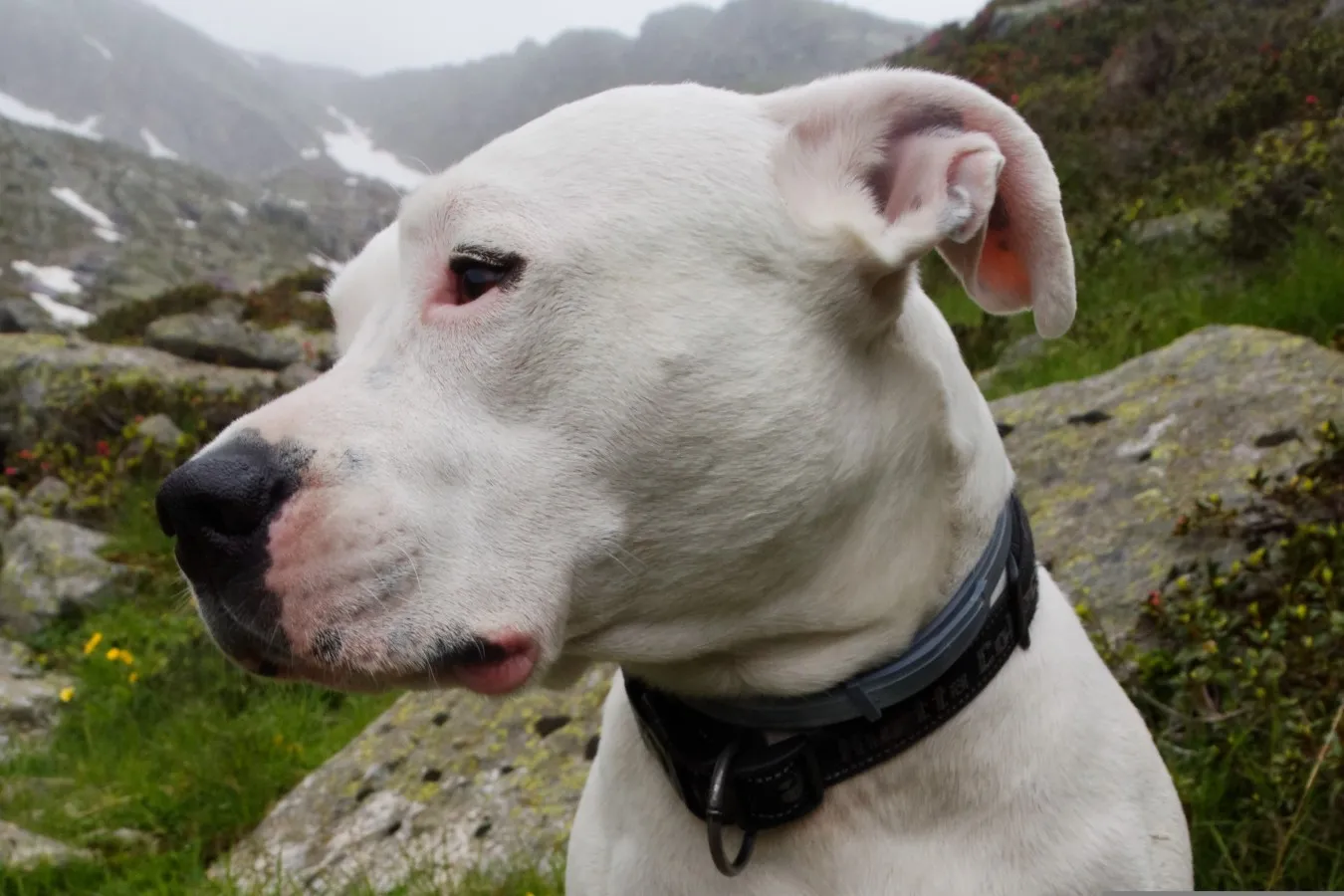
A short, all-white coat with pale skin offers very little natural protection from ultraviolet light, so sunburn on the nose, ears, and belly is a practical concern for outdoor-loving Dogos. Repeated sun damage over many years can contribute to skin growths, so shade at midday, limited time in strong sun, and a dog-safe sunscreen on exposed skin are reasonable habits to build.
Check the nose and ear tips from time to time for redness, scabbing, or thickened skin, and have any sore or growth that does not heal looked at promptly, since skin changes caught early are easier to treat.
What Does Managing a Dogo Argentino's Health Actually Cost?
| Condition or Need | Typical Cost Range | Notes |
|---|---|---|
| BAER hearing test | $50 to $200 | Ideally done in puppyhood |
| Annual wellness visit with bloodwork and vaccines | $300 to $550 | Large-dog dosing costs more |
| Hip dysplasia management | $500 to $4,000+ | From weight control to surgery |
| Thyroid testing and medication | $150 to $300 a year | Only if a problem is found |
| Eye exam | $150 to $500 | Sooner if the eyes look unwell |
| Emergency bloat surgery | $3,000 to $7,500 | Life-threatening, surgical |
Questions to Ask a Breeder Before Buying a Puppy
Ask whether every puppy has a BAER result, and request hip and heart results for the parents. The AKC lists hip evaluation, cardiac exam, and BAER testing as the national breed club's recommendations, so ask to see the results. A breeder who raises deafness without being asked is usually well informed about the breed's other health needs too.
It also helps to ask about adult weight and temperament in the line, and to check whether Dogos are legal where you live, since ownership is restricted or banned in several countries and some insurers and landlords restrict the breed.
Daily Life With a Dogo Argentino
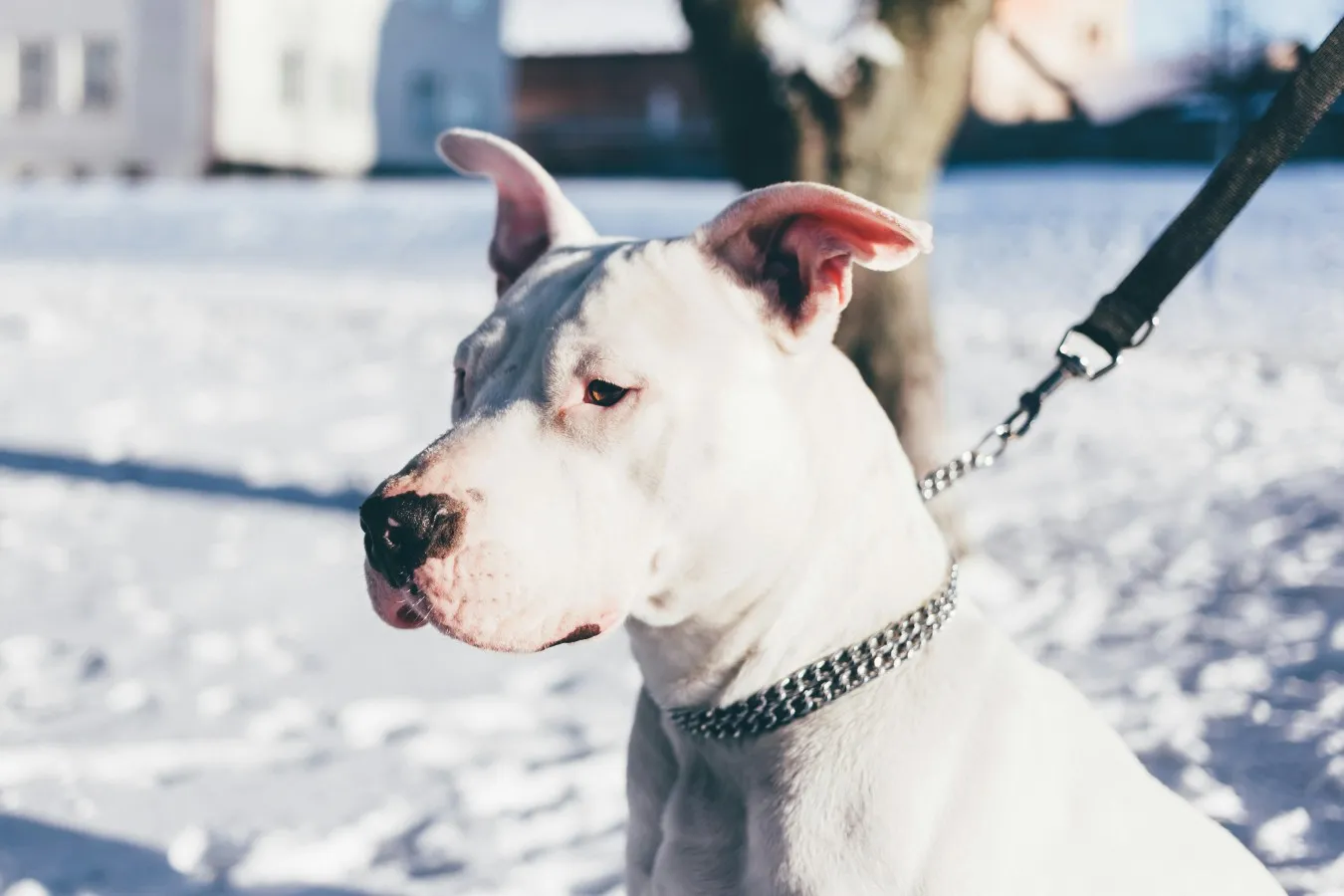
This is a strong, athletic guardian that needs vigorous daily exercise, early socialization, and an experienced, consistent owner. The short white coat keeps grooming simple, but it gives little protection from cold, so a winter coat is a practical necessity, and it gives little protection from sun in summer either.
Dogos are loyal and devoted with their families, as the personality profile explains, but a powerful dog with a strong prey drive and protective instincts needs steady training from the first week home. For a deaf Dogo, that training simply leans on hand signals instead of voice.
Keeping Your Dogo Argentino Healthy for the Long Run
Confirm hearing status early, schedule hip and heart checks, keep your dog lean, and learn bloat's warning signs before you ever need them. Protect the skin from strong sun, and report a raspy voice or noisy breathing promptly. Pet insurance is worth pricing while your dog is young and healthy.
Final Thoughts From a Veterinarian
Dogo Argentinos usually live 10 to 12 years. Ask for BAER hearing results, hip and heart screening, learn bloat's warning signs, and shield that white skin from strong sun. Plan for large-dog costs. Your veterinarian can tailor a plan that fits your dog.
Health & Costs FAQ
How much do Dogo Argentino cost?
Purchasing a Dogo Argentino typically costs between $1,000 and $4,000, though show-quality dogs or those with elite pedigrees can reach $8,000. Prospective owners should also budget approximately $3,000 for the first year to cover essential supplies, initial vaccinations, and veterinary screenings for this large breed.
Purchase cost: 7 / 10
How long do Dogo Argentino live?
Dogo Argentinos usually live about 10 to 12 years. A lean weight, regular exercise, dental care, and routine veterinary checkups help them stay active into their senior years, and early hearing, hip, and heart screening helps catch problems before they affect quality of life.
Life expectancy: 6 / 10
Are Dogo Argentino healthy dogs?
Dogo Argentinos are strong, athletic dogs, but they are not problem-free. Congenital deafness is unusually common, with about one in four tested dogs affected in one or both ears, and the deep chest raises bloat concern. Breed club screening covers hips, heart, and hearing, so ask breeders for results.
Health: 4 / 10
What health problems do Dogo Argentino have?
Dogo Argentinos are prone to congenital deafness and are predisposed to laryngeal paralysis. Hip dysplasia and bloat are concerns in large, deep-chested dogs, and the white coat is vulnerable to sunburn. Hip, heart, and BAER hearing screening catch most issues early, and bloat or noisy breathing needs prompt veterinary care.
Health problem risk: 4 / 10
Are Dogo Argentino expensive to maintain?
Dogo Argentinos are inexpensive to groom, since the short coat needs little more than regular brushing. Costs come mainly from food for a large, muscular dog, routine veterinary care, and a winter coat. Setting money aside for hip, heart, and hearing screening, and for a possible emergency bloat surgery, is wise.
Maintenance cost: 4 / 10
How much does it cost to own a Dogo Argentino per month?
Expect to spend between $130 and $200 per month on a Dogo Argentino. This covers food for a large, active breed, routine veterinary care, and preventative medications. Medication, screening, and emergency costs can add to that, particularly because of the breed's size.
Monthly ownership cost: 5 / 10
How much does pet insurance cost for a Dogo Argentino?
Pet insurance for a Dogo Argentino typically ranges from $60 to $90 per month, though quotes vary by location, the dog's age, and coverage limits. Pricing a policy while your dog is young and healthy is worthwhile, since bloat surgery and hip problems can add up to thousands of dollars.
Pet insurance cost: 5 / 10
Will homeowners insurance cover a Dogo Argentino?
Dogo Argentinos are often included on insurer restricted-breed lists, and ownership is restricted or banned in several countries, including the UK, Australia, and New Zealand. Some providers exclude them, while others decide case by case. Confirm coverage with your insurer before bringing one home, as policies and local rules vary.
Homeowners insurance difficulty: 1 / 10
Are Dogo Argentino on insurance restricted breed lists?
Yes, Dogo Argentinos are frequently found on insurance restricted-breed lists because of their size, strength, and history as big-game hunters. Some insurers may exclude liability coverage or decline a policy. Always verify breed restrictions with your provider and local authority to ensure you have adequate coverage.
Insurance restriction risk: 10 / 10
Can you get renters insurance with a Dogo Argentino?
Renters insurance can be hard to obtain with a Dogo Argentino, since the breed is often on restricted-breed lists and many landlords restrict large guardian breeds. Some insurers assess dogs individually. Always disclose your dog to your provider and confirm the policy and lease terms before signing.
Renters insurance difficulty: 1 / 10