Italian Greyhound Health and Costs
Breed Group
Companion Dogs
Country of Origin
Italy
Breed Size
Small
AKC Recognition
Yes, recognized in 1886
FCI Recognition
Yes, recognized in 1956
Rarity
Most Common2 / 10
Purchase cost
Moderate to Expensive6 / 10
Life expectancy
Long Lifespan8 / 10
Health
Generally healthy7 / 10
Health problem risk
Mild health concerns3 / 10
Maintenance cost
Moderate upkeep cost4 / 10
A Veterinarian's Guide
Italian Greyhound Health Problems and Costs
The Italian Greyhound is an elegant, affectionate miniature sighthound, and its delicate build explains most of its health priorities: fine bones that break easily, crowded teeth, knees, eyes, the thyroid, and a sensitivity to certain anesthetic drugs and to cold. Knowing them before you bring a puppy home, or while you already share your life with one, makes screening and vet visits much easier to plan.
In this guide
Why Do Italian Greyhound Legs Break So Easily?
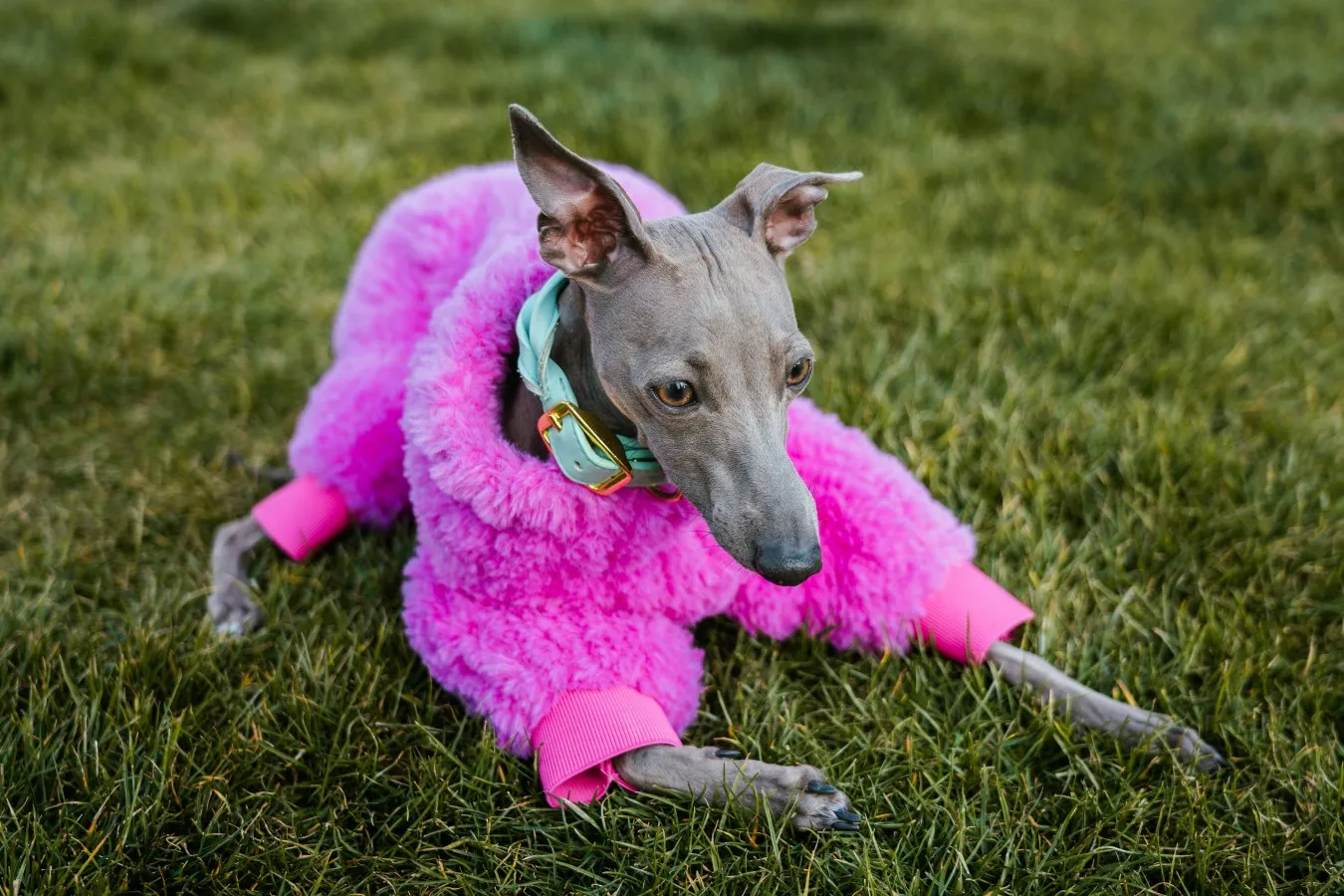
Italian Greyhounds have long, slim legs and fine, lightweight bones, and fractures of the legs are among the most common injuries reported in the breed. A jump off a couch, a missed step, or a collision during play can be enough to break a bone that would barely bruise a sturdier dog. Puppies and young adults are often described as the highest risk, so many owners limit jumping from furniture, use ramps or steps, and watch for slippery floors.
- 01
Sudden yelp
Especially right after a jump, fall, or rough play.
- 02
Not using a leg
Holding a leg up or refusing to put weight on it.
- 03
Swelling or odd angle
A leg that looks swollen, bent, or dangling.
- 04
Pain when touched
Crying out or pulling away when the leg is handled.
Many of these fractures need surgical repair, so keep your dog calm and still and get to a veterinarian promptly rather than waiting to see whether it settles.
Why Is Dental Care Such a Big Deal in This Breed?
A small, narrow jaw with a full set of teeth leaves little room, which makes periodontal disease a common problem if dental care is neglected. The word comes from the Greek peri, "around," and odous, "tooth," and it means disease of the structures that hold the teeth in place. Without care, tartar builds up and can lead to decay and tooth loss, and infection can spread beyond the mouth. Regular tooth brushing and professional cleanings are core preventive care for this breed, so plan for them from puppyhood.
Why Do Knees and Hips Need Checking?
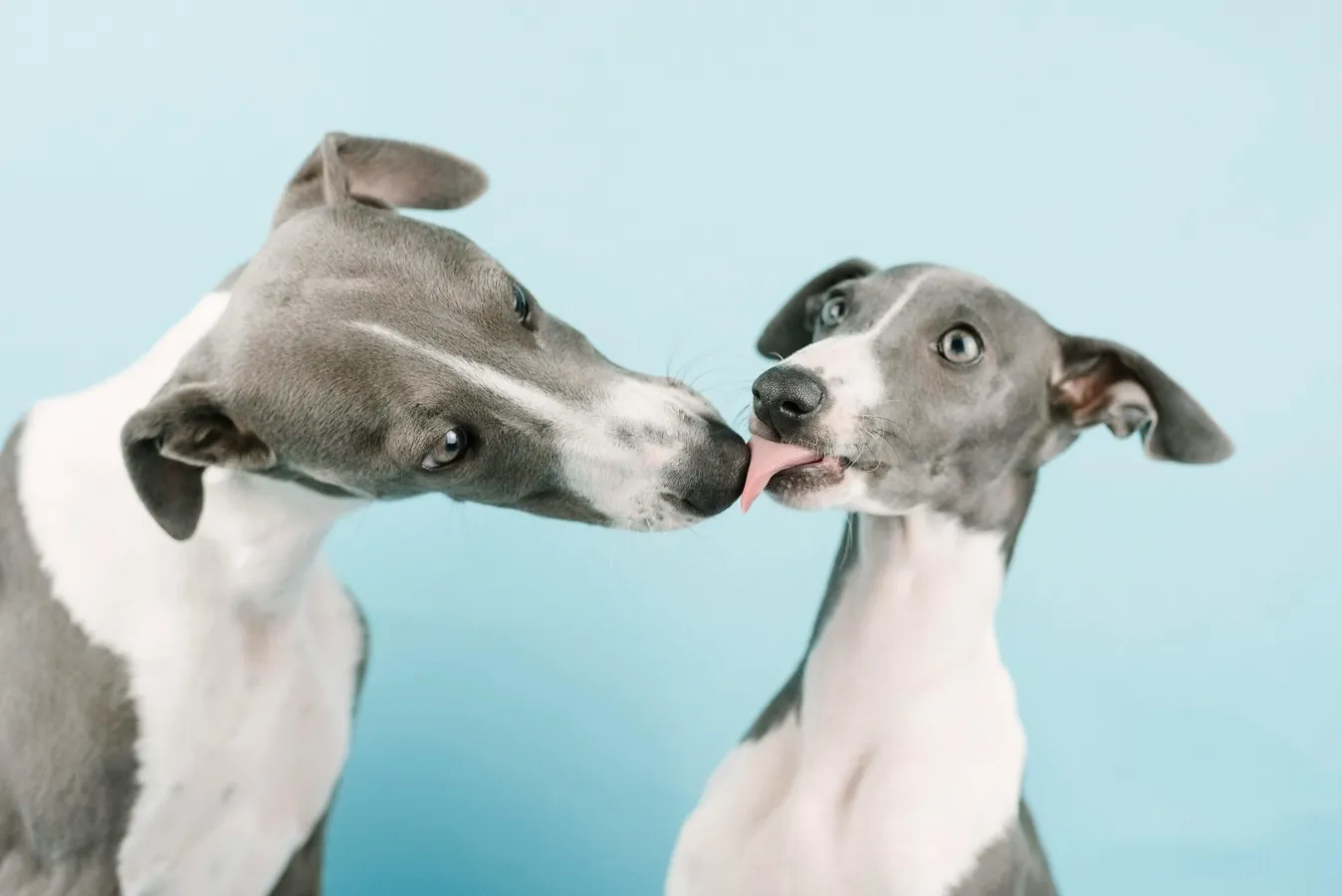
Patellar luxation is a kneecap that slips out of its normal groove. Patella comes from the Latin for "small dish." It ranges from an occasional skip in the stride to a more constant lameness, and surgery can correct more serious cases. A kneecap evaluation is on the national breed club's list of recommended tests on the AKC toy group health testing page. Legg-Calve-Perthes disease, a breakdown of the hip joint that appears in young small dogs, has also been described in the breed.
What Eye Conditions Show Up in Italian Greyhounds?
Progressive retinal atrophy, or PRA, is an inherited breakdown of the retina's light-sensing cells that can lead to blindness. Retina comes from the Latin rete, "net," and atrophy from the Greek for "without nourishment." Carriers may look completely normal, so reputable breeders use DNA testing, and the breed club also recommends an eye exam by a veterinary ophthalmologist. There is no treatment, but most dogs adapt well to gradual vision loss in a familiar home.
What Thyroid and Skin Problems Can Occur?
Hypothyroidism, or low thyroid hormone activity, shows up as weight gain, low energy, and coat changes, and a blood panel confirms it. Daily medication manages it for life, and the breed club recommends a thyroid evaluation for breeding dogs. Blue and fawn dogs can also develop color dilution alopecia, a genetic condition in which the coat thins and may become bald in patches. It affects the skin and coat rather than causing illness, but affected dogs need gentle skin care and limited direct sun.
Why Are Italian Greyhounds Sensitive to Anesthesia and Cold?
Tell every veterinarian treating your Italian Greyhound that it is a sighthound before any sedation, even a routine dental cleaning, and repeat it at every new clinic or emergency visit.
Sighthounds carry very little body fat, and their livers process some drugs less efficiently, so certain anesthetic drugs can linger longer than expected. Lean dogs also lose body heat quickly under anesthesia. Ask your veterinarian about a sighthound-appropriate anesthesia plan, including warming during and after the procedure and monitoring while your dog recovers.
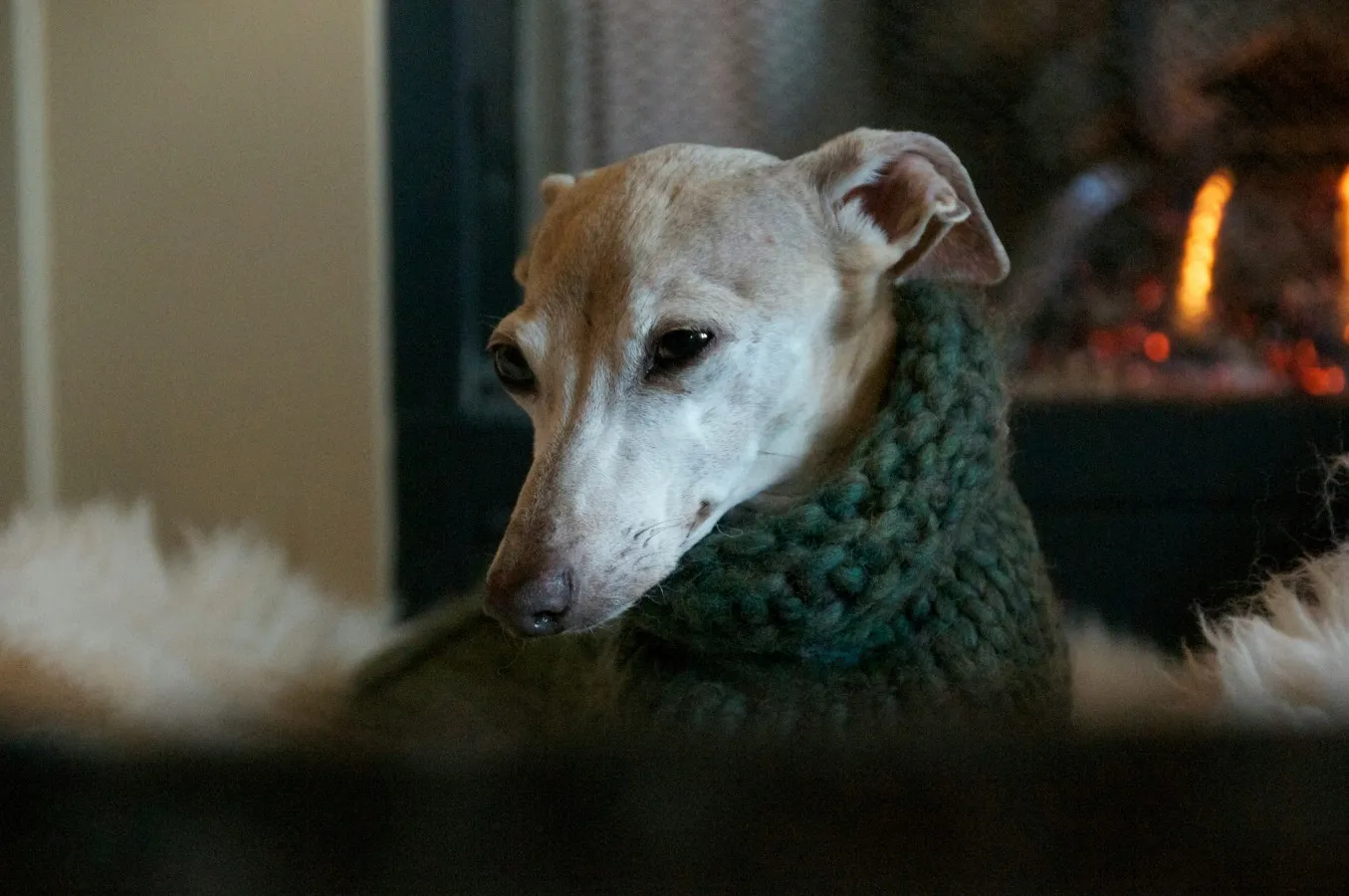
The same fine coat and slender build offer little insulation in daily life, so many Italian Greyhounds need a sweater or coat in cold weather. A dog that is shivering hard, unusually sleepy, or cold to the touch after time outdoors should be warmed up and seen by a veterinarian.
What Does Managing an Italian Greyhound's Health Actually Cost?
| Condition or Need | Typical Cost Range | Notes |
|---|---|---|
| Dental cleaning | $300 to $700 | Anesthesia plan needs extra care |
| Leg fracture repair | $2,000 to $4,500 | Per incident, varies by fracture |
| Patellar luxation surgery | $1,500 to $3,500 | Per leg, for more serious cases |
| PRA DNA test | $50 to $100 | One-time, ideally before breeding |
| Winter coat or sweater | $30 to $100 | Not medical, but useful for this breed |
Ranges vary by region and clinic, so ask your veterinarian for an estimate.
Questions to Ask a Breeder Before Buying a Puppy
Ask for the parents' kneecap, eye, and thyroid results, and whether they have been DNA tested for PRA. The breed club recommends these three tests for breeding dogs, so ask to see the paperwork. A breeder who talks openly about fractures and anesthesia in their lines is usually well informed about the breed's other health needs too.
Daily Life With an Italian Greyhound
This is a playful, highly affectionate toy sighthound with moderate energy needs that a daily walk and some outdoor play can meet. The short coat keeps grooming simple, with a gentle weekly brushing, occasional baths, and nail trims. Italian Greyhounds bond closely with their families, as the personality profile describes, and gentle, consistent training from puppyhood works better than a heavy hand with such a sensitive dog.

Keeping Your Italian Greyhound Healthy for the Long Run
Protect the legs with ramps and careful handling, brush the teeth regularly, and schedule kneecap checks, eye exams, and thyroid testing. Flag the anesthesia sensitivity at every visit involving sedation, and keep your dog warm in cold weather. Pet insurance is worth pricing while your dog is young and healthy.
Final Thoughts From a Veterinarian
Italian Greyhounds are affectionate dogs that often live 13 to 15 years. Protect those slender legs, keep up with dental care, tell every clinic about sighthound anesthesia sensitivity, and keep your dog warm. Your veterinarian can tailor the plan.
Health & Costs FAQ
How much do Italian Greyhound cost?
Italian Greyhound puppies from reputable breeders typically cost between $1,000 and $3,000, with some reaching up to $5,000 based on lineage. Adoption fees from rescues range from $200 to $500. Owners should also budget for initial supplies and potential emergency veterinary funds due to their delicate bone structure.
Purchase cost: 6 / 10
How long do Italian Greyhound live?
Italian Greyhounds typically live about 13 to 15 years. To help your Iggy live a full life, focus on dental care, a healthy weight, protecting the delicate legs from injury through careful handling and a safe home, and keeping warm in cold weather.
Life expectancy: 8 / 10
Are Italian Greyhound healthy dogs?
Italian Greyhounds are generally healthy and often live 13 to 15 years, but their fragile bones make leg fractures a real risk. They are also prone to dental disease, can develop kneecap problems, inherited eye disease and hypothyroidism, and need care around anesthesia. Regular veterinary checkups and dental care help catch trouble early.
Health: 7 / 10
What health problems do Italian Greyhound have?
Italian Greyhounds are prone to leg fractures because of their fragile bones. Other concerns include dental disease, patellar luxation, progressive retinal atrophy, hypothyroidism, and color dilution alopecia in blue and fawn dogs. They are sensitive to some anesthetic drugs, so tell your veterinarian before any sedation. Screening and proactive dental care help manage these conditions.
Health problem risk: 3 / 10
Are Italian Greyhound expensive to maintain?
Italian Greyhounds have moderate upkeep costs. The short coat needs minimal grooming, but fractures and dental disease can be costly. Owners should budget for quality food, regular dental cleanings, and cold-weather gear to keep these slender dogs healthy and warm.
Maintenance cost: 4 / 10
How much does it cost to own a Italian Greyhound per month?
Typical estimates for owning an Italian Greyhound run from about $150 to $300 per month. This covers food, routine veterinary care, preventives, and supplies. Dental cleanings, fracture repair, or other unplanned care can push a given month higher.
Monthly ownership cost: 4 / 10
How much does pet insurance cost for a Italian Greyhound?
Pet insurance for an Italian Greyhound typically costs about $35 to $65 per month for a young, healthy dog. Premiums can rise as the dog ages, so a policy is worth pricing early, before fractures, dental disease, or other conditions show up.
Pet insurance cost: 3 / 10
Will homeowners insurance cover a Italian Greyhound?
Yes, most homeowners insurance policies will cover an Italian Greyhound. They are generally not classified as an aggressive or high-risk breed by insurers. Coverage can vary by provider, so confirm liability details with your insurance agent to ensure your dog is fully protected.
Homeowners insurance difficulty: 9 / 10
Are Italian Greyhound on insurance restricted breed lists?
No, Italian Greyhounds are not commonly found on insurance restricted-breed lists. These lists typically focus on breeds perceived as high-liability risks. As small, affectionate companion dogs, Italian Greyhounds are generally viewed as low risk by most homeowners and renters insurers.
Insurance restriction risk: 2 / 10
Can you get renters insurance with a Italian Greyhound?
Yes, you can typically get renters insurance with an Italian Greyhound. As a small toy breed, it is rarely subject to breed restrictions, and its size and temperament are generally landlord-friendly. Still, verify liability limits and lease terms with your insurer and landlord to ensure full coverage.
Renters insurance difficulty: 8 / 10