Skip to content

Greenland Dog - MAIN HUB

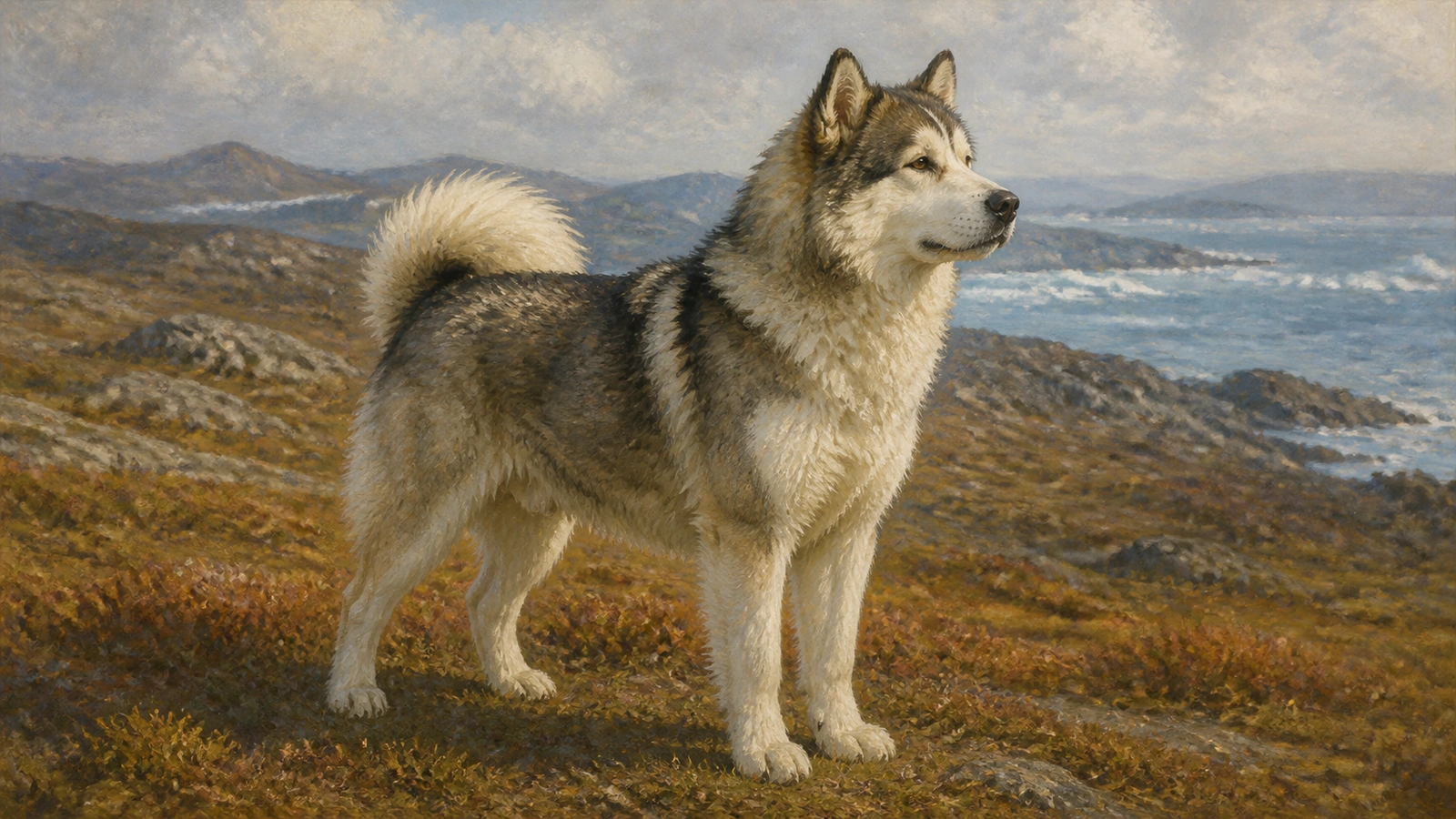
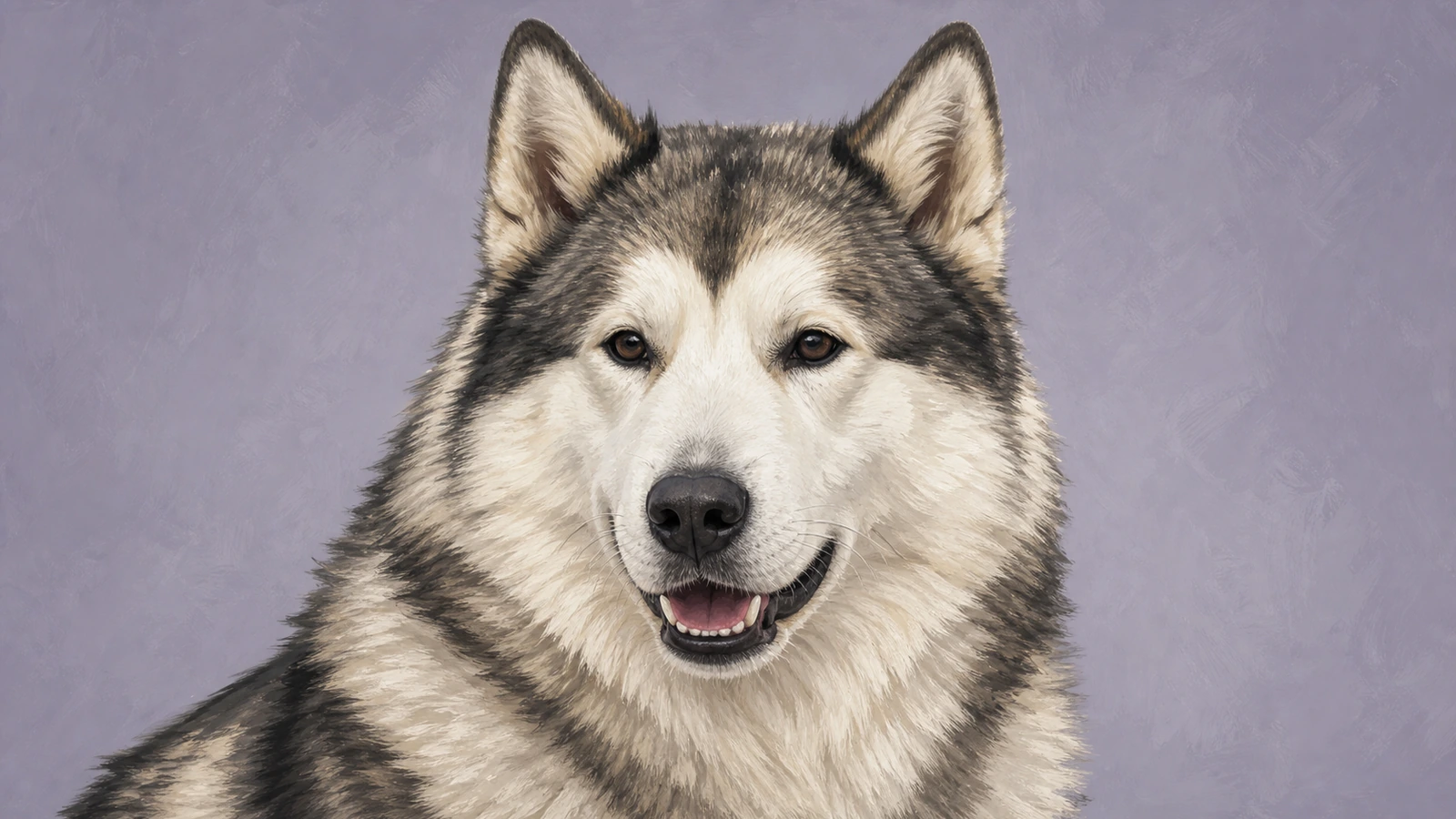
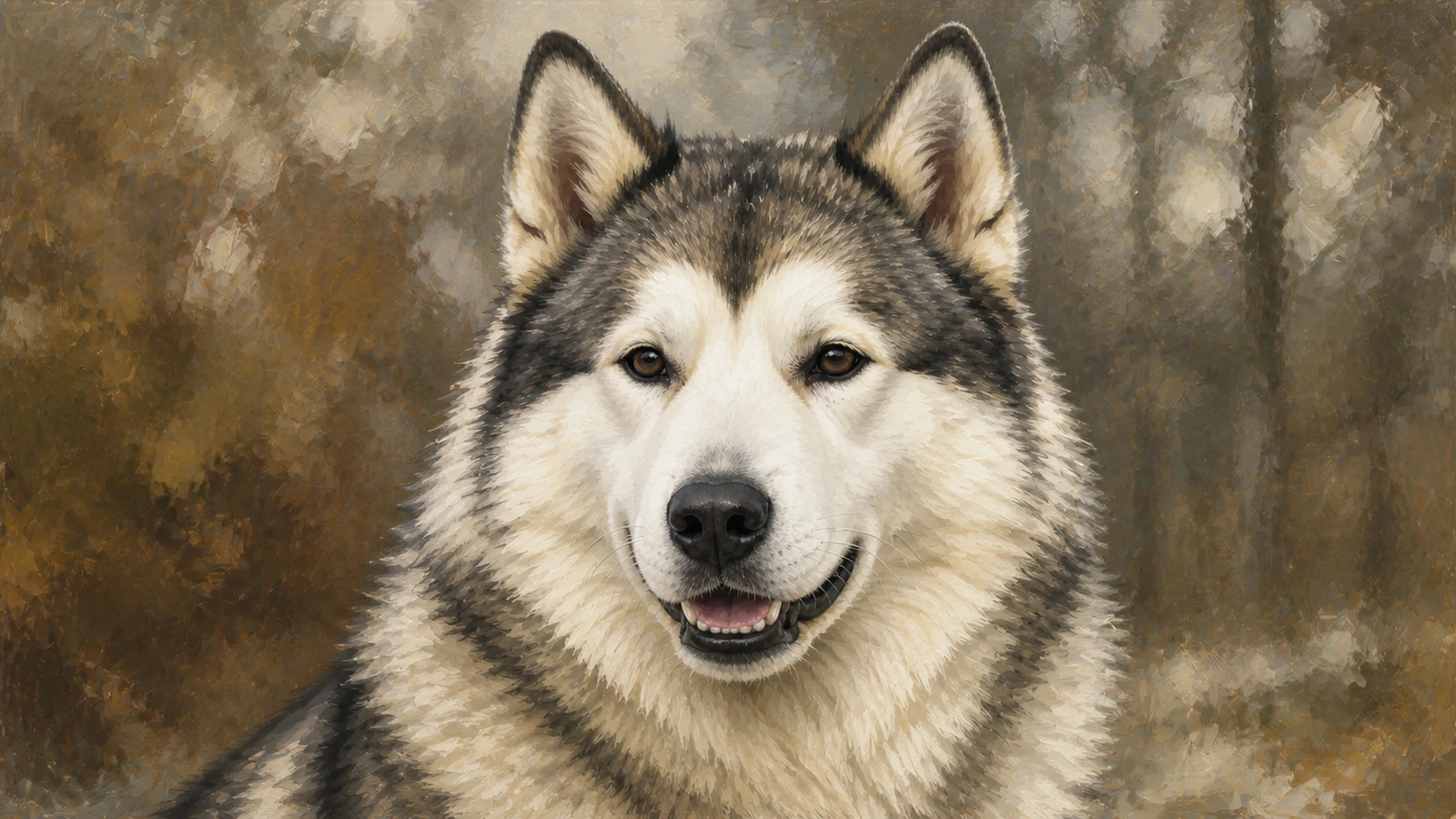
A powerful, ancient Arctic sled dog built for endurance! Loyal and independent, they thrive on vigorous activity and cool weather. Perfect for explorers.

BREED GROUP

Spitz Dogs

Country of origin

Greenland

BREED SIZE

Large

BREED HEIGHT

22 -

28 IN

56 -

71 cm

BREED WEIGHT

66 -

105 LB

30 -

48 KG

WHAT YOU NEED TO KNOW

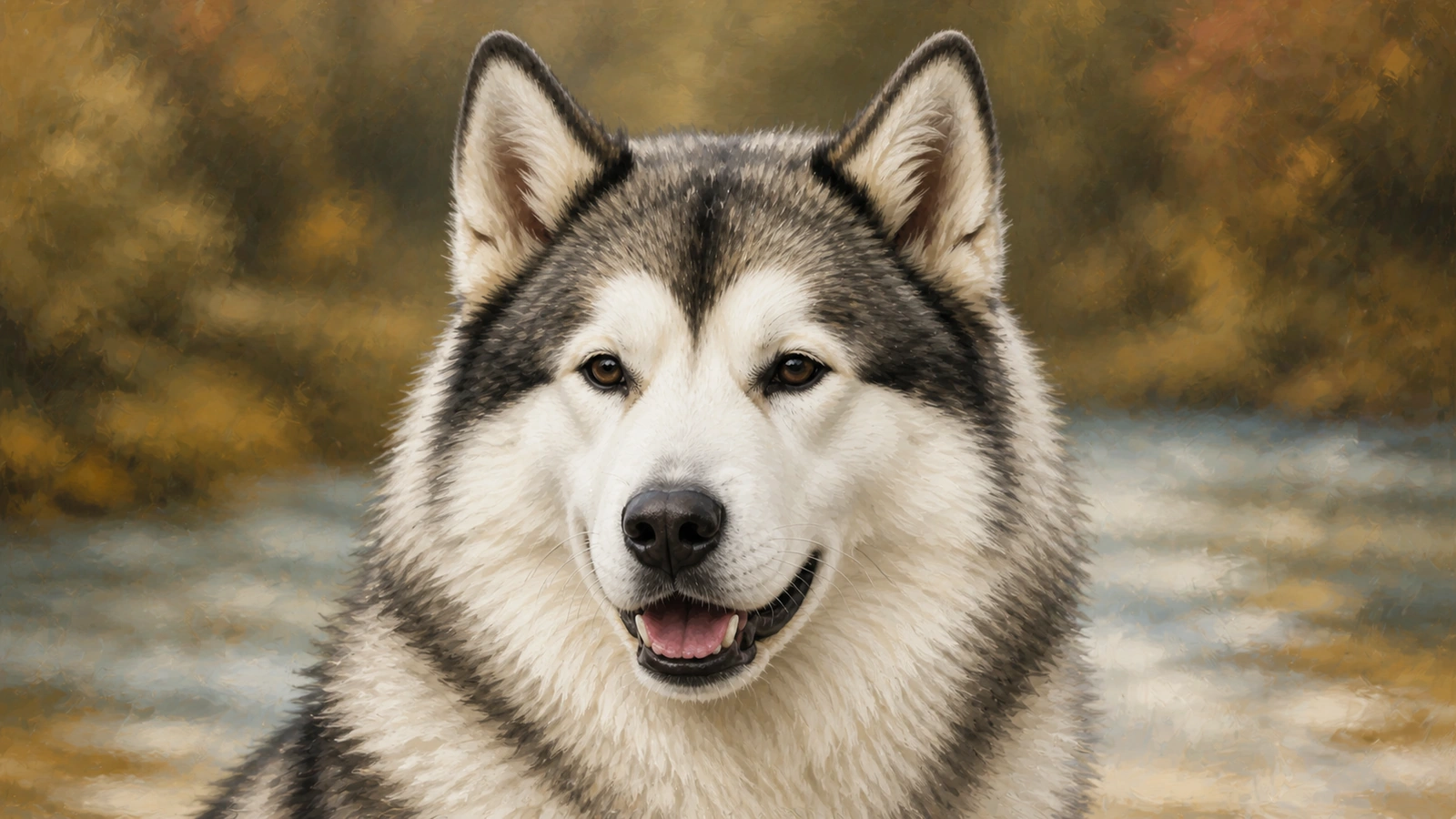
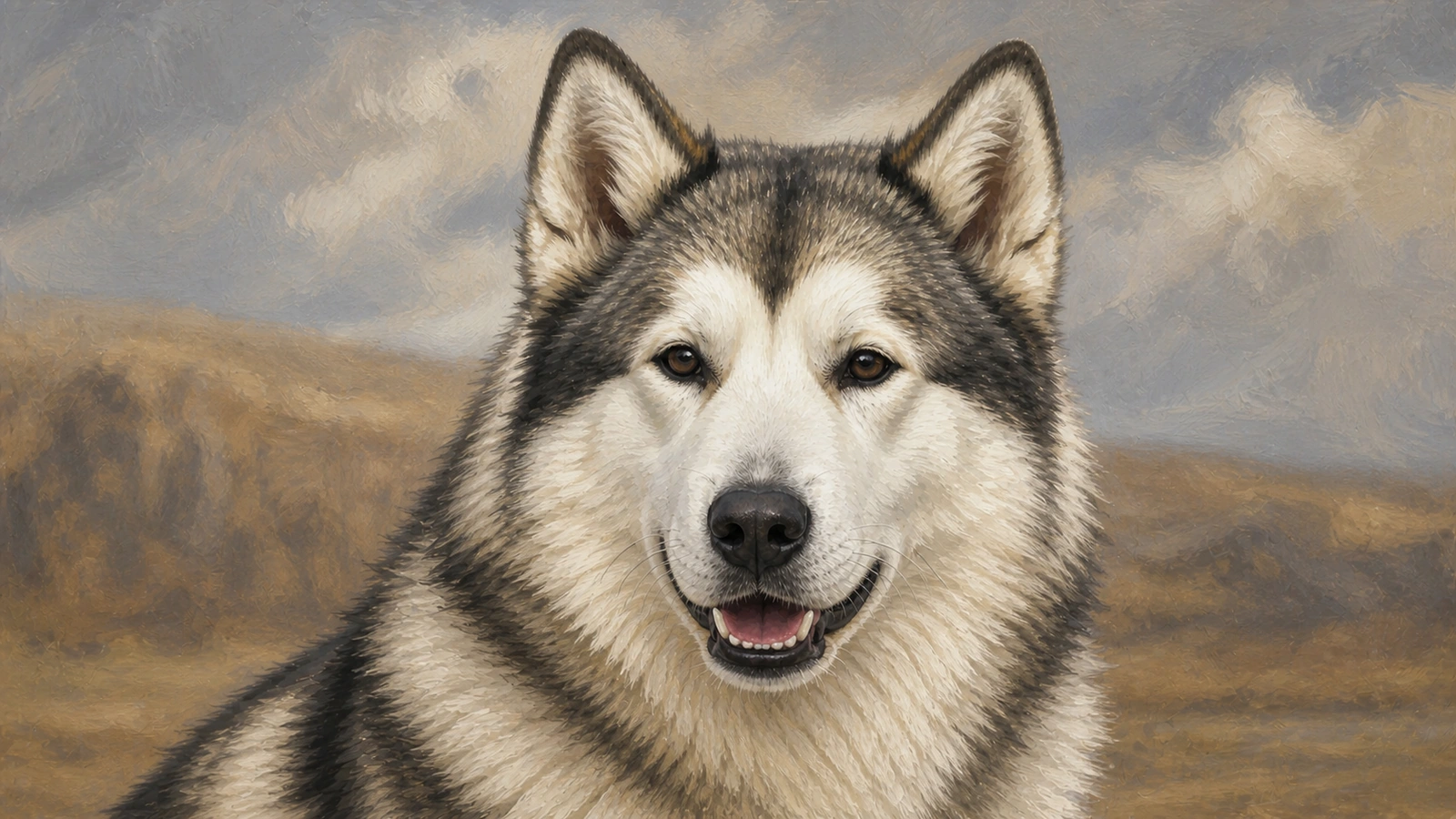
The Greenland Dog is an ancient, robust Spitz-type breed originally developed for hauling sleds across Arctic terrain. Built for extreme endurance, these powerful dogs are highly intelligent yet independent, requiring an experienced owner who can provide firm leadership. They are energetic and vocal, thriving on at least two hours of daily vigorous activity like hiking or pulling. While friendly with people, they possess a high prey drive and can be territorial with other dogs. Ideal for active households in cooler climates, they need a large, secure yard and regular grooming for their thick, weather-resistant double coat.
american kennel club (AKC) recognition

No

Breed was recognized in 0.

International Canine Federation (FCI) recognition

Yes

Breed was recognized in 1967.
WHAT DO OWNERS WANT TO KNOW?

Are Greenland Dogs good family dogs?

Poor

2 out of 10

The Greenland Dog is generally better suited as a working partner than a traditional family pet due to its high energy and independent, strong-willed nature. While friendly with people, they are not recommended for novice owners or households with small children and pets because of their boisterous play style and high prey drive. They can be loyal companions for highly active, experienced families who can provide significant daily exercise and firm leadership in cooler climates.

Not Recommended

2 out of 10

Greenland Dogs are not recommended for households with small children due to their large size, high energy, and boisterous play style, which may lead to them unintentionally knocking over little ones. While they can be gentle and affectionate companions for older children in active, experienced families, their strong-willed nature and independent spirit require firm leadership and constant supervision to ensure safe interactions.

Fair

3 out of 10

Greenland Dogs are generally not recommended for first-time owners due to their independent, strong-willed nature and intense exercise requirements. They thrive under the guidance of experienced handlers who can provide firm, consistent leadership and a structured environment. Novice owners may find their high energy levels, stubborn streak, and need for significant mental and physical stimulation overwhelming.

Not Recommended

2 out of 10

Greenland Dogs are not suited for apartment living due to their large size, high energy, and need for significant outdoor activity. As a working breed built for endurance, they require ample space and thrive in rural environments with large, secure yards where they can remain active in cooler temperatures. Their independent nature and tendency to howl also make them poorly suited for close-quarters city life.

Very Low

8 out of 10

A large, secure yard is highly recommended for the Greenland Dog. As a high-energy working breed built for endurance and Arctic sledding, they thrive in open spaces where they can remain active and enjoy cooler outdoor temperatures. Their strength and vocal nature make them poorly suited for apartment living without a dedicated outdoor area.

Average

5 out of 10

Greenland Dogs are independent pack animals that can tolerate moderate periods of solitude but generally prefer the company of other dogs or their human pack. While they are not as prone to separation anxiety as some social breeds, prolonged isolation without mental and physical stimulation can lead to howling, digging, and other destructive behaviors. They thrive best in active environments where they have a job to do and consistent interaction.

Good

6 out of 10

Greenland Dogs generally coexist well with cats, especially when raised together from a young age. While their ancient hunting background and high prey drive can trigger an instinct to chase, early socialization and consistent training can help them form balanced bonds. However, because of their strong predatory instincts and boisterous play style, introductions should be slow and interactions must be closely supervised to ensure a safe multi-pet household.

Balanced

5 out of 10

Greenland Dogs are not naturally aggressive toward people, typically greeting them with friendly and cheerful howls. However, they possess a strong-willed, independent nature and a powerful hunting instinct that can lead to territorial behavior or same-sex rivalry with other dogs. Early socialization and firm, consistent leadership are essential to manage their bold temperament and ensure they remain well-behaved in multi-dog environments.

Hyperactive

10 out of 10

Greenland Dogs are exceptionally high-energy working dogs that require substantial daily exercise and mental stimulation to thrive. Originally bred for hauling sleds across Arctic terrain, they possess incredible endurance and need at least two hours of vigorous activity, such as hiking or pulling, to prevent boredom and destructive behaviors.

~120+ min a day

3 out of 10

Greenland Dogs require at least two hours of vigorous daily exercise to satisfy their immense stamina and working instincts. Originally bred for hauling sleds across Arctic terrain, they thrive on high-intensity activities such as hiking, pulling, or running. Without this significant physical outlet and mental stimulation, they are prone to developing destructive behaviors like howling and digging due to boredom.

Average

5 out of 10

Greenland Dogs are sensitive to warm climates due to their thick, insulating double coats designed for Arctic survival. They are prone to overheating and struggle to regulate their body temperature in high heat or humidity. Owners must provide constant shade, plenty of fresh water, and avoid any vigorous activity during the day, ideally keeping them in climate-controlled environments when temperatures rise.

Average

5 out of 10

Greenland Dogs are sensitive to warm climates due to their thick, insulating double coats designed for Arctic survival. They are prone to overheating and struggle to regulate their body temperature in high heat or humidity. Owners must provide constant shade, plenty of fresh water, and avoid any vigorous activity during the day, ideally keeping them in climate-controlled environments when temperatures rise.

Low Risk

7 out of 10

Greenland Dogs are at low risk for breed-specific bans but are generally poorly suited for most apartments due to their large size, high energy, and vocal nature. While they may not be explicitly listed on restricted breed lists like more guarded breeds, their need for significant outdoor space and tendency to howl often conflict with standard rental policies and close-quarters living. Potential owners should check weight limits and noise ordinances, as these are the most likely barriers to rental approval for this hardy working breed.

WHAT DO OWNERS WANT TO KNOW?


Photo
Reviewed by
Dr. Vojtech Gabriel
DVM · PhD · MBA
Veterinarian Researcher Dog breed specialist
Verified

"The Greenland Dog is an exceptionally hardy and robust breed, but potential owners must be proactive regarding their specific health and environmental needs. As a veterinarian, I prioritize screening for hip and elbow dysplasia, as well as monitoring for primary lens luxation and other hereditary eye conditions. Their dense double coat makes them highly susceptible to heatstroke in temperatures above 60°F, necessitating strict climate control and limited activity in warmer weather. While they have a low incidence of many common genetic disorders due to their historical isolation, they are prone to tooth fractures and bite wounds due to their boisterous pack nature. Maintaining a high-fat, high-protein diet tailored to their activity level and ensuring they have vast spaces for exhaustive daily exercise is critical to preventing the behavioral issues and energy deficiencies often seen when this tireless working breed is kept as a traditional household pet."

Other Spitz Dogs