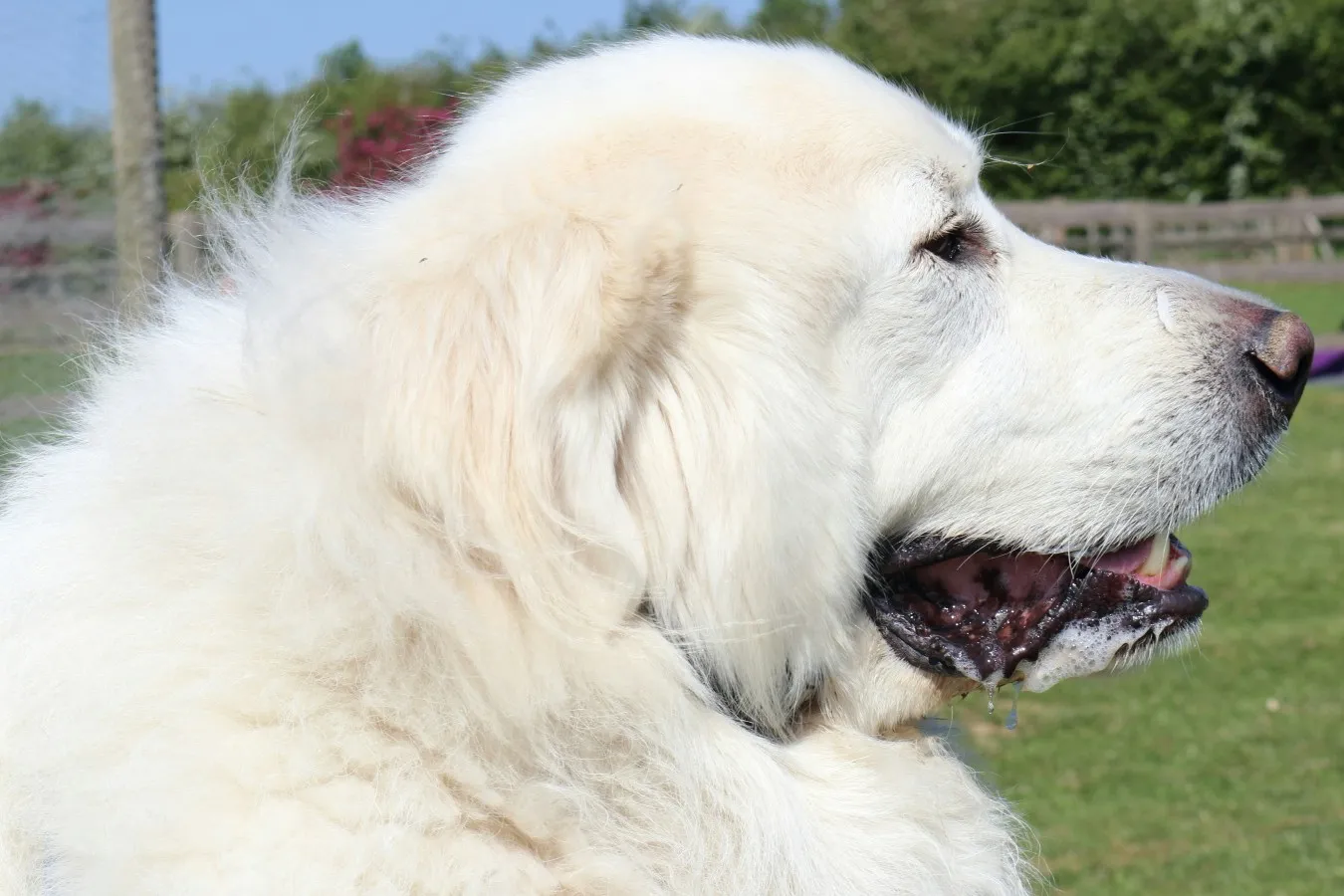
Great Pyrenees - MAIN HUB
BREED GROUP
Working Dogs
Country of origin
France
BREED SIZE
Giant
BREED HEIGHT
25 -
32 IN
64 -
81 cm
BREED WEIGHT
85 -
160 LB
39 -
73 KG
WHAT YOU NEED TO KNOW
american kennel club (AKC) recognition
Yes
Breed was recognized in 1933.

International Canine Federation (FCI) recognition
Yes
Breed was recognized in 1955.
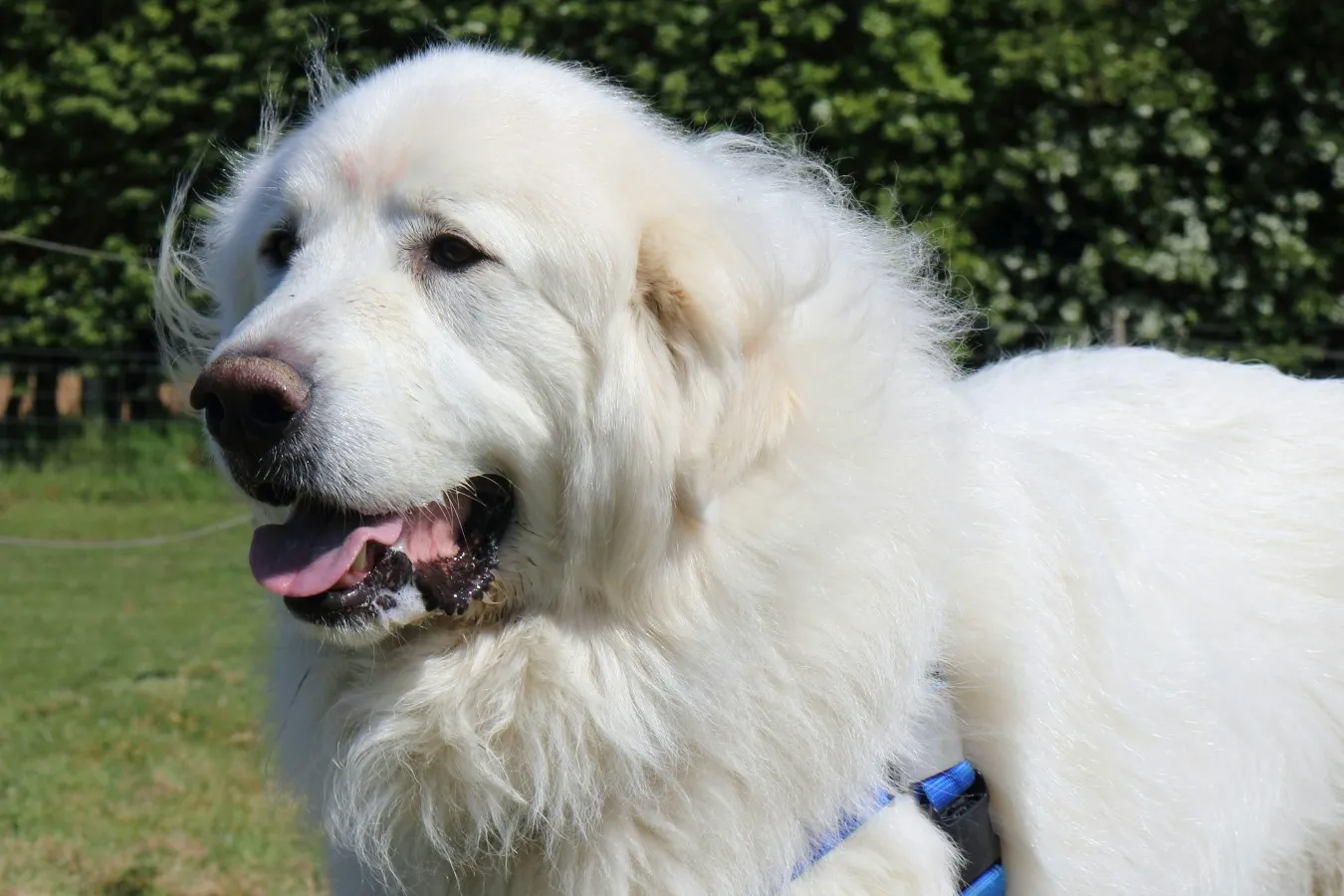
WHAT DO OWNERS WANT TO KNOW?
Are Great Pyrenees good family dogs?
Great
9 out of 10
The Great Pyrenees is an excellent family dog, often described as a gentle giant with a Zen-like calm and steadfast devotion to its owners. While they are intelligent and patient, they require early socialization and consistent training to manage their protective instincts and independent nature.
Are Great Pyrenees good with kids?
Great
9 out of 10
Great Pyrenees are generally excellent with children, known for their patient, calm, and protective nature as gentle giants. While they are instinctively aware of the vulnerability of young ones and form deep bonds with them, their massive size requires supervised play with toddlers to prevent accidental bumps. Early socialization and consistent training are essential to manage their strong guardian instincts.
Are Great Pyrenees good dogs for first time owners?
Not Recommended
1 out of 10
The Great Pyrenees is generally not recommended for first-time owners due to its extreme independence, strong-willed nature, and tendency to be stubborn during training. While they are calm and gentle "gentle giants," their instinct to work independently as livestock guardians means they do not always strive to please their owners, requiring extreme patience and consistent, positive reinforcement. Additionally, their massive size, propensity for nocturnal barking, and roaming instincts present significant management challenges that are often better suited for experienced handlers.
Are Great Pyrenees good apartment dogs?
Not Recommended
1 out of 10
Great Pyrenees are generally not ideal for apartment living due to their massive size, protective nature, and tendency for loud, nocturnal barking. While they are relatively calm indoors and can adapt if provided with vigorous daily exercise, they thrive best in homes with large, securely fenced yards where they can satisfy their natural instinct to patrol and observe their territory.
Do Great Pyrenees need a yard?
Strictly Required
10 out of 10
A yard is highly recommended for the Great Pyrenees to accommodate their strong natural instinct to patrol and guard their territory. While they can adapt to smaller spaces if provided with consistent daily walks and mental stimulation, a securely fenced yard with a minimum height of four to six feet is essential to prevent their tendency to roam or "disapPyr." These independent guardians require a solid physical boundary to define their territory and stay safe.
Can Great Pyrenees be left at home alone?
Not Recommended
3 out of 10
Great Pyrenees are independent thinkers bred for solitary guardianship, yet they are deeply devoted to their family and can become bored or destructive if left alone for long periods. They thrive best in households where their flock is frequently present, as prolonged isolation often leads to excessive barking, digging, or attempts to roam.
Do Great Pyrenees tolerate cats well?
Great
8 out of 10
Great Pyrenees are generally excellent with cats, as their history as livestock guardians often leads them to view smaller animals as part of their flock to protect. Their calm, patient, and gentle nature makes them remarkably tolerant of feline companions. However, due to their massive size, supervision is essential to prevent accidental injury during play, especially with puppies. Early socialization and proper introductions are key to ensuring a harmonious relationship where the dog often acts as a devoted protector to their cat housemates.
Are Great Pyrenees known to be aggressive?
Very Gentle
9 out of 10
Great Pyrenees are not naturally aggressive; they are renowned for their Zen-like calm and patient, gentle temperament. While they possess strong territorial instincts and will protect their family if they perceive a threat, they typically remain composed and reserved. Early socialization and consistent training are essential to ensure their natural guardian instincts remain manageable and do not develop into unnecessary suspicion of strangers.
Do Great Pyrenees have a lot of energy?
Couch Potato
1 out of 10
Great Pyrenees are relatively low-energy dogs that were bred to conserve energy for guarding tasks rather than high-intensity activity. They are often described as having a Zen-like calm and are typically placid indoors, requiring only moderate daily exercise such as 20 to 40 minutes of walking or patrolling a fenced yard. While they have bursts of speed when meeting a threat, they lack high endurance and are not ideal companions for strenuous activities like long-distance running.
How much exercise do Great Pyrenees need?
~45 min a day
5 out of 10
Great Pyrenees require moderate daily exercise, typically around 30 to 60 minutes, to maintain their health and well-being. This can be achieved through two 20- to 30-minute walks combined with light play in a secure, fenced area. While they are relatively low-energy indoors and were bred for endurance rather than high intensity, providing daily movement and mental stimulation is essential to prevent boredom and manage their weight. Exercise should be low-impact, especially for puppies and seniors, to protect their joints, and strenuous activity should be avoided in hot weather to prevent overheating.
Do Great Pyrenees tolerate hot weather well?
Danger
1 out of 10
Great Pyrenees have a low tolerance for hot weather because their thick, double coats and massive size cause them to overheat quickly. They should not spend extended periods outdoors in temperatures above 70 degrees F and are highly prone to heatstroke and respiratory distress. Owners should provide constant access to air conditioning and fresh water, and never shave their double coat, as it actually helps regulate their body temperature.
Are Great Pyrenees good with cold weather?
Danger
1 out of 10
Great Pyrenees have a low tolerance for hot weather because their thick, double coats and massive size cause them to overheat quickly. They should not spend extended periods outdoors in temperatures above 70 degrees F and are highly prone to heatstroke and respiratory distress. Owners should provide constant access to air conditioning and fresh water, and never shave their double coat, as it actually helps regulate their body temperature.
Are Great Pyrenees sometimes banned from rentals?
Likely Banned
3 out of 10
Great Pyrenees are rarely subject to specific breed-based bans, but their massive size and deep, protective barking often make them difficult to keep in apartments. Many rentals have weight limits that this giant breed exceeds, and their nocturnal barking can lead to noise complaints or even eviction in close-quarters living. Always verify specific weight restrictions and noise policies with your landlord or homeowners association before bringing a Great Pyrenees into a rental or managed community.
WHAT DO OWNERS WANT TO KNOW?