Great Pyrenees Grooming Profile
Breed Group
Working Dogs
Country of Origin
France
Breed Size
Giant
AKC Recognition
Yes, recognized in 1933
FCI Recognition
Yes, recognized in 1955
Allergy-friendly
Worst Choice1 / 10
Shedding
HeavyGrooming need
30 mins/week7 / 10
Low-maintenance
Hard2 / 10
Size
Giant10 / 10
Growth timeline
18-24 months10 / 10
Grooming FAQ
Are Great Pyrenees hypoallergenic or allergy-friendly?
Great Pyrenees are not hypoallergenic. They possess a thick, water-resistant double coat that sheds heavily year-round, with significant "blowouts" twice a year. This constant release of fur and dander can significantly trigger reactions in allergy sufferers, making them unsuitable for homes requiring hypoallergenic dogs.
Allergy-friendly: 1 / 10
Do Great Pyrenees shed?
Great Pyrenees are heavy year-round shedders with thick, weather-resistant double coats. They experience intense seasonal coat blowouts in spring and fall, releasing massive amounts of fur. Daily brushing is essential during these periods, while weekly grooming helps manage the constant tumbleweeds of white hair throughout your home.
How often should you groom a Great Pyrenees?
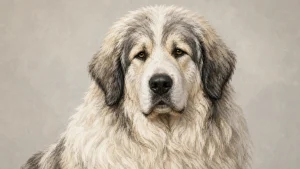
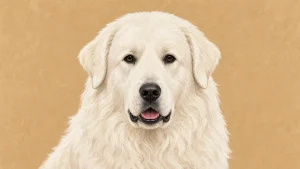
To maintain a Great Pyrenees’ majestic double coat, dedicate at least 30 minutes weekly to thorough brushing using an undercoat rake and slicker brush. They only require baths every few months, as their fur is naturally dirt-resistant. Never shave them, as their coat provides essential insulation.
Grooming need: 7 / 10
Are Great Pyrenees low-maintenance dogs?
Great Pyrenees are not low-maintenance dogs. While they have low indoor energy, their thick double coats require weekly brushing and they are heavy year-round shedders. Their independent nature makes training a challenge, and they need significant space and attention to manage their frequent barking and protective instincts.
Low-maintenance: 2 / 10
How big do Great Pyrenees get?
Great Pyrenees are powerful, giant dogs with a substantial and majestic build. Adult males typically stand 27 to 32 inches tall and weigh 100 to 160 pounds, while females reach 25 to 29 inches and weigh 85 to 110 pounds. Their thick, white double coats often make them appear even larger.
Size: 10 / 10
When do Great Pyrenees stop growing?
Great Pyrenees reach full height by 12 months but fill out until 24 months, with some sources indicating up to 3 years for full maturity. They reach full height by 12 months but fill out until 24 months, with some sources indicating up to 3 years for full maturity.
Growth timeline: 10 / 10
How much should a Great Pyrenees eat?
Adult Great Pyrenees typically require 4 to 6 cups of high-quality dry food daily, divided into two meals. While 4 to 6 cups is standard, some Great Pyrenees may eat relatively small amounts for their size; avoid overfeeding as they are prone to obesity and avoid vigorous exercise around mealtimes.
Feeding amount: 10 / 10
How often should a Great Pyrenees puppy eat?
Great Pyrenees puppies require three to four small meals daily to support their rapid growth and prevent bloat. As they reach six months, you can transition them to two meals per day. Always use a high-quality large-breed puppy formula until 18-24 months to support their slow growth rate. Recommend feeding large-breed puppy formula until 18-24 months to support their slow growth rate.
Puppy feeding frequency: 1 / 10
Vet Insights
Great Pyrenees are giant, independent guardians reaching physical maturity by age 2–3. They are heavy year-round shedders with thick double coats requiring weekly 30-minute brushing sessions and consistent portion control of 4 to 6+ cups of daily food to maintain their powerful build.