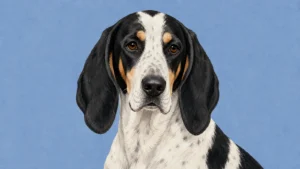
Great Pyrenees Health and Costs
Breed Group
Working Dogs
Country of Origin
France
Breed Size
Giant
AKC Recognition
Yes, recognized in 1933
FCI Recognition
Yes, recognized in 1955
Rarity
Very Common2 / 10
Purchase cost
Moderate5 / 10
Life expectancy
Moderate Lifespan5 / 10
Health
Notable health concerns3 / 10
Health problem risk
High health burden7 / 10
Maintenance cost
Average maintenance cost5 / 10
A Veterinarian's Guide
Great Pyrenees Health Problems and Costs
The Great Pyrenees was bred to guard livestock alone on mountainsides, and its size, deep chest, and thick white coat all trace back to that job. That giant-breed build is also the source of most of its real health risks. Knowing them before you bring a puppy home, or while you already share your life with one, makes screening and vet visits much easier to plan.
In this guide
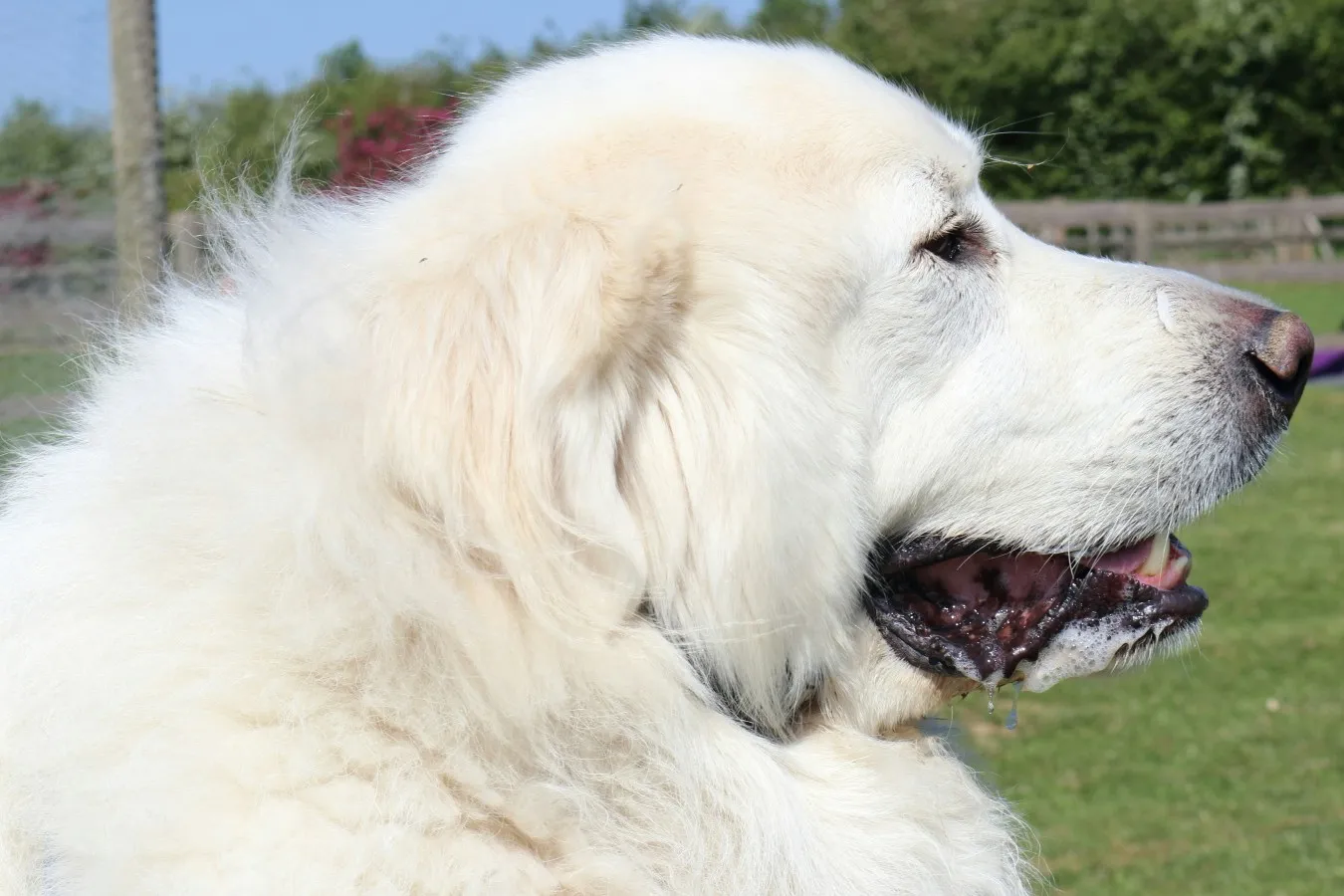
Why Is Bloat Such a Serious Risk for Great Pyrenees?
Bloat, medically gastric dilatation-volvulus, happens when the stomach fills with gas and twists on itself. The word volvulus comes from the Latin volvere, "to twist." The twist cuts off blood flow, and large, deep-chested dogs such as the Great Pyrenees are at higher risk than the general dog population. It can become fatal within hours, and surgery is the only way to correct a twisted stomach.
- 01
Swollen belly
The abdomen looks tight, rounded, or hard.
- 02
Unproductive retching
Straining to vomit with little or nothing coming up.
- 03
Restlessness and drooling
Pacing, drooling, or being unable to settle.
- 04
Sudden collapse
The dog becomes weak, pale, or collapses.
Feeding two smaller meals rather than one large one and avoiding vigorous exercise around mealtimes are commonly advised, though no precaution removes the risk. Many owners discuss a preventive gastropexy with their vet. The word comes from the Greek gaster, "stomach," and pexis, "fixing in place." The surgery tacks the stomach to the abdominal wall, often at the same time as a spay or neuter, and it stops the stomach from twisting. VCA's guide to bloat covers the details.
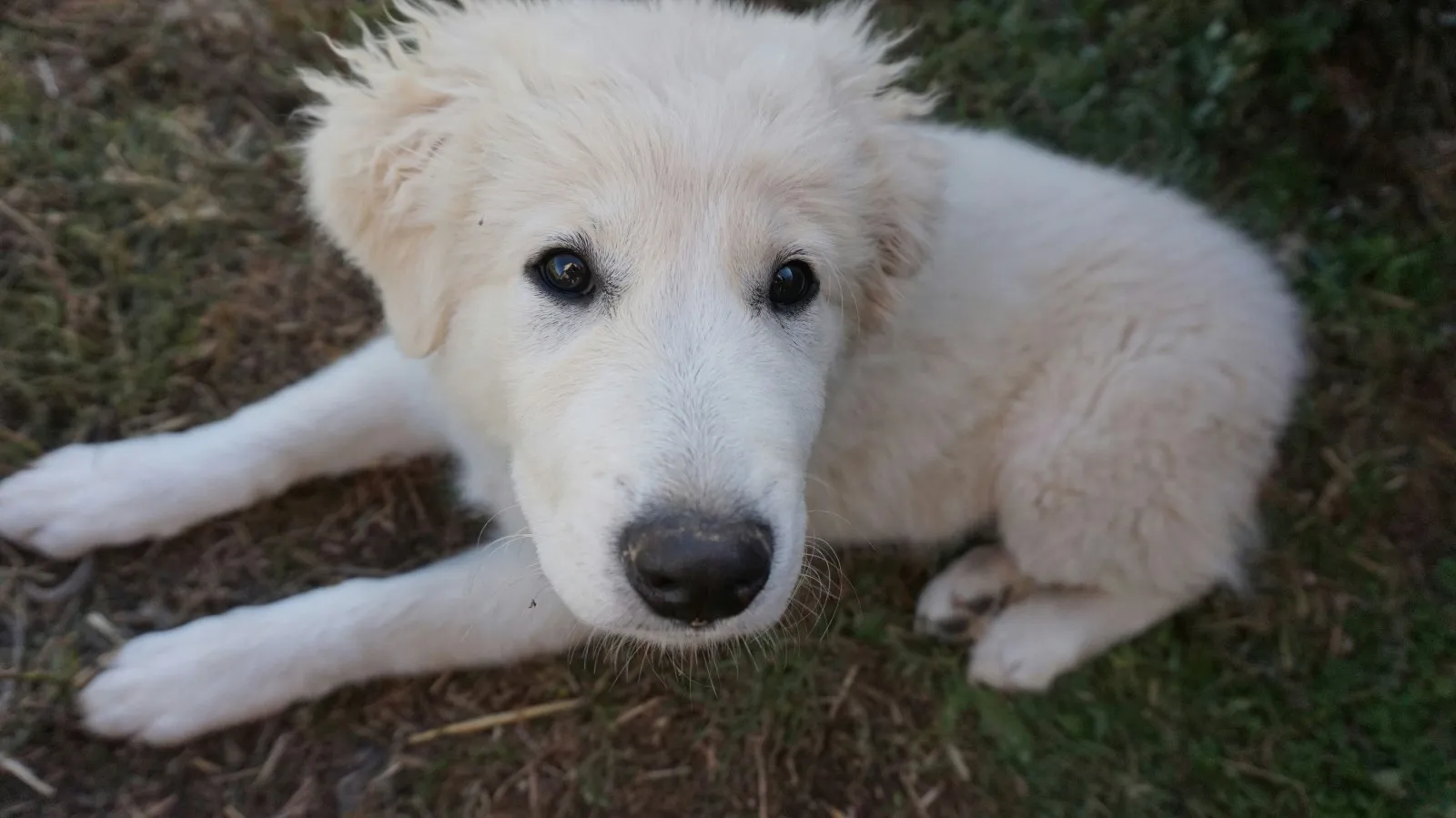
What Joint Problems Do Great Pyrenees Get?
Hip dysplasia is an inherited malformation in which the ball of the thigh bone does not fit snugly in the hip socket, leading to uneven wear, pain, and arthritis. Elbow dysplasia is a similar problem in the elbow. The word comes from the Greek dys, "abnormal," and plasis, "formation." A certified hip screening gives an objective picture before lameness appears, and VCA's overview of hip dysplasia explains how vets manage it.
Patellar luxation is a kneecap that slips out of its normal groove, and VCA's guide to luxating patella covers the grades and treatment. Osteochondritis dissecans, a condition in which a piece of joint cartilage separates from the underlying bone, can also affect fast-growing large-breed puppies.
Growth rate matters in puppies of this size. Feeding a large-breed puppy diet and avoiding extra calcium or calorie-dense supplements keeps growth steady, which is easier on young joints. Keeping an adult lean also helps, since extra weight multiplies stress on an already large frame.
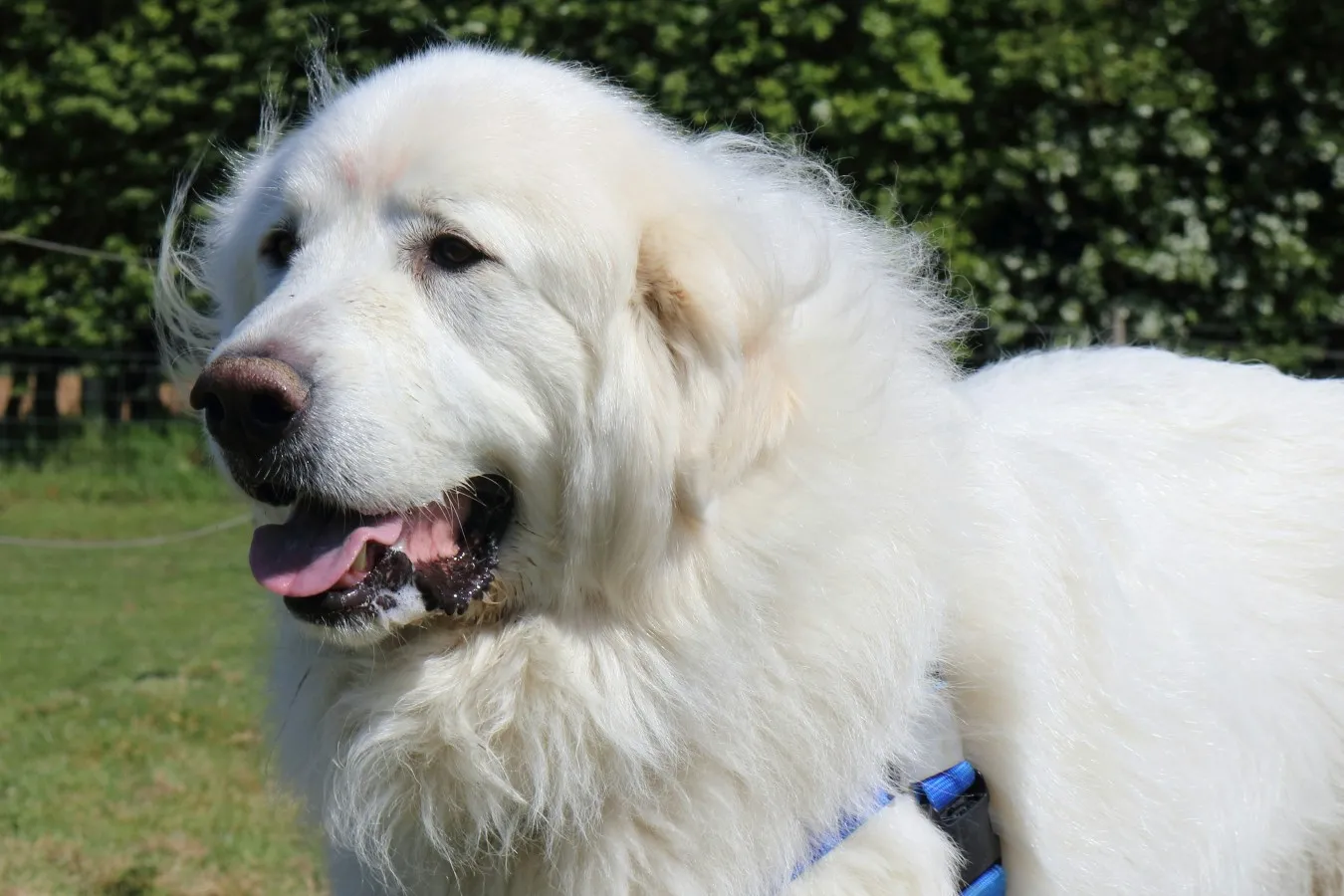
Should You Watch for Bone Cancer and Eyelid Problems?
Persistent limb swelling or a limp that does not improve with rest needs a prompt veterinary exam in a giant breed rather than a wait-and-see approach.
Osteosarcoma is an aggressive bone cancer that occurs more often in large and giant breeds. The word comes from the Greek osteon, "bone," sarx, "flesh," and -oma, "tumor." Diagnosis usually involves imaging and often a biopsy, and VCA's guide to osteosarcoma explains the disease in more detail.
Entropion is an eyelid that rolls inward so the lashes rub the eye's surface. The word comes from the Greek en, "in," and trepein, "to turn." Mild cases are sometimes just monitored, while entropion that irritates the cornea usually needs surgery, as VCA's guide to entropion describes. None of these conditions are universal, and most Great Pyrenees live full, active lives.
What Does Managing a Great Pyrenees' Health Actually Cost?
| Condition or Need | Typical Cost Range | Notes |
|---|---|---|
| Routine wellness care | $300 to $500 a year | Dosing and anesthesia scale with weight |
| Preventive gastropexy | $400 to $800 | When done with a spay or neuter |
| Hip or elbow imaging and care | $300 to $2,000 | Depends on severity |
| Emergency bloat surgery | $3,500 to $8,000 | Life-threatening, higher for a giant dog |
These ranges are rough estimates and vary by clinic and region. The gap between a planned gastropexy and an emergency surgery is large, and pet insurance is worth pricing while your dog is young and healthy.
Questions to Ask a Breeder Before Buying a Puppy
The AKC lists recommended health tests for working breeds, and for the Great Pyrenees these are a hip evaluation and a patella evaluation. Ask to see written results for both parents, and ask about bloat or bone cancer in close relatives. A breeder who shares results openly is usually a better sign than one who brushes the questions aside.
Daily Life With a Great Pyrenees
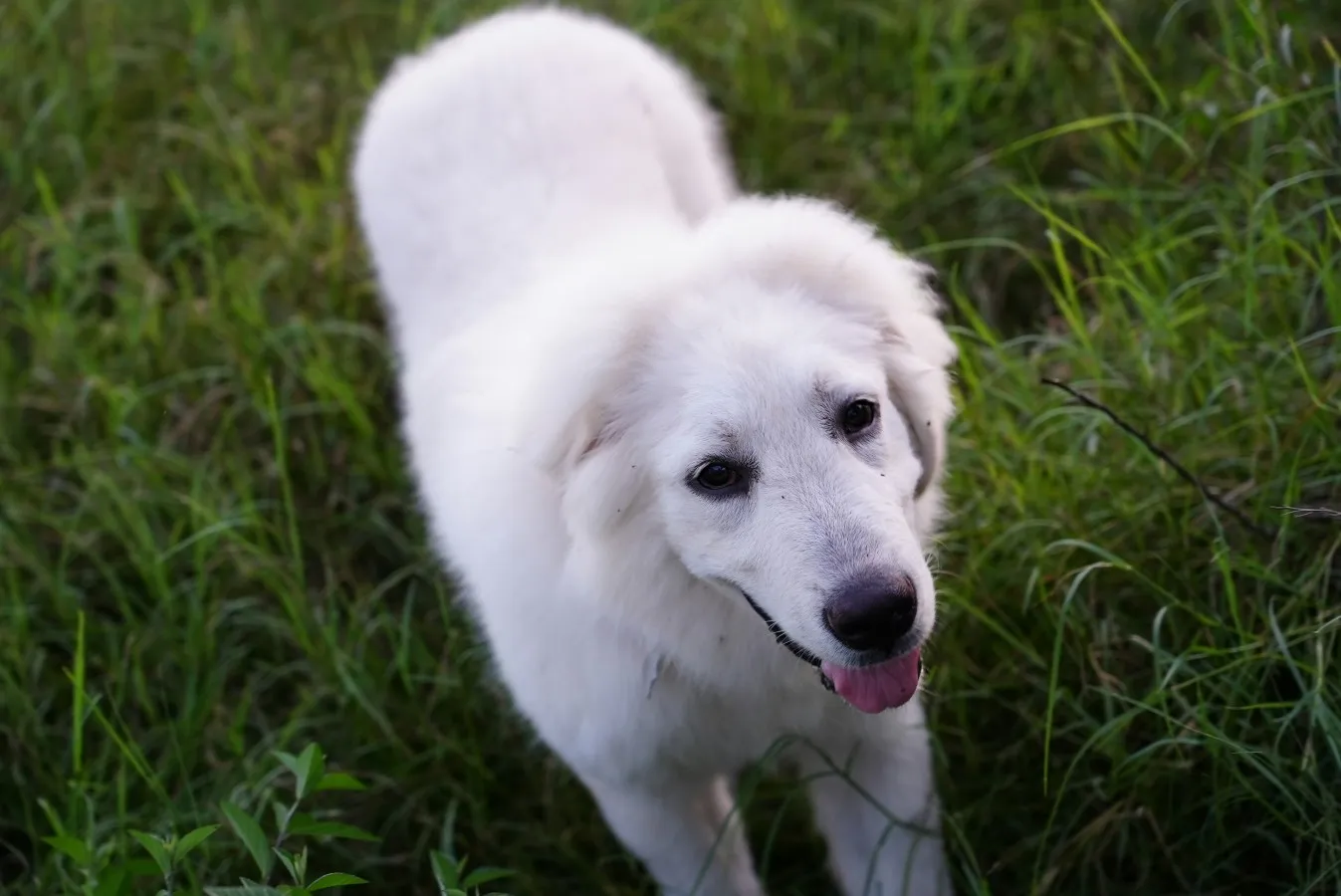
Great Pyrenees are large and independent, so even routine care, medication dosing, and trips to the vet look different than for a mid-sized dog. The thick double coat is covered in the grooming profile, and the personality profile describes the calm, watchful temperament. Early, patient training and gentle handling practice from puppyhood make vet visits easier for a dog this size.
Offer shade, fresh water, and a cool resting spot in hot weather, as for any thick-coated dog. Brush the coat regularly rather than shaving it, and feed measured meals to keep weight in check.
Keeping Your Great Pyrenees Healthy for the Long Run
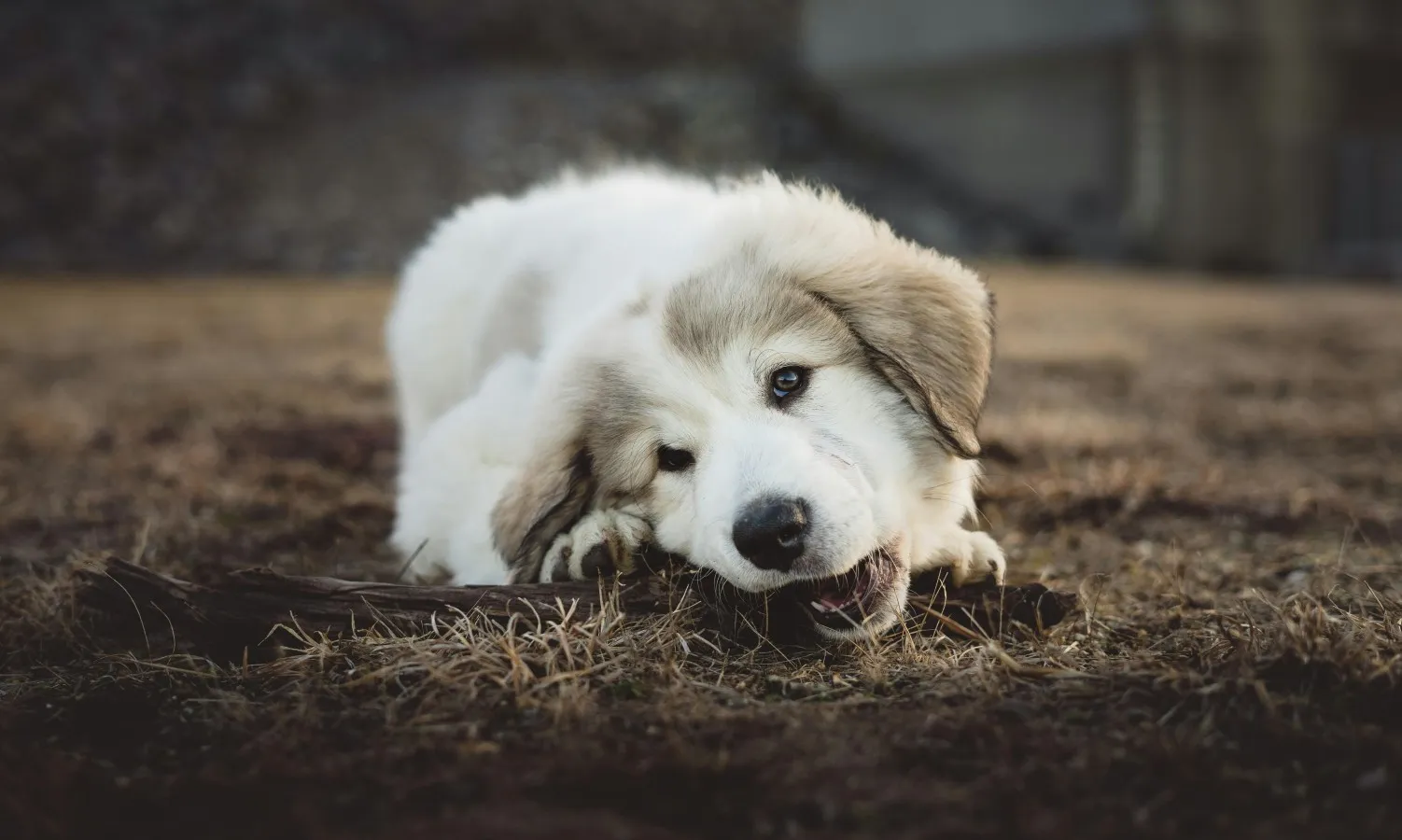
Screen hips and knees, discuss a preventive gastropexy with your vet, and feed smaller meals. Report a new limp early. Many Great Pyrenees live 10 to 12 years.
Final Thoughts From a Veterinarian
Great Pyrenees are gentle giants with a short list of real, size-related risks. Ask your vet about preventive gastropexy, keep puppy growth steady, and report limps early. Budget roughly $180 to $850 a month. Your veterinarian can tailor the plan.
Health & Costs FAQ
How much do Great Pyrenees cost?
The cost for a Great Pyrenees puppy from a reputable breeder typically ranges from $1,000 to $2,500. Adoption through rescues is a more budget-friendly option, costing between $100 and $500. Prospective owners must also consider significant ongoing expenses for high-quality food, grooming, and specialized large-breed veterinary care.
Purchase cost: 5 / 10
How long do Great Pyrenees live?
Great Pyrenees commonly live around 10 to 12 years, which is typical for a giant breed. Keeping them lean and screening for joint and bloat risks supports a longer, more comfortable life.
Life expectancy: 5 / 10
Are Great Pyrenees healthy dogs?
Great Pyrenees have notable health concerns tied to their giant size. Life-threatening bloat, hip and elbow dysplasia, patellar luxation, and bone cancer are the main risks. Breeder hip and patella screening, slow puppy growth, and weight management are the best protection.
Health: 3 / 10
What health problems do Great Pyrenees have?
Bloat, hip and elbow dysplasia, patellar luxation, and bone cancer are the main concerns, with entropion (an inward-rolling eyelid) also reported. Regular veterinary check-ups, hip and patella screening, and a preventive gastropexy discussion are worthwhile.
Health problem risk: 7 / 10
Are Great Pyrenees expensive to maintain?
Great Pyrenees have average maintenance costs for a giant breed. Food can reach about $150 a month, the thick coat needs regular brushing or occasional professional grooming, and medication dosing and anesthesia scale with body weight, so veterinary bills run higher than for small dogs.
Maintenance cost: 5 / 10
How much does it cost to own a Great Pyrenees per month?
Monthly ownership costs are $180-$850.
Monthly ownership cost: 5 / 10
How much does pet insurance cost for a Great Pyrenees?
Pet insurance for a Great Pyrenees typically ranges from $45 to $100 per month. Costs vary based on age, location, and coverage limits. Due to their giant size and predisposition to expensive conditions like bloat and hip dysplasia, insurance is highly recommended to manage unexpected medical expenses.
Pet insurance cost: 5 / 10
Will homeowners insurance cover a Great Pyrenees?
Yes, most homeowners insurance policies cover the Great Pyrenees, as they are generally not on restricted breed lists. However, since they are large dogs, it is important to disclose them to your provider and verify that your liability limits adequately cover any potential incidents.
Homeowners insurance difficulty: 7 / 10
Are Great Pyrenees on insurance restricted breed lists?
No, Great Pyrenees are not typically found on insurance restricted-breed lists. While they are a large and protective breed, they are generally not classified as high-risk by most insurers. However, always check with your specific provider, as individual companies may have varying policies regarding giant breeds.
Insurance restriction risk: 2 / 10
Can you get renters insurance with a Great Pyrenees?
Yes, you can typically get renters insurance with a Great Pyrenees. While not commonly on restricted lists, their massive size and guardian instincts may lead some insurers to adjust premiums. Always be transparent with your provider to ensure you have full liability coverage and check your lease for weight restrictions.
Renters insurance difficulty: 8 / 10