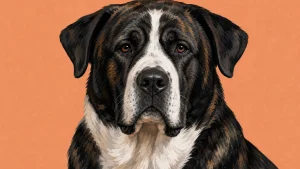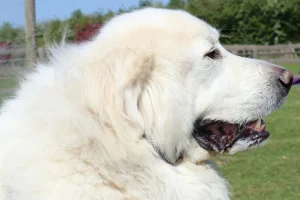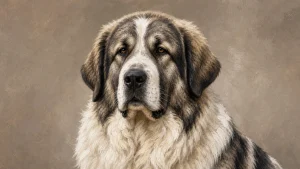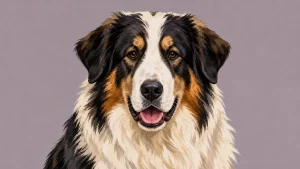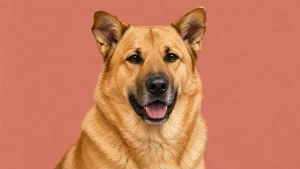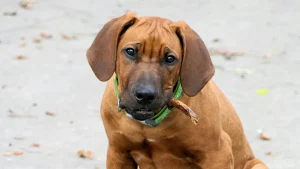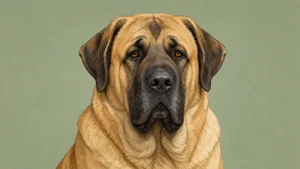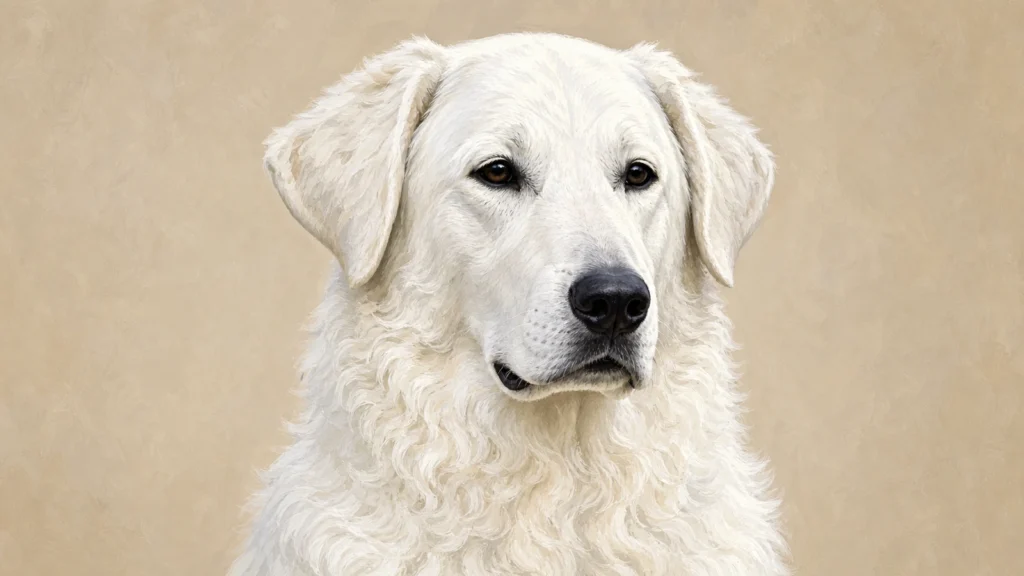
Kuvasz
Breed Group
Working Dogs
Country of Origin
Hungary
Breed Size
Giant
AKC Recognition
Yes, recognized in 1931
FCI Recognition
Yes, recognized in 1954
Family dog
Not Recommended1 / 10
Good with kids
Not Recommended1 / 10
First-time owner
Poor2 / 10
Apartment dog
Poor2 / 10
Yard need
Average5 / 10
Can be left alone
Not Recommended1 / 10
What Do Owners Want to Know?
Are Kuvasz good family dogs?
The Kuvasz is a loyal and devoted family dog that forms deep bonds with its "pack" and serves as a natural protector. However, due to their large size and strong guarding instincts, they are best suited for experienced owners who can provide consistent training and early socialization.
Family dog: 1 / 10
Are Kuvasz good with kids?
Kuvaszes are deeply loyal and naturally protective of their family, often showing a special interest in children. While they can be gentle and affectionate playmates, their large size and strength mean they should be supervised with younger children to prevent accidental injury. Early socialization is essential to ensure they can distinguish between normal play and actual threats, especially when visiting children are involved.
Good with kids: 1 / 10
Are Kuvasz good for first-time owners?
Kuvaszes are generally not recommended for first-time owners due to their independent, stubborn nature and strong guarding instincts. They require experienced handlers who can provide firm, consistent leadership and extensive early socialization to manage their large size and protective temperament effectively.
First-time owner: 2 / 10
Are Kuvasz good apartment dogs?
Kuvaszes are not recommended for apartment living due to their massive size, high energy levels, and strong guarding instincts. They thrive best in rural or suburban environments with large, securely fenced yards where they have ample room to roam, patrol, and exercise their independent nature.
Apartment dog: 2 / 10
Do Kuvasz need a yard?
A large, securely fenced yard is highly recommended for the Kuvasz, as they are a large-scale guardian breed that thrives in rural settings with ample space to roam and patrol. While they are relatively calm indoors, a secure outdoor area is essential to accommodate their size and historical instinct to monitor boundaries. They are not suited for apartment living or small, enclosed yards without sufficient mental and physical stimulation.
Yard need: 5 / 10
Can Kuvasz be left alone?
Kuvaszes are deeply devoted guardians that bond closely with their families and are prone to separation anxiety if left alone for extended periods. They thrive best in households where they are included in daily activities, as prolonged isolation can lead to anxiety and destructive behaviors.
Can be left alone: 1 / 10
Are Kuvasz good with cats?
They are primarily a one-family dog and may be suspicious of animals outside their 'pack'.
Good with cats: 3 / 10
Are Kuvasz aggressive?
Kuvaszok are not naturally aggressive but possess a fierce protective instinct that can lead to territorial aggression or suspicion toward strangers. As large guardian dogs, they may be hostile toward unfamiliar people or animals within their territory. Early, extensive socialization and consistent, firm leadership are essential to manage these instincts and ensure they can distinguish between normal activities and actual threats.
Aggression tendency: 2 / 10
Are Kuvasz high-energy dogs?
Kuvaszes are high-energy working dogs that require significant daily exercise and mental stimulation to thrive. Originally bred as independent guardians, they possess great stamina and need regular activities like long walks, hiking, or roaming a large, secure yard to prevent boredom-related behaviors such as digging or barking.
Energy level: 8 / 10
How much exercise does a Kuvasz need?
Kuvaszes require significant daily exercise, typically needing around 60 to 90 minutes of activity to stay healthy and engaged. As a large-scale guardian breed with great stamina, they benefit from long walks, hiking, and the freedom to roam and patrol a large, securely fenced yard. Incorporating mental stimulation and consistent training is essential to prevent boredom-driven behaviors like digging, though high-impact activities should be limited until the dog is fully mature at two years of age to protect their developing joints.
Exercise need: 8 / 10
Can Kuvasz live in hot weather?
Kuvaszok have a low tolerance for hot weather and humidity due to their thick, insulating double coats. They are prone to suffering in high temperatures and will actively seek the coolest spots or air-conditioned areas to regulate their body temperature. Owners must provide constant shade, fresh water, and avoid strenuous exercise during peak sun hours, as their heavy fur traps heat and can lead to rapid overheating.
Hot weather tolerance: 3 / 10
Can Kuvasz live in cold weather?
Kuvaszes are well-suited for cold weather thanks to their thick, insulating double coats originally developed for harsh Siberian climates. While they tolerate freezing temperatures well, owners should still provide dry shelter and monitor for signs of discomfort during extreme or prolonged exposure to the elements.
Cold weather tolerance: 9 / 10
Are Kuvasz banned in apartments or rentals?
Kuvaszes are frequently subject to apartment breed bans and restrictions due to their giant size and strong guarding instincts. Their weight often far exceeds standard rental limits, and insurance companies may classify large-scale guardian breeds as high-risk liabilities. Prospective owners should always verify specific landlord policies and weight restrictions before considering this breed for a rental property.
Rental restriction risk: 2 / 10
Vet Insights
The Kuvasz is a noble and loyal guardian, but their giant size and genetic history necessitate proactive veterinary care. As a veterinarian, I focus on screening for hip and elbow dysplasia, which are common in large, fast-growing breeds. It is also critical to monitor for Gastric Dilatation-Volvulus (GDV or bloat), a life-threatening emergency; I recommend feeding multiple small meals and avoiding vigorous exercise around feeding times. Additionally, this breed is predisposed to hypothyroidism and osteochondritis dissecans (OCD). Given their thick double coats, owners must be vigilant against overheating in warm weather and maintain a lean weight to minimize stress on their joints.