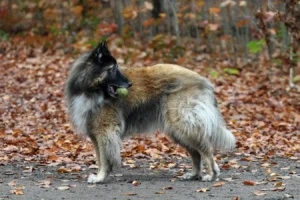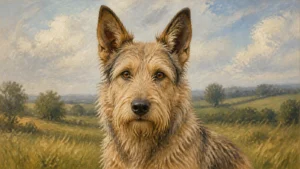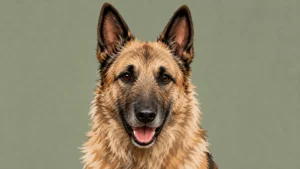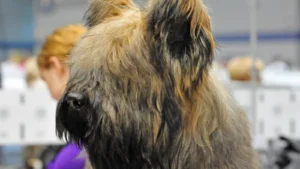
Polish Lowland Sheepdog
Breed Group
Herding Dogs
Country of Origin
Poland
Breed Size
Medium
AKC Recognition
Yes, recognized in 2001
FCI Recognition
Yes, recognized in 1954
Family dog
Very Good8 / 10
Good with kids
Good8 / 10
First-time owner
Not Recommended1 / 10
Apartment dog
Average5 / 10
Yard need
Average5 / 10
Can be left alone
Poor2 / 10
What Do Owners Want to Know?
Are Polish Lowland Sheepdog good family dogs?
The Polish Lowland Sheepdog is an excellent companion for active families due to its loyal, protective nature and playful spirit with children. However, their high energy levels and stubborn streak require owners who can commit to consistent training and significant daily exercise.
Family dog: 8 / 10
Are Polish Lowland Sheepdog good with kids?
Polish Lowland Sheepdogs are generally excellent with children, known for being patient, gentle, and tireless playmates. While their strong herding instinct might lead them to try to round up small children, early socialization and consistent training ensure they remain devoted and affectionate family companions.
Good with kids: 8 / 10
Are Polish Lowland Sheepdog good for first-time owners?
Polish Lowland Sheepdogs are not ideal for first-time owners due to their stubborn nature, high energy, and intense grooming requirements. While they are loyal and intelligent, they require an experienced handler who can provide firm, consistent training and significant mental and physical stimulation. Novices who are committed to extensive exercise and professional grooming may succeed, but they must be prepared for the breed's independent streak.
First-time owner: 1 / 10
Are Polish Lowland Sheepdog good apartment dogs?
Polish Lowland Sheepdogs can adapt to apartment living if their significant physical and mental exercise needs are met. While their compact size is manageable for smaller spaces, they are vocal dogs with a high tendency to bark and require 1 to 2 hours of daily activity to prevent boredom and destructive behavior. Owners must be committed to providing ample indoor enrichment and multiple long walks or off-leash runs.
Apartment dog: 5 / 10
Do Polish Lowland Sheepdog need a yard?
A yard is not strictly required for a Polish Lowland Sheepdog, as they can adapt to apartment living if their high physical and mental exercise needs are met. However, because they are high-energy working dogs, a fenced yard is highly beneficial to provide a safe space for the 1 to 2 hours of daily active engagement and mental stimulation they require to prevent boredom and destructive behaviors.
Yard need: 5 / 10
Can Polish Lowland Sheepdog be left alone?
Polish Lowland Sheepdogs are intelligent and independent workers capable of spending time alone, but they are prone to separation anxiety if isolated for too long. While they can manage moderate periods of solitude if well-exercised and mentally stimulated, they thrive best in households where they have frequent company and a consistent daily routine to prevent boredom and destructive behaviors.
Can be left alone: 2 / 10
Are Polish Lowland Sheepdog good with cats?
Polish Lowland Sheepdogs typically coexist well with cats, particularly when socialized early. While their herding instincts might occasionally prompt them to chase or "herd" feline companions, they generally view other household pets as part of their family pack. Consistent training and supervised introductions are recommended to ensure a calm and cooperative relationship.
Good with cats: 8 / 10
Are Polish Lowland Sheepdog aggressive?
Polish Lowland Sheepdogs are not naturally aggressive but possess strong protective instincts and a self-assured personality. While loyal to their families, they can be wary of strangers and may use their herding instincts to nip at heels if not properly trained. Consistent leadership and early socialization are essential to ensure their guarding tendencies remain manageable and they stay well-behaved companions.
Aggression tendency: 3 / 10
Are Polish Lowland Sheepdog high-energy dogs?
Polish Lowland Sheepdogs are high-energy working dogs that require substantial daily exercise and mental stimulation. They thrive with at least one to two hours of active engagement, such as long walks, interactive play, or dog sports, to satisfy their intelligent minds and prevent boredom.
Energy level: 9 / 10
How much exercise does a Polish Lowland Sheepdog need?
Some sources recommend over 2 hours of activity for this high-energy working breed.
Exercise need: 9 / 10
Can Polish Lowland Sheepdog live in hot weather?
Polish Lowland Sheepdogs have a moderate tolerance for hot weather, but their thick, shaggy double coats make them prone to overheating. Owners should manage their coat with regular brushing to improve air circulation and avoid strenuous exercise during peak heat hours. Providing constant access to shade and fresh water is essential for their safety and comfort in warm climates.
Hot weather tolerance: 3 / 10
Can Polish Lowland Sheepdog live in cold weather?
Polish Lowland Sheepdogs are exceptionally well-suited for cold weather thanks to their dense, shaggy double coats and soft, insulating undercoats. Originally bred to work in the harsh Polish lowlands, their water-resistant fur provides excellent protection against freezing temperatures and damp conditions. While they thrive in the snow, owners should still monitor for ice buildup in their long paw hair and ensure they have a warm place to retreat after extended outdoor activity.
Cold weather tolerance: 10 / 10
Are Polish Lowland Sheepdog banned in apartments or rentals?
Polish Lowland Sheepdogs are rarely subject to breed-specific bans in apartments, as they are a lesser-known breed and not typically categorized as aggressive. However, their vocal nature and tendency to bark may be a concern for landlords in close-living environments. As with any medium-sized breed, always verify specific rental policies regarding weight limits, noise ordinances, or individual insurance requirements before applying.
Rental restriction risk: 5 / 10
Vet Insights
Polish Lowland Sheepdogs are generally robust, but as a veterinarian, I focus on screening for hip dysplasia and hereditary eye conditions, particularly Progressive Retinal Atrophy (rcd4-PRA), which can lead to late-onset blindness. They are also predisposed to hypothyroidism, cataracts, and occasionally diabetes or heart defects like Patent Ductus Arteriosus. Because of their thick double coats, they are prone to overheating in warm weather, so maintaining a shorter clip or regular brushing is essential for temperature regulation. Additionally, their high intelligence and food-motivated nature make them prone to obesity, which can exacerbate joint issues, so I emphasize strict weight management and providing ample mental stimulation to prevent destructive behaviors.