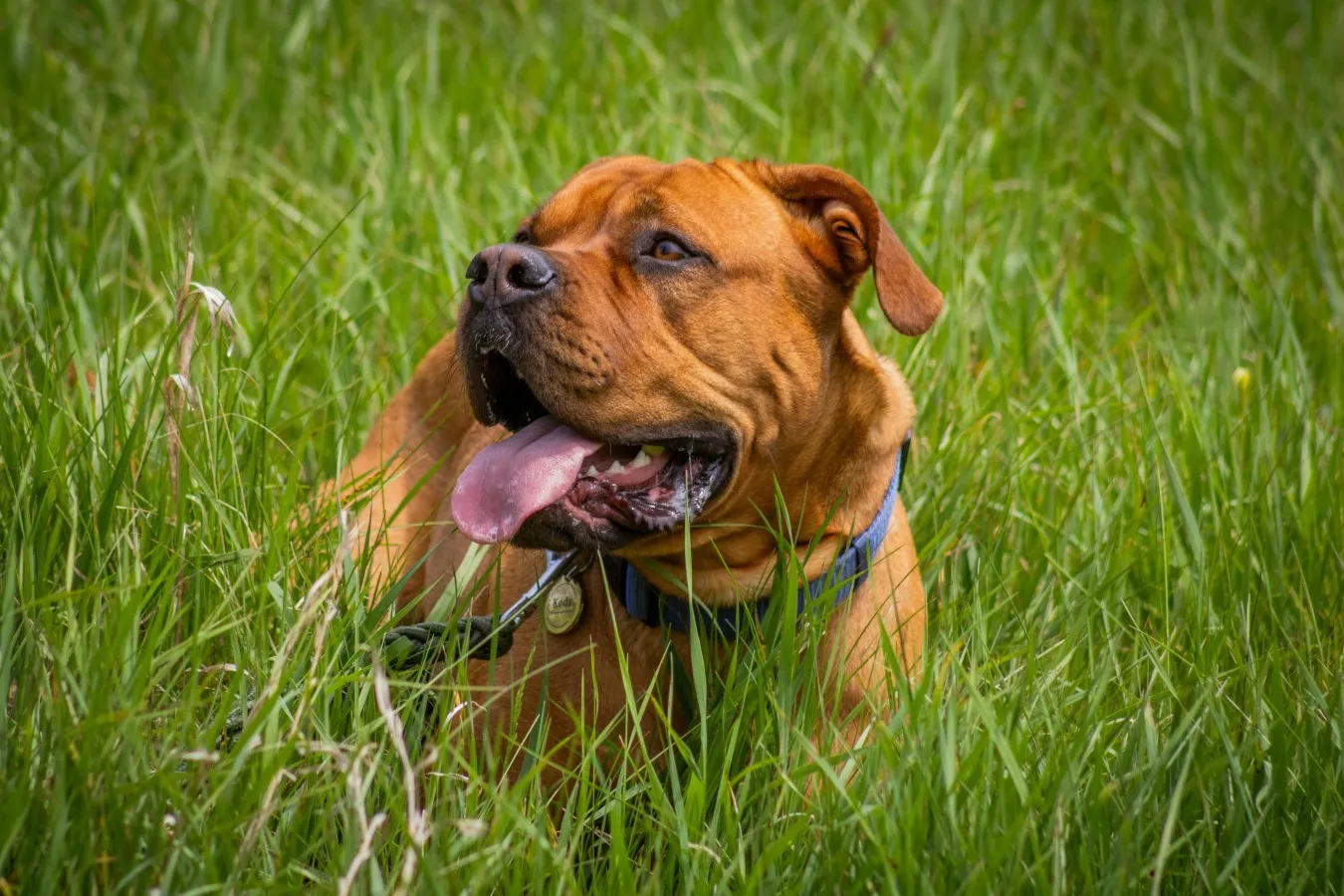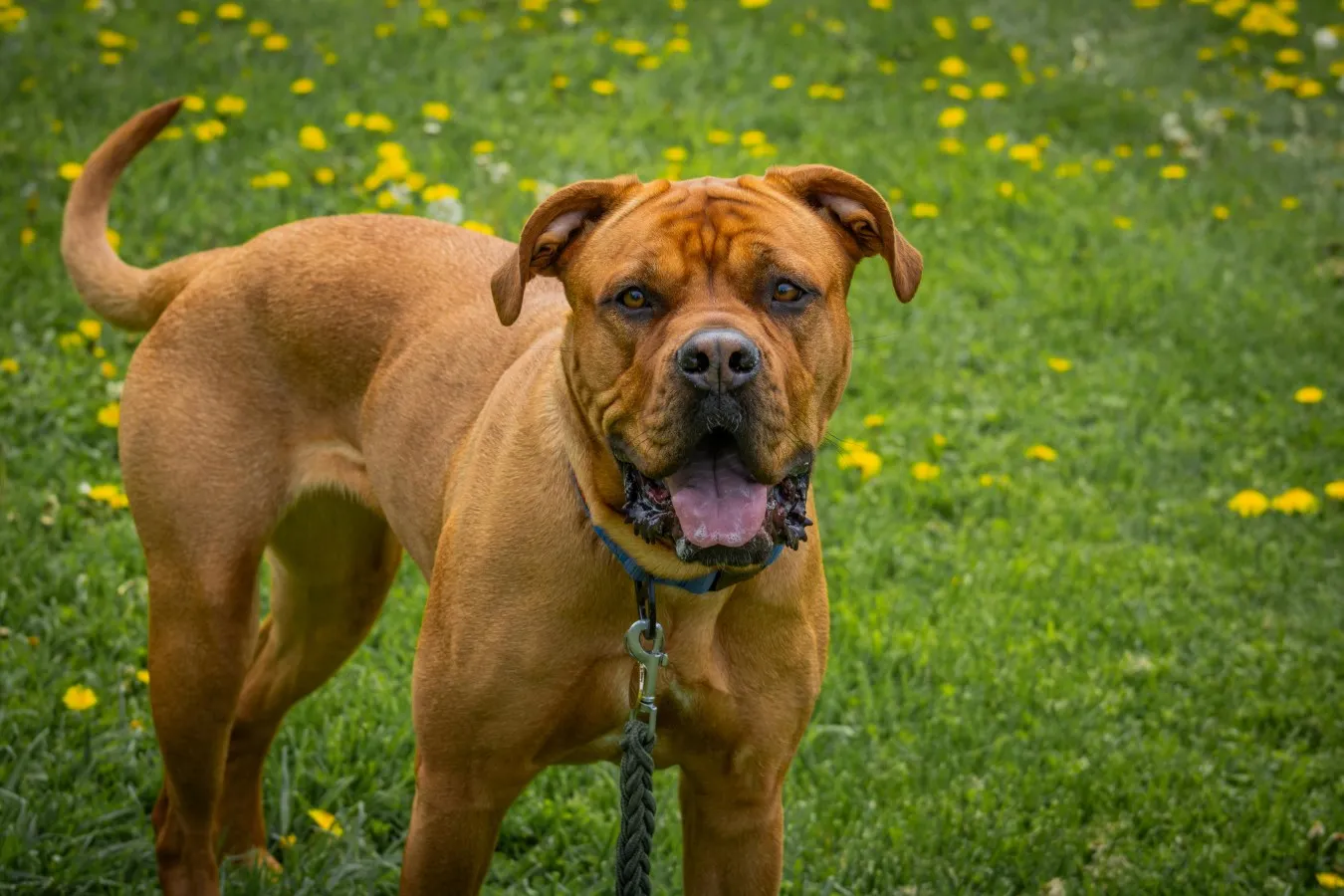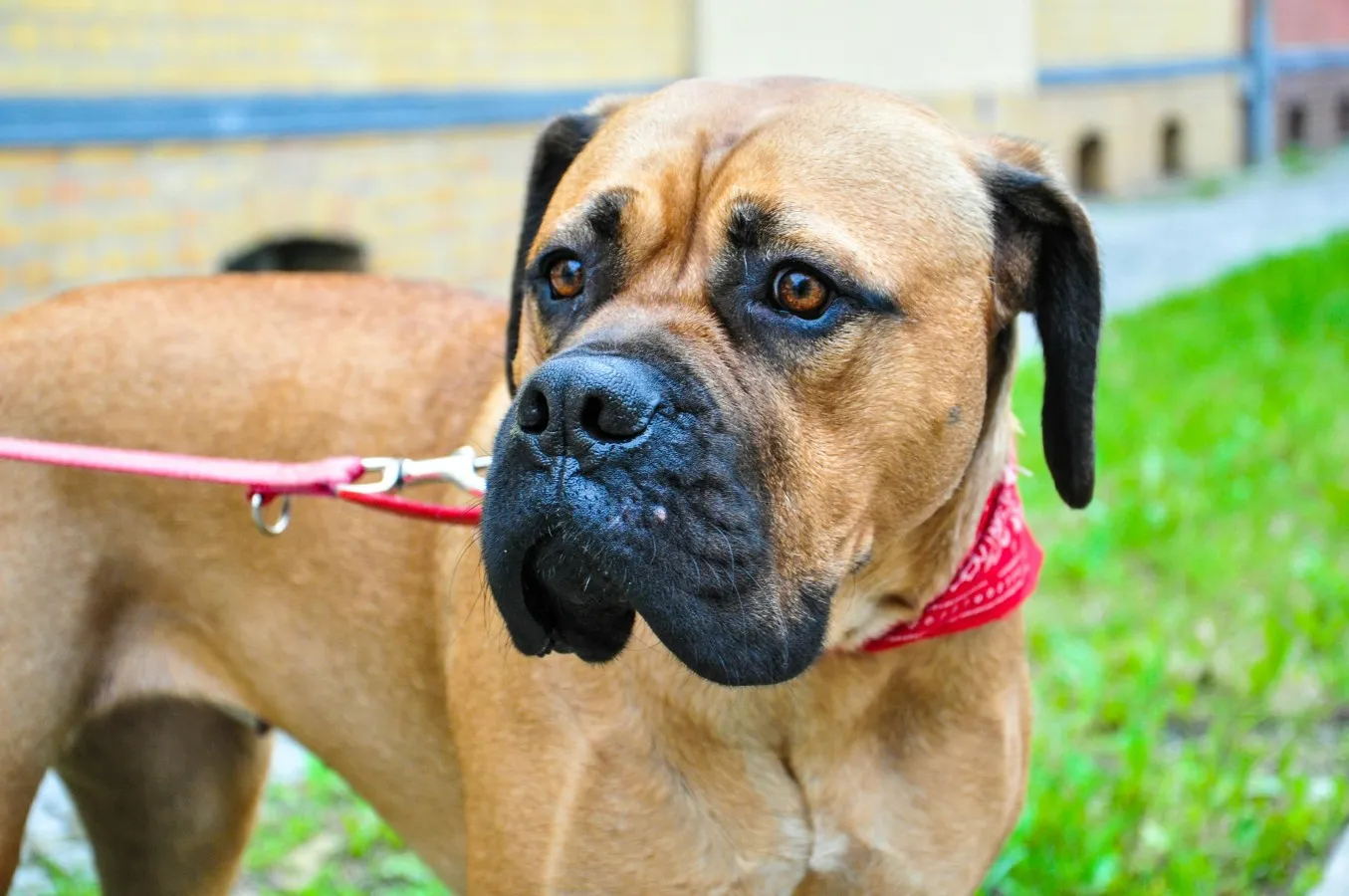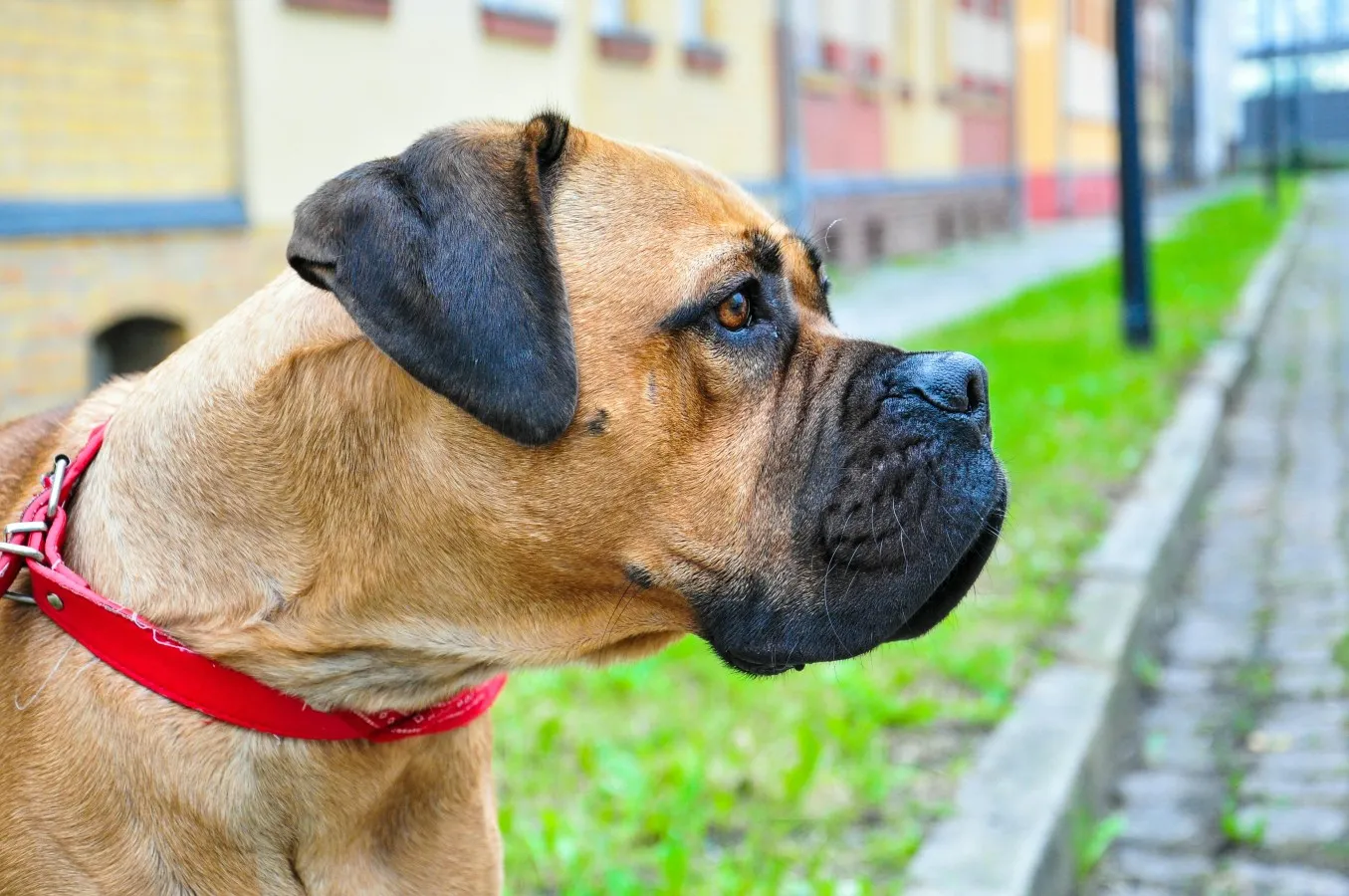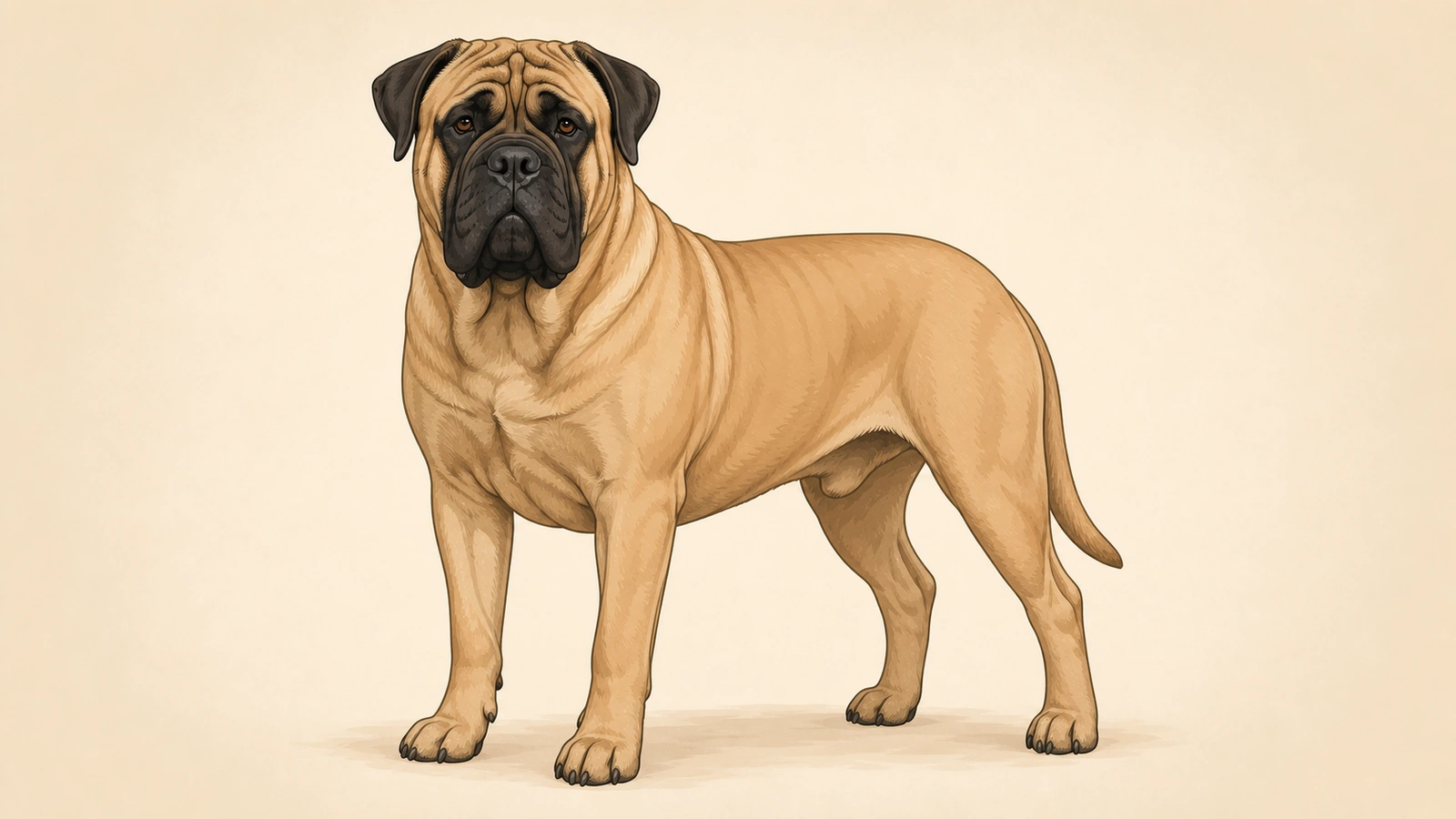
Bullmastiff - MAIN HUB
BREED GROUP
Working Dogs
Country of origin
United Kingdom
BREED SIZE
Giant
BREED HEIGHT
24 -
27 IN
61 -
69 cm
BREED WEIGHT
100 -
130 LB
45 -
59 KG
WHAT YOU NEED TO KNOW
american kennel club (AKC) recognition
Yes
Breed was recognized in 1933.

International Canine Federation (FCI) recognition
Yes
Breed was recognized in 1955.
WHAT DO OWNERS WANT TO KNOW?
Are Bullmastiffs good family dogs?
Excellent
10 out of 10
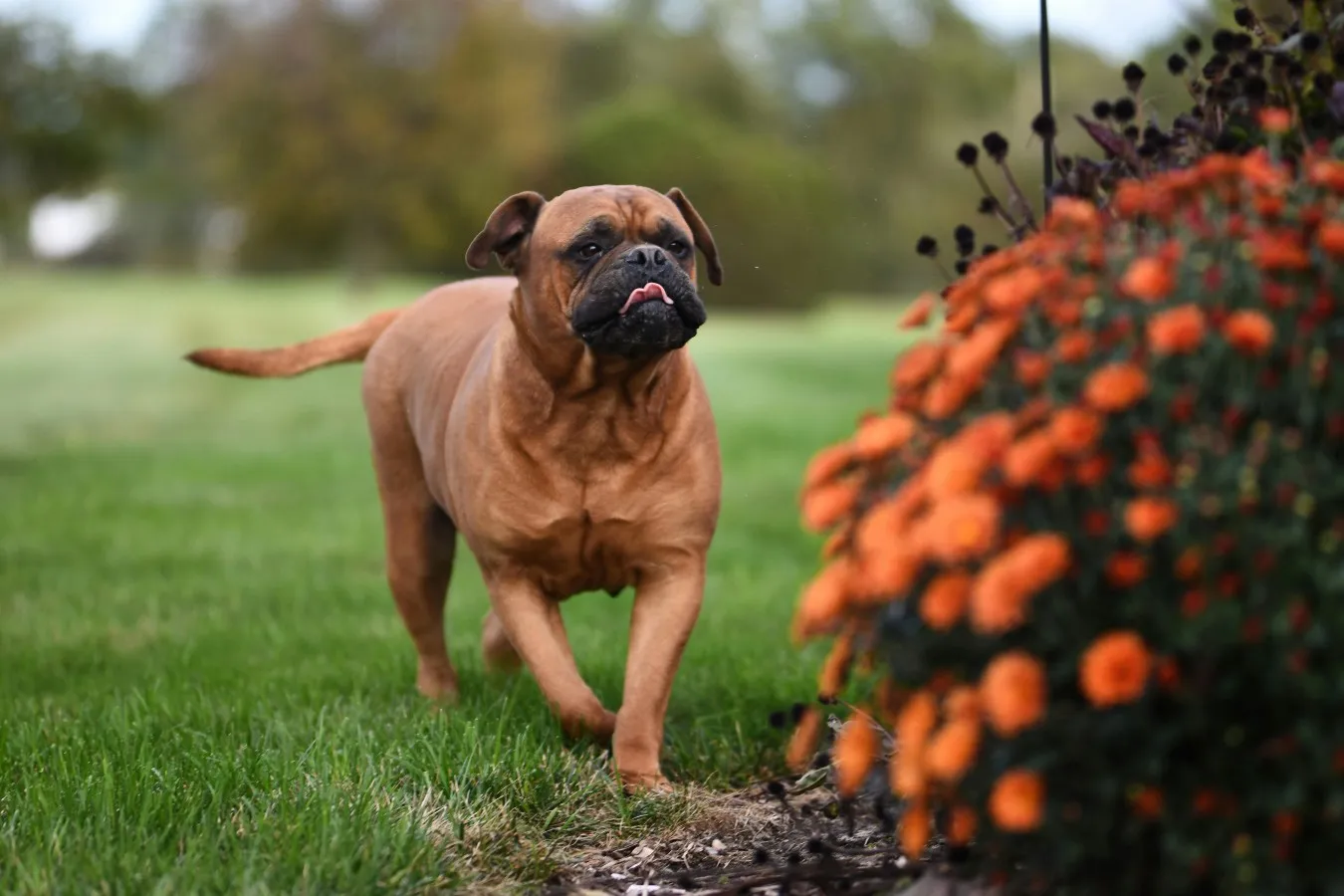
Bullmastiffs make excellent family companions as they are deeply affectionate, patient, and known as gentle giants. While they are calm indoors and bond closely with their owners, their massive size necessitates supervision around small children to ensure safety. They thrive best in homes with experienced owners who can provide the consistent training and socialization needed for their protective nature.
Are Bullmastiffs good with kids?
Excellent
10 out of 10
Bullmastiffs are excellent with children, often described as patient and gentle giants. They form deep bonds with their families and are naturally protective. Due to their massive size and strength, supervision is necessary around toddlers to prevent accidental knock-overs, and early socialization is key for a well-mannered pet.
Are Bullmastiffs good dogs for first time owners?
Not Recommended
1 out of 10
Bullmastiffs are not recommended for first-time owners due to their massive size, independent nature, and strong guarding instincts. They require a confident, experienced handler who can provide firm, consistent leadership and early socialization to manage their strength and protective tendencies effectively. Although they are calm "couch potatoes" indoors, the commitment to training and managing a large, powerful breed can be overwhelming for a novice.
Are Bullmastiffs good apartment dogs?
Good
6 out of 10
Bullmastiffs can be surprisingly good apartment dogs despite their massive size. Known as "couch potatoes" indoors, they are relatively inactive and quiet. However, they need dedicated daily walks to manage their weight and energy, and owners must account for their large physical footprint in smaller living spaces.
Do Bullmastiffs need a yard?
Highly Recommended
2 out of 10
A securely fenced yard is highly recommended for a Bullmastiff. While they are relatively low-energy and can adapt to apartment living with daily walks, they have strong guarding instincts and need a secure outdoor space to move freely and patrol their territory safely without wandering.
Can Bullmastiffs be left at home alone?
Average
5 out of 10
Bullmastiffs are deeply attached to their owners and can tolerate being left alone for moderate periods. However, they thrive on human companionship and may develop separation anxiety if isolated too frequently. Prolonged loneliness can lead to destructive behaviors, so they prefer homes where they are included in daily activities.
Do Bullmastiffs tolerate cats well?
Fair
4 out of 10
Bullmastiffs can be good with cats, especially when raised together from puppyhood. However, some individuals possess a strong prey drive and may chase small animals. Close supervision and positive reinforcement are essential during introductions to ensure they respect boundaries and coexist peacefully with feline housemates.
Are Bullmastiffs known to be aggressive?
Gentle
9 out of 10
Bullmastiffs are not naturally aggressive; they are famously known as gentle giants who are calm and docile at home. While they possess powerful guarding instincts and can be wary of strangers, their original purpose was to pin and hold intruders without causing harm rather than to attack. Early socialization and consistent positive reinforcement training are essential to manage their protective nature and ensure they remain well-behaved, discerning companions.
Do Bullmastiffs have a lot of energy?
Low
4 out of 10
Bullmastiffs have moderate energy levels and are often described as indoor couch potatoes. They are calm and relatively inactive when inside, making them well-suited for relaxed households. While they enjoy lounging with their families, they still require consistent daily walks and moderate play to maintain their health and manage their weight.
How much exercise do Bullmastiffs need?
~45 min a day
4 out of 10
Bullmastiffs have moderate energy levels and typically require between 30 and 60 minutes of daily exercise to maintain their health and prevent weight gain. This need is best met through consistent activities such as brisk neighborhood walks and interactive play sessions like fetch. Because they are prone to joint issues and overheating, exercise should be kept at a moderate intensity, and long-distance running is generally not recommended.
Do Bullmastiffs tolerate hot weather well?
Danger
1 out of 10
Bullmastiffs have a low tolerance for heat and humidity due to their short muzzles and brachycephalic traits, which make it difficult for them to cool down through panting. They are prone to overheating and heatstroke, so owners should provide constant shade and fresh water while limiting outdoor activities to the cooler morning or evening hours. Avoid strenuous exercise in high temperatures and never leave them in a warm car or unventilated space.
Are Bullmastiffs good with cold weather?
Danger
1 out of 10
Bullmastiffs have a low tolerance for heat and humidity due to their short muzzles and brachycephalic traits, which make it difficult for them to cool down through panting. They are prone to overheating and heatstroke, so owners should provide constant shade and fresh water while limiting outdoor activities to the cooler morning or evening hours. Avoid strenuous exercise in high temperatures and never leave them in a warm car or unventilated space.
Are Bullmastiffs sometimes banned from rentals?
Frequently Restricted
1 out of 10
Bullmastiffs are frequently restricted in apartment communities and rental properties because they are often included on "dangerous dog" or aggressive breed lists maintained by insurance companies. Due to their massive size, strength, and guarding history, landlords may face higher premiums or liability concerns, leading to blanket bans regardless of an individual dog's calm temperament. Renter's should always verify specific building policies and insurance requirements before applying.
WHAT DO OWNERS WANT TO KNOW?