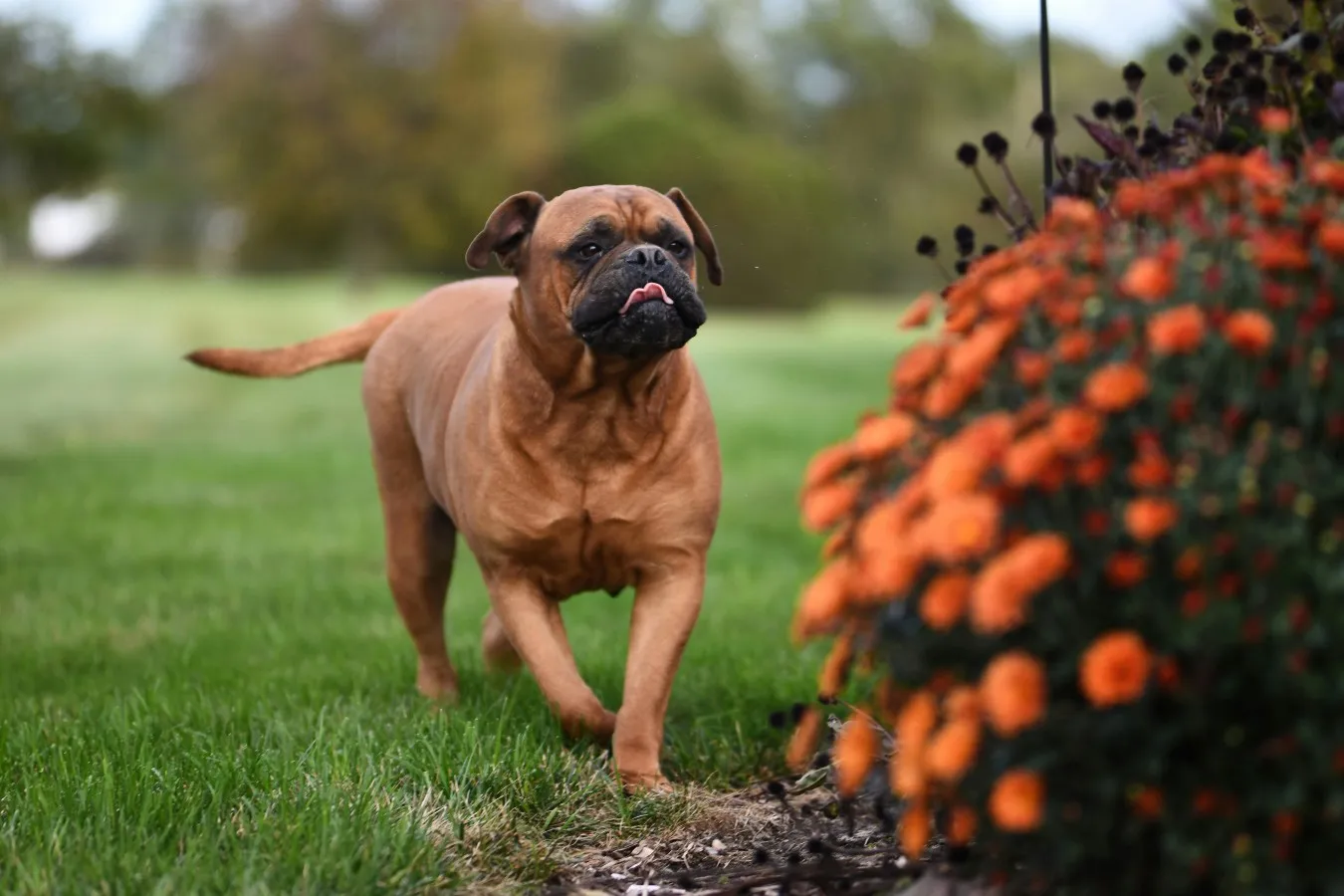
Bullmastiff Personality Profile
Bullmastiffs are intelligent, fearless guardians with a calm, gentle nature toward their families. While they are famously affectionate “gentle giants” who love to snuggle, they are also independent thinkers and highly protective of their home. These quiet, loyal companions require consistent training and early socialization to balance their guarding instincts.
FRIENDLINESS
Friendly
7 out of 10
ATTACHMENT
Friendly
6 out of 10
PLAYFULNESS
Moderately Playful
5 out of 10
TEMPERAMENT FAQ
Are Bullmastiffs smart?
Smart
6 out of 10
The Bullmastiff is an intelligent and observant guardian breed. They are quick to assess situations and learn commands well, but they are also independent thinkers who may question authority. Training requires a firm, confident, and consistent owner who uses positive reinforcement to establish leadership.
Do Bullmastiffs like to cuddle?
Very Affectionate
8 out of 10
Despite their massive and intimidating appearance, Bullmastiffs are incredibly affectionate and gentle with their families. They form strong, loving bonds and often lean against their owners or try to climb into their laps, acting like giant, devoted lap dogs.
Do Bullmastiffs get separation anxiety?
Average
5 out of 10
They bond closely with their human pack and prefer to be included in family activities. While they are confident dogs, leaving them alone for extended periods without adequate interaction or a job to do can lead to boredom and potential destructive behaviors.
Do Bullmastiffs bark a lot?
Silent
10 out of 10
Bullmastiffs are generally quiet dogs that do not bark without reason. They were bred to quietly track and pin poachers, so they rely more on their imposing presence than their voice. They will bark to alert you to genuine threats, making them excellent watchdogs.
Are Bullmastiffs protective?
Extremely Protective
9 out of 10
The Bullmastiff is naturally protective and highly territorial. Bred to guard estates, they are inherently suspicious of strangers and will courageously defend their family and property. Extensive early socialization is absolutely critical to ensure their guarding instincts remain balanced and manageable.
VET INSIGHTS
They bond closely with their human pack and prefer to be included in family activities. While they are confident dogs, leaving them alone for extended periods without adequate interaction or a job to do can lead to boredom and potential destructive behaviors.

Reviewed by
Dr. Vojtech Gabriel
DVM · PhD · MBA
Veterinarian
Researcher
Dog breed specialist
✓
Verified