Scottish Deerhound Health and Costs
Breed Group
Hound Dogs
Country of Origin
United Kingdom
Breed Size
Giant
AKC Recognition
Yes, recognized in 1886
FCI Recognition
Yes, recognized in 1954
Rarity
Fairly Common4 / 10
Purchase cost
Expensive7 / 10
Life expectancy
Moderate Lifespan4 / 10
Health
High health risk2 / 10
Health problem risk
High health burden7 / 10
Maintenance cost
Moderate upkeep cost4 / 10
A Veterinarian's Guide
Scottish Deerhound Health Problems and Costs
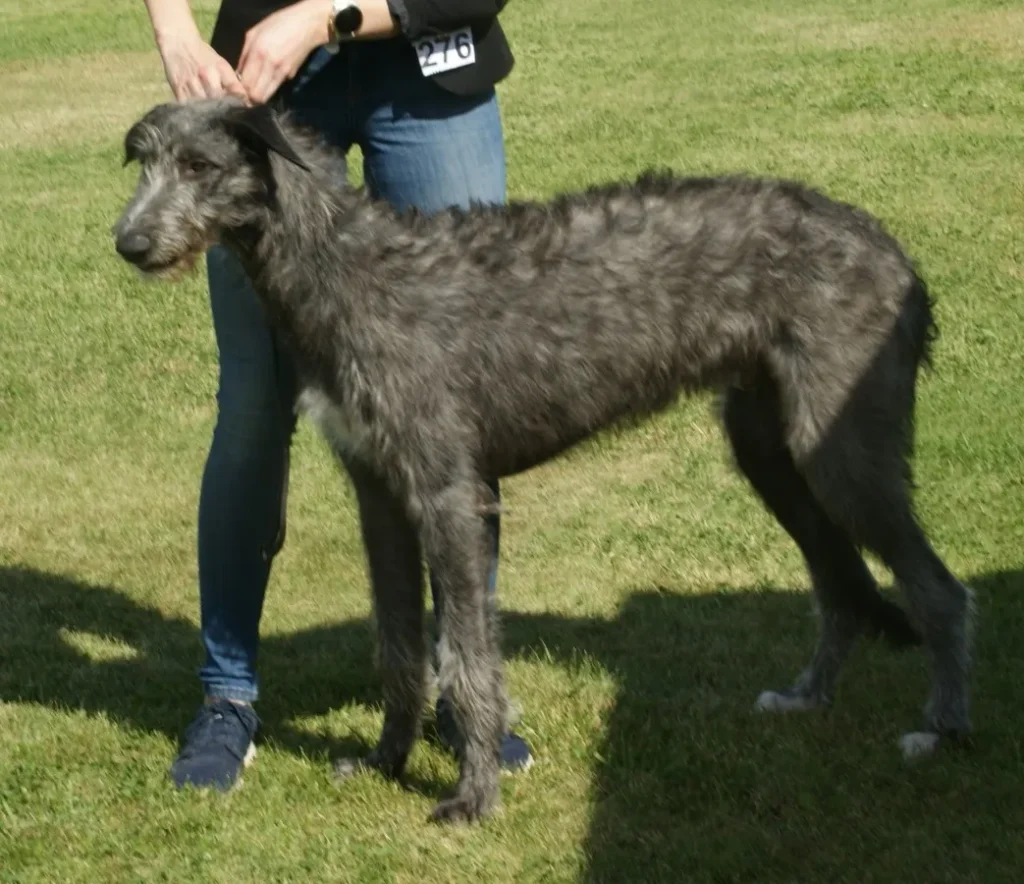
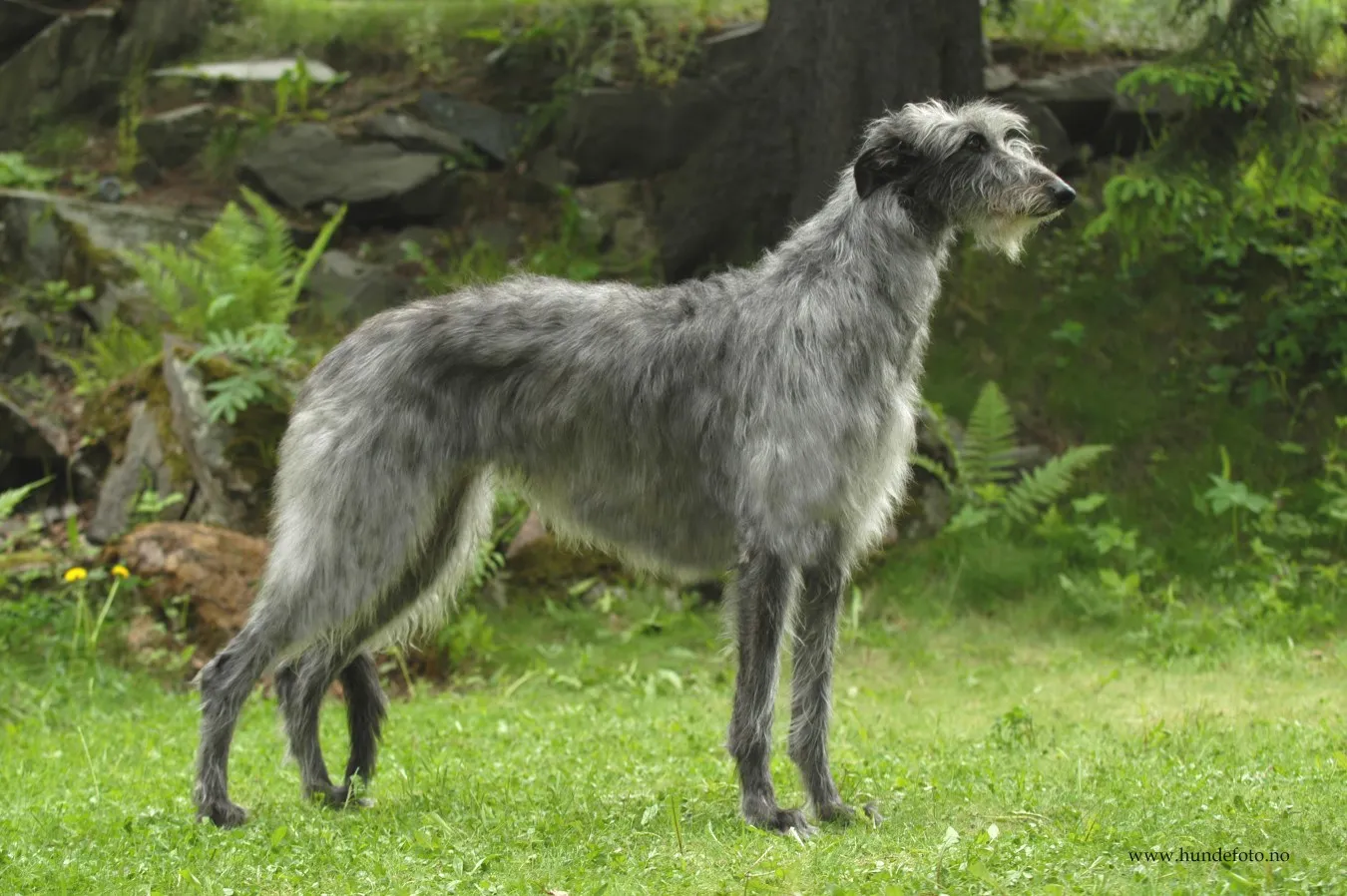
The Scottish Deerhound is a tall, rough-coated sighthound bred to course red deer across the Scottish Highlands, and one of the largest breeds you can share a home with. It is gentle and quiet indoors, but its size and build bring a particular set of health priorities: the heart, bloat, bone cancer, urinary stones, and a need for sighthound-aware anesthesia and surgical care. Knowing them before you bring a puppy home, or while you already live with one, makes screening and vet visits much easier to plan.
In this guide
Why Do Scottish Deerhounds Need Regular Heart Checks?
Dilated cardiomyopathy, or DCM, is a disease in which the heart muscle weakens and the chambers stretch, so the heart pumps less efficiently. The name comes from the Greek kardia, "heart," mys, "muscle," and pathos, "disease." The breed is well known for it: one American study, summarized on Wikipedia, found the highest rate of DCM of any breed, and a UK breed-club survey named heart disease as the most common cause of death.
Early signs can be easy to miss. PetMD lists tiring quickly, breathing faster than usual, and restlessness as warning signs. The AKC includes a cardiac exam among the recommended health tests for the breed. Your veterinarian may use an echocardiogram, an ultrasound of the heart, and sometimes a portable monitor worn for a day to look for rhythm problems. Because early disease can be silent, ask when to start and how often to recheck.
Why Should Every Vet Know About This Breed's Anesthesia and Bleeding Risks?
Tell every veterinarian treating your Scottish Deerhound that this is a sighthound with a possible bleeding tendency before any sedation or surgery, even a routine dental cleaning, and repeat it at every new clinic or emergency visit.
Like other sighthounds, Deerhounds may react differently to some anesthetic drugs than a typical dog, and WebMD advises seeing a veterinarian who knows sighthounds. A lean build is commonly cited as part of the reason. A standard protocol written for an average dog may not suit them, so ask your veterinarian to plan the anesthesia with sighthounds in mind.
Factor VII deficiency is an inherited shortage of a blood clotting factor, and a DNA test exists for it. Some unaffected dogs still bleed after surgery, and the AKC list also names delayed post-operative hemorrhage, bleeding that appears after a procedure rather than during it, as a DNA test for this breed. In practice, that means mentioning it to your surgeon before an operation and watching the incision closely during recovery. The same AKC list includes a bile acid test, a blood test of liver function.
Why Is Bloat an Emergency in Deep-Chested Dogs?
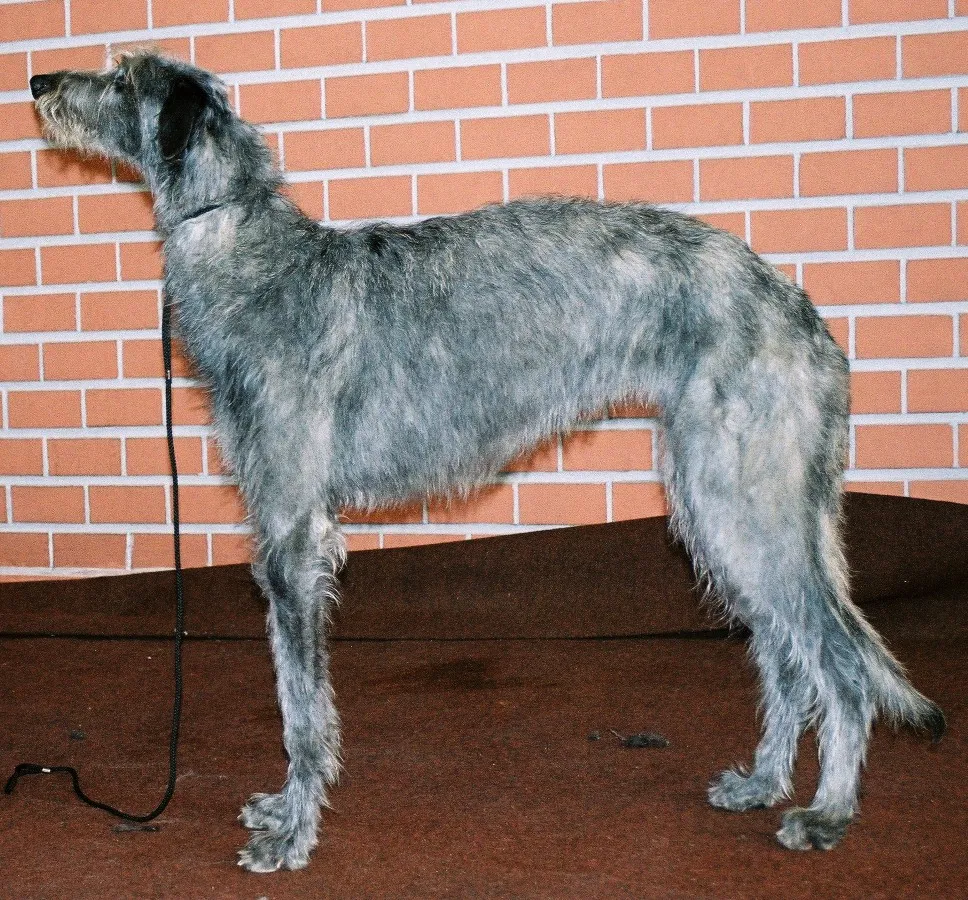
Bloat, medically gastric dilatation-volvulus, happens when the stomach fills with gas and twists on itself, cutting off its own blood supply. The Deerhound's deep chest makes it susceptible. There is no home treatment, and surgery is the only way to correct a twisted stomach, so it is worth learning the warning signs before you ever need them.
- 01
Swollen belly
The abdomen looks tight, rounded, or distended.
- 02
Unproductive retching
Straining to vomit with little or nothing coming up.
- 03
Restlessness and drooling
Pacing, drooling, or being unable to settle.
- 04
Sudden collapse
The dog becomes weak or collapses.
Feeding several smaller meals a day may lower the risk, though no precaution removes it entirely. Some owners choose a preventive gastropexy. The word comes from the Greek gaster, "stomach," and pexis, "fixing in place." The surgery tacks the stomach to the abdominal wall, often at the same time as a spay or neuter. It does not stop gas from building up, but it does stop the stomach from twisting, which is the part that turns bloat deadly.
Why Is a Lasting Limp Worth Checking in This Breed?
Osteosarcoma is an aggressive bone cancer. The word comes from the Greek osteon, "bone," and sarkoma, "fleshy growth." PetMD describes a genetic risk factor in the breed, with tumors usually developing on the legs and able to spread to other organs, and the UK breed-club survey ranked cancer as the second most common cause of death. A limp or a swelling on a limb that does not settle with rest deserves a veterinary exam and X-rays rather than a wait-and-see approach.
If bone cancer is suspected, your veterinarian, sometimes with an oncologist, will explain how to confirm it, whether it has spread, and which treatment options fit your dog.
What Is Cystinuria and Why Does It Matter?
Cystinuria, from the Greek kystis, "bladder," and ouron, "urine," is an inherited condition in which an amino acid called cystine builds up in the urine and can form crystals and bladder stones. WebMD notes that it is much more common in males and that stones can cause a life-threatening blockage. Straining to urinate, repeated trips with little result, or blood in the urine call for a prompt veterinary visit, and a male dog that cannot pass urine needs emergency care.
What Does Managing a Scottish Deerhound's Health Actually Cost?
| Condition or Need | Typical Cost Range | Notes |
|---|---|---|
| Baseline echocardiogram | $300 to $600 | Timing as your vet advises |
| Holter monitor rhythm study | $250 to $450 | If an irregular heartbeat is suspected |
| Preventive gastropexy | $400 to $1,000 | Often done with spay or neuter |
| Emergency bloat surgery | $3,000 to $7,500 | Time-critical, surgical |
| Bone cancer workup and staging | $500 to $1,200 | X-rays, bloodwork, and imaging |
| Amputation plus chemotherapy | $6,000 to $10,000+ | Varies by protocol and region |
Questions to Ask a Breeder Before Buying a Puppy
Ask which of the recommended breed tests the parents have had: a cardiac exam, the Factor VII and delayed post-operative hemorrhage DNA tests, and a bile acid test. Ask whether heart disease, bone cancer, or bloat has appeared in close relatives, whether the breeder recommends a preventive gastropexy, and how they feed their dogs.
It also helps to confirm that a veterinary clinic near you is comfortable with sighthound anesthesia before the puppy comes home.
Daily Life With a Scottish Deerhound
Deerhounds are famously gentle and quiet indoors, yet they have a strong prey drive. WebMD suggests at least 30 minutes of exercise twice a day, off leash only inside a secure six-foot fence, and avoiding forced exercise in young puppies. The personality profile explains the calm, affectionate side of the breed, while early training helps with recall and manners for such a big dog.
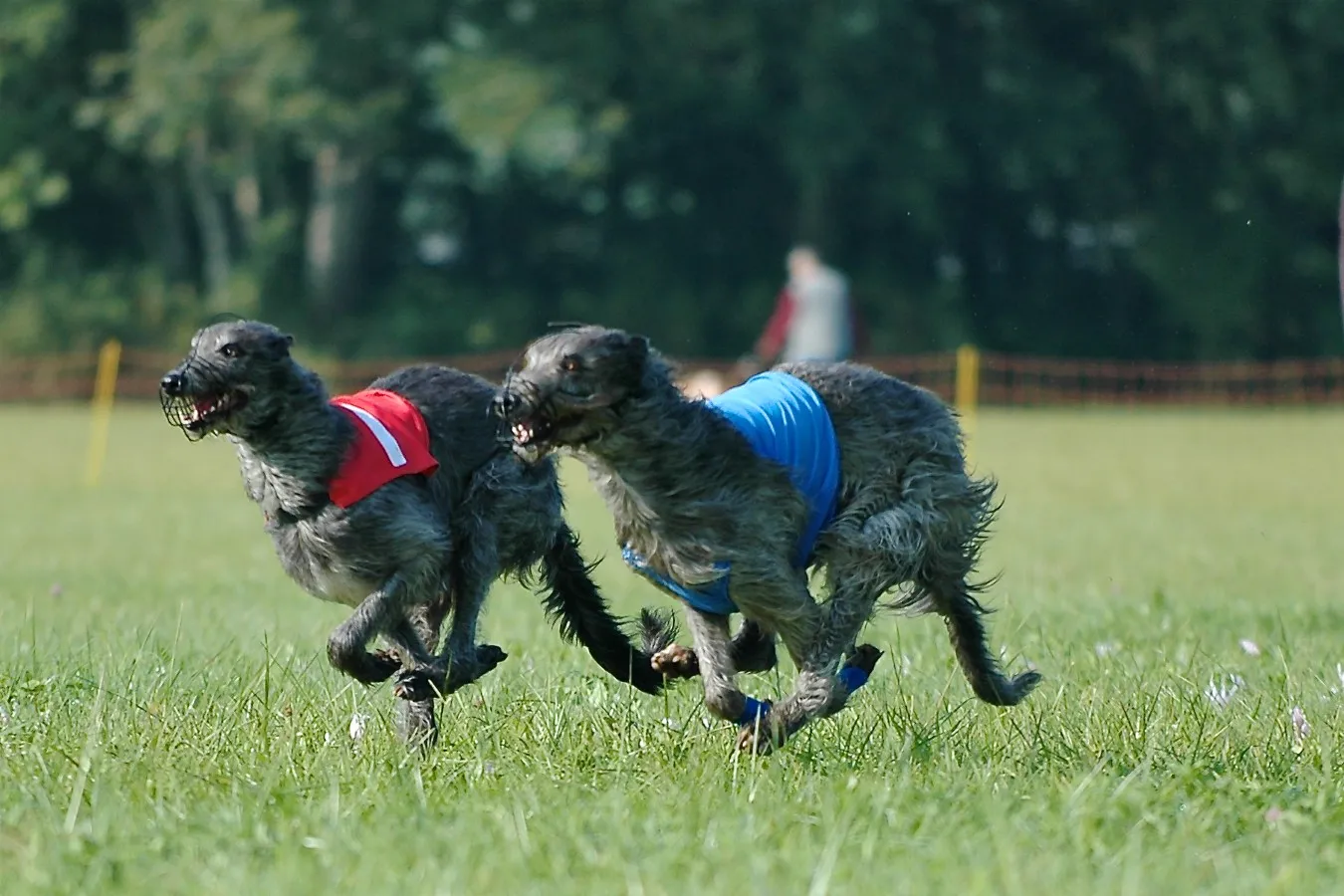
The wiry coat is low maintenance, and grooming usually means brushing about once a week or a few times a week, regular nail trims, and a bath only when needed. Their size also means more food, bigger beds, and roomier cars, which is part of why they suit homes with space better than small apartments.
Keeping Your Scottish Deerhound Healthy for the Long Run
Ask your veterinarian when to start cardiac checks, discuss a preventive gastropexy, and have any lasting limp examined promptly. Tell every clinic about the sighthound anesthesia and bleeding considerations, and learn bloat's warning signs before you need them. Pet insurance is worth pricing while your dog is young and healthy.
Final Thoughts From a Veterinarian
Scottish Deerhounds usually live about 8 to 11 years. Early cardiac checks, a bloat plan, and telling every clinic about their anesthesia and bleeding risks matter most. A swollen belly is an emergency. Your veterinarian can tailor the plan.
Health & Costs FAQ
How much do Scottish Deerhound cost?
The cost of a Scottish Deerhound typically ranges from $1,500 to $3,000 from a reputable breeder. Owners should also budget for high initial expenses, including giant-breed supplies and vaccinations. Ongoing costs are significant due to their substantial food requirements and specialized veterinary health screenings.
Purchase cost: 7 / 10
How long do Scottish Deerhound live?
Scottish Deerhounds typically live about 8 to 11 years, shorter than many smaller breeds. A UK study reported a median of about 10.5 years. Heart disease and cancer are leading causes of death in the breed, so cardiac checks, a lean weight, and routine veterinary care matter.
Life expectancy: 4 / 10
Are Scottish Deerhound healthy dogs?
Scottish Deerhounds carry a higher health risk than most breeds. They are prone to dilated cardiomyopathy, a heart muscle disease, as well as life-threatening bloat and bone cancer, and some carry inherited bleeding or urinary stone conditions. Most live about 8 to 11 years. Early cardiac checks and regular veterinary care help, and your veterinarian can tailor a plan.
Health: 2 / 10
What health problems do Scottish Deerhound have?
Scottish Deerhounds are predisposed to dilated cardiomyopathy, bloat, and osteosarcoma, a bone cancer. They can also have Factor VII deficiency, an inherited clotting problem, and cystinuria, which can cause urinary stones. As sighthounds, they may react differently to some anesthetics, so tell your veterinarian before any sedation. Heart screening and a bloat plan are the main priorities.
Health problem risk: 7 / 10
Are Scottish Deerhound expensive to maintain?
Scottish Deerhounds are moderately costly to maintain. The wiry coat needs only brushing about weekly or a few times a week, so grooming costs stay low. The larger expenses are giant-breed food, routine veterinary care, and money set aside for heart screening and emergencies such as bloat surgery.
Maintenance cost: 4 / 10
How much does it cost to own a Scottish Deerhound per month?
Expect to spend between $300 and $400 per month to own a Scottish Deerhound. This budget covers their significant food requirements, routine veterinary care, and preventative medications. Due to their giant size and predisposition to heart conditions, budgeting for specialized screenings and potential medical emergencies is highly recommended.
Monthly ownership cost: 8 / 10
How much does pet insurance cost for a Scottish Deerhound?
Pet insurance for a Scottish Deerhound typically ranges from $60 to $110 per month. Premiums tend to be higher for giant breeds with heart, bloat, and cancer risks. A policy is worth pricing while your dog is young and healthy, since emergency and specialist care can add up to thousands of dollars.
Pet insurance cost: 6 / 10
Will homeowners insurance cover a Scottish Deerhound?
Yes, most homeowners insurance policies cover Scottish Deerhounds, as they are not typically classified as an aggressive or restricted breed. Always disclose your dog to your insurer to confirm full liability protection.
Homeowners insurance difficulty: 9 / 10
Are Scottish Deerhound on insurance restricted breed lists?
No, Scottish Deerhounds are not typically found on insurance restricted-breed lists. As a gentle breed, they are generally viewed as low-risk by insurers. Still, always disclose your dog to your provider to keep liability coverage active.
Insurance restriction risk: 2 / 10
Can you get renters insurance with a Scottish Deerhound?
Yes, you can typically get renters insurance with a Scottish Deerhound, since the breed is rarely restricted. A landlord's pet weight limits are more often the obstacle for a dog this size, so confirm the rules with your landlord and disclose your dog to your provider.
Renters insurance difficulty: 8 / 10