Skip to content

Alpine Dachsbracke - MAIN HUB

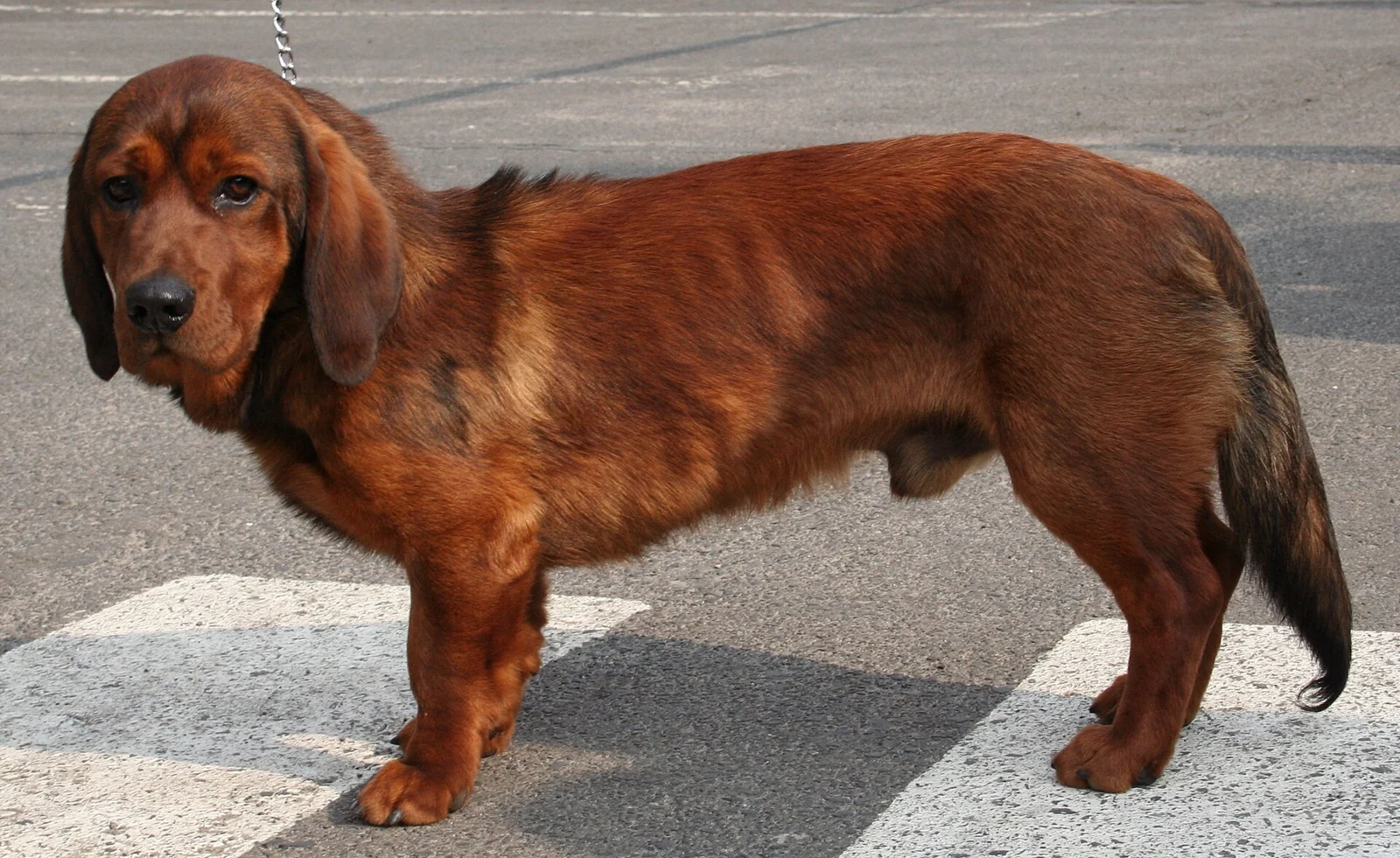
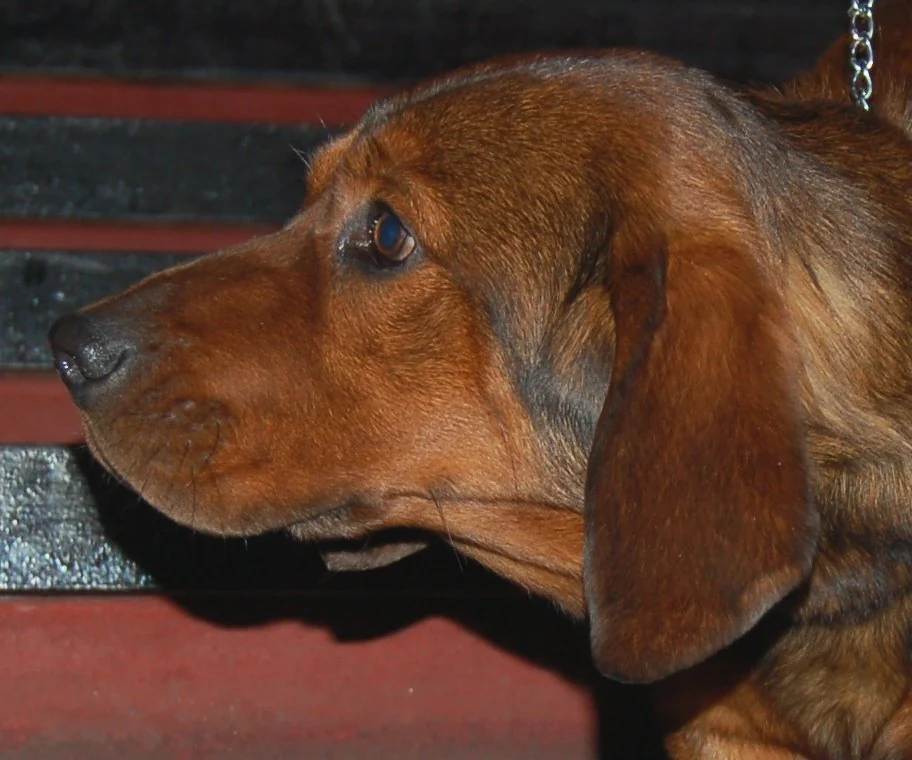
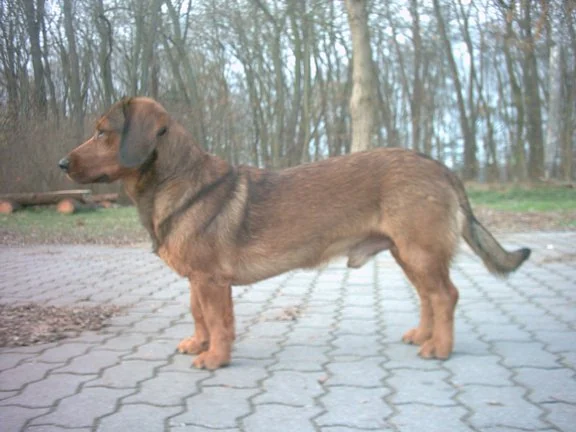
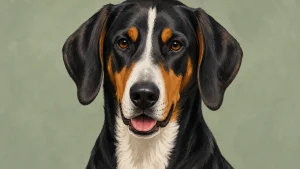
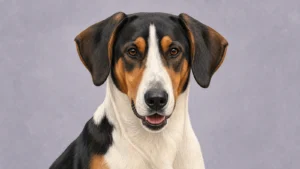
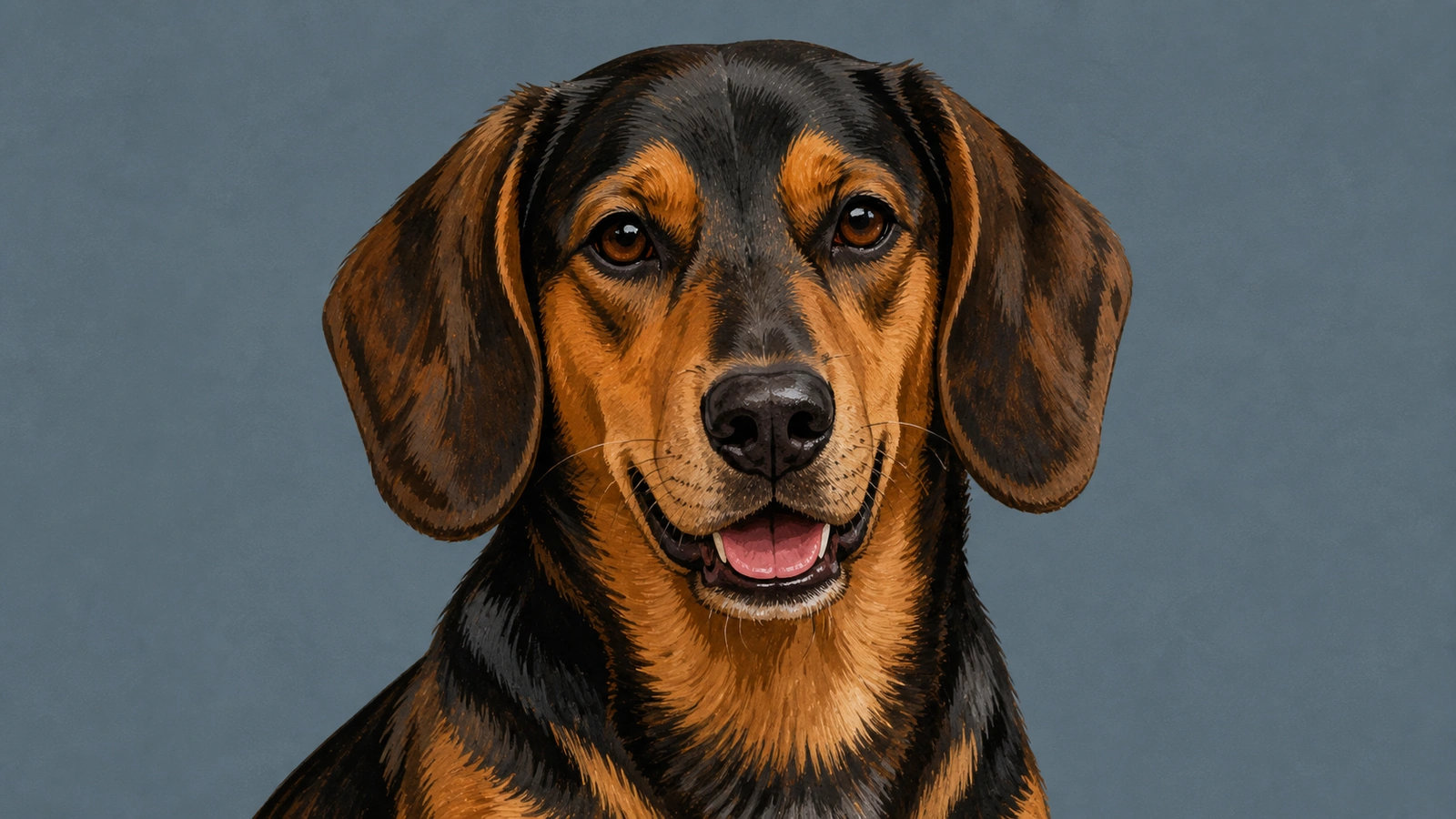
Meet the Alpine Dachsbracke: a fearless, friendly Austrian scent hound with a big personality, perfect for active families who love outdoor adventures.

BREED GROUP

Hound Dogs

Country of origin

Austria

BREED SIZE

Medium

BREED HEIGHT

13 -

17 IN

33 -

43 cm

BREED WEIGHT

33 -

40 LB

15 -

18 KG

WHAT YOU NEED TO KNOW

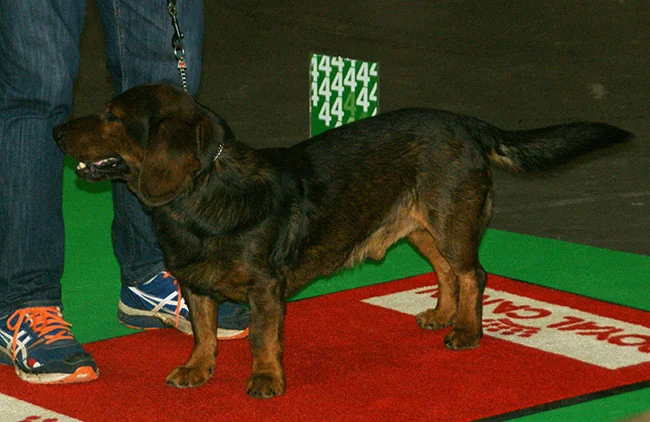
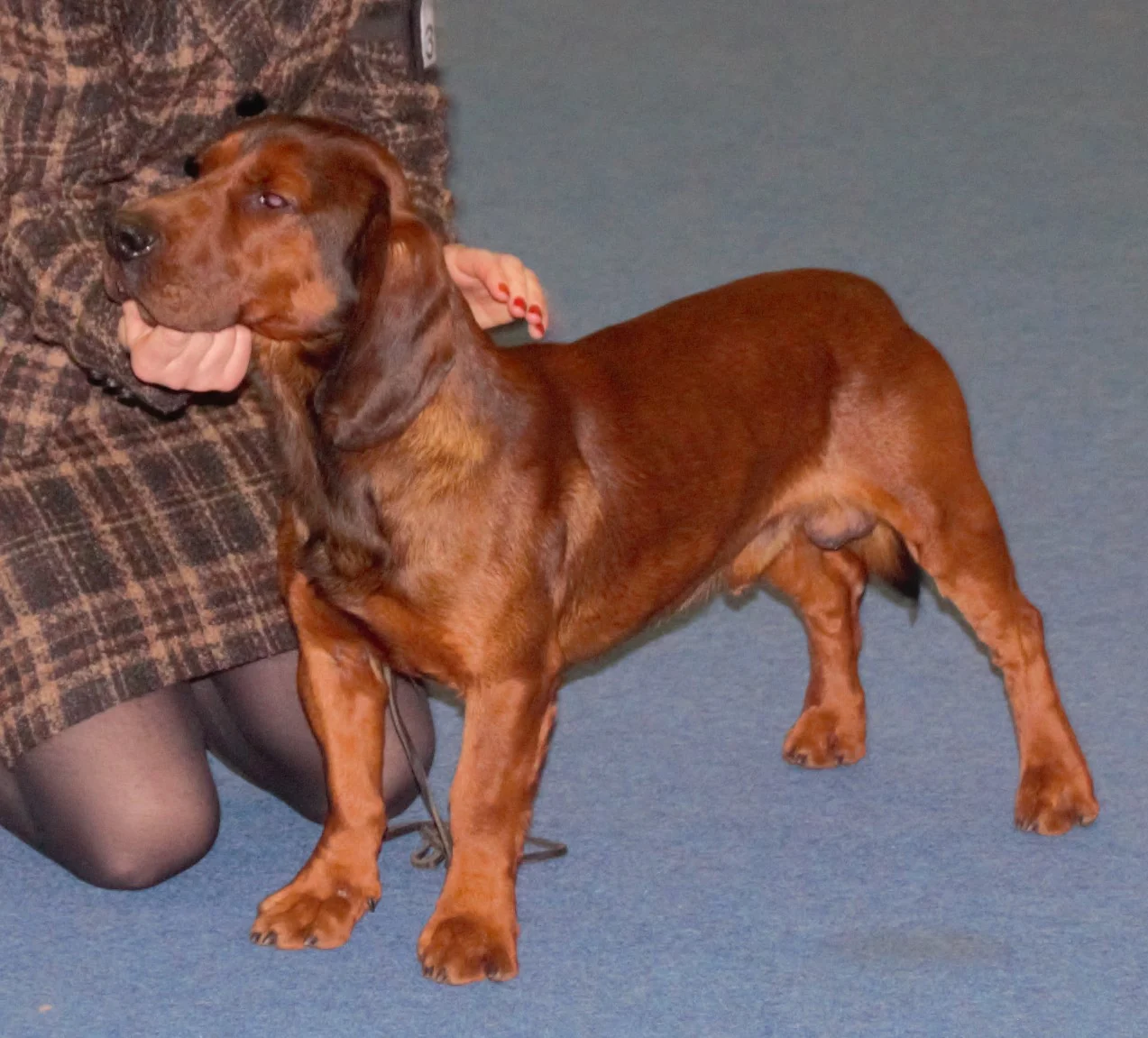
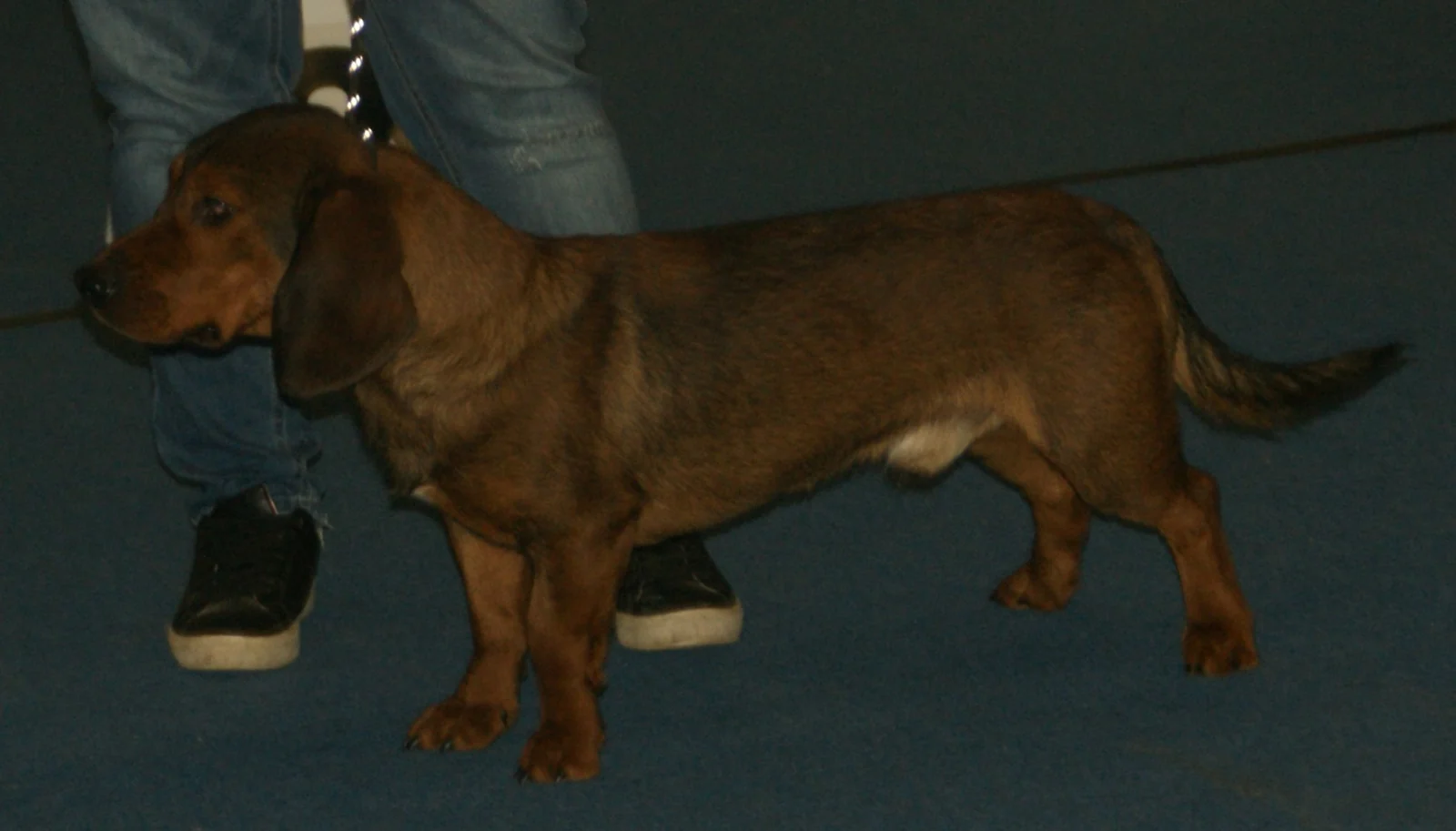
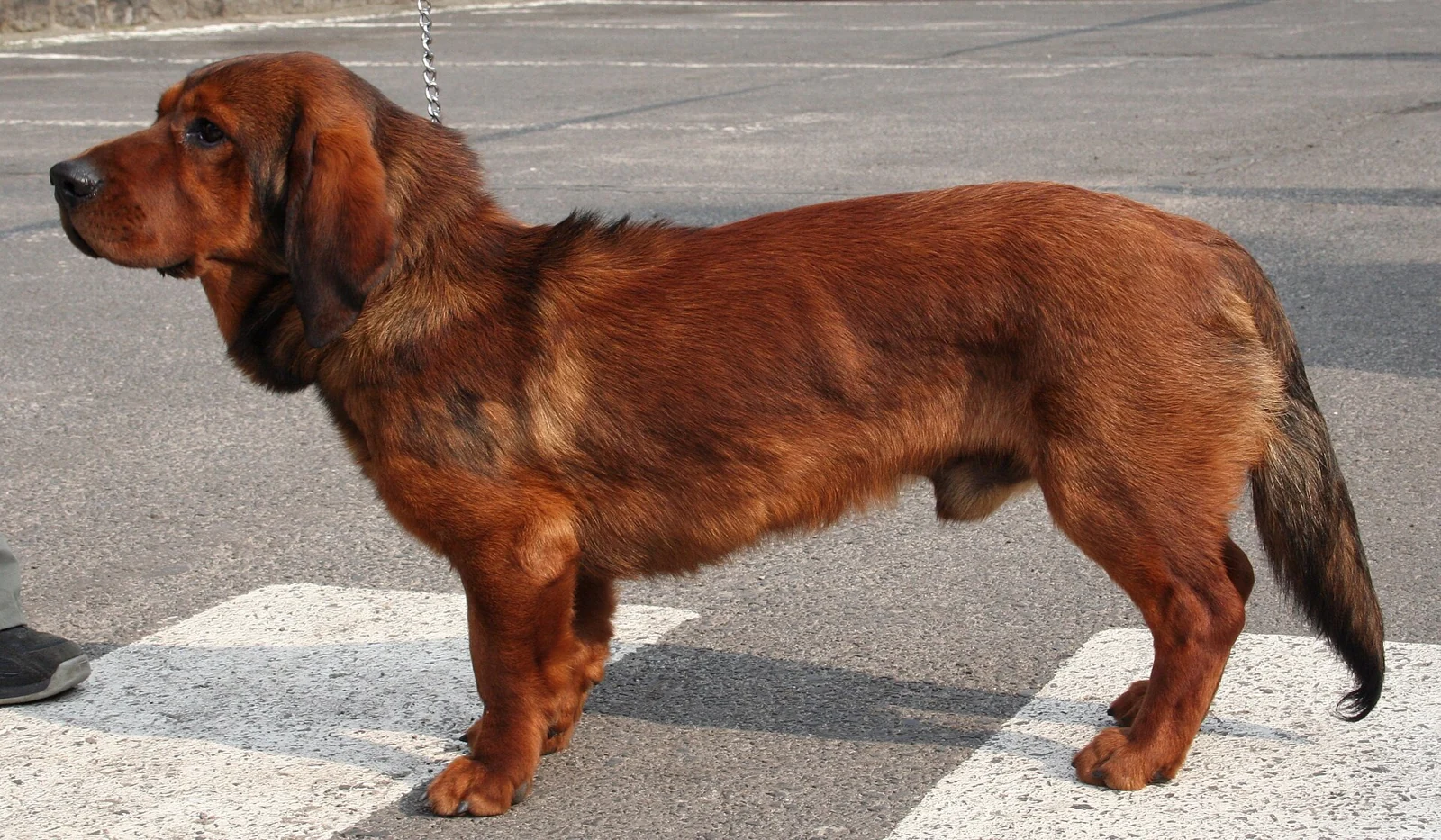
The Alpine Dachsbracke is a robust, weather-resistant Alpine hunting dog with a dense double coat designed for freezing mountain conditions. Originating from Austria, this fearless and friendly scent hound has a big personality and is perfect for active families who love outdoor adventures.
american kennel club (AKC) recognition

No

Breed was recognized in 0.

International Canine Federation (FCI) recognition

Yes

Breed was recognized in 1954.
WHAT DO OWNERS WANT TO KNOW?

Are Alpine Dachsbrackes good family dogs?

Excellent

10 out of 10

The Alpine Dachsbracke is considered an excellent family dog because of its friendly, easygoing, and sociable nature. They are known for being patient and gentle with children, forming strong bonds with their human companions. Although they were primarily bred for hunting, their calm and loyal character allows them to integrate well into active family life.

Excellent

10 out of 10

Alpine Dachsbrackes are generally excellent with children, known for being patient, friendly, and gentle. They form strong bonds with their families and are well-suited for households with kids. However, because of their long backs, children should be taught to handle them carefully to avoid injury, and interactions with very young children should always be supervised.

Not Recommended

1 out of 10

Alpine Dachsbrackes are generally recommended for experienced owners rather than first-time owners due to their strong hunting instincts and independent nature. While loyal and friendly, their tendency to follow scents can make them stubborn during training and unreliable off-leash without consistent, expert leadership. Novice owners may find their high exercise requirements and need for mental stimulation, such as tracking games, challenging to manage effectively.

Fair

3 out of 10

Alpine Dachsbrackes can adapt to apartment living if their significant exercise and mental stimulation needs are met. However, they are not ideal for small spaces due to their high stamina and tendency to bark or bay, which may disturb neighbors. They are happiest in active households with access to large, secure outdoor areas where they can satisfy their strong hunting and tracking instincts.

Not Required

10 out of 10

A yard is not strictly required for an Alpine Dachsbracke, as they can adapt to apartment life if provided with significant daily exercise and mental stimulation. However, a secure, fenced yard is highly recommended to satisfy their strong hunting instincts and need for space to explore scents safely. Owners must ensure the area is well-contained, as their intense prey drive may lead them to wander off if they pick up a trail.

Good

7 out of 10

Alpine Dachsbrackes are generally calm and independent, often tolerating being left alone better than many other breeds. While they do not typically suffer from severe separation anxiety, they still thrive on human companionship and should not be left in isolation for long periods. Providing sufficient physical exercise and mental stimulation before departures helps ensure they remain settled and content while their owners are away.

Very Good

7 out of 10

Alpine Dachsbrackes generally get along well with cats, especially when socialized with them from a young age. Their friendly and sociable nature allows them to form harmonious bonds with feline housemates. However, as they are scent hounds with a natural prey drive, initial introductions should be supervised to ensure a safe and peaceful multi-pet household.

Protective

3 out of 10

Alpine Dachsbrackes are not naturally aggressive; they are known for their friendly, calm, and sociable temperaments. While they possess a strong hunting instinct and can be protective of their family, they are generally gentle and easygoing companions. Early socialization and consistent, positive reinforcement training are essential to ensure their protective nature remains manageable and they remain well-behaved in various environments.

Moderate

6 out of 10

Alpine Dachsbrackes possess moderate energy levels, balancing their sturdy hunting stamina with a mellow and sociable temperament indoors. They require regular daily activity, such as 45 to 90 minutes of walking or scent-tracking games, to stay physically and mentally engaged. Ensuring they have consistent outlets for their energy is essential to prevent boredom and maintain their loyal, easygoing character.

~75 min a day

7 out of 10

Alpine Dachsbrackes are high-energy scent hounds that require at least 60 to 90 minutes of daily physical activity to remain healthy and settled. Because they were bred for endurance in rugged terrain, they thrive on long walks, hiking, and especially scent-based activities like tracking or nose work. Providing safe, off-leash time in a secure area is essential for them to satisfy their hunting instincts and prevent boredom-related behaviors like excessive barking or digging.

Average

5 out of 10

Alpine Dachsbrackes have a moderate tolerance for heat due to their thick, insulating double coats. Owners should provide plenty of shade and fresh water during warmer months and avoid strenuous exercise during peak sun hours to prevent overheating. It is also important to maintain regular grooming to remove excess undercoat and keep the dog indoors in well-ventilated areas during extreme heat.

Average

5 out of 10

Alpine Dachsbrackes have a moderate tolerance for heat due to their thick, insulating double coats. Owners should provide plenty of shade and fresh water during warmer months and avoid strenuous exercise during peak sun hours to prevent overheating. It is also important to maintain regular grooming to remove excess undercoat and keep the dog indoors in well-ventilated areas during extreme heat.

Moderate Risk

6 out of 10

Alpine Dachsbrackes are rarely targeted by breed-specific legislation or specific apartment bans due to their rarity and non-aggressive reputation. However, their medium size may exceed some landlords' weight limits, and their history as a vocal scent hound could lead to noise complaints. Potential owners should verify individual rental policies regarding weight and barking before moving in.

WHAT DO OWNERS WANT TO KNOW?


Photo
Reviewed by
Dr. Vojtech Gabriel
DVM · PhD · MBA
Veterinarian Researcher Dog breed specialist
Verified

"Alpine Dachsbrackes are hardy and resilient hunting dogs, but they are predisposed to several significant health concerns. As a veterinarian, I focus on their risk for Intervertebral Disc Disease (IVDD) and spinal strain due to their elongated backs and short legs; it is critical to manage their weight and discourage jumping from high surfaces to prevent paralysis. I also screen for breed-specific genetic conditions like Neuronal Ceroid Lipofuscinosis 8 (NCL8) and spinocerebellar ataxia, both of which cause severe, progressive neurological decline in young dogs. Additionally, owners should be vigilant for hip dysplasia, cataracts, and chronic ear infections. I strongly recommend genetic testing for breeding pairs and maintaining an active lifestyle with structured scent work to support their physical health and mental well-being."

Other Hound Dogs