Karst Shepherd Dog Training Profile
Karst Shepherd Dogs are intelligent but independent guardians that require firm, consistent leadership. While willing to learn, their dominant nature and distrust of strangers necessitate extensive early socialization. They respond best to positive reinforcement and a structured routine, though their large exercise needs must be met to ensure they remain settled and obedient.
TRAINABILITY
Cooperative
7 out of 10
MENTAL STIMULATION NEEDS
Very High
9 out of 10
LOVE FOR GRUB
Picky Eater
3 out of 10
TRAINING FAQ
Are Karst Shepherd Dogs easy to train?
Willing
7 out of 10
Karst Shepherd Dogs are intelligent and generally willing to learn, making them relatively cooperative during training sessions. While they possess an independent guardian nature, they respond well to consistent leadership and positive reinforcement. Establishing a firm routine and providing early socialization are key to managing their protective instincts and ensuring they become well-adjusted companions.
Are Karst Shepherd Dogs stubborn?
Willing
7 out of 10
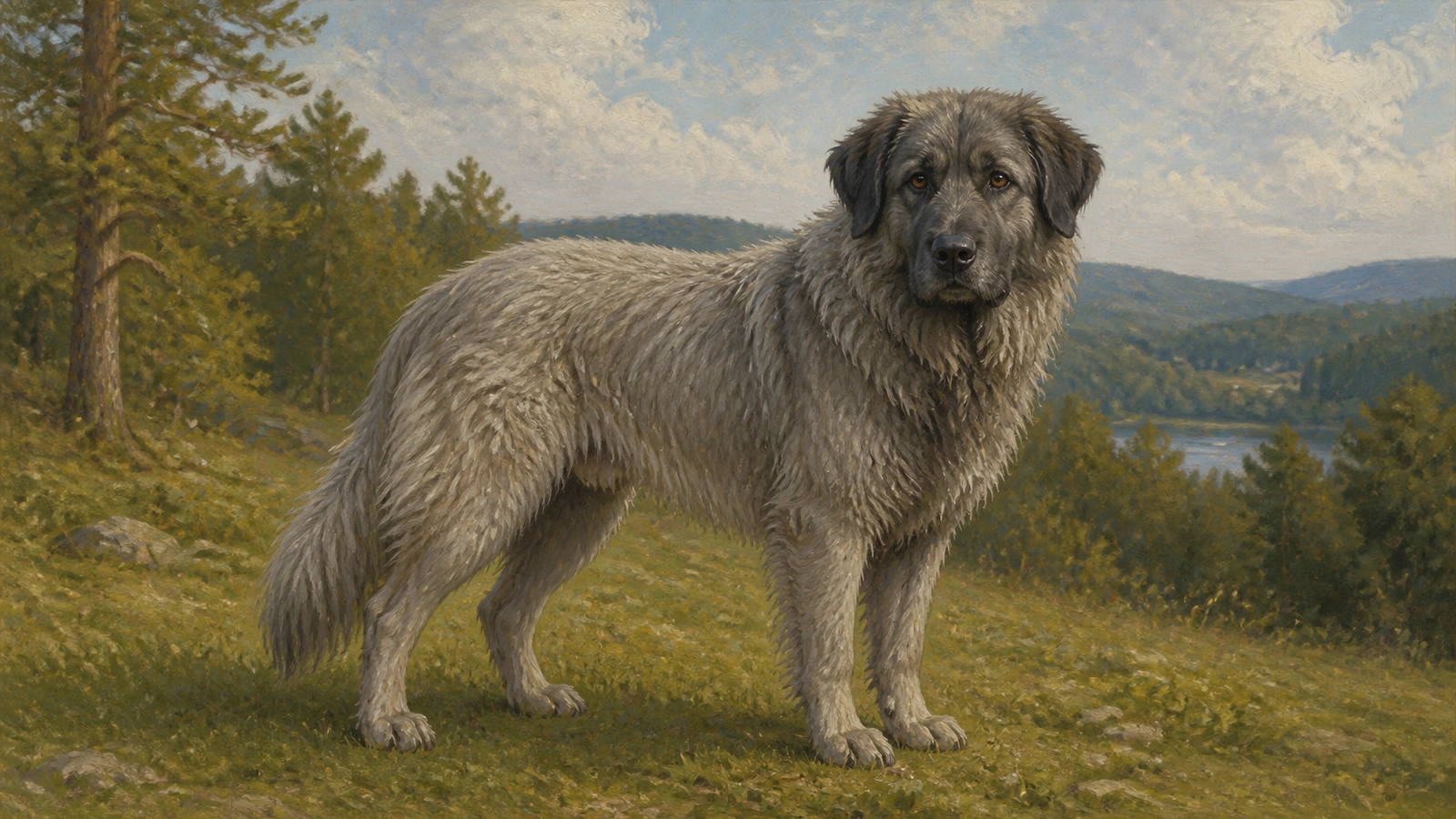
Karst Shepherd Dogs are generally not as stubborn as other Balkan Molosser breeds, as they are exceptionally loyal and willing to learn. However, their centuries-long history as independent livestock guardians means they can be independent thinkers who make their own decisions if they do not have clear leadership. To succeed, owners must provide consistent, calm training and establish a close bond of trust, as these dogs may ignore commands from anyone other than their primary reference person.
How to train a Karst Shepherd Dog puppy?
Above Average
7 out of 10
Train your Karst Shepherd Dog puppy using firm, consistent, and positive reinforcement to manage their independent and protective nature. Focus on early socialization to ensure they are comfortable around strangers and other animals. Establish a clear routine and use reward-based methods to build a strong bond while channeling their natural intelligence into structured tasks.
How difficult is to potty train a Karst Shepherd Dog puppy?
Fair
7 out of 10
Potty training a Karst Shepherd Dog typically takes 4 to 6 months with consistent effort. While intelligent and willing to learn, their independent nature requires a firm routine. Use positive reinforcement and frequent outdoor breaks to help this loyal guardian successfully master housebreaking and establish clear household rules.
How many walks does a Karst Shepherd Dog need?
Moderate Needs
6 out of 10
Karst Shepherd Dogs have high exercise requirements and need at least one long, brisk walk or hike daily, typically lasting an hour or more. Built for roaming and patrolling, they thrive when given a large, fenced yard to explore alongside their structured exercise. Providing consistent daily activity is essential to prevent boredom and destructive behaviors in this independent and energetic working breed.
What is the best daily routine for a Karst Shepherd Dog?
High Needs
8 out of 10
A Karst Shepherd Dog’s daily routine should focus on structured physical activity and mental engagement to satisfy their working instincts. Provide at least 60 to 90 minutes of exercise, including a long daily walk or hike combined with sessions for obedience training or interactive play. Feed adults twice daily with high-quality, large-breed food, ensuring a rest period after meals to prevent bloat. Essential care includes brushing their long double coat two to three times per week, checking ears for infection, and maintaining strict household boundaries to manage their dominant nature.
VET INSIGHTS
Karst Shepherd Dogs are intelligent, independent guardians requiring firm leadership and early socialization. While generally cooperative, they need structured routines to manage their protective instincts. Potty training typically takes several months. This high-energy breed requires daily long hikes and significant mental stimulation. Regular double-coat grooming and strict household boundaries are essential for maintaining a well-adjusted, loyal companion.

Reviewed by
Dr. Vojtech Gabriel
DVM · PhD · MBA
Veterinarian
Researcher
Dog breed specialist
✓
Verified