Skip to content

German Shorthaired Pointer - MAIN HUB

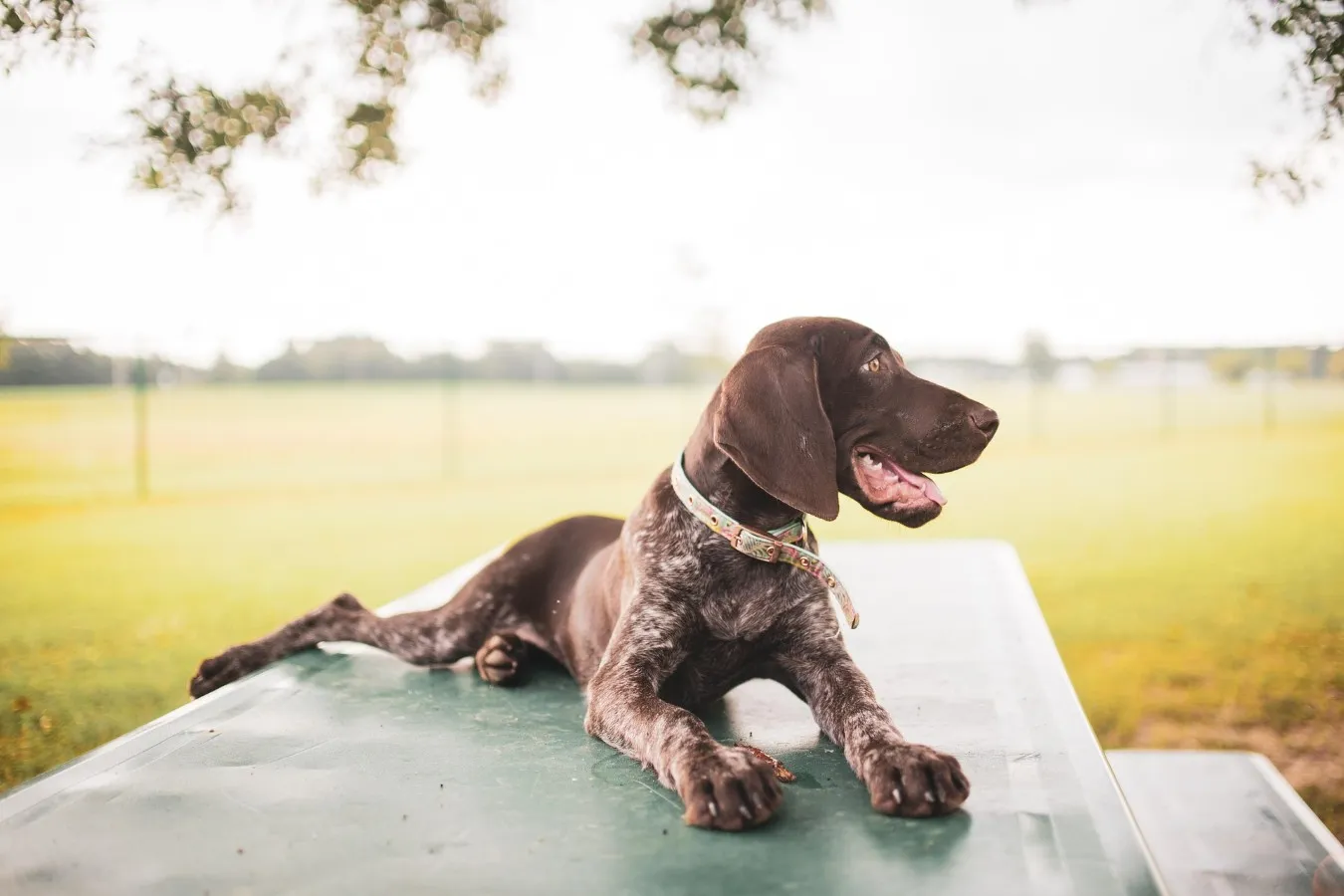
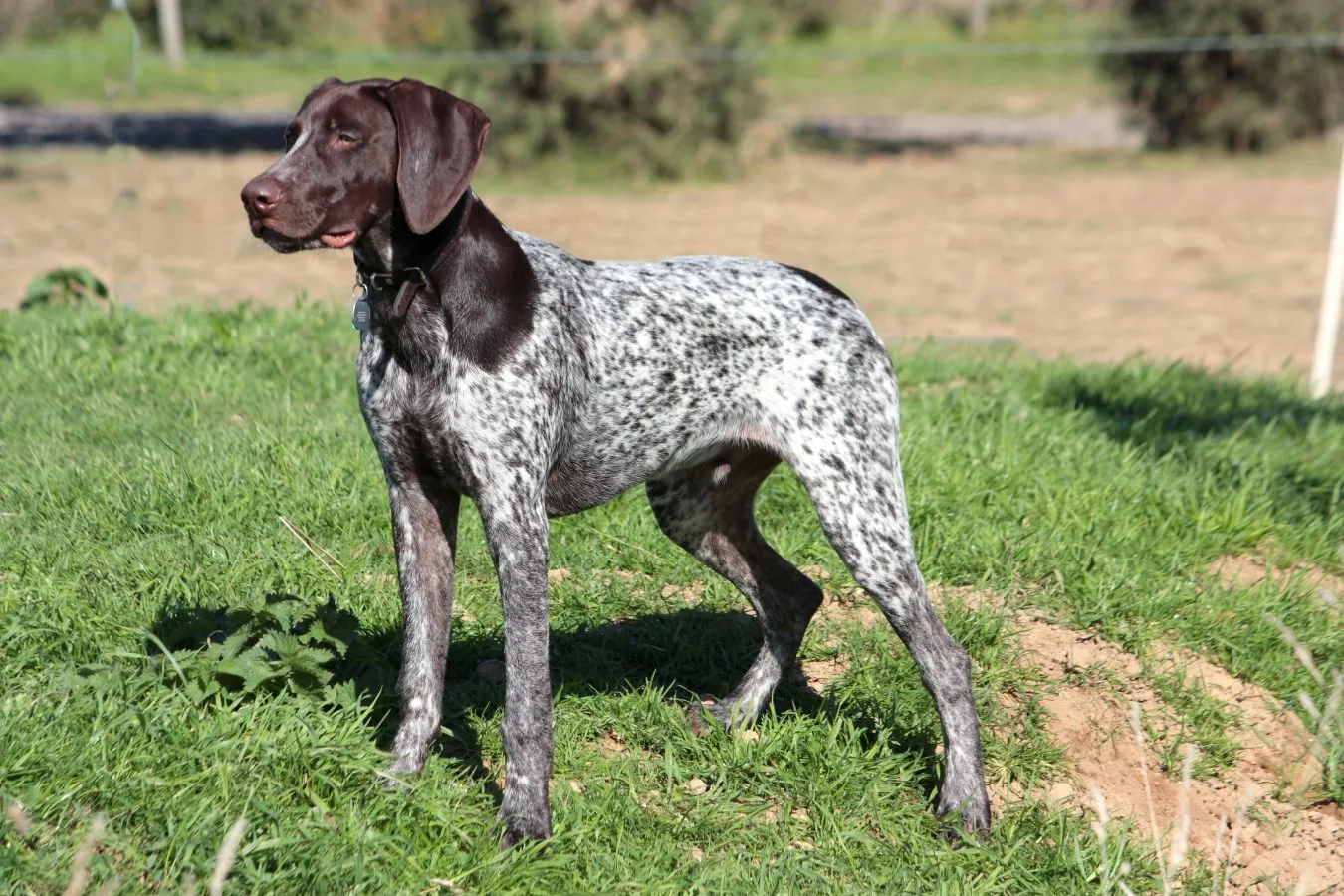
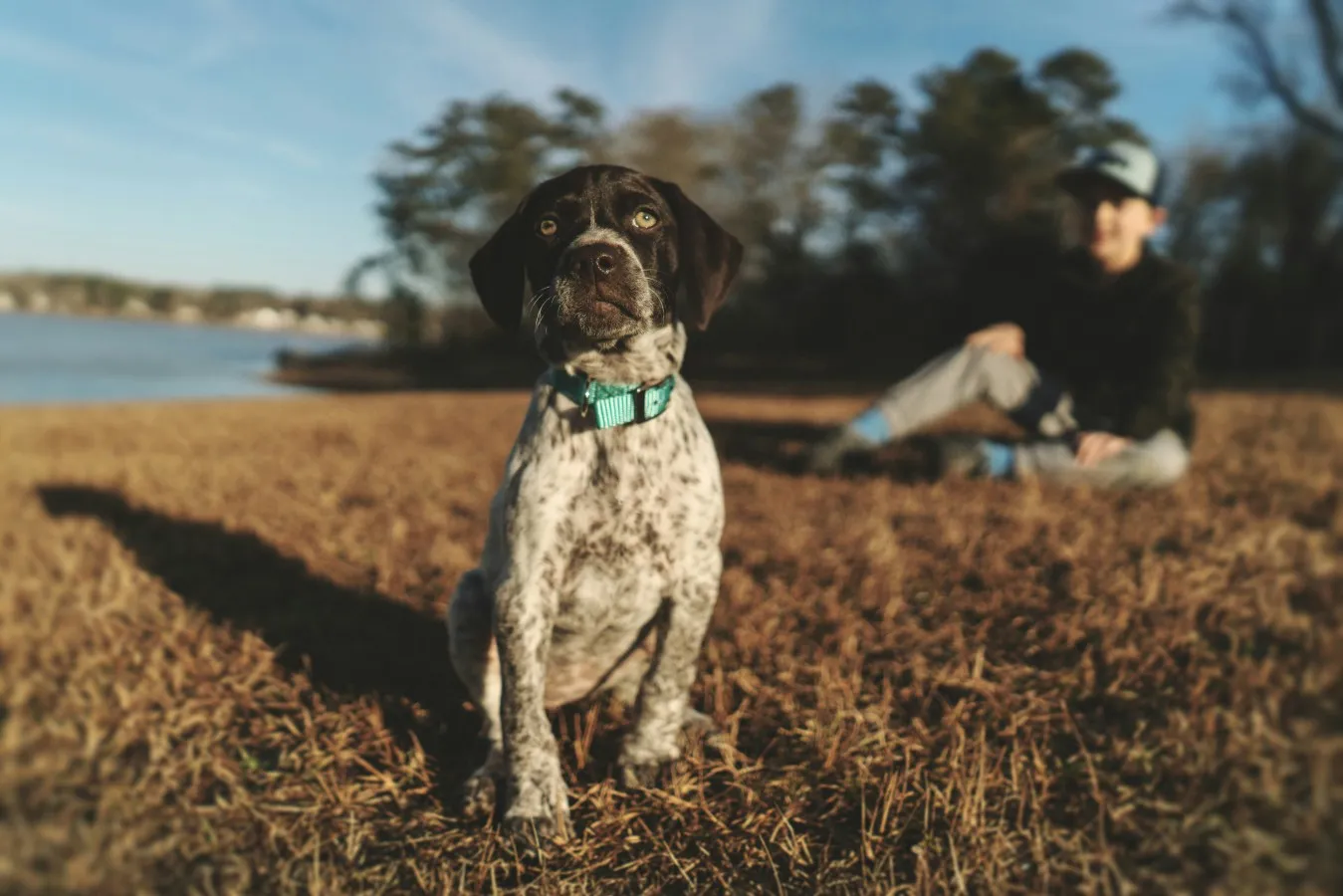
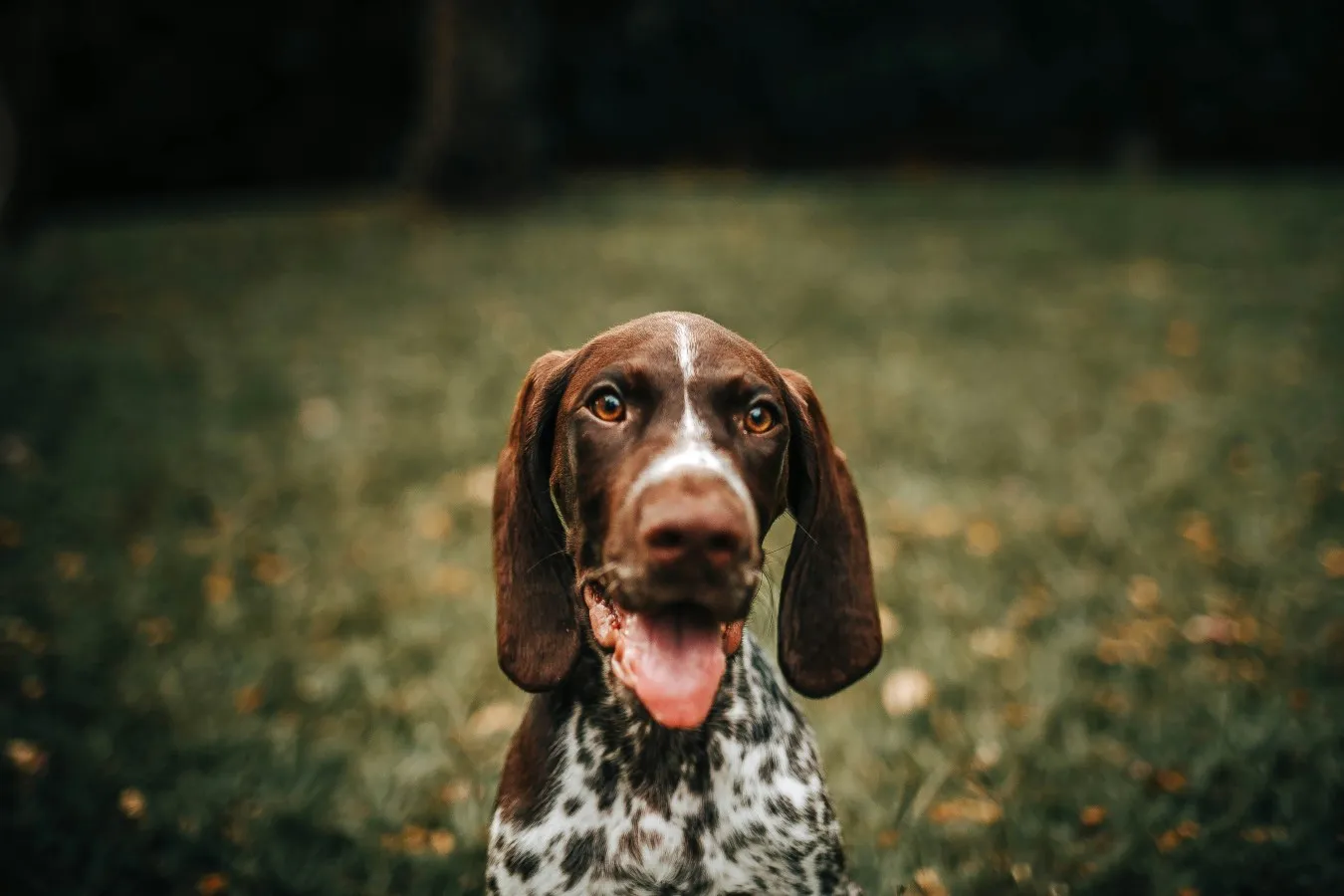
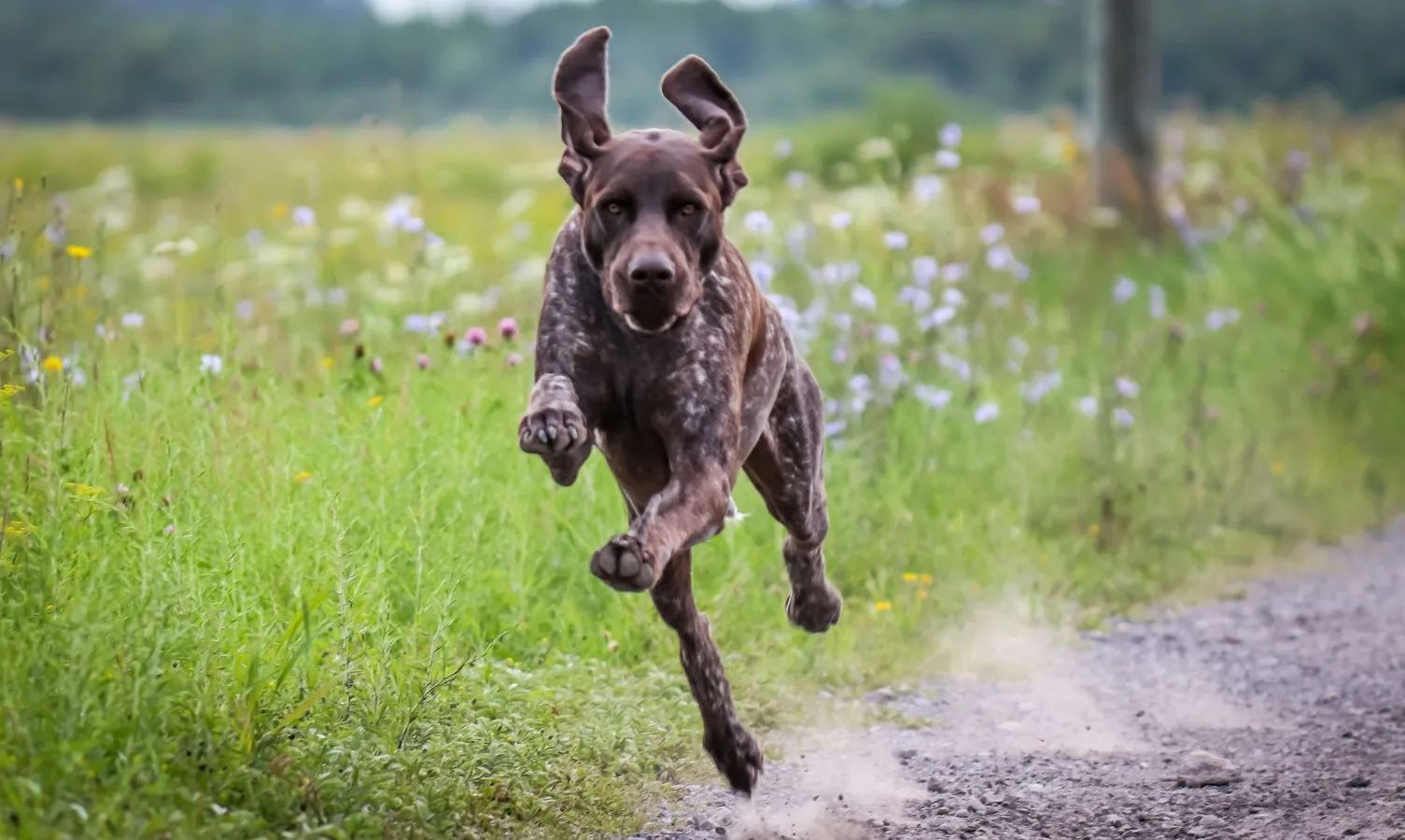
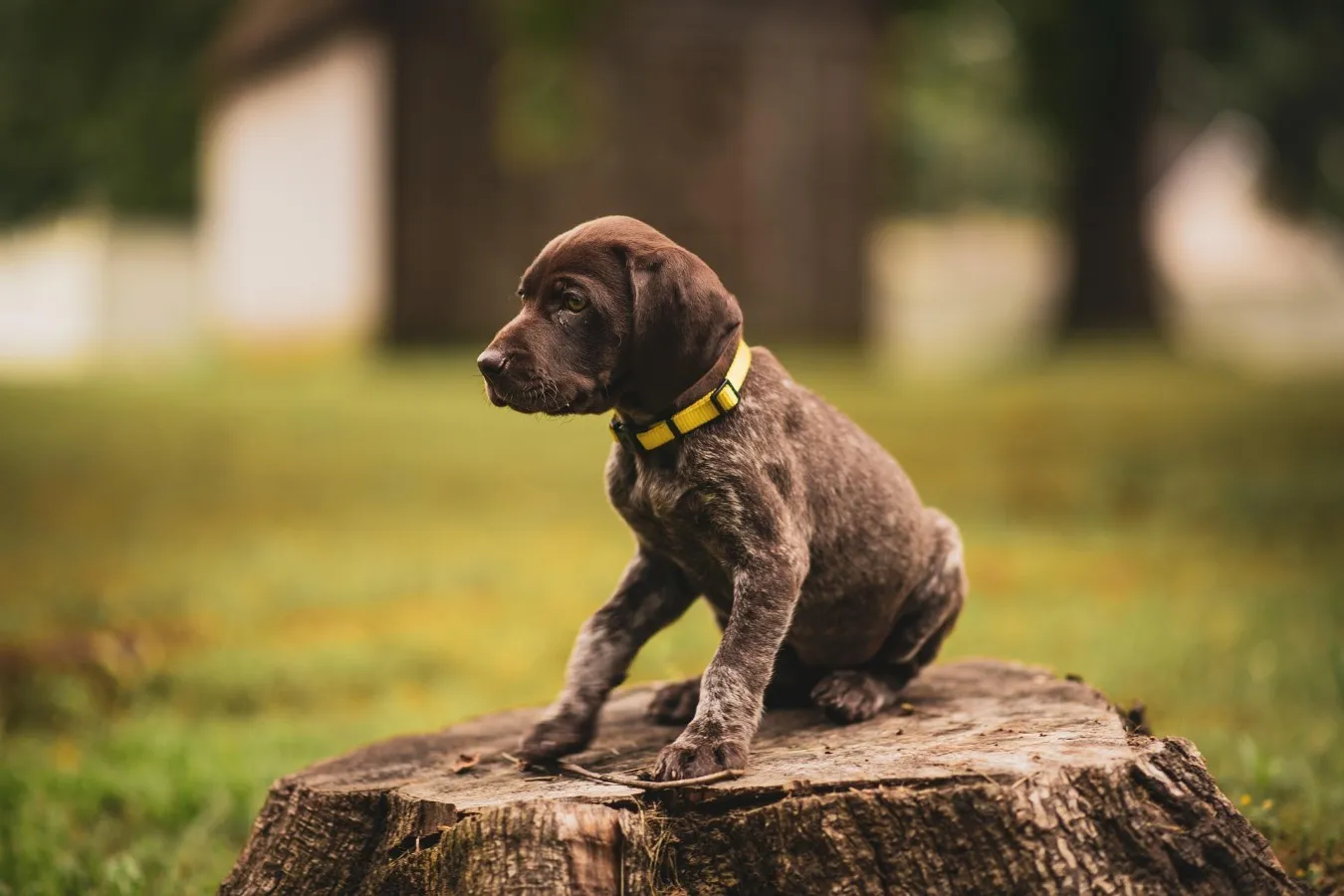
The GSP is a high-energy, versatile athlete and “Velcro dog.” Perfect for active families who love hiking, running, and endless outdoor adventures.

BREED GROUP

Sporting Dogs

Country of origin

Germany

BREED SIZE

Large

BREED HEIGHT

21 -

25 IN

53 -

64 cm

BREED WEIGHT

45 -

70 LB

20 -

32 KG

WHAT YOU NEED TO KNOW

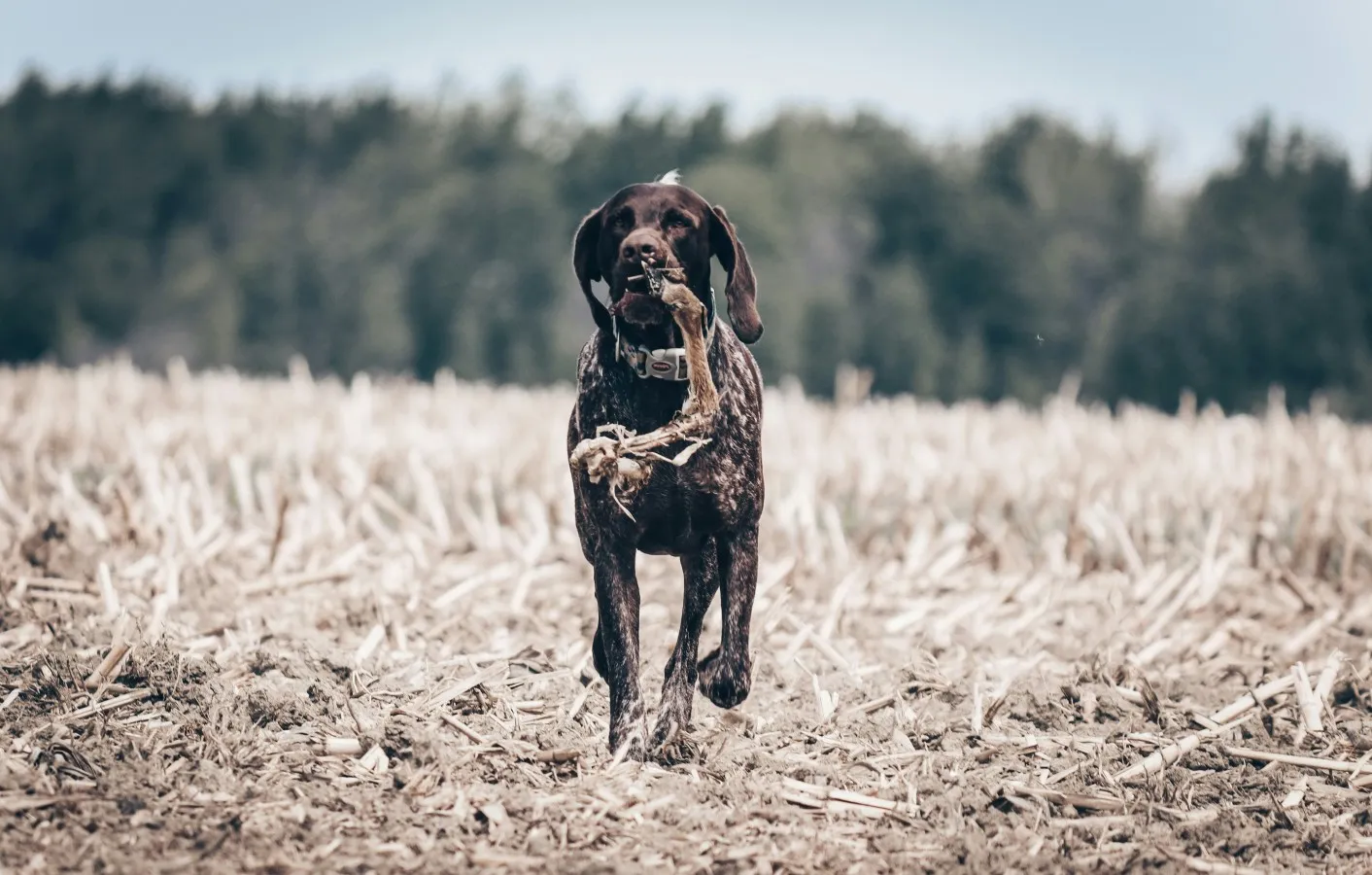
The German Shorthaired Pointer is a versatile, high-energy sporting breed known for its intelligence and loyalty. These "all-purpose" dogs excel in hunting, pointing, and retrieving, but they also make affectionate family companions for active owners. Because of their boundless stamina and strong prey drive, they require at least one to two hours of vigorous daily exercise and consistent, positive training to prevent destructive behaviors. While generally healthy, owners should monitor for hip dysplasia and bloat. They are best suited for homes with yards rather than apartments.
american kennel club (AKC) recognition

Yes

Breed was recognized in 1930.

International Canine Federation (FCI) recognition

Yes

Breed was recognized in 1954.
WHAT DO OWNERS WANT TO KNOW?

Are German Shorthaired Pointers good family dogs?

Excellent

10 out of 10

The German Shorthaired Pointer is an affectionate and loyal breed that makes an excellent companion for active families. However, they require significant daily exercise and consistent training to manage their high energy and prevent destructive behaviors. Because of their stamina and need for stimulation, they are best suited for households with yards and owners who can commit to an athletic lifestyle.

Excellent

10 out of 10

German Shorthaired Pointers are generally excellent with children, known for being patient, playful, and deeply loyal companions. Their high energy levels make them ideal playmates for active older children who can keep up with their exuberant nature. Because they can be somewhat rambunctious or overwhelming for toddlers, supervised play and consistent training are recommended to ensure they remain gentle and well-behaved.

Not Recommended

1 out of 10

German Shorthaired Pointers are generally not recommended for first-time owners due to their boundless energy and intense exercise requirements. They are highly intelligent and eager to please, making them trainable, but they require a firm, consistent leader who can provide at least one to two hours of vigorous daily activity. Without a dedicated outlet for their stamina and mental needs, they can become destructive or develop separation anxiety. Success for a novice owner depends on a significant commitment to an active lifestyle and early, positive reinforcement training.

Fair

3 out of 10

German Shorthaired Pointers can adapt to apartment living if their extreme exercise needs are met with one to two hours of daily vigorous activity. However, they are best suited for homes with large, fenced yards to accommodate their high energy and strong prey drive. Without sufficient physical and mental stimulation, they are prone to becoming bored and destructive.

Strictly Required

1 out of 10

German Shorthaired Pointers thrive in homes with a securely fenced yard where they can run, play, and safely follow their strong tracking instincts. While they are intensely loyal family dogs, a yard is highly recommended to help burn off their boundless energy and prevent the destructive behaviors that often result from physical boredom or lack of outdoor stimulation.

Not Recommended

1 out of 10

German Shorthaired Pointers are social "Velcro dogs" that bond intensely with their families and are highly prone to separation anxiety. They thrive on companionship and can become destructive if left alone for long periods without adequate exercise and mental stimulation.

Poor

2 out of 10

German Shorthaired Pointers generally have a high prey drive and may not get along well with cats or other small animals. While they can sometimes coexist if introduced as puppies and raised together, their hunting instincts often lead them to chase. Early socialization, consistent training, and constant supervision are essential, but many owners find it safest to keep them separated from feline companions.

Very Gentle

10 out of 10

German Shorthaired Pointers are not inherently aggressive and are typically known for their friendly, outgoing, and social nature. While they are alert watchdogs that will bark to announce strangers, they usually remain friendly or slightly reserved rather than threatening. However, they possess a very strong prey drive and may show aggression toward small animals or occasionally toward dogs of the same sex if not properly socialized.

Hyperactive

10 out of 10

German Shorthaired Pointers have exceptionally high energy levels and are often described as having boundless stamina. They require substantial daily physical and mental stimulation to prevent boredom and destructive behaviors. This breed thrives in active households where they can participate in high-intensity activities like running, hiking, or hunting, and they are known to be enthusiastic playmates that rarely tire out.

~120+ min a day

10 out of 10

German Shorthaired Pointers require at least one to two hours of vigorous daily exercise, such as running, hiking, or swimming, to satisfy their exceptional stamina and high energy levels. Providing mental stimulation through scent work, agility training, or puzzle toys is also critical to prevent boredom and ensure these athletic companions remain calm and well-behaved at home.

Great

8 out of 10

German Shorthaired Pointers have a high tolerance for heat due to their short coats and athletic breeding, allowing them to remain active in warmer temperatures than many other breeds. However, they are prone to overexertion because they do not naturally self-regulate. Owners must provide ample water, schedule exercise during cooler morning or evening hours, and watch for signs of overheating like excessive panting or lethargy.

Great

8 out of 10

German Shorthaired Pointers have a high tolerance for heat due to their short coats and athletic breeding, allowing them to remain active in warmer temperatures than many other breeds. However, they are prone to overexertion because they do not naturally self-regulate. Owners must provide ample water, schedule exercise during cooler morning or evening hours, and watch for signs of overheating like excessive panting or lethargy.

Often Restricted

4 out of 10

German Shorthaired Pointers are rarely included on aggressive breed restriction lists, but their medium-to-large size and high energy levels often make them subject to weight limits or general activity restrictions in rental properties. Many landlords and insurance companies do not classify them as high-risk, though their need for significant exercise typically makes them better suited for homes with yards. Renters should verify specific building policies regarding size and exercise requirements before applying.

WHAT DO OWNERS WANT TO KNOW?


Photo
Reviewed by
Dr. Vojtech Gabriel
DVM · PhD · MBA
Veterinarian Researcher Dog breed specialist
Verified

"German Shorthaired Pointers are versatile and athletic, but they are prone to specific hereditary and physical conditions. As a veterinarian, I strongly recommend screening for hip dysplasia and heart conditions. Due to their deep chests, they are at high risk for life-threatening bloat; owners must learn the signs of gastric torsion and consider smaller, frequent meals. They are also predisposed to certain cancers, eye issues like pannus, and skin conditions such as lupus. Regular ear cleanings are essential to prevent infections in their floppy ears. Maintaining a lean weight and providing 1-2 hours of daily vigorous exercise are critical for their joint health and mental well-being. With proactive care and routine exams, these loyal companions typically live 10-14 years."

Other Sporting Dogs