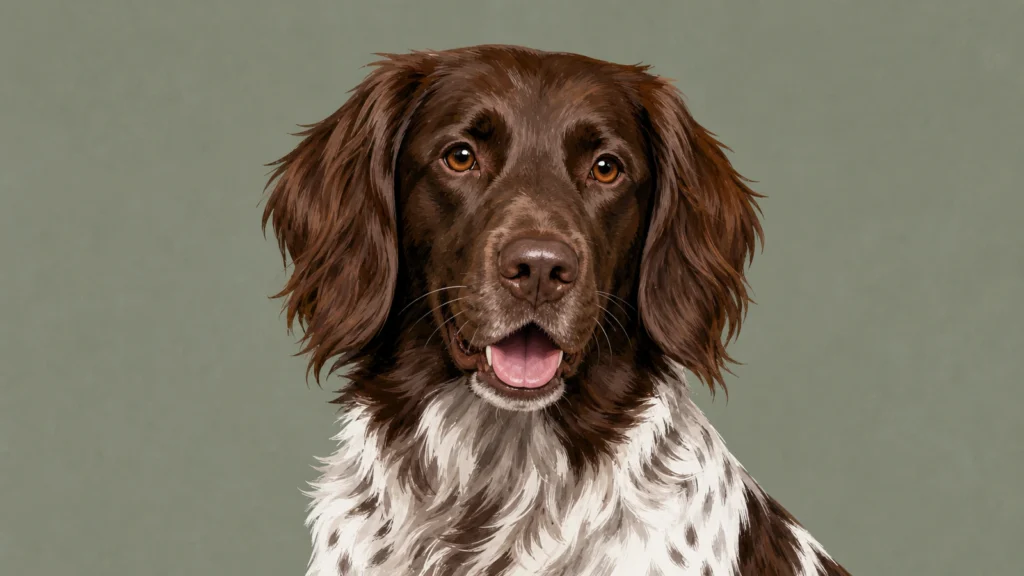
Small Munsterlander Pointer
Breed Group
Sporting Dogs
Country of Origin
Germany
Breed Size
Medium
AKC Recognition
No
FCI Recognition
Yes, recognized in 1955
Family dog
Excellent3 / 10
Good with kids
Excellent10 / 10
First-time owner
Good6 / 10
Apartment dog
Average5 / 10
Yard need
Above Average4 / 10
Can be left alone
Good7 / 10
What Do Owners Want to Know?
Are Small Munsterlander Pointer good family dogs?
The Small Munsterlander makes an excellent family companion for active households due to its affectionate, cooperative, and loyal nature. While they are tireless workers outdoors, they possess a unique "off switch" that allows them to be calm and gentle pets within the home.
Family dog: 3 / 10
Are Small Munsterlander Pointer good with kids?
Small Munsterlander Pointers are known for their gentle and patient nature, making them excellent companions for children. They often form strong, affectionate bonds and enjoy being active playmates for kids in an outdoor setting. Their balanced temperament and natural "off switch" allow them to transition from a tireless worker to a calm family pet, though supervision is always recommended to ensure safe and gentle interactions for both the dog and child.
Good with kids: 10 / 10
Are Small Munsterlander Pointer good for first-time owners?
Small Munsterlander Pointers are suitable for first-time owners who lead active lifestyles and are dedicated to providing consistent training and mental stimulation. While they are highly intelligent and eager to please, making them relatively easy to train, their strong hunting drive and high energy levels require owners willing to invest significant time in exercise and engagement. For a committed novice, their affectionate nature and "off switch" indoors make them rewarding companions.
First-time owner: 6 / 10
Are Small Munsterlander Pointer good apartment dogs?
Small Munsterlander Pointers are generally not recommended for apartment living due to their high energy levels and need for space to run.
Apartment dog: 5 / 10
Do Small Munsterlander Pointer need a yard?
A yard is highly recommended for a Small Munsterlander Pointer to accommodate their high energy and need for space.
Yard need: 4 / 10
Can Small Munsterlander Pointer be left alone?
Small Munsterlander Pointers form strong bonds with their families and may develop separation anxiety if left alone for extended periods.
Can be left alone: 7 / 10
Are Small Munsterlander Pointer good with cats?
Small Munsterlander Pointers can coexist with cats if raised together, but their strong hunting instincts mean introductions should be supervised.
Good with cats: 8 / 10
Are Small Munsterlander Pointer aggressive?
Small Munsterlander Pointers are not naturally aggressive; they are recognized for their stable, well-balanced character and friendly, attentive nature. They are devoted family companions that typically interact gently with people when properly socialized. While they exhibit a high prey drive during outdoor activities, they possess a unique "off switch" that allows them to remain calm and well-behaved household pets.
Aggression tendency: 8 / 10
Are Small Munsterlander Pointer high-energy dogs?
Small Munsterlander Pointers are high-energy working dogs that require significant daily physical and mental stimulation. They are tireless workers in the field and thrive when given tasks like swimming, tracking, or retrieving. Despite their athleticism, they possess a unique "off switch" that allows them to be calm, quiet, and affectionate companions once their exercise needs are met.
Energy level: 8 / 10
How much exercise does a Small Munsterlander Pointer need?
Small Munsterlanders require substantial daily exercise, typically between 60 and 120 minutes, to satisfy their high energy and working instincts. Activities should include long walks, runs, and specialized tasks like swimming, tracking, or retrieving. Providing regular mental stimulation through training and puzzle games is essential to prevent boredom and ensure they remain calm, well-behaved companions within the home.
Exercise need: 6 / 10
Can Small Munsterlander Pointer live in hot weather?
Small Munsterlander Pointers have a moderate tolerance for hot weather, but owners should provide shade and limit exercise during peak heat.
Hot weather tolerance: 2 / 10
Can Small Munsterlander Pointer live in cold weather?
Small Munsterlander Pointers handle cold weather well thanks to their weather-resistant double coats.
Cold weather tolerance: 6 / 10
Are Small Munsterlander Pointer banned in apartments or rentals?
Small Munsterlander Pointers are rarely subject to breed bans, as they are medium-sized, friendly, and versatile companions. While their high energy and exercise requirements may be challenging for apartment living, they are generally accepted in most rentals provided owners can meet their physical needs. Always verify specific landlord policies regarding weight limits or potential restrictions for active hunting breeds.
Rental restriction risk: 5 / 10
Vet Insights
Small Munsterlanders are intelligent, versatile hunters that transition into calm, affectionate family companions when their high exercise needs are met. As a veterinarian, I recommend prioritizing screenings for hip dysplasia and monitoring for ear infections, particularly for dogs that swim frequently. This breed can also be prone to eye conditions like progressive retinal atrophy and occasionally epilepsy or skin issues like atopic dermatitis. Maintaining an ideal body weight is crucial to protect their joints, and consistent mental stimulation is necessary to prevent boredom-induced behaviors. Early socialization and positive reinforcement training are essential for managing their strong hunting instincts and ensuring they thrive in an active household.