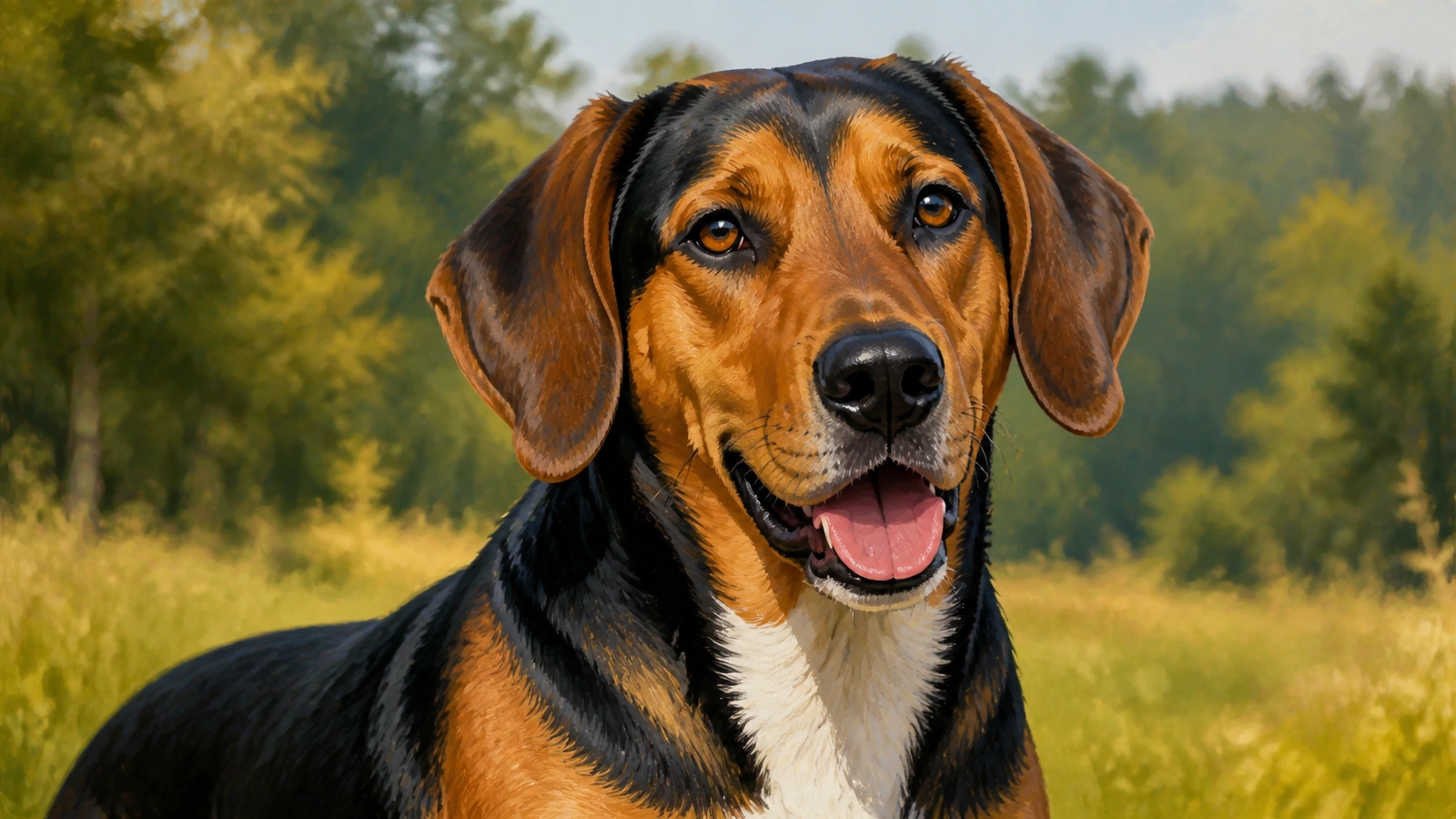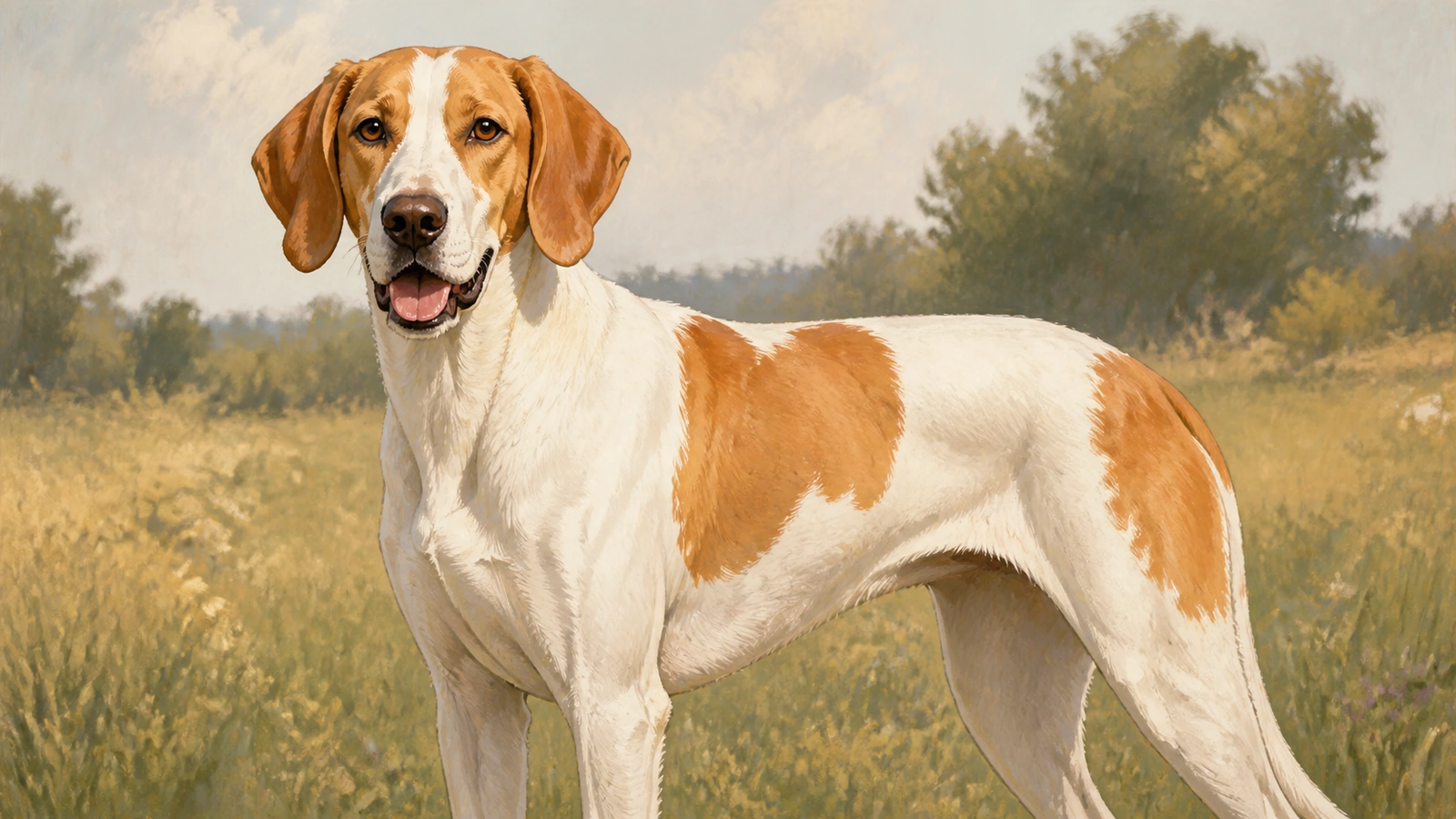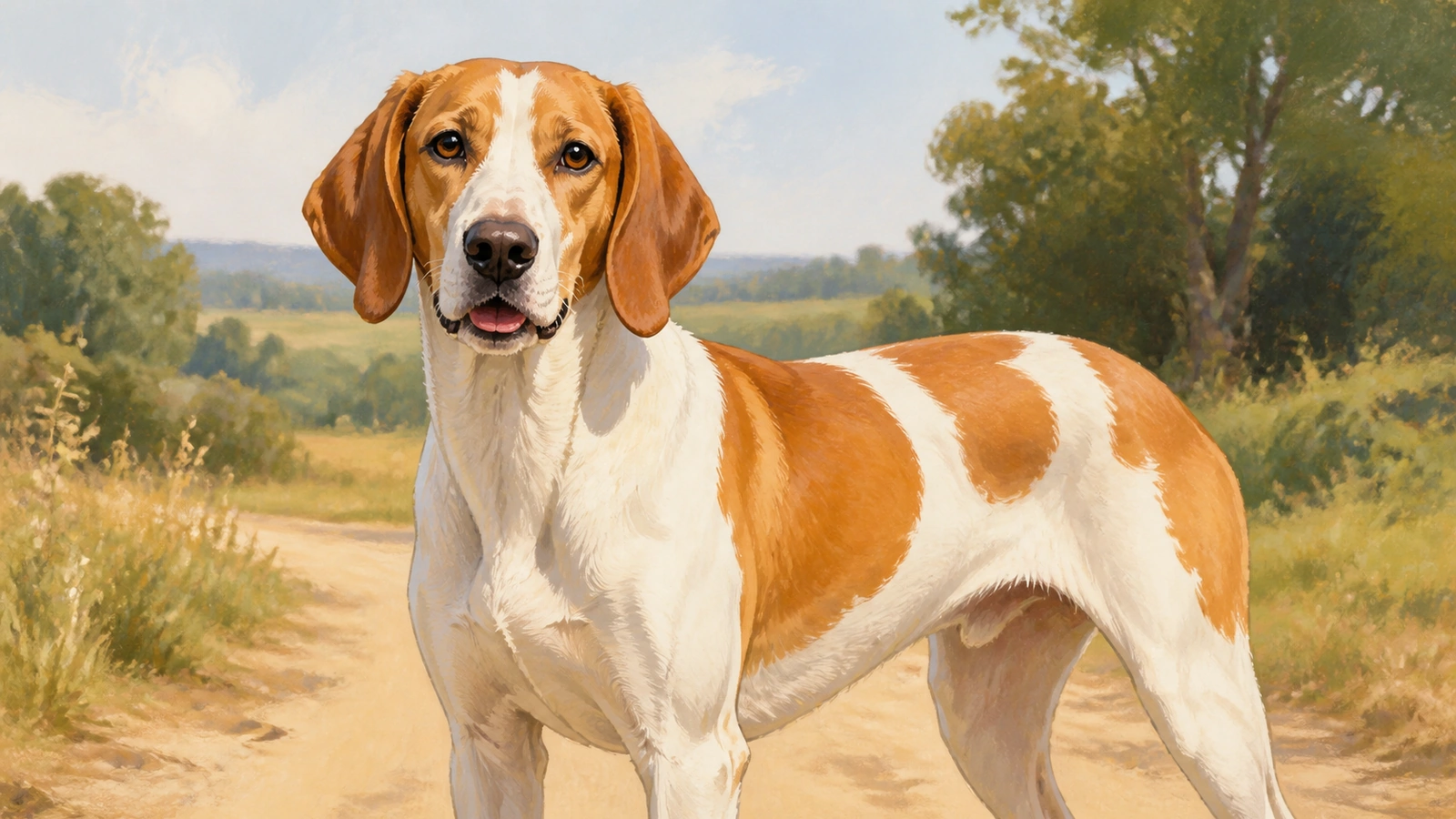
Billy - MAIN HUB
BREED GROUP
Hound Dogs
Country of origin
France
BREED SIZE
Large
BREED HEIGHT
23 -
28 IN
58 -
71 cm
BREED WEIGHT
52 -
70 LB
24 -
32 KG
WHAT YOU NEED TO KNOW
american kennel club (AKC) recognition
No
Breed was recognized in 0.

International Canine Federation (FCI) recognition
No
Breed was recognized in 0.
WHAT DO OWNERS WANT TO KNOW?
Are Billies good family dogs?
Good
6 out of 10
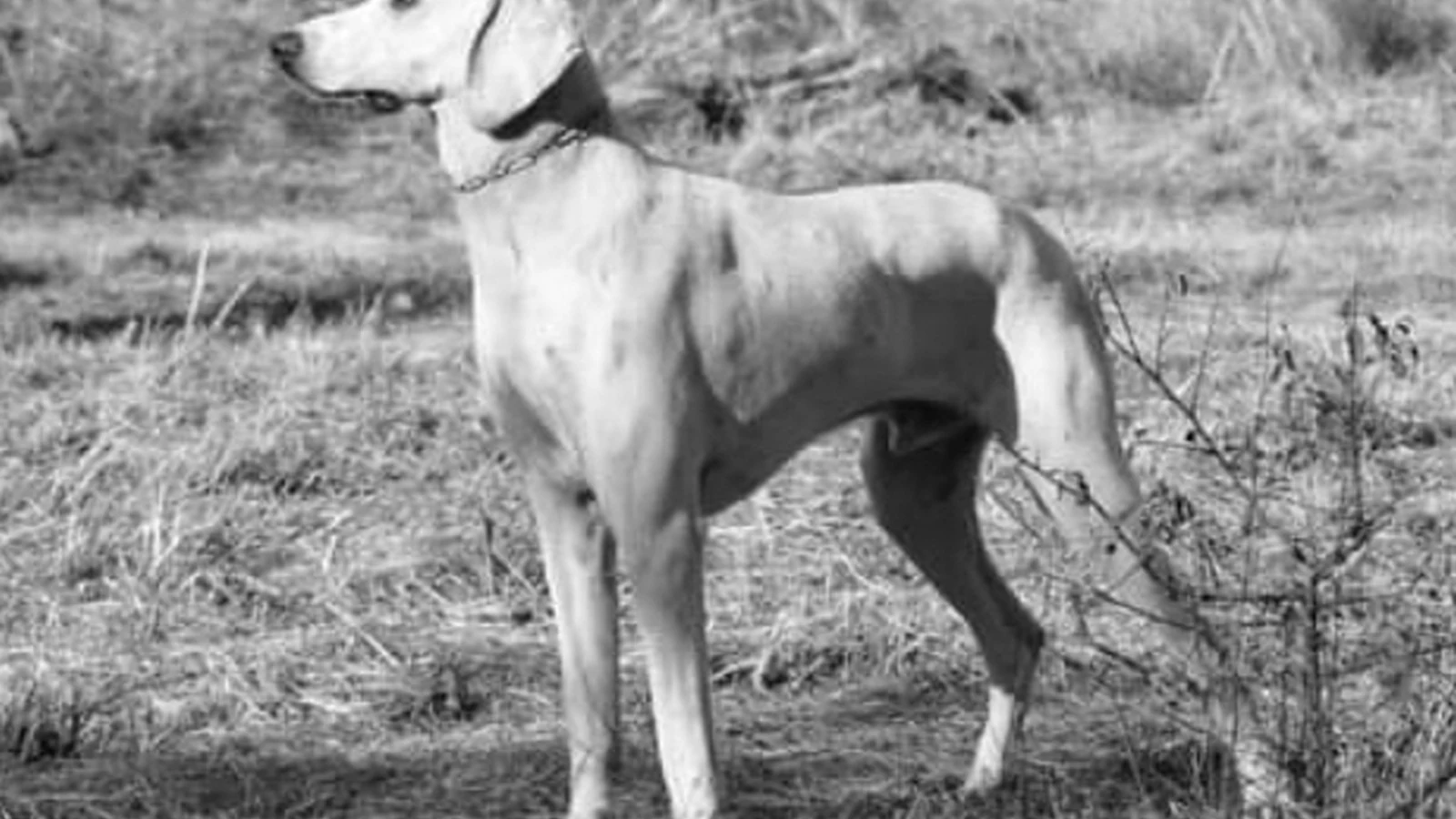
The Billy is an affectionate companion for families, but they are best suited for active owners who can provide significant daily exercise and open space. Their independent spirit and high prey drive mean they require experienced handling and may be a challenge in multi-dog households or small living environments.

Are Billies good with kids?
Excellent
8 out of 10
Billys are generally excellent with children, known for being extremely sweet, perceptive, and tolerant family companions. Their affectionate nature makes them gentle playmates even for smaller children, though their large size and high energy mean play should still be supervised. Early socialization ensures they remain calm and dedicated members of the household pack.
Are Billies good dogs for first time owners?
Not Recommended
1 out of 10
Billys are generally not recommended for first-time owners due to their independent nature, high energy levels, and strong hunting instincts. They require experienced leadership and a significant commitment to daily physical exercise and mental stimulation to thrive. Novice owners may find their self-reliant spirit and potential for disobedience challenging to manage without prior experience with active working breeds.
Are Billies good apartment dogs?
Not Recommended
1 out of 10
Billys are generally not suited for apartment living due to their large size, high energy levels, and vocal nature as scenthounds. They thrive best in homes with significant open space and a yard where they can satisfy their need for vigorous daily exercise and mental stimulation. While they are affectionate companions, their independent spirit and athletic build make them difficult to manage in small, confined living environments.
Do Billies need a yard?
Strictly Required
1 out of 10
A yard is not strictly required for a Billy, provided owners commit to significant daily exercise and mental stimulation through walks and active play. However, due to their large size, high energy levels, and powerful hunting instincts, a large and securely fenced yard is highly recommended to give this athletic breed the space it needs to run safely and thrive.
Can Billies be left at home alone?
Average
5 out of 10
Billys possess an independent and self-reliant nature that allows them to tolerate moderate periods of solitude better than more clingy breeds. However, because they are high-energy scenthounds, owners must provide significant physical exercise and mental stimulation beforehand to prevent boredom-induced behaviors when they are left alone.
Do Billies tolerate cats well?
Fair
4 out of 10
Billys generally get along well with cats, especially when raised together from a young age, due to their sensitive and tolerant nature. However, as scent hounds with a high prey drive, they are prone to chasing cats they don't know and should be socialized early and supervised during introductions to ensure a peaceful multi-pet household.
Are Billies known to be aggressive?
Alert
4 out of 10
Billys are not naturally aggressive toward humans and are typically affectionate and loyal to their families. However, their background as scenthounds for large game gives them a high prey drive and a tendency to be vocal or dominant with other dogs. Consistent socialization and experienced handling from an early age are important to manage their independent nature and ensure they remain well-mannered in multi-pet environments.
Do Billies have a lot of energy?
Hyperactive
10 out of 10
Billys are tireless, high-energy scenthounds bred for endurance and speed during long hunts. They require significant daily physical activity and mental stimulation to stay happy, as they are constantly on the move and thrive when given a job to do. Without an outlet for their athletic nature, such as long jogs or scenting games, they may become restless or bored.
How much exercise do Billies need?
~90 min a day
8 out of 10
The Billy is a highly active scenthound that requires at least 60 to 90 minutes of vigorous daily exercise to remain healthy and balanced. They thrive on long, brisk walks, jogging, or tracking activities in secure, open spaces where they can utilize their natural hunting instincts. Providing mental stimulation through nose work or scent games is essential to keep this intelligent and energetic breed engaged and to prevent boredom-related behaviors.
Do Billies tolerate hot weather well?
Very Good
7 out of 10
Billys have a very good tolerance for warm weather due to their short coats and slender builds, which were developed for endurance in the French countryside. However, because they are high-energy scenthounds, owners should still avoid intense tracking or exercise during peak afternoon heat. Providing constant access to fresh water and shaded areas is essential to ensure they remain comfortable and safe during outdoor activities.
Are Billies good with cold weather?
Very Good
7 out of 10
Billys have a very good tolerance for warm weather due to their short coats and slender builds, which were developed for endurance in the French countryside. However, because they are high-energy scenthounds, owners should still avoid intense tracking or exercise during peak afternoon heat. Providing constant access to fresh water and shaded areas is essential to ensure they remain comfortable and safe during outdoor activities.
Are Billies sometimes banned from rentals?
Likely Banned
3 out of 10
Billys are likely to face apartment breed bans primarily due to their large size and high energy levels, which often exceed standard weight limits and space requirements. As active scenthounds, they are generally perceived as ill-suited for compact living environments. Prospective owners should always check specific landlord policies regarding large working breeds and may need to provide references or training certifications to secure housing.
WHAT DO OWNERS WANT TO KNOW?