Skip to content

Nova Scotia Duck Tolling Retriever - MAIN HUB

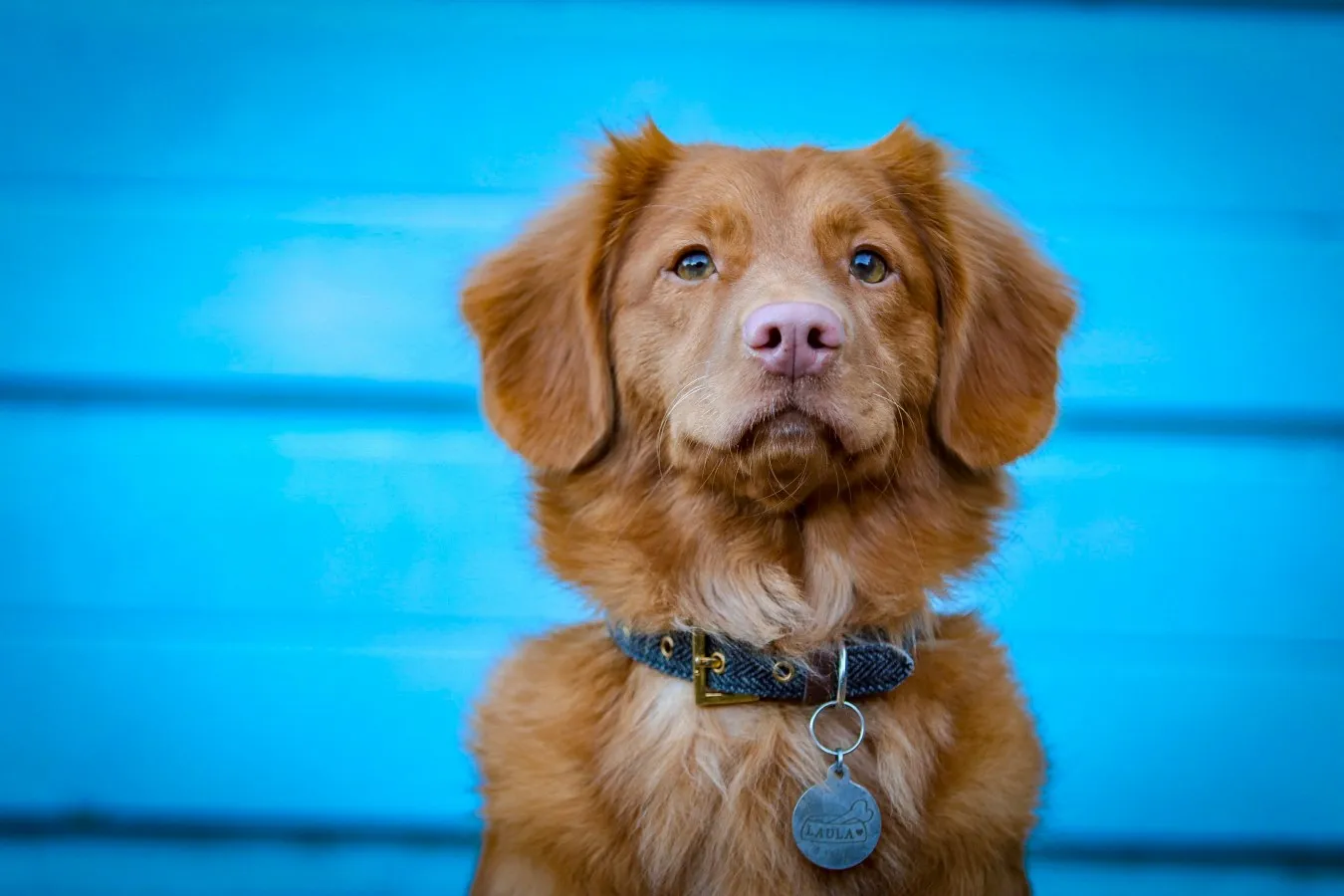
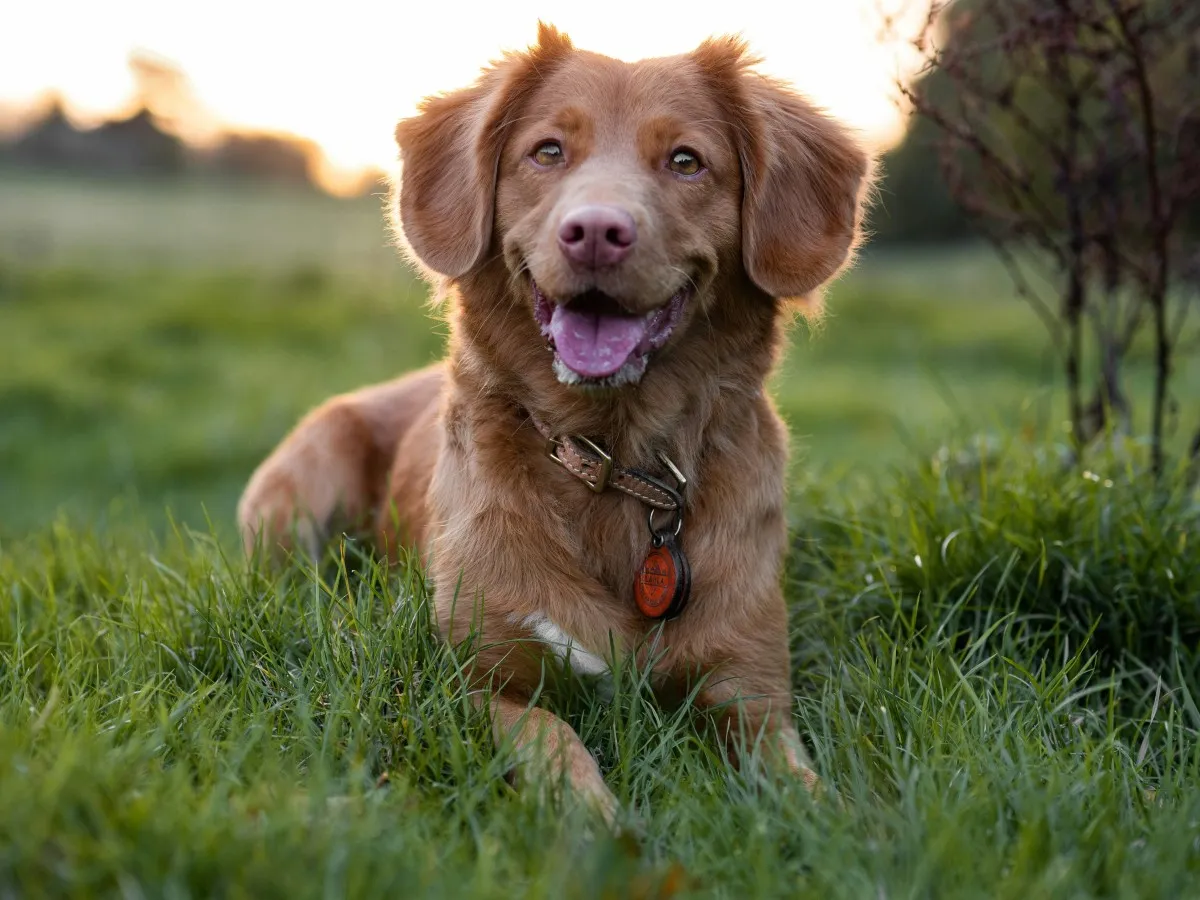
Smart, active, and affectionate, the Toller is a compact athlete ready for adventure. Perfect for hikers and swimmers seeking a loyal partner!

BREED GROUP

Sporting Dogs

Country of origin

Canada

BREED SIZE

Medium

BREED HEIGHT

17 -

21 IN

43 -

53 cm

BREED WEIGHT

35 -

50 LB

16 -

23 KG

WHAT YOU NEED TO KNOW

The Nova Scotia Duck Tolling Retriever, or Toller, is an intelligent, high-energy sporting breed from Canada. As the smallest retriever, they are famous for tolling—mimicking fox-like play to lure waterfowl. These affectionate companions thrive in active households that provide vigorous exercise and mental stimulation through hiking, swimming, or dog sports. While eager to please and generally healthy, Tollers can be independent and may emit a high-pitched scream when excited. Owners should monitor for breed-specific health concerns like Addison’s disease and hip dysplasia while ensuring early socialization for these alert, hardworking dogs.
american kennel club (AKC) recognition

Yes

Breed was recognized in 2003.

International Canine Federation (FCI) recognition

Yes

Breed was recognized in 1981.

WHAT DO OWNERS WANT TO KNOW?

Are Nova Scotia Duck Tolling Retrievers good family dogs?

Good

7 out of 10

The Nova Scotia Duck Tolling Retriever is a good family dog for active households that can provide the vigorous exercise and mental stimulation they require. They are affectionate companions that thrive on human interaction and are eager to please their owners. However, their high energy levels and independent nature mean they are best suited for families that enjoy outdoor activities like hiking and swimming.

Good

7 out of 10

Nova Scotia Duck Tolling Retrievers are generally excellent with children, known for their patient, playful, and gentle nature. Their high energy makes them wonderful companions for active kids who enjoy interactive play. While they are famously kind, supervision is recommended with very young children as their boisterous enthusiasm can be a bit rambunctious for toddlers.

Not Recommended

1 out of 10

Nova Scotia Duck Tolling Retrievers can be a challenging choice for first-time owners due to their high energy levels and intense mental stimulation needs. While they are intelligent and eager to please, their independent streak and tendency to become bored or destructive without proper outlets require a significant time commitment. Novice owners must be prepared for consistent, positive reinforcement training and a very active lifestyle to successfully manage the breed's working-dog drive and unique vocalizations.

Average

5 out of 10

Nova Scotia Duck Tolling Retrievers can adapt to apartment living if their high energy and mental stimulation needs are met through vigorous daily exercise. While their smaller size makes them physically suitable for compact spaces, owners must provide ample outdoor activity like hiking or swimming to prevent destructive behavior. Potential owners should also be mindful of the "Toller scream," a high-pitched vocalization that may disturb neighbors when the dog is excited.

Highly Recommended

3 out of 10

A fenced yard is highly recommended for Nova Scotia Duck Tolling Retrievers, as these high-energy athletes thrive with a secure space for free play and exercise. While they can adapt to apartment living if provided with at least 1 to 2 hours of vigorous daily activity, a yard is ideal for managing their energy and preventing boredom-related behaviors.

Poor

2 out of 10

Nova Scotia Duck Tolling Retrievers are deeply bonded to their families and prefer company, making them prone to separation anxiety if left alone for long periods. While they can manage moderate absences if their significant physical and mental exercise needs are met beforehand, they thrive best in active households where they are treated as part of the daily adventure. Prolonged isolation without adequate stimulation can lead to destructive behaviors or the breed's characteristic high-pitched scream.

Average

5 out of 10

Nova Scotia Duck Tolling Retrievers can get along well with cats, especially when raised together and socialized from a young age. However, their strong hunting instincts and high energy levels may trigger a drive to chase, particularly if a cat moves quickly. Supervision and early, positive introductions are essential to manage their boisterous nature and ensure they learn to coexist peacefully with feline companions.

Gentle

9 out of 10

Nova Scotia Duck Tolling Retrievers are not naturally aggressive and are known for their outgoing, friendly, and sociable nature. While they can be somewhat reserved or aloof with strangers at first, they are typically confident and gentle companions. Any negative behaviors, such as nipping or snapping, are usually the result of boredom, pent-up energy, or a lack of mental stimulation rather than inherent aggression. Consistent socialization and active engagement ensure they remain well-adjusted family pets.

Very High

9 out of 10

Nova Scotia Duck Tolling Retrievers are high-energy, athletic dogs that require substantial daily physical and mental stimulation to stay happy. Originally bred for the demanding work of tolling and retrieving waterfowl, they thrive on activities like swimming, hiking, and fetching. Without at least an hour of vigorous daily exercise, they can become bored, vocal, or destructive. Their boundless enthusiasm makes them ideal partners for active owners who enjoy outdoor adventures and interactive play.

~75 min a day

7 out of 10

Nova Scotia Duck Tolling Retrievers are high-energy athletes that typically require 60 to 90 minutes of vigorous daily exercise. They thrive on activities like swimming, hiking, and fetching, which should be paired with mental stimulation through training or puzzle toys. Ensuring they have a consistent outlet for their stamina and intelligence is essential to prevent boredom and maintain their well-being.

Fair

4 out of 10

Nova Scotia Duck Tolling Retrievers have moderate heat tolerance due to their thick double coats, which were bred for icy Canadian waters. They are prone to overheating in high temperatures and humidity, often refusing exercise when it exceeds 70°F. Owners should provide ample shade, fresh water, and prioritize swimming or indoor play during summer months. Avoid strenuous activity during peak heat to prevent heatstroke.

Fair

4 out of 10

Nova Scotia Duck Tolling Retrievers have moderate heat tolerance due to their thick double coats, which were bred for icy Canadian waters. They are prone to overheating in high temperatures and humidity, often refusing exercise when it exceeds 70°F. Owners should provide ample shade, fresh water, and prioritize swimming or indoor play during summer months. Avoid strenuous activity during peak heat to prevent heatstroke.

Rarely Banned

8 out of 10

Nova Scotia Duck Tolling Retrievers are rarely subject to breed bans, as they are generally not classified as aggressive. Their compact size typically falls within common weight limits, but their high energy levels and loud, high-pitched scream when excited can be challenging for apartment living. Always verify individual landlord policies regarding noise and activity requirements.

WHAT DO OWNERS WANT TO KNOW?


Photo
Reviewed by
Dr. Vojtech Gabriel
DVM · PhD · MBA
Veterinarian Researcher Dog breed specialist
Verified

"Nova Scotia Duck Tolling Retrievers are high-energy, intelligent athletes that require dedicated owners. As a veterinarian, I emphasize the importance of screening for hip dysplasia and Addison’s disease, which is significantly more common in this breed. They are also prone to various autoimmune disorders and eye conditions like Progressive Retinal Atrophy. Daily vigorous exercise and mental stimulation are essential to prevent obesity and destructive behaviors. I recommend regular dental care and monitoring for their unique high-pitched scream, which can indicate over-excitement. With active engagement and routine health checks, these versatile companions typically live 12-14 years."


Other Sporting Dogs