Nova Scotia Duck Tolling Retriever Training Profile
Nova Scotia Duck Tolling Retrievers are highly intelligent and eager to please, making them generally easy to train with positive reinforcement. However, their sensitivity and independent streak can lead to stubbornness if sessions are repetitive. Success requires short, varied, and reward-based training to channel their high energy and prevent boredom in this athletic, versatile breed.
TRAINABILITY
Hard
2 out of 10
MENTAL STIMULATION NEEDS
Extreme Needs
10 out of 10
LOVE FOR GRUB
Picky Eater
3 out of 10
TRAINING FAQ
Are Nova Scotia Duck Tolling Retrievers easy to train?
Very Easy
10 out of 10
Nova Scotia Duck Tolling Retrievers are highly intelligent and eager to please, making them generally easy to train with positive reinforcement. However, they are sensitive and can be stubborn if pushed too hard or subjected to excessive repetition. Consistent, reward-based sessions are essential for success with this athletic breed.
Are Nova Scotia Duck Tolling Retrievers stubborn?
Very Stubborn
2 out of 10
Nova Scotia Duck Tolling Retrievers are highly intelligent and eager to please, but they possess a notable independent and stubborn streak. They can become easily bored with repetitive tasks, often testing boundaries or choosing to ignore commands if they don’t find the activity mentally stimulating or rewarding enough.
How to train a Nova Scotia Duck Tolling Retriever puppy?
Easy
10 out of 10
Train your Nova Scotia Duck Tolling Retriever puppy using positive reinforcement and short, engaging sessions to manage their sensitive yet stubborn nature. Prioritize early socialization and enforced naps to prevent overstimulation. Incorporate retrieving games and consistent routines to channel their high intelligence and energy into productive behaviors.
How difficult is to potty train a Nova Scotia Duck Tolling Retriever puppy?
Difficult
2 out of 10
Potty training a Nova Scotia Duck Tolling Retriever typically takes about 4 months, though some may take up to 6 months to be fully housebroken. While highly intelligent and eager to please, they possess an independent streak and can be sensitive to harsh corrections. Success requires a strict schedule, positive reinforcement with plenty of praise, and consistent supervision to overcome occasional stubbornness and prevent accidents during their development.
How many walks does a Nova Scotia Duck Tolling Retriever need?
Above Average
7 out of 10
Nova Scotia Duck Tolling Retrievers are high-energy athletes requiring at least 60 to 90 minutes of vigorous daily exercise. They thrive on activities like swimming, hiking, and fetch. Without significant physical activity and mental stimulation, these intelligent dogs may become bored or destructive in the home.
What is the best daily routine for a Nova Scotia Duck Tolling Retriever?
High Needs
8 out of 10
A Nova Scotia Duck Tolling Retriever’s daily routine should focus on high levels of physical activity and mental engagement to satisfy their working instincts. Provide at least 60 to 90 minutes of vigorous exercise, such as running, swimming, or games of fetch, ideally split into two or three sessions. Incorporate 20 to 30 minutes of structured training, including obedience or retrieving drills, and use puzzle toys or scent games to prevent boredom and destructive behavior. Feed adult Tollers twice daily, potentially using meal times for training reinforcement, and ensure they have a predictable schedule for rest and outdoor exploration. Consistent variety in activities like hiking or agility work is essential to keep this intelligent and energetic breed well-adjusted.
VET INSIGHTS
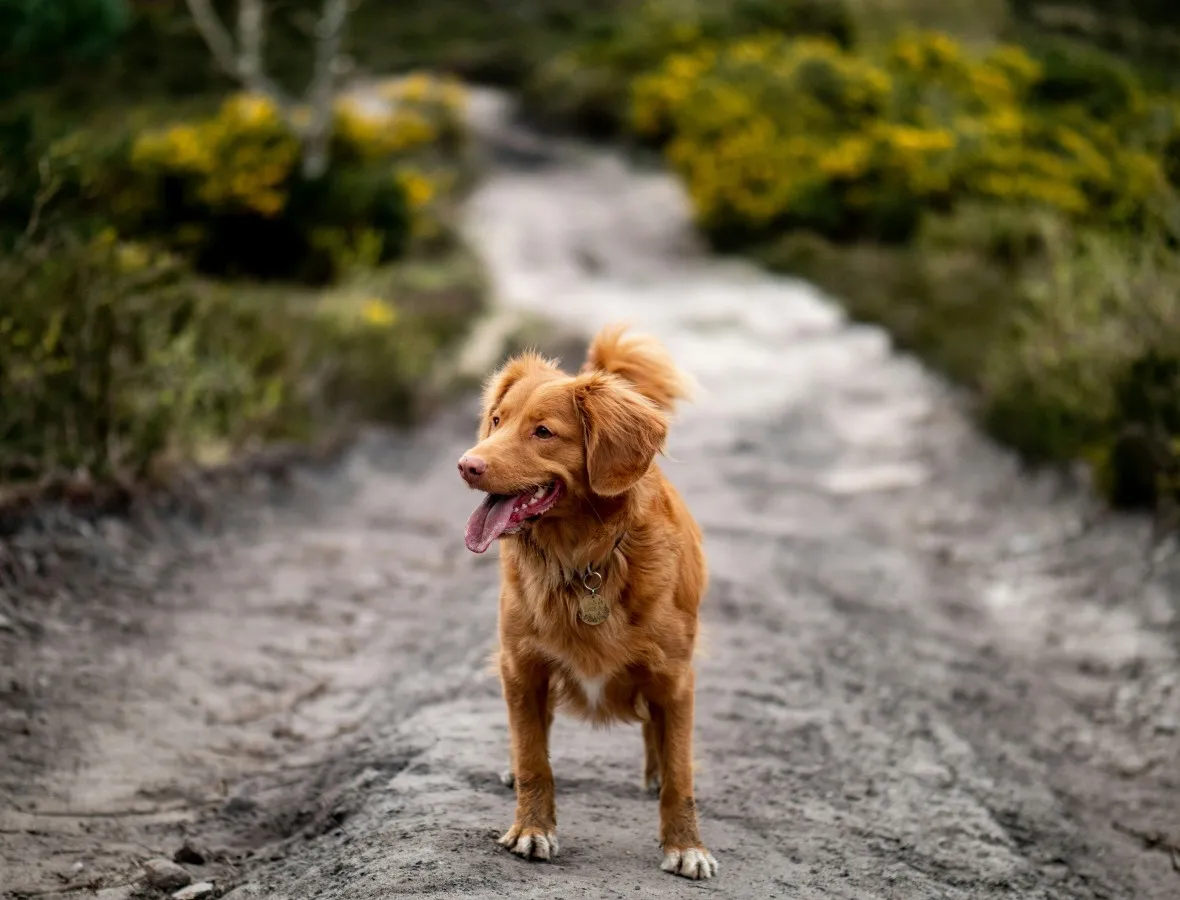
Nova Scotia Duck Tolling Retrievers are highly intelligent yet independent, requiring varied, reward-based training to manage their stubborn streak. These high-energy athletes need 60 to 90 minutes of vigorous daily exercise like swimming or fetch. While generally easy to train, their sensitivity and boredom with repetition necessitate patience and consistent routines to ensure a well-adjusted, active companion.

Reviewed by
Dr. Vojtech Gabriel
DVM · PhD · MBA
Veterinarian
Researcher
Dog breed specialist
✓
Verified