Skip to content

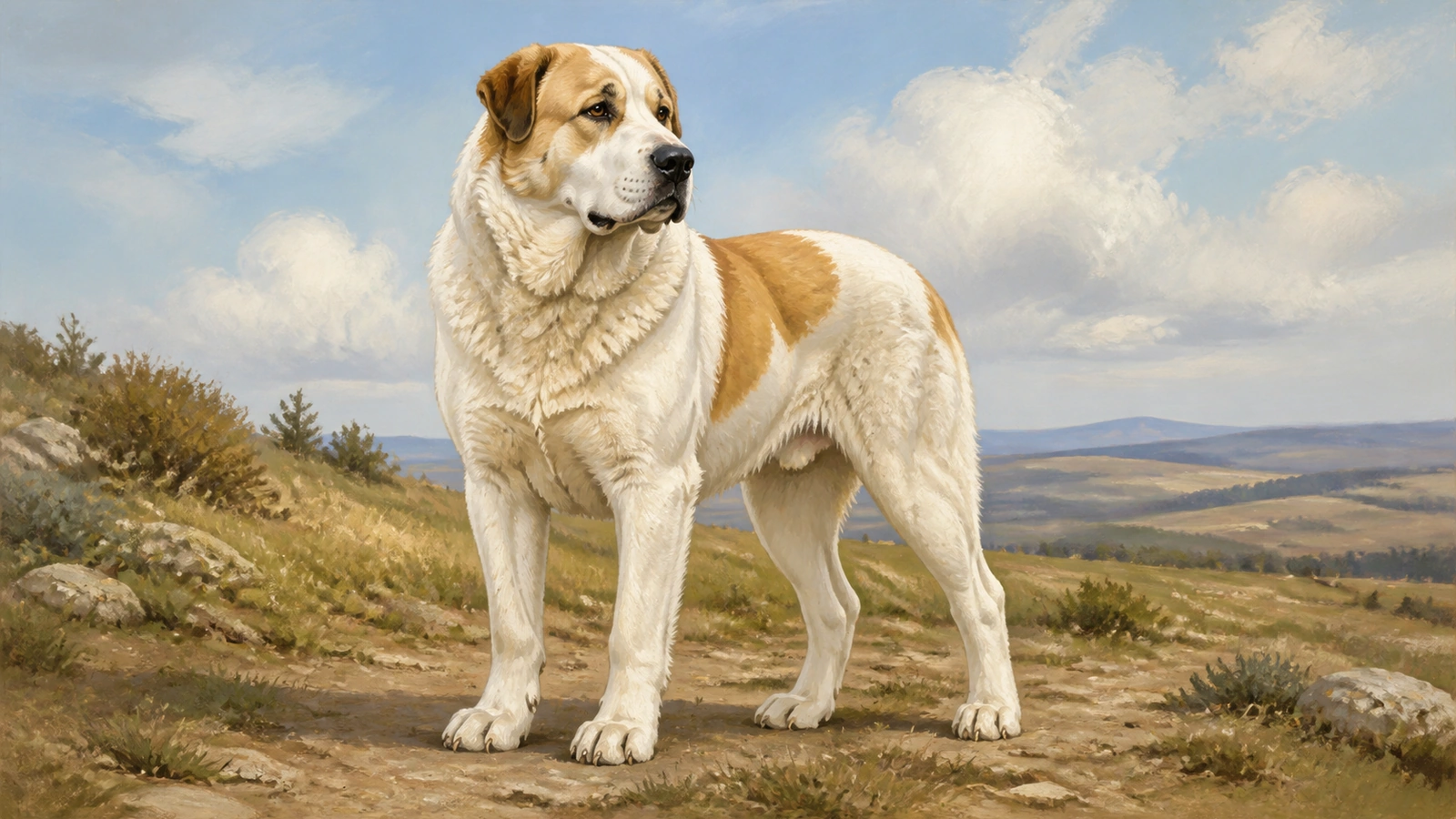
Central Asian Shepherd Dog Training Profile

Central Asian Shepherd Dogs are highly independent and self-willed guardians, making training a unique challenge. While intelligent, they often ignore commands without clear purpose or firm leadership. Success requires extreme patience, consistency, and reward-based methods. Early socialization is vital to manage their protective instincts and ensure they become reliable, well-mannered family companions.

TRAINABILITY

Average

5 out of 10

MENTAL STIMULATION NEEDS

Very High

9 out of 10

LOVE FOR GRUB

Picky Eater

3 out of 10

TRAINING FAQ

Are Central Asian Shepherd Dogs easy to train?

Average

5 out of 10

Central Asian Shepherd Dogs are intelligent but highly independent, which can make them moderately challenging to train. While they are capable of learning and eager to please their family, their self-willed nature means they may ignore commands if they do not see a clear purpose or trust their owner’s leadership. Success requires a calm, firm leader who uses consistent positive reinforcement and reward-based methods from an early age.

Sometimes Stubborn

5 out of 10

Central Asian Shepherd Dogs are highly independent and self-willed, which can make training a challenge for novice owners. While they are intelligent and capable of learning, they often ignore commands if they do not see a clear purpose or trust their owner’s leadership. Success requires extreme patience, consistency, and firm, reward-based methods.

Moderate

5 out of 10

Train your Central Asian Shepherd Dog puppy using calm, firm leadership and positive reinforcement, as harsh methods can backfire with this sensitive breed. Prioritize early and continuous socialization to manage their natural guarding and territorial instincts. Focus on basic obedience, handling exercises, and building trust through short, engaging sessions that incorporate rewards like treats and praise. Establish clear boundaries and a consistent routine to channel their independent thinking into positive behaviors from a young age.

Moderate

5 out of 10

Potty training a Central Asian Shepherd Dog typically takes several months, as they are independent livestock guardians that require consistent leadership. While they are naturally clean, their self-willed nature means success depends on a strict outdoor schedule and firm, reward-based methods. Establishing a predictable routine and using crate training are essential tools to help this breed understand where it is appropriate to eliminate.

High Needs

8 out of 10

Central Asian Shepherd Dogs require about 60 to 90 minutes of daily exercise to maintain their physical and mental well-being. This can be achieved through long, brisk walks combined with yard patrols or free roaming in a large, securely fenced area. Despite their size, they are not hyperactive but possess significant endurance when engaged with a purpose. Consistent daily movement helps manage their energy and prevents obesity while satisfying their natural guarding instincts.

High Needs

8 out of 10

A Central Asian Shepherd Dog’s daily routine should center on structured activity and firm leadership to manage their independent guarding nature. Provide 60 to 90 minutes of daily exercise, such as long walks, yard patrols, or roaming on secure property, ideally split into morning and evening sessions. Feed adult dogs two smaller meals daily to prevent bloat, a common concern for large breeds. Daily care includes weekly brushing, with increased frequency during seasonal shedding, and short 5-10 minute training sessions focused on basic obedience and positive reinforcement. Ensure they have a secure, spacious environment to perform their natural guardian duties and prioritize early, ongoing socialization to manage their territorial instincts around strangers.
VET INSIGHTS

Central Asian Shepherd Dogs are intelligent but highly independent guardians requiring firm leadership and consistent reward-based training. They need 60 to 90 minutes of daily activity, such as long walks or yard patrols, to satisfy their protective instincts. Early socialization is vital to manage their territorial nature, ensuring they become calm, well-mannered family companions for experienced owners.
Photo
Reviewed by
Dr. Vojtech Gabriel
DVM · PhD · MBA
Veterinarian Researcher Dog breed specialist
Verified

Explore Other Breed TRAINING PROFILES