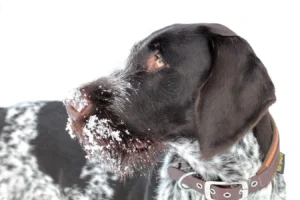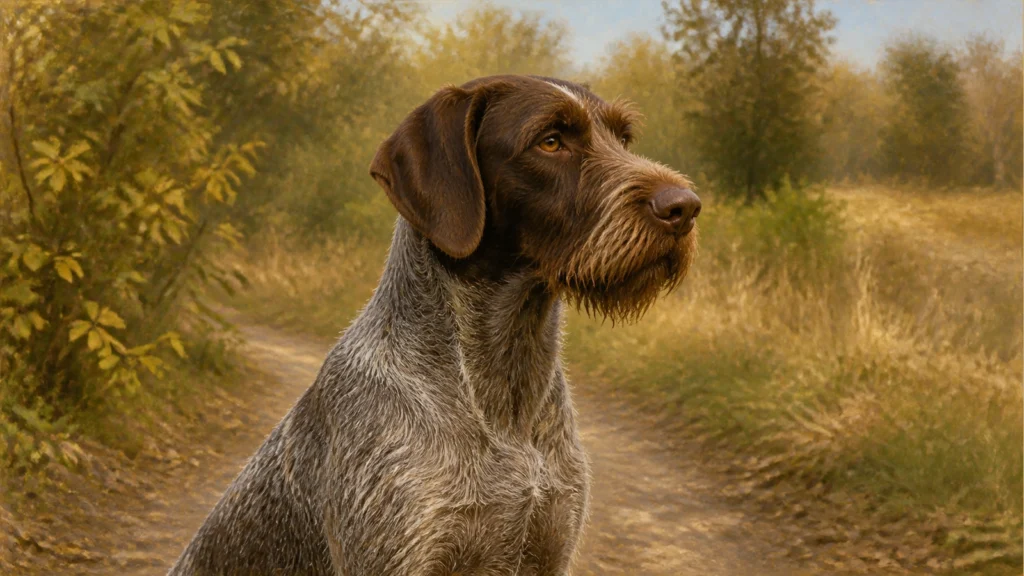
German Rough-Haired Pointer Training Profile
Breed Group
Sporting Dogs
Country of Origin
Germany
Breed Size
Large
AKC Recognition
No
FCI Recognition
Yes
Mental stimulation needs
Below Average4 / 10
Trainability
6 / 10
Picky eater
Average6 / 10
Easy to train
Moderate6 / 10
Training stubbornness
Moderate6 / 10
Puppy training
Average6 / 10
Training FAQ
Are German Rough-Haired Pointer easy to train?
German Rough-Haired Pointers are generally intelligent and eager to please, making them relatively easy to train with positive reinforcement. While they are quick learners that excel in various dog sports, their independent hunting heritage can lead to a stubborn streak if they are bored. Success requires consistent leadership, variety in sessions, and plenty of mental stimulation to keep these spirited dogs focused and cooperative.
Easy to train: 6 / 10
Are German Rough-Haired Pointer stubborn to train?
German Rough-Haired Pointers are generally intelligent and eager to please, but their independent hunting heritage can lead to a stubborn streak. They may outsmart owners if bored or if training lacks variety. Consistent, reward-based sessions and clear leadership are essential to keep these spirited dogs focused and cooperative.
Training stubbornness: 6 / 10
How do you train a German Rough-Haired Pointer puppy?
Train your German Rough-Haired Pointer puppy using positive reinforcement and firm, consistent guidance to manage their independent hunting instincts. Focus on early socialization and incorporate mental stimulation through scent games and puzzles to prevent boredom. Keep sessions short, fun, and varied while establishing a predictable routine to build a strong, cooperative bond.
Puppy training: 6 / 10
How difficult is potty training in German Rough-Haired Pointer?
Potty training a German Rough-Haired Pointer typically takes 4 to 6 months. While intelligent and generally responsive, their independent hunting heritage can lead to an occasional stubborn streak during training. Success relies on a consistent routine, positive reinforcement, and clear leadership to ensure these spirited dogs master housebreaking effectively.
Potty training difficulty: 6 / 10
How many walks does a German Rough-Haired Pointer need?
German Rough-Haired Pointers are high-energy athletes that require extensive daily exercise, typically totaling at least 60 to 90 minutes. They thrive on two or three brisk walks combined with vigorous activities like free running, hiking, or swimming to satisfy their stamina. Because they are scent-driven and have a strong prey drive, it is essential to keep them on a leash or in a securely fenced area during outdoor activity.
Walking need: 8 / 10
What is the best daily routine for a German Rough-Haired Pointer?
A German Rough-Haired Pointer's daily routine should focus on intense physical exertion and mental engagement to satisfy their hunting instincts. Provide at least one to two hours of vigorous activity, such as hiking, off-leash running, or swimming, combined with structured training sessions or scent work to prevent boredom. Feed them a high-quality diet in two daily meals and maintain a consistent schedule for exercise and rest. Essential daily care includes checking their floppy ears for infection, regular brushing of their wiry coat, and ensuring they have quality time with their family to manage potential separation anxiety.
Routine need: 9 / 10
Vet Insights
German Rough-Haired Pointers are intelligent, high-energy athletes requiring at least 60 to 90 minutes of vigorous daily exercise to satisfy their hunting instincts. While eager to please, their independent nature can lead to stubbornness if they become bored. Training requires consistent leadership and mental stimulation. Their care routine focuses on exercise, ear health, and managing potential separation anxiety.