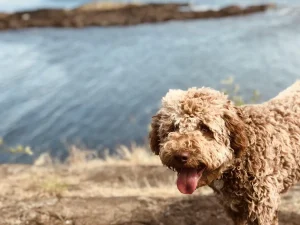
Perro de Presa Canario Training Profile
Breed Group
Working Dogs
Country of Origin
Spain
Breed Size
Large
AKC Recognition
No
FCI Recognition
No
Mental stimulation needs
Below Average4 / 10
Trainability
8 / 10
Picky eater
Picky Eater3 / 10
Easy to train
Willing7 / 10
Training stubbornness
Cooperative8 / 10
Puppy training
Good8 / 10
Training FAQ
Are Perro de Presa Canario easy to train?
Perro de Presa Canarios are intelligent and eager to learn, but they require a confident, experienced owner who can provide firm leadership. While they master tasks quickly, their strong-willed nature and protective instincts necessitate early socialization and consistent, positive reinforcement to ensure they become well-mannered companions.
Easy to train: 7 / 10
Are Perro de Presa Canario stubborn to train?
Perro de Presa Canarios are highly intelligent and generally cooperative with confident owners, but they can display a strong-willed, independent streak. They respond best to firm, consistent leadership and positive reinforcement. Without clear boundaries and purposeful training, they may test limits or become selectively obedient.
Training stubbornness: 8 / 10
How do you train a Perro de Presa Canario puppy?
The ideal routine for a Perro de Presa Canario centers on structure and physical activity. Plan for 60-90 minutes of daily exercise, including two brisk walks and strength-building play like tug-of-war. Incorporate short training sessions to satisfy their intelligence and provide two scheduled meals to prevent bloat.
Puppy training: 8 / 10
How difficult is potty training in Perro de Presa Canario?
Potty training a Perro de Presa Canario typically takes 4 to 6 months to achieve reliability. While intelligent, their strong-willed nature and large size require a consistent schedule, crate training, and firm leadership. Success relies on frequent outdoor breaks and positive reinforcement to manage their independent streak and ensure long-term housebreaking.
Potty training difficulty: 7 / 10
How many walks does a Perro de Presa Canario need?
The ideal routine for a Perro de Presa Canario centers on structure and physical activity. Plan for 60-90 minutes of daily exercise, including two brisk walks and strength-building play like tug-of-war. Incorporate short training sessions to satisfy their intelligence and provide two scheduled meals to prevent bloat.
Walking need: 8 / 10
What is the best daily routine for a Perro de Presa Canario?
A Perro de Presa Canario's daily routine should focus on firm leadership, structure, and high physical activity. Provide 60 to 90 minutes of exercise daily, including one long or two shorter brisk leashed walks supplemented with strength-building play like tug-of-war or swimming. Feed adult Presas twice daily, allowing 30 minutes of rest after meals to prevent bloat. Essential daily care includes early socialization and short, consistent training sessions to satisfy their intelligence, manage their protective instincts, and reinforce their role within the family. Always ensure they have a dedicated, quiet area for undisturbed rest to prevent overstimulation.
Routine need: 4 / 10
Vet Insights
Perro de Presa Canarios are intelligent, strong-willed guardians requiring experienced leadership and early socialization. They master tasks quickly through consistent positive reinforcement. Daily care includes 60 to 90 minutes of structured exercise, such as brisk walks and strength-building play. A routine emphasizing firm boundaries, twice-daily feedings with rest to prevent bloat, and short training sessions ensures a loyal, well-mannered companion.