Skip to content

Hellenic Hound - MAIN HUB

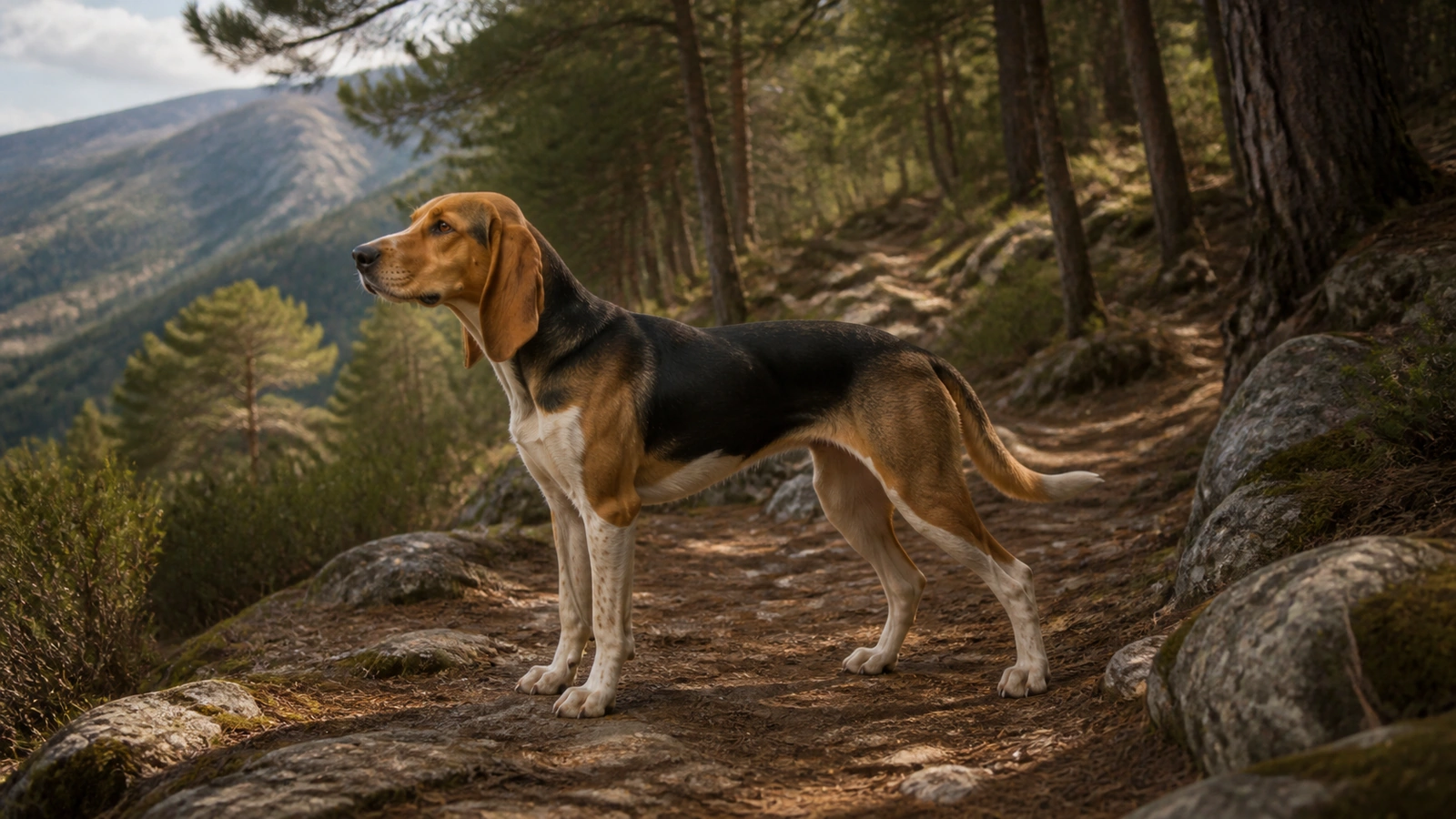
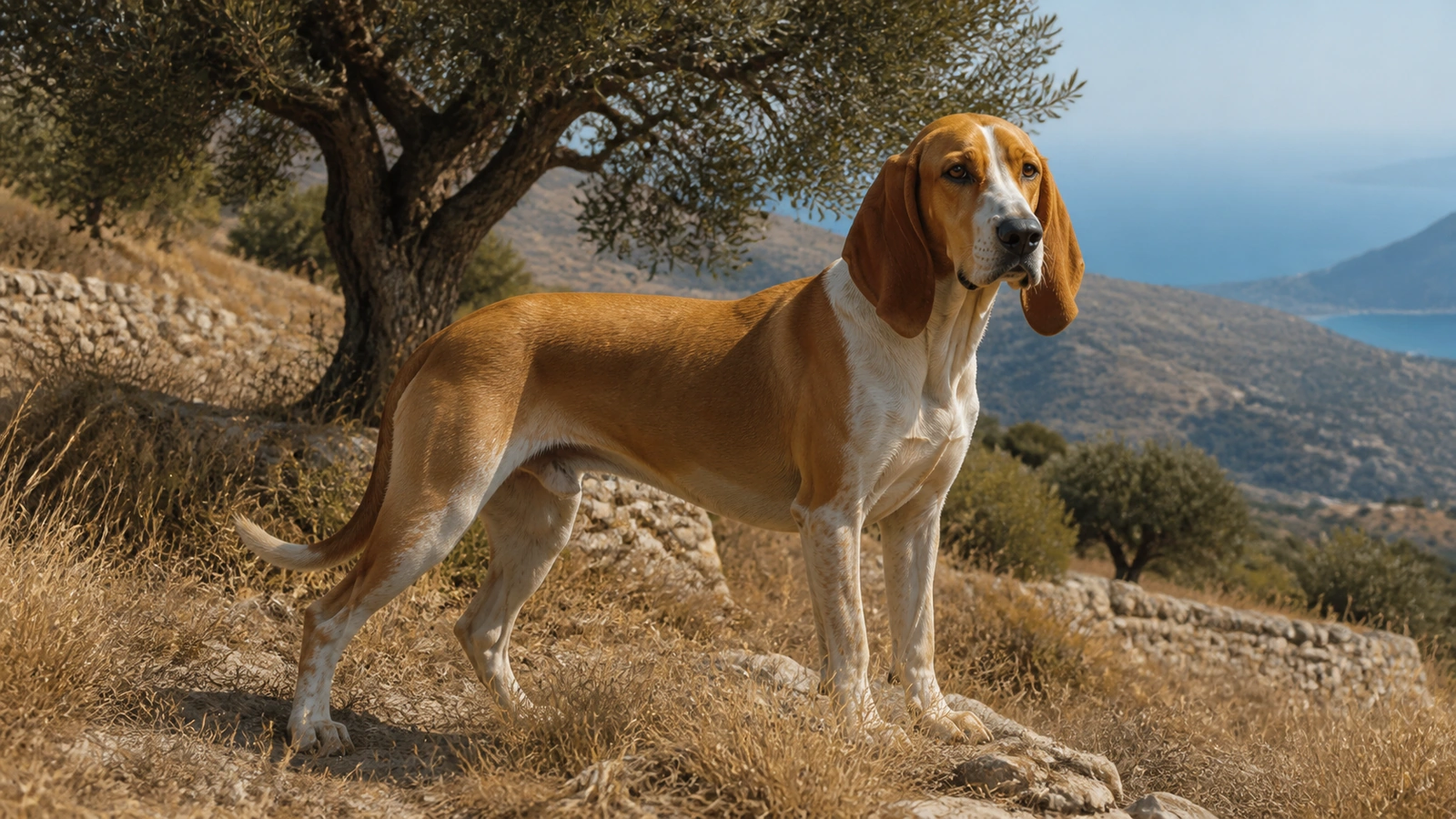
An ancient, athletic Greek hunter with a legendary nose. Loyal and energetic, this hardy hound is the perfect partner for active outdoor adventures.

BREED GROUP

Hound Dogs

Country of origin

Greece

BREED SIZE

Medium

BREED HEIGHT

17 -

22 IN

43 -

56 cm

BREED WEIGHT

37 -

44 LB

17 -

20 KG

WHAT YOU NEED TO KNOW

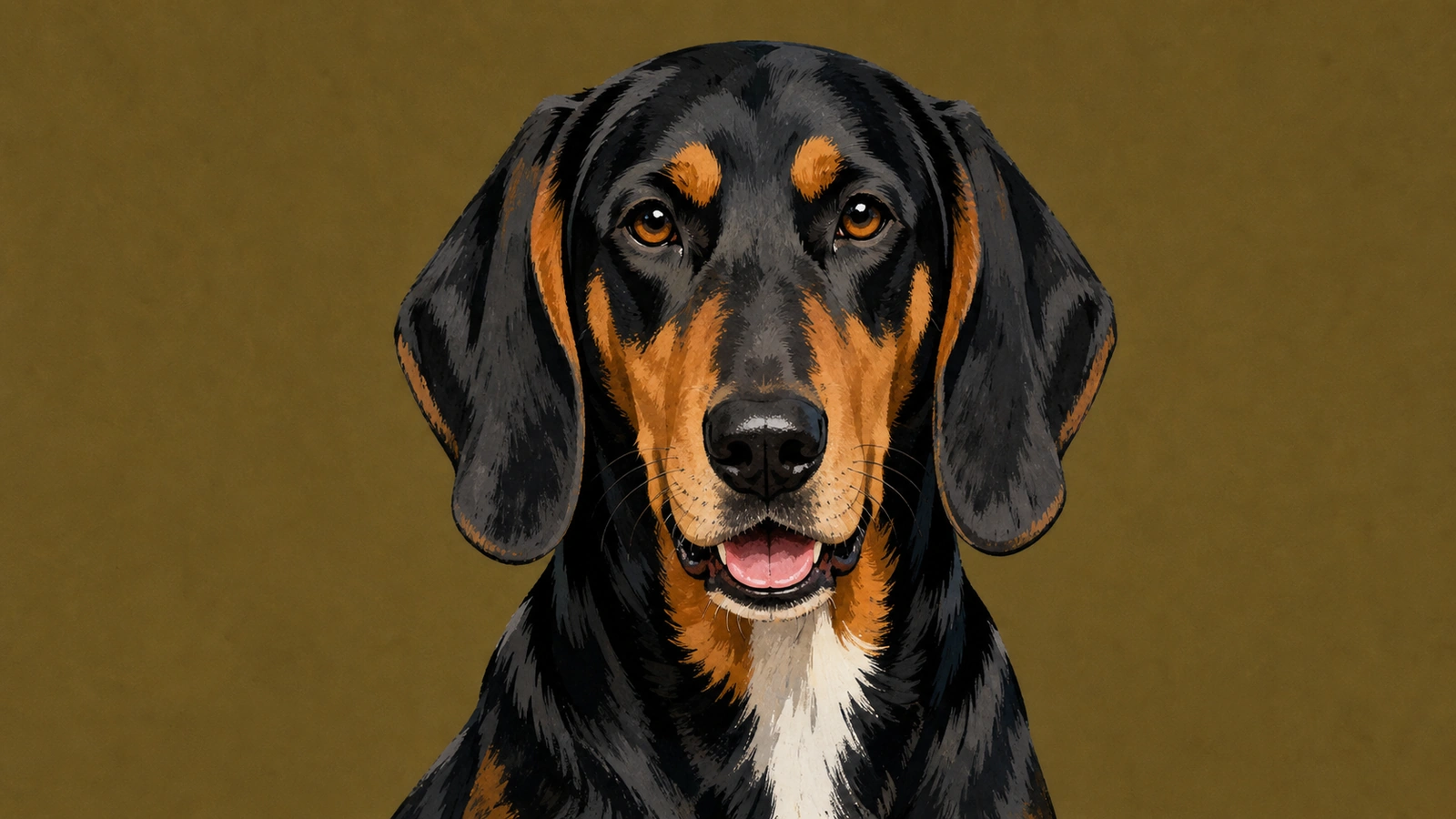
The Hellenic Hound, or Greek Harehound, is a hardy, medium-sized scenthound from Greece with a history dating back thousands of years. Known for their exceptional sense of smell and resonant voice, these athletic black and tan dogs excel in rugged terrain. They are highly energetic, independent, and possess a strong prey drive, making them better suited for active owners and hunters than for novice households. While loyal and gentle with their families, they require significant daily exercise and consistent training to thrive and avoid destructive behaviors.
american kennel club (AKC) recognition

No

Breed was recognized in 0.

International Canine Federation (FCI) recognition

Yes

Breed was recognized in 1954.
WHAT DO OWNERS WANT TO KNOW?

Are Hellenic Hounds good family dogs?

Poor

2 out of 10

Hellenic Hounds can be good family dogs for active households, as they are loyal and gentle with their families. However, their high energy levels and strong prey drive mean they require significant daily exercise and consistent training to prevent destructive behaviors.

Not Recommended

2 out of 10

Hellenic Hounds are generally good with children who show them respect, making them loyal and playful companions. Due to their history as hunting dogs, they may be impatient with unruly toddlers, so supervised play is recommended to ensure safety. Early socialization helps these active hounds remain calm and well-behaved around younger family members.

Poor

2 out of 10

Hellenic Hounds are generally recommended for experienced owners rather than novices due to their high energy levels, strong prey drive, and independent nature. They require consistent training and early socialization to ensure they remain well-adjusted.

Poor

2 out of 10

Hellenic Hounds are not well-suited for apartment living due to their high energy levels, strong hunting instincts, and loud, resonant voices. They thrive in active households with large, secure outdoor spaces where they can run and explore freely. Without significant daily physical and mental exercise, they are prone to becoming bored and developing destructive behaviors, making them a challenging choice for compact urban environments.

Below Average

6 out of 10

A yard is not strictly required for a Hellenic Hound, though it is highly recommended due to their high energy levels and athletic nature. While they can adapt to various living situations if provided with substantial daily exercise and mental stimulation, a large, secure outdoor space allows them to safely burn energy and satisfy their natural instincts.

Average

5 out of 10

Hellenic Hounds are independent scent hounds that can generally tolerate moderate periods of solitude if their high exercise needs are met. However, prolonged isolation may lead to destructive behaviors or excessive vocalization.

Good

6 out of 10

Hellenic Hounds can coexist with cats, particularly when raised together from a young age, but their high prey drive means they should be closely monitored around smaller pets. While they can be loyal companions, their natural hunting instincts may trigger a drive to chase, so early socialization and slow, supervised introductions are essential for a harmonious multi-pet home.

Moderate

6 out of 10

Hellenic Hounds are not naturally aggressive and are known to be loyal and gentle with their families. However, their high prey drive and territorial nature mean they can be suspicious of strangers and may sound an alarm when they approach. Consistent training and early socialization are important to ensure they remain well-behaved and manageable watchdogs.

Moderate

5 out of 10

Hellenic Hounds are exceptionally high-energy scent hounds with legendary stamina, originally bred for tracking hare across rugged Greek terrain. They require significant daily physical activity and mental engagement, such as long, vigorous walks or scent work, to prevent boredom-driven destructive behaviors. This breed thrives in active households and is best suited for homes with large, secure outdoor spaces where they can run and explore freely.

~45 min a day

5 out of 10

Hellenic Hounds require significant daily exercise to maintain their health and prevent destructive behaviors, typically needing 60 to 120 minutes of vigorous activity. As high-energy scent hounds, they thrive on long walks, jogging, and scent work.

Poor

3 out of 10

Hellenic Hounds have a moderate tolerance for warm weather thanks to their short, dense coats. However, they can overheat during intense activity, so owners should provide ample shade and fresh water.

Poor

3 out of 10

Hellenic Hounds have a moderate tolerance for warm weather thanks to their short, dense coats. However, they can overheat during intense activity, so owners should provide ample shade and fresh water.

Moderate Risk

6 out of 10

Hellenic Hounds are rarely named on explicit breed-restricted lists, but they are often practically restricted in apartments and rentals because of their loud baying and high energy. Their vocal nature and need for significant space make them generally unsuitable for close-quarters living.

WHAT DO OWNERS WANT TO KNOW?


Photo
Reviewed by
Dr. Vojtech Gabriel
DVM · PhD · MBA
Veterinarian Researcher Dog breed specialist
Verified

"The Hellenic Hound is a robust scenthound, but they can be prone to hip dysplasia and ear infections. Regular veterinary checkups and ear cleaning are recommended."

Other Hound Dogs