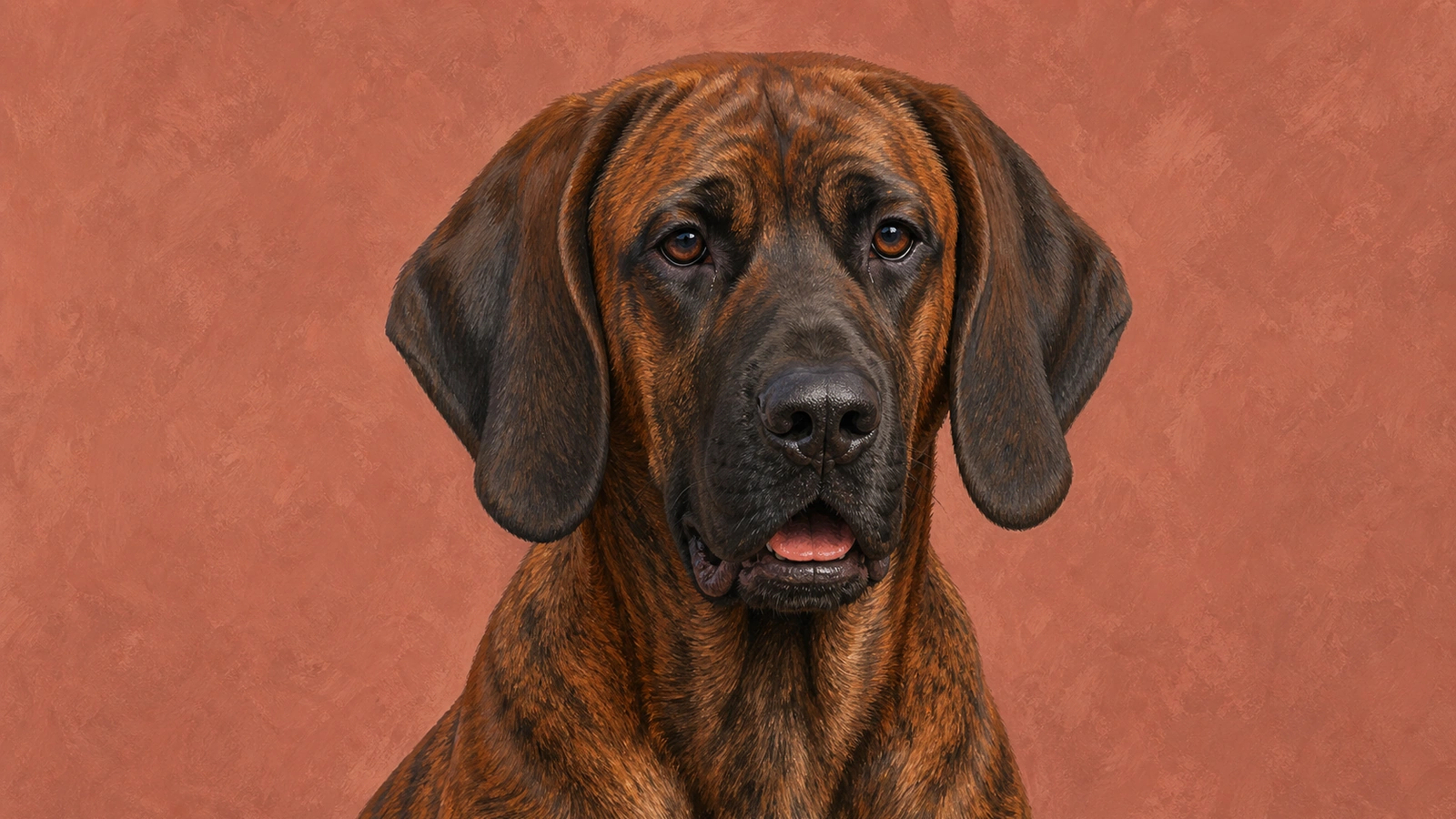
Hanoverian Scenthound - MAIN HUB
BREED GROUP
Hound Dogs
Country of origin
Germany
BREED SIZE
Large
BREED HEIGHT
19 -
22 IN
48 -
56 cm
BREED WEIGHT
79 -
99 LB
36 -
45 KG
WHAT YOU NEED TO KNOW
american kennel club (AKC) recognition
No
Breed was recognized in 0.

International Canine Federation (FCI) recognition
Yes
Breed was recognized in 1954.
WHAT DO OWNERS WANT TO KNOW?
Are Hanoverian Scenthounds good family dogs?
Poor
2 out of 10
The Hanoverian Scenthound can be a good family dog for active households that can provide the purposeful activity and space this substantial breed requires. While they are loyal companions, their large size and specialized hunting heritage mean they thrive best when their physical and mental needs are met.

Are Hanoverian Scenthounds good with kids?
Not Recommended
2 out of 10
The Hanoverian Scenthound is generally gentle and loyal, but its large size and specialized hunting background mean it is often better suited for older children rather than toddlers. While they can be patient and calm, their physical strength and occasional boisterousness require supervised interactions to ensure safety. Early socialization is essential to help them adapt to the energy and unpredictability of a household with kids.
Are Hanoverian Scenthounds good dogs for first time owners?
Poor
2 out of 10
Hanoverian Scenthounds are generally not recommended for first-time owners due to their independent nature and highly specialized needs as a tracking breed. They require experienced handlers who can provide a clear purpose, consistent training, and significant mental stimulation to manage their strong scent-driven instincts. Their high persistence and specialized working background make them a challenging commitment for a novice owner.
Are Hanoverian Scenthounds good apartment dogs?
Not Recommended
3 out of 10
Hanoverian Scenthounds are not recommended for city or apartment living due to their large size, high exercise needs, and specialized working nature. They thrive best in homes with ample outdoor areas where they can explore safely.
Do Hanoverian Scenthounds need a yard?
High
3 out of 10
A yard is not strictly required for a Hanoverian Scenthound if owners provide significant daily activity, but a large, secure garden is highly recommended to satisfy their need for space and freedom to roam. While they can adapt to various living situations, their high energy and scent-driven nature mean they thrive best in homes with ample outdoor areas where they can explore safely. Consistent daily exercise and mental stimulation are essential to prevent boredom and destructive behavior, especially if a yard is not available.
Can Hanoverian Scenthounds be left at home alone?
Average
5 out of 10
Hanoverian Scenthounds are generally independent and can handle being left alone for moderate periods due to their calm and focused temperament. While they are less prone to separation anxiety than many breeds, they bond deeply with their owners and are most content when they are integrated into daily family life rather than isolated for extended durations.
Do Hanoverian Scenthounds tolerate cats well?
Fair
4 out of 10
Hanoverian Scenthounds can coexist with cats if introduced early, but their deep-rooted prey drive means smaller animals may trigger a chase instinct. While they can form peaceful bonds with household pets through consistent socialization, all interactions should be supervised to manage their natural hunting heritage. Slow introductions and providing safe spaces for feline companions are recommended to ensure a harmonious multi-pet environment.
Are Hanoverian Scenthounds known to be aggressive?
Balanced
5 out of 10
Hanoverian Scenthounds are not naturally aggressive and are known for their calm, assured, and loyal temperament. While they are devoted to their families and patient with children, they tend to be reserved and discerning with strangers. Due to their strong hunting heritage, they possess a high prey drive toward smaller animals, so early socialization and consistent training are essential to manage their protective instincts and ensure they remain well-behaved companions.
Do Hanoverian Scenthounds have a lot of energy?
Active
6 out of 10
Hanoverian Scenthounds are active working dogs that require consistent daily activity to satisfy their high energy levels. Originally bred for the endurance of tracking large game, they thrive when given a clear purpose or "job" to do. Without at least 60 to 120 minutes of daily exercise and mental stimulation through scent work, they may become restless or bored.
How much exercise do Hanoverian Scenthounds need?
~60 min a day
6 out of 10
The Hanoverian Scenthound requires a good deal of daily physical activity, typically needing about 60 minutes of purposeful exercise. As a specialized tracking breed, they thrive on activities that engage their powerful sense of smell, such as scent work or long, methodical walks. Providing regular mental and physical stimulation is essential to prevent destructive behaviors, nervousness, or excessive barking.
Do Hanoverian Scenthounds tolerate hot weather well?
Very Poor
2 out of 10
Hanoverian Scenthounds have a very low tolerance for heat due to their large size and dense, coarse coats designed for harsh tracking environments. They are prone to overheating and heatstroke in high temperatures and humidity. Owners must provide ample shade, constant access to fresh water, and strictly limit strenuous physical activity or tracking drills to the coolest parts of the day.
Are Hanoverian Scenthounds good with cold weather?
Very Poor
2 out of 10
Hanoverian Scenthounds have a very low tolerance for heat due to their large size and dense, coarse coats designed for harsh tracking environments. They are prone to overheating and heatstroke in high temperatures and humidity. Owners must provide ample shade, constant access to fresh water, and strictly limit strenuous physical activity or tracking drills to the coolest parts of the day.
Are Hanoverian Scenthounds sometimes banned from rentals?
Likely Banned
3 out of 10
Hanoverian Scenthounds are likely to face apartment breed bans due to their substantial size, with weights reaching up to 99 pounds, which often exceeds standard 50-pound weight limits. Their specialized hunting heritage and scent-driven nature may also raise concerns regarding noise and activity levels in multi-family housing. Always check specific landlord policies and local breed-specific legislation, as their large physical presence can be a significant factor for rental insurance and liability.
WHAT DO OWNERS WANT TO KNOW?