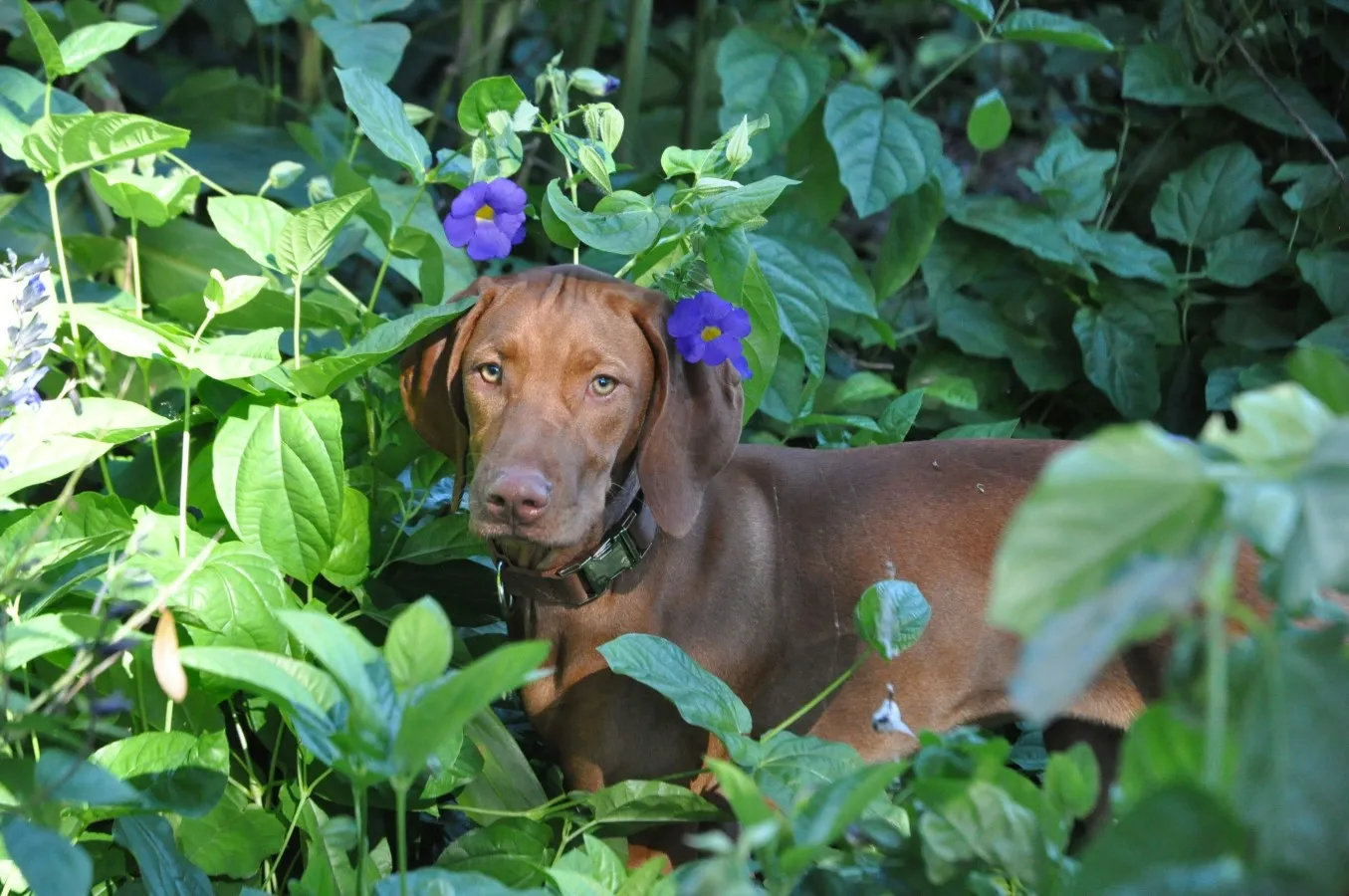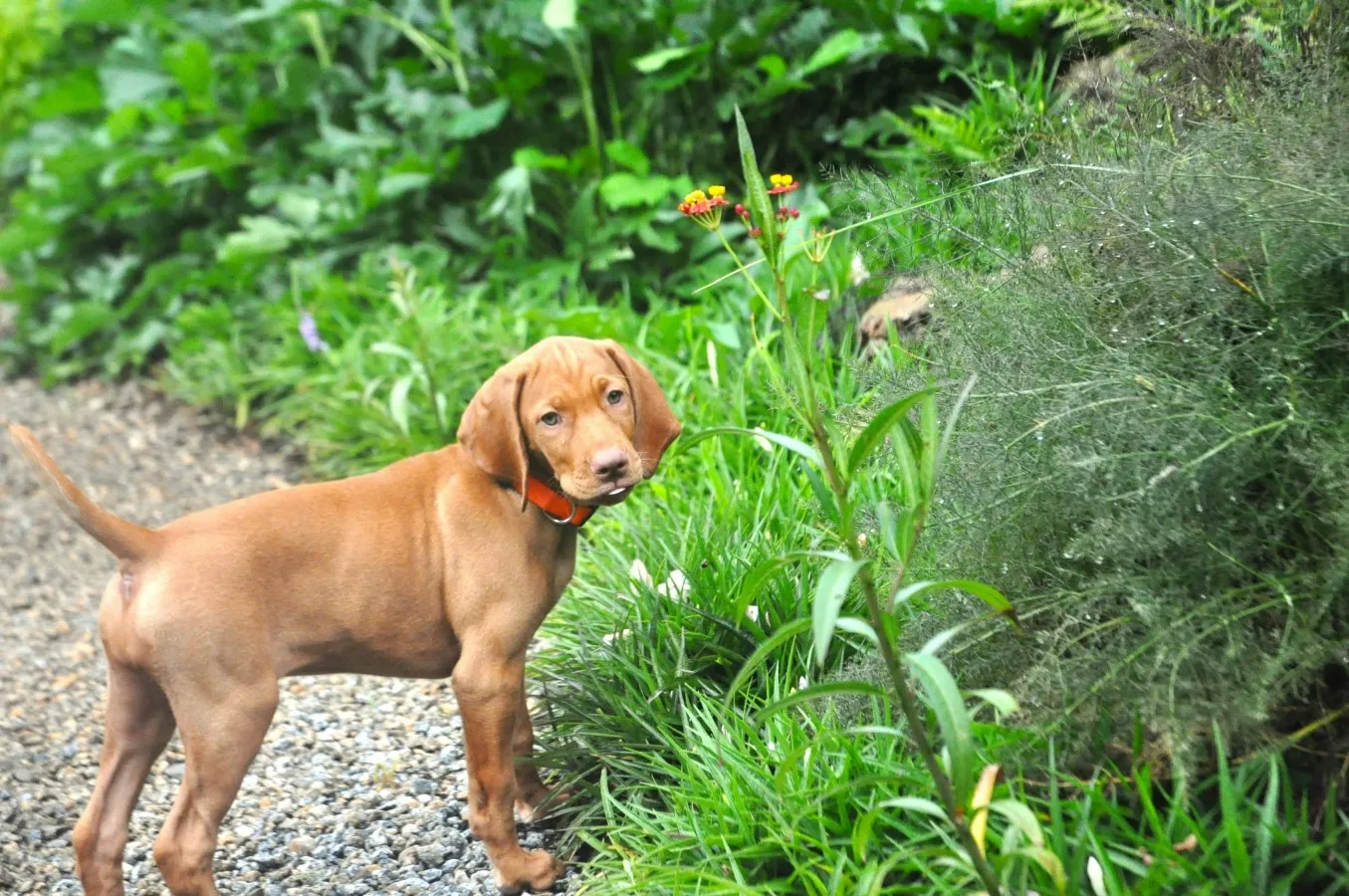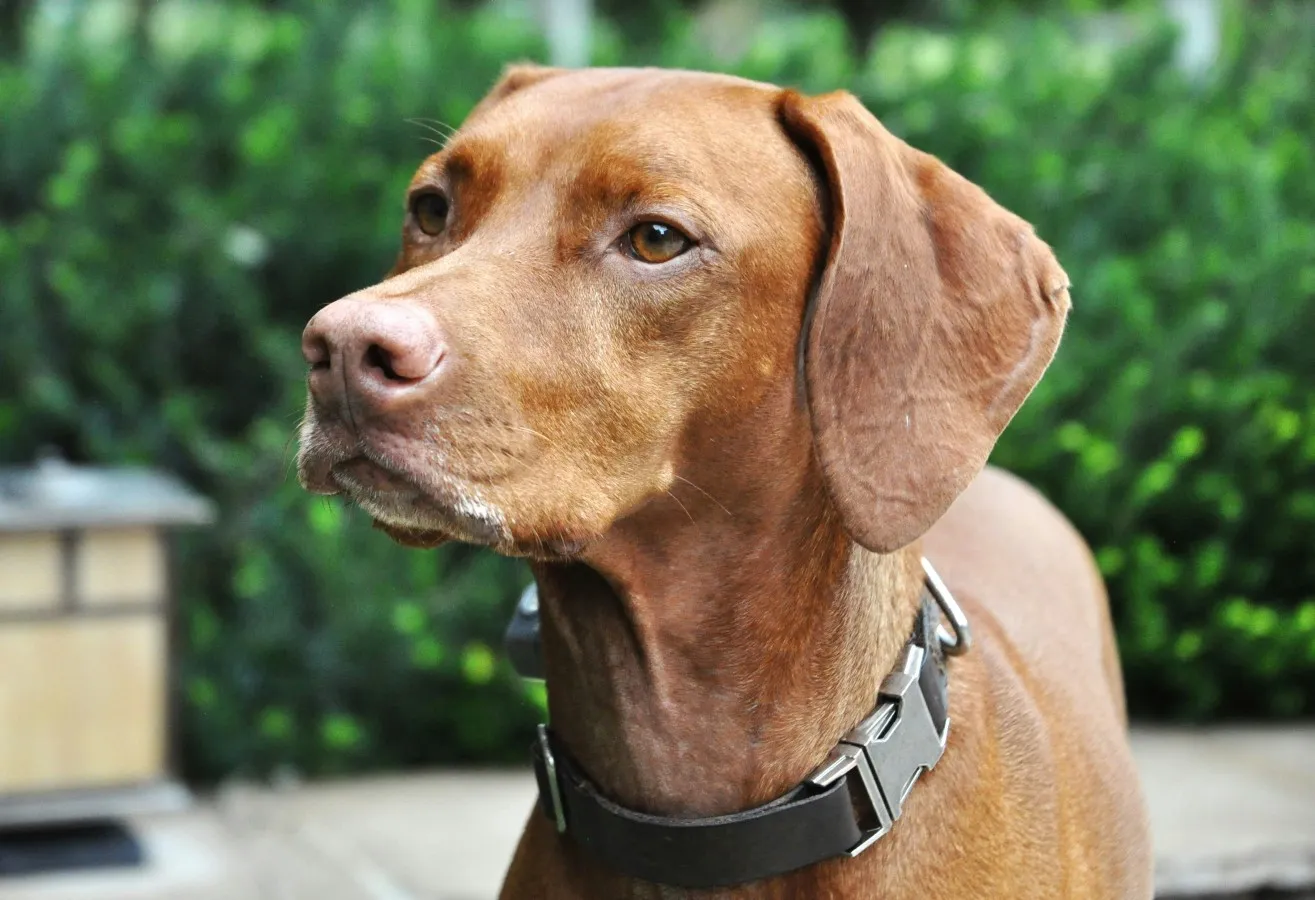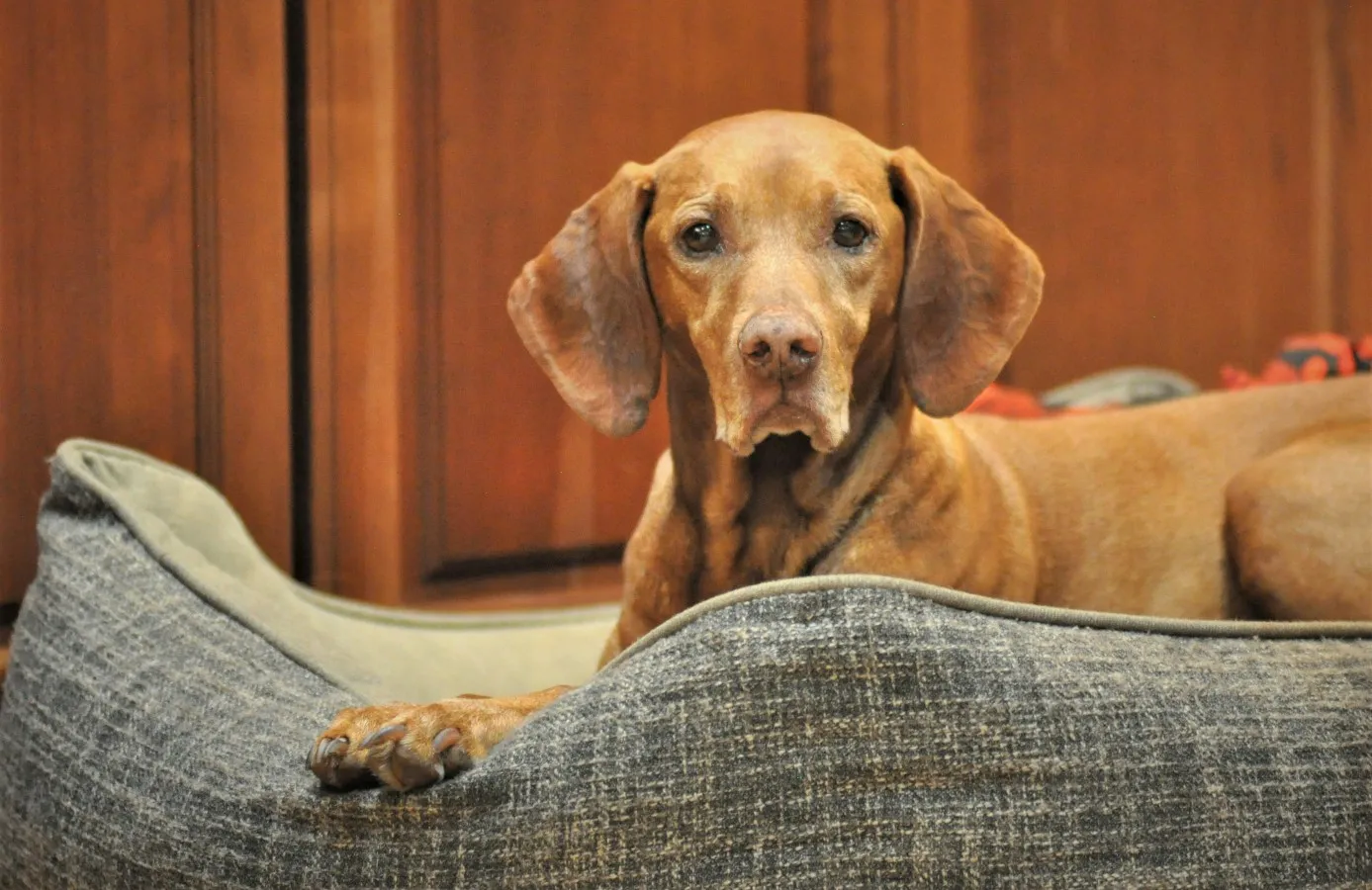
Vizsla - MAIN HUB
BREED GROUP
Sporting Dogs
Country of origin
Hungary
BREED SIZE
Large
BREED HEIGHT
21 -
24 IN
53 -
61 cm
BREED WEIGHT
44 -
60 LB
20 -
27 KG
WHAT YOU NEED TO KNOW
american kennel club (AKC) recognition
Yes
Breed was recognized in 1960.

International Canine Federation (FCI) recognition
Yes
Breed was recognized in 1954.
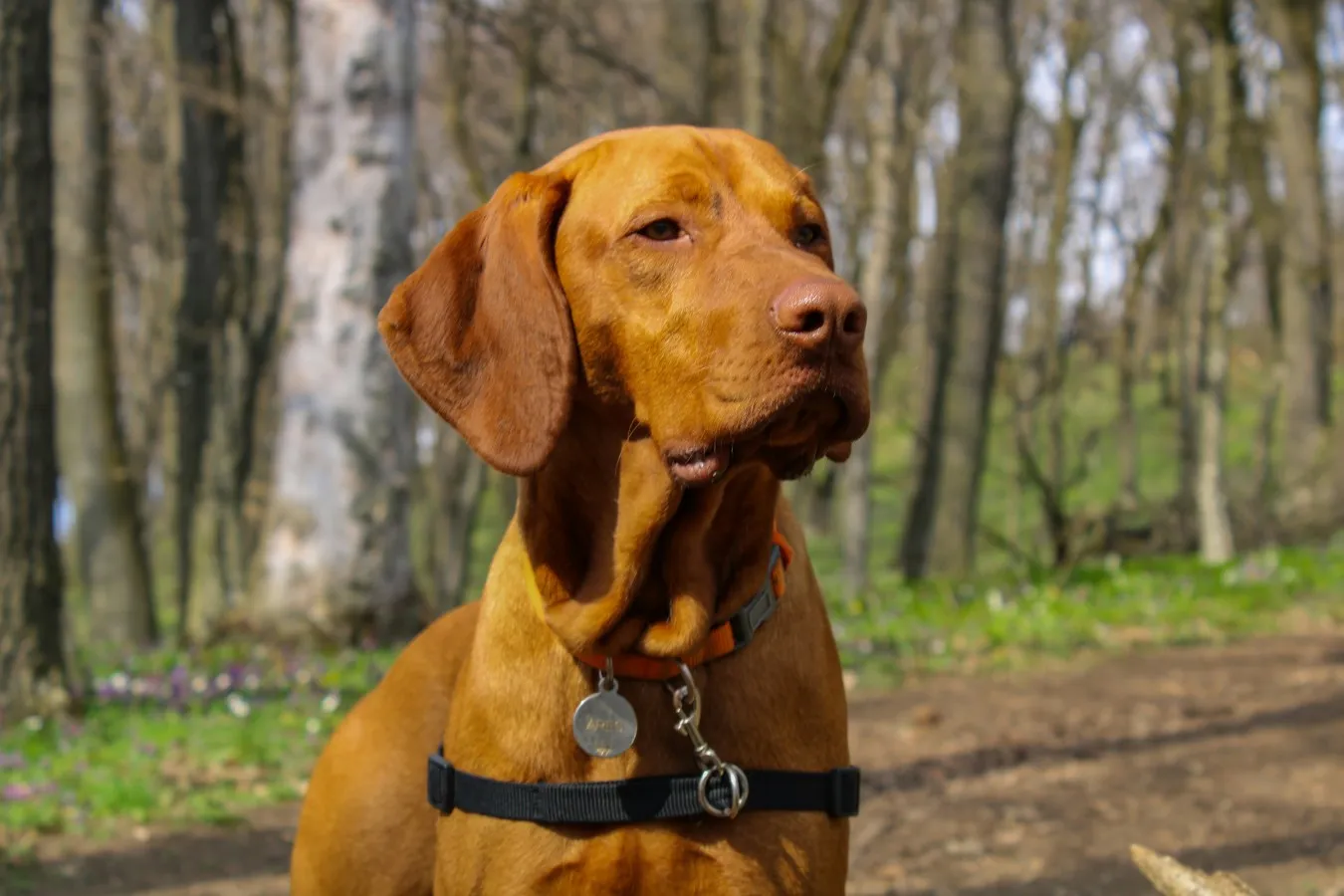
WHAT DO OWNERS WANT TO KNOW?
Are Vizslas good family dogs?
Excellent
10 out of 10
Vizslas are excellent family dogs for active households due to their affectionate nature and intense loyalty, often earning them the nickname "Velcro dogs." Their sensitive temperament and low-maintenance coat make them devoted companions, provided they receive the vigorous daily exercise and mental stimulation they require.


Are Vizslas good with kids?
Excellent
10 out of 10
Vizslas are generally excellent with children, known for their patient, gentle, and playful nature. Often referred to as "Velcro dogs," they form deep bonds with family members and thrive on being included in household activities. While their high energy and exuberant play style mean that supervision is recommended around toddlers, their intelligence and sensitive temperament make them highly responsive companions for active kids. Early socialization and consistent, positive training ensure they remain well-mannered and devoted playmates.
Are Vizslas good dogs for first time owners?
Not Recommended
1 out of 10
Vizslas are generally not recommended for first-time owners due to their intense energy and sensitive, Velcro nature. They require a significant daily commitment to vigorous exercise and consistent, positive training to prevent anxiety and destructive behaviors. For highly active and dedicated novices willing to provide constant companionship and mental stimulation, their deep loyalty makes them rewarding partners.
Are Vizslas good apartment dogs?
Fair
3 out of 10
Vizslas can be good apartment dogs for highly active owners who commit to vigorous daily exercise and mental stimulation. Because they are "Velcro dogs" that thrive on human companionship, they adapt well to smaller spaces as long as they aren't left alone for long periods. However, their high energy levels and potential for vocalizing mean they require significant outdoor activity to remain calm and well-behaved indoors.
Do Vizslas need a yard?
Highly Recommended
8 out of 10
A yard is highly recommended for a Vizsla to accommodate their exceptionally high energy levels and need for vigorous daily exercise. While they can adapt to living without one if owners provide extensive outdoor activity like running or hiking, a secure fenced area is ideal for these athletic "Velcro dogs" to burn off energy safely and remain content.
Can Vizslas be left at home alone?
Not Recommended
1 out of 10
Vizslas are highly social "Velcro dogs" that form intense bonds with their owners and are prone to severe separation anxiety if left alone for extended periods. While healthy adults can eventually be trained to handle 4 to 6 hours of solitude, they thrive best in households where they have constant companionship. To prevent destructive behaviors and distress, owners should provide vigorous exercise before departures and gradually build up alone time starting from a young age.
Do Vizslas tolerate cats well?
Fair
4 out of 10
Vizslas can coexist peacefully with cats if they are properly socialized and introduced from a young age. Their friendly and affectionate nature helps them bond with other pets, although their natural hunting heritage can trigger a desire to chase. Supervision and positive reinforcement are recommended during introductions to ensure a harmonious relationship between the dog and cat.
Are Vizslas known to be aggressive?
Gentle
10 out of 10
Vizslas are not naturally aggressive and are renowned for their gentle, affectionate, and friendly temperaments. While they may display protective instincts if they perceive a threat to their family, they generally lack dominant or hostile traits when properly socialized and trained.
Do Vizslas have a lot of energy?
Hyperactive
10 out of 10
Vizslas are exceptionally high-energy dogs that require a significant commitment to vigorous physical and mental exercise, typically needing at least one to two hours daily. Known as Velcro dogs, they thrive on active companionship and adventure; without proper outlets for their stamina and intelligence, they can quickly become restless or destructive.
How much exercise do Vizslas need?
~120+ min a day
10 out of 10
Vizslas are high-energy athletes that require at least 60 to 120 minutes of vigorous daily exercise. They thrive on activities like long hikes, running, and off-leash play, as well as mental challenges like agility or puzzle toys. Without this intense physical and mental stimulation, they can become bored and develop destructive behaviors.
Do Vizslas tolerate hot weather well?
Fair
4 out of 10
Vizslas have a moderate tolerance for hot weather thanks to their short coats, but their high energy and "Velcro" nature put them at risk of overexertion and heatstroke. Owners should schedule vigorous exercise for the early morning or late evening, provide constant access to shade and fresh water, and never leave them in a parked car. Be alert for signs of overheating like frantic panting or lethargy during outdoor adventures.
Are Vizslas good with cold weather?
Fair
4 out of 10
Vizslas have a moderate tolerance for hot weather thanks to their short coats, but their high energy and "Velcro" nature put them at risk of overexertion and heatstroke. Owners should schedule vigorous exercise for the early morning or late evening, provide constant access to shade and fresh water, and never leave them in a parked car. Be alert for signs of overheating like frantic panting or lethargy during outdoor adventures.
Are Vizslas sometimes banned from rentals?
Rarely Banned
8 out of 10
Vizslas are rarely subject to breed-specific bans but may face restrictions due to their size and high energy levels. While typically weighing 45-60 pounds, they can exceed weight limits in some buildings. Owners should verify individual landlord policies and be prepared to demonstrate their dog's training and provide exercise plans to ensure acceptance.
WHAT DO OWNERS WANT TO KNOW?