Skip to content

Basenji - MAIN HUB

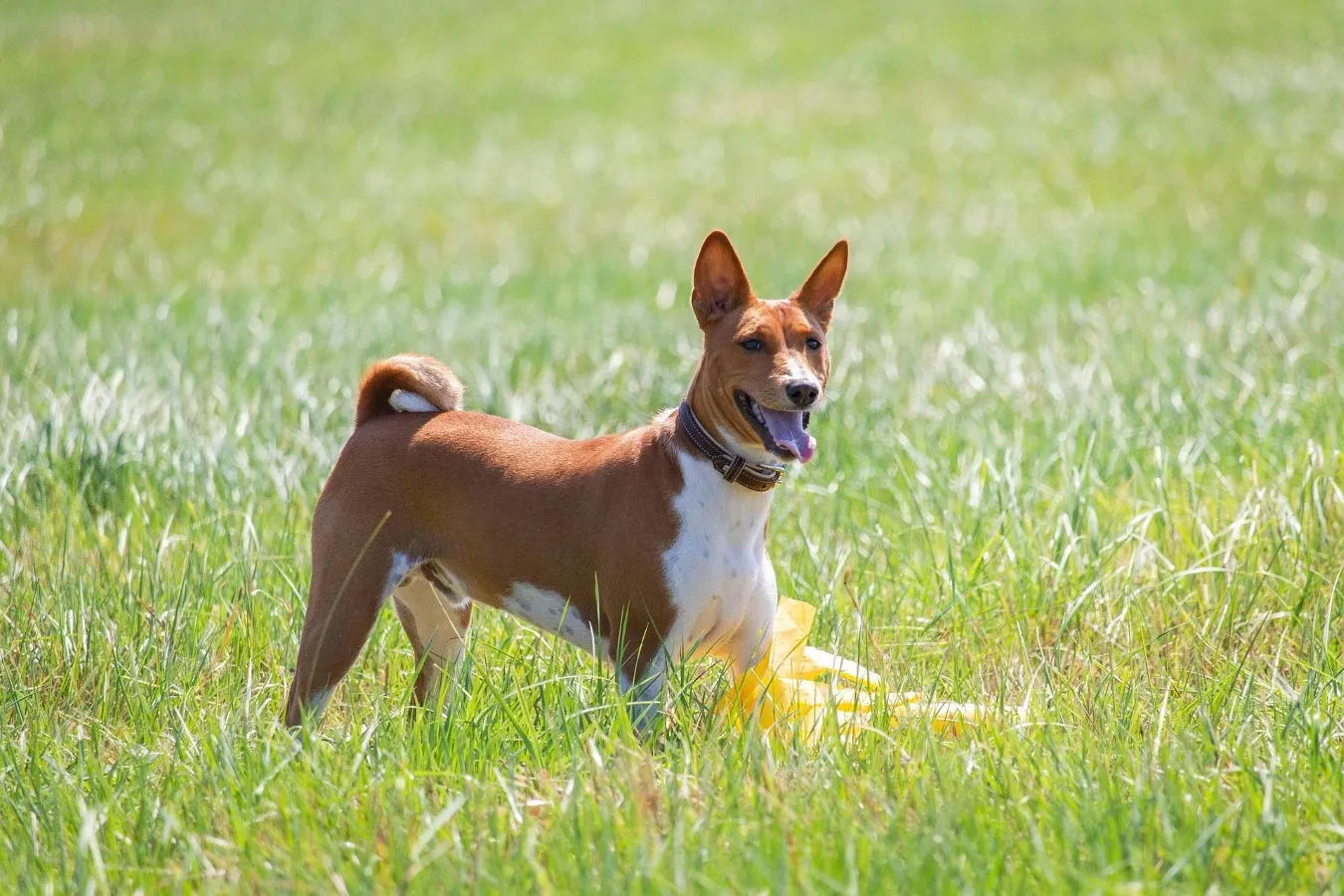
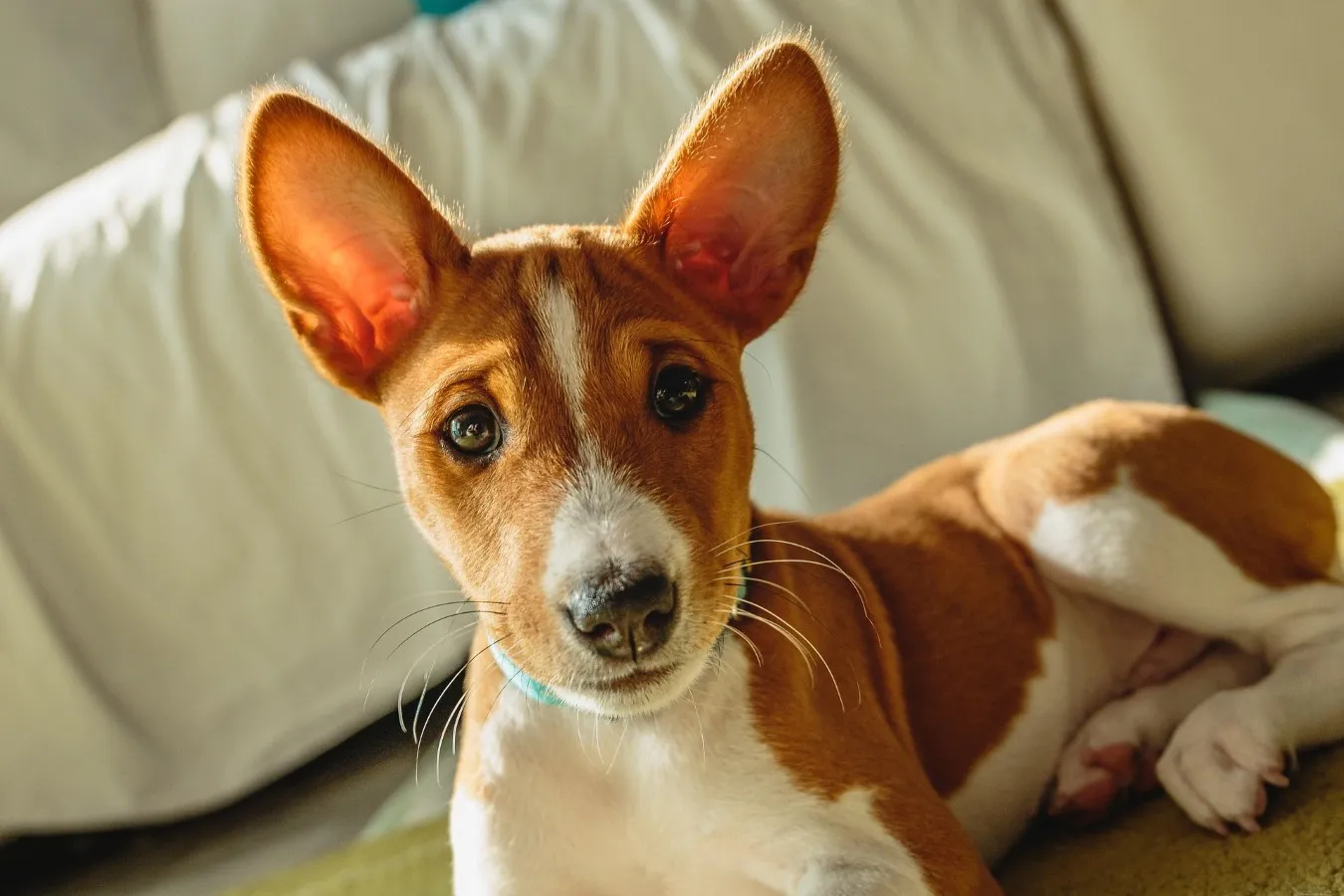
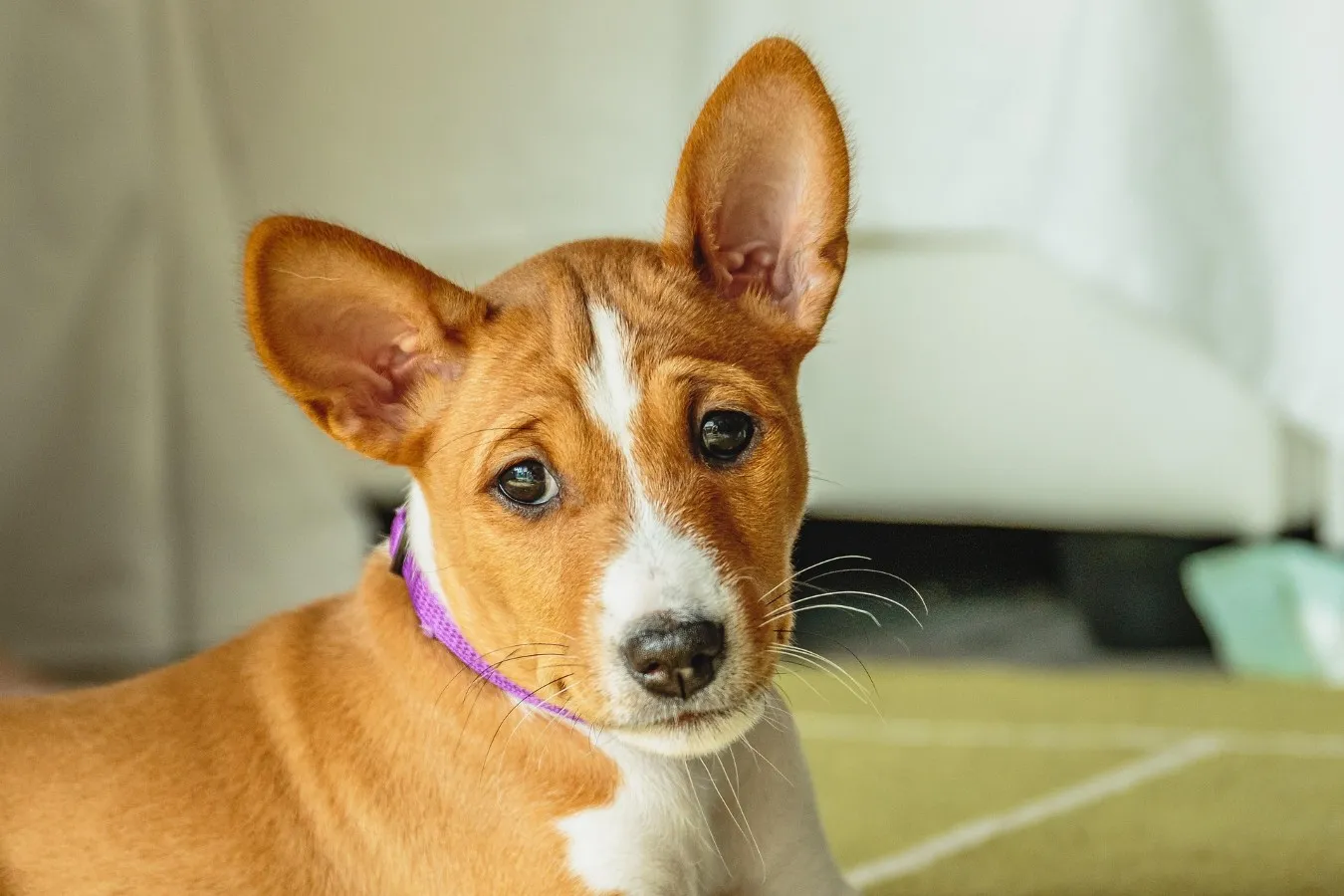
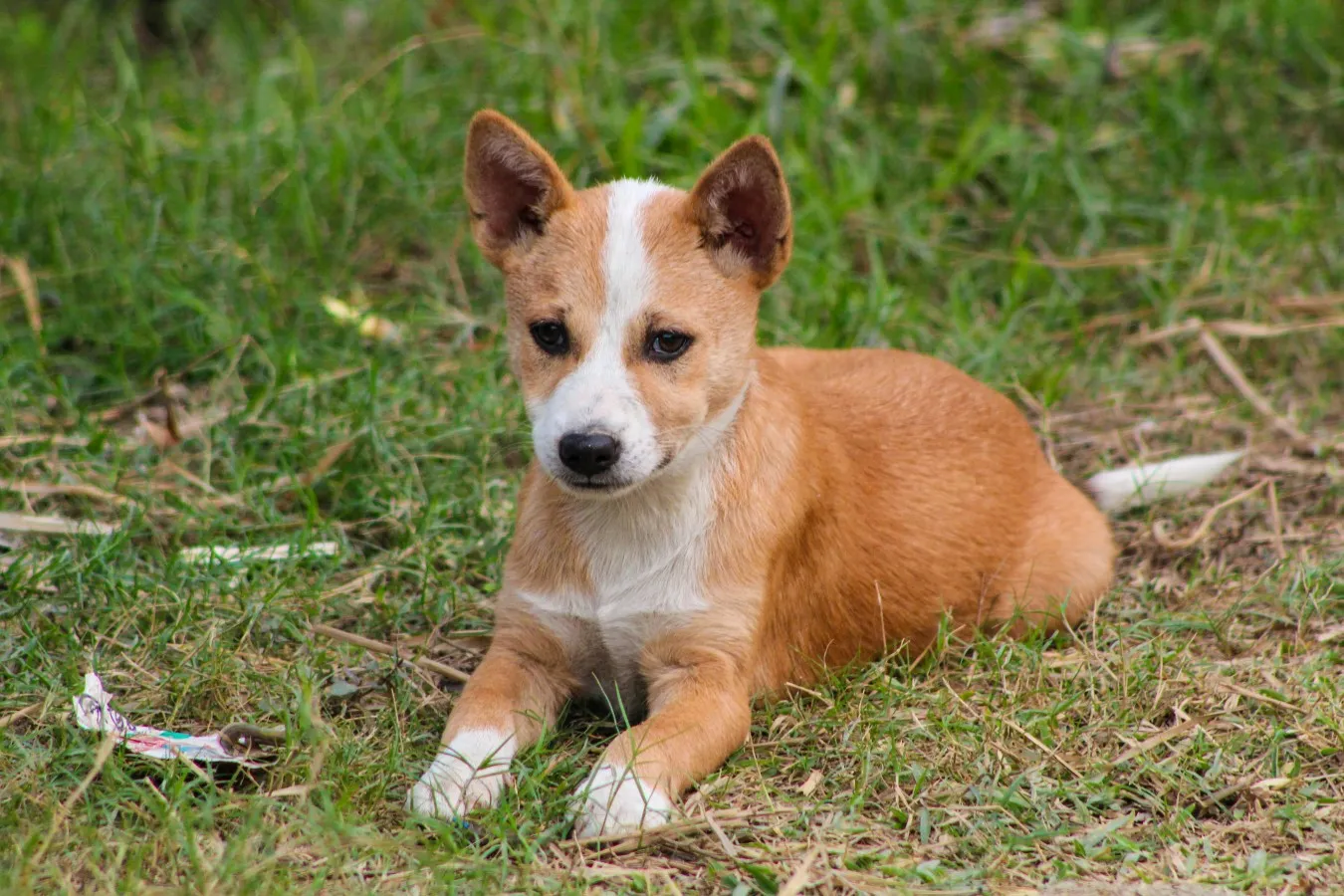
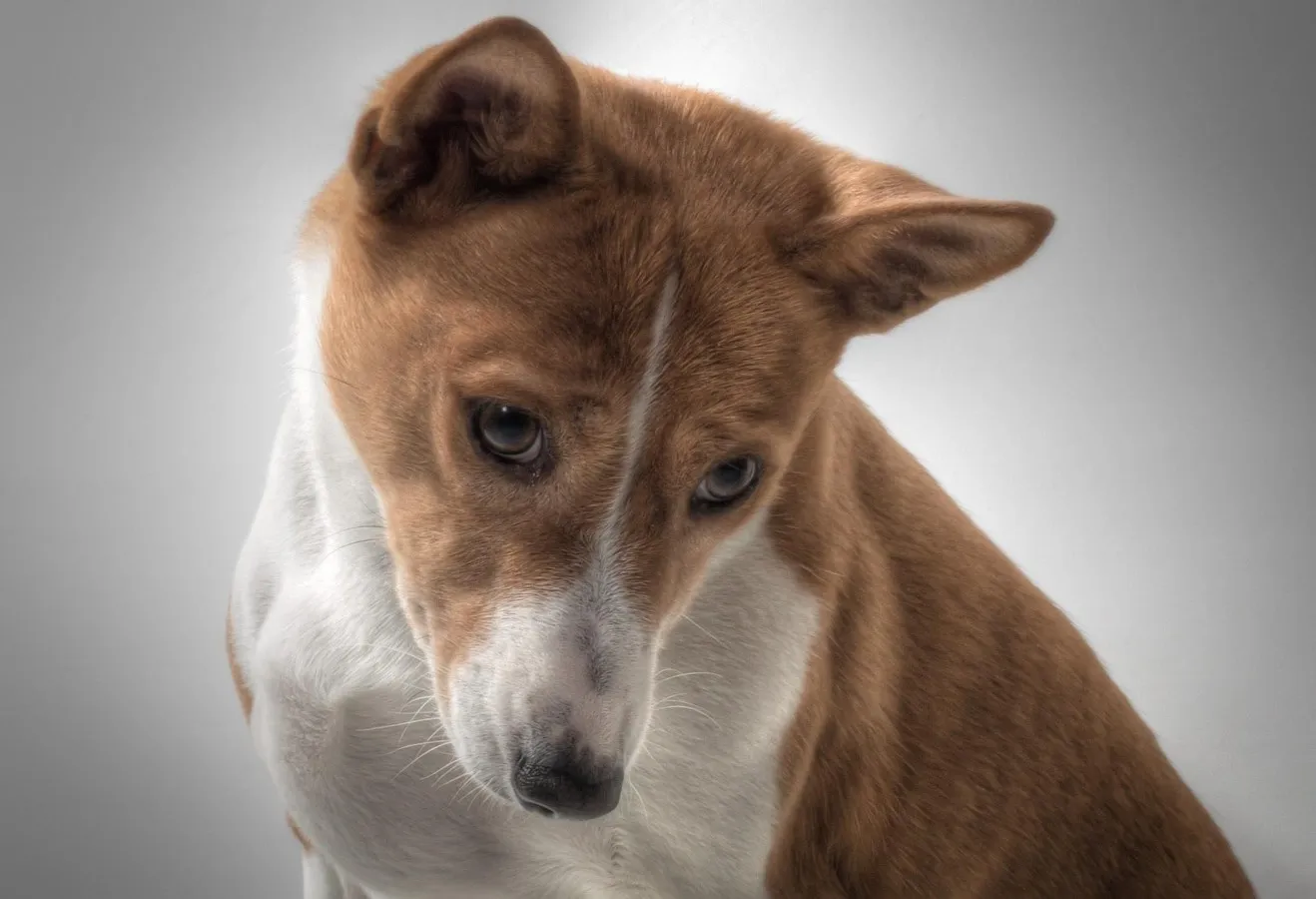
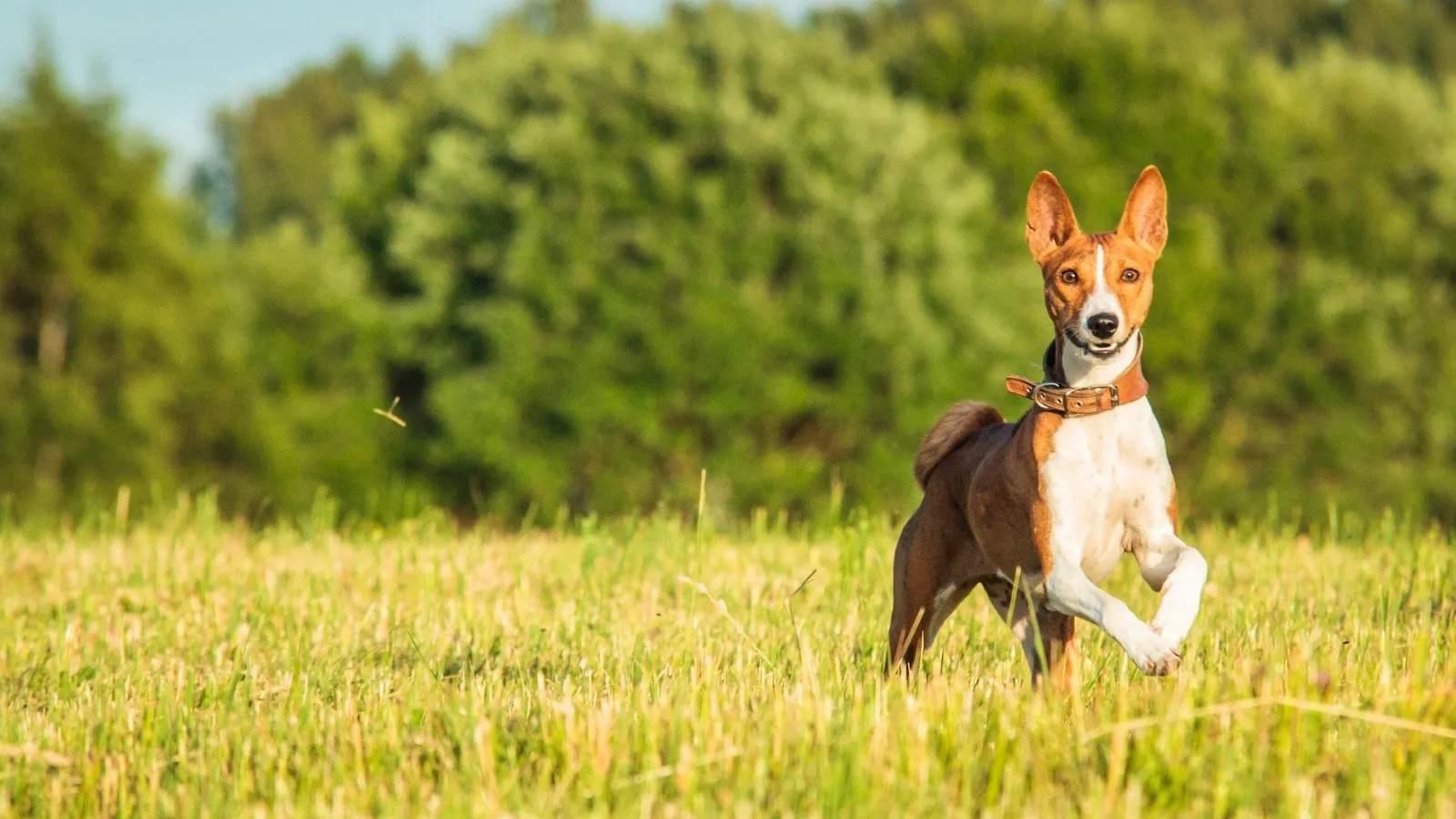
Meet the “barkless dog”! Basenjis are elegant, cat-like, and yodel instead of bark. Perfect for active owners seeking a smart, independent companion.

BREED GROUP

Hound Dogs

Country of origin

Democratic Republic of the Congo

BREED SIZE

Small

BREED HEIGHT

16 -

17 IN

41 -

43 cm

BREED WEIGHT

22 -

26 LB

10 -

12 KG

WHAT YOU NEED TO KNOW

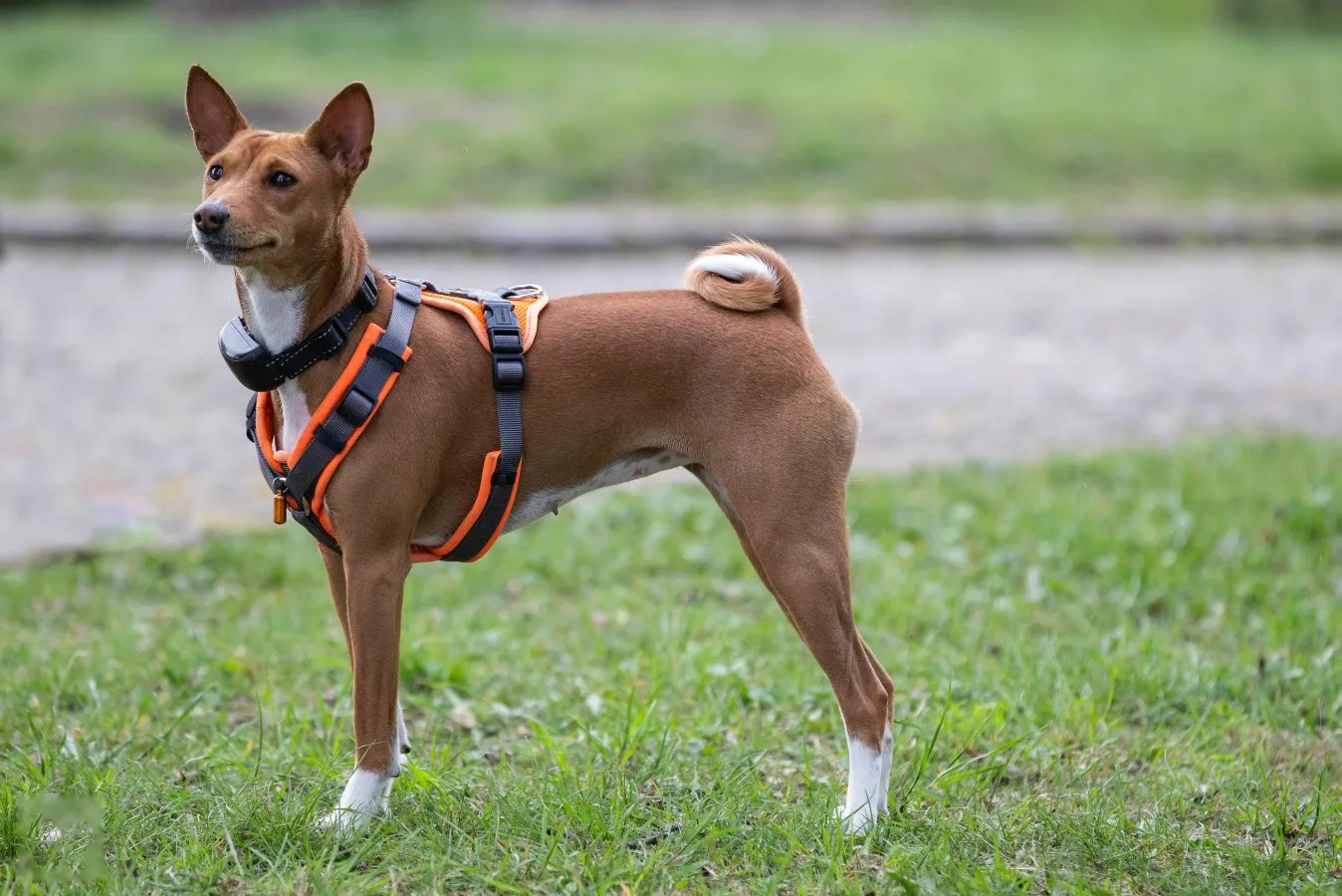
The Basenji is a small, elegant hunting dog originating from Central Africa, famous as the "barkless dog." Instead of barking, they produce a unique sound called a yodel or "baroo." With a lifespan of 13-14 years, they are intelligent, independent, and cat-like in their grooming habits. They have a short coat that requires minimal maintenance. Basenjis are highly energetic and require significant daily exercise. They are deeply loyal to their families but can be aloof with strangers. Their strong prey drive and independent nature make training a challenge, requiring patience and creativity.
american kennel club (AKC) recognition

Yes

Breed was recognized in 1944.

International Canine Federation (FCI) recognition

Yes

Breed was recognized in 1964.
WHAT DO OWNERS WANT TO KNOW?

Are Basenjis good family dogs?

Good

7 out of 10

Basenjis are deeply loyal to their families, making them devoted companions for active households. However, their independent nature, high energy requirements, and strong prey drive mean they are best suited for families who can commit to significant daily exercise and patient, creative training.

Not Recommended

1 out of 10

Basenjis are generally not recommended for households with young children as they are often impatient and intolerant of rough handling or sudden movements. While they are loyal to their families, they are better suited for older, respectful children who understand how to interact with dogs gently. Constant supervision is essential to ensure all interactions remain safe and to prevent potential accidents or misunderstandings.

Not Recommended

1 out of 10

Basenjis are not recommended for first-time owners due to their independent, stubborn nature and challenging temperament. While highly intelligent, they are independent thinkers who prefer to make their own decisions rather than follow commands, requiring an experienced owner with significant patience and creative training skills. Success with this breed requires a deep commitment to managing their high energy and unique, cat-like personality.

Exceptional

10 out of 10

Basenjis are highly recommended for apartment living due to their small size, lack of traditional barking, and clean, cat-like grooming habits. They are quiet companions that won't disturb neighbors, though their unique yodels can be vocal. While they thrive in smaller spaces, they are high-energy dogs that require significant daily exercise and mental stimulation to prevent destructive behavior. They are an ideal choice for active apartment dwellers who can commit to long walks and play sessions.

Strictly Required

9 out of 10

A securely fenced yard is highly recommended for a Basenji due to their high energy levels and strong prey drive, which often leads them to chase small animals. Because they are renowned escape artists capable of climbing fences and are not reliable off-leash, a safe, enclosed space for supervised exercise and mental stimulation is essential for their well-being.

Poor

2 out of 10

Basenjis are family-oriented dogs that prefer company and can be prone to separation anxiety or destructive behavior when bored. While some can tolerate being alone for up to eight hours if provided with significant exercise and mental stimulation beforehand, they generally thrive best in households where they are not left for long periods. Crate training and ensuring they have no access to items they might chew are often necessary to prevent mischief.

Very Poor

1 out of 10

Basenjis are generally not recommended for households with cats due to their exceptionally high prey drive and hunting instincts. While they can coexist peacefully if raised together from puppyhood with constant supervision and gradual introductions, they are naturally inclined to chase small animals. Owners should never leave them alone together and must be prepared for the instinctual "chase" response to be triggered if a cat runs.

Reserved

5 out of 10

They are not inherently aggressive, but they are naturally aloof and suspicious of strangers. They are alert and will let you know if someone is approaching, but they are too small to be effective guard dogs. Early socialization is necessary to prevent them from becoming overly fearful.

Very High

9 out of 10

Yes, Basenjis are very high-energy dogs. They are agile, fast, and possess a lot of stamina. They require significant daily exercise to keep them physically fit and to prevent boredom, which often leads to destructive behavior in this breed.

~60-120 min a day

9 out of 10

A Basenji needs at least 1 to 2 hours of vigorous exercise every day. This should include long, brisk walks, jogging, or running in a securely enclosed area. They also enjoy activities like lure coursing, which taps into their natural hunting instincts.

Exceptional

10 out of 10

Basenjis thrive in hot weather. Originating from the warm climates of Africa, their short coat and lean build make them very tolerant of heat. They often enjoy basking in the sun.

Exceptional

10 out of 10

Basenjis thrive in hot weather. Originating from the warm climates of Africa, their short coat and lean build make them very tolerant of heat. They often enjoy basking in the sun.

Never Banned

10 out of 10

Basenjis are rarely subject to breed bans. Their small size and lack of barking make them very appealing to landlords. They are often considered excellent apartment dogs, provided their exercise needs are met.

WHAT DO OWNERS WANT TO KNOW?


Photo
Reviewed by
Dr. Vojtech Gabriel
DVM · PhD · MBA
Veterinarian Researcher Dog breed specialist
Verified

"Basenjis are generally healthy, living 13-14 years. As a vet, the primary genetic condition I screen for in this breed is Fanconi syndrome, a kidney disorder. DNA testing is available and highly recommended for breeding dogs. They are also susceptible to certain eye issues, like progressive retinal atrophy (PRA), and hip dysplasia. Their short coat is very low maintenance, and they are famously fastidious about their own grooming."

Other Hound Dogs