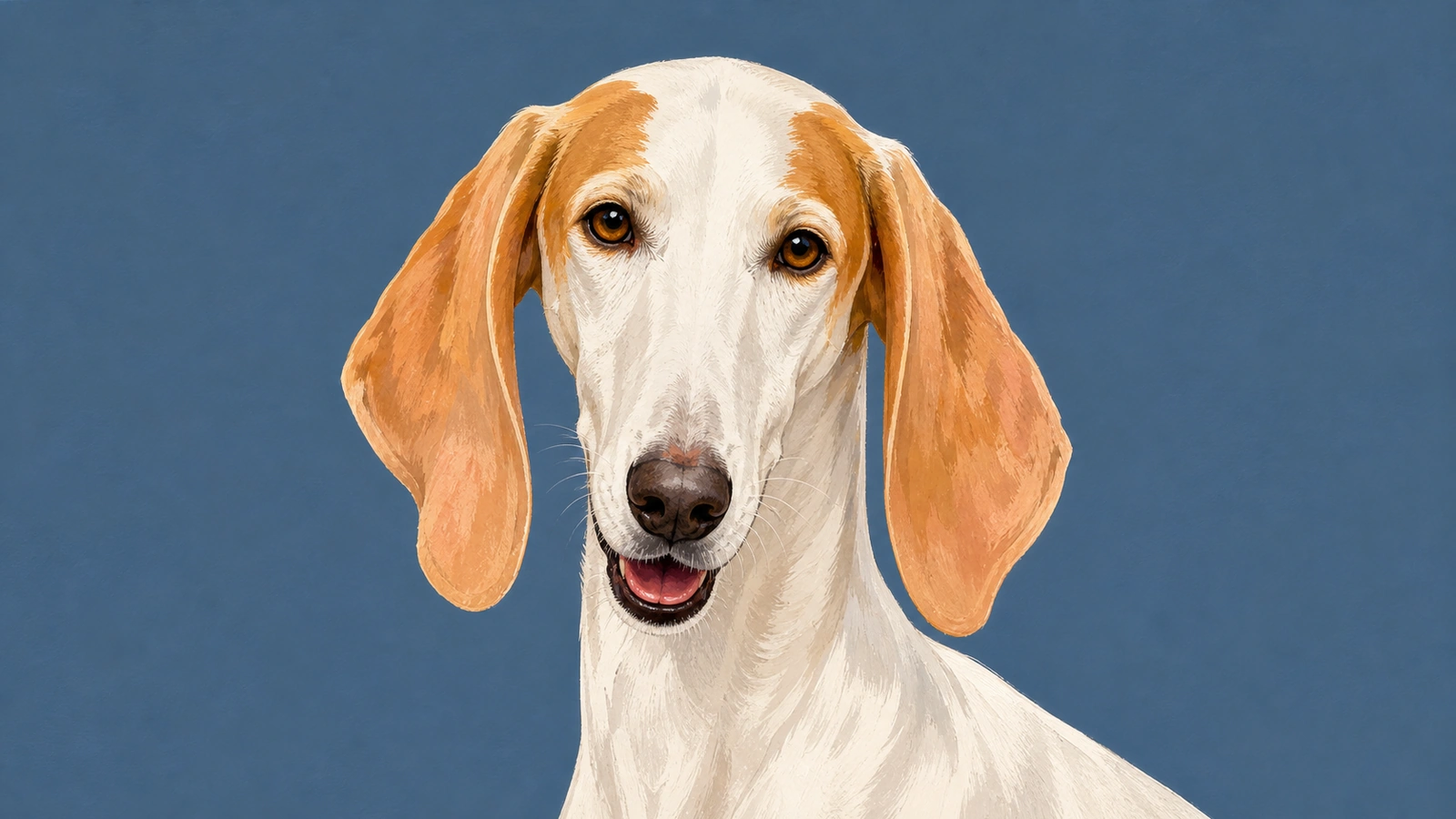
Porcelaine - MAIN HUB
BREED GROUP
Hound Dogs
Country of origin
France
BREED SIZE
Large
BREED HEIGHT
21 -
23 IN
53 -
58 cm
BREED WEIGHT
55 -
62 LB
25 -
28 KG
WHAT YOU NEED TO KNOW
american kennel club (AKC) recognition
No
Breed was recognized in 0.

International Canine Federation (FCI) recognition
Yes
Breed was recognized in 1964.

WHAT DO OWNERS WANT TO KNOW?
Are Porcelaines good family dogs?
Average
5 out of 10
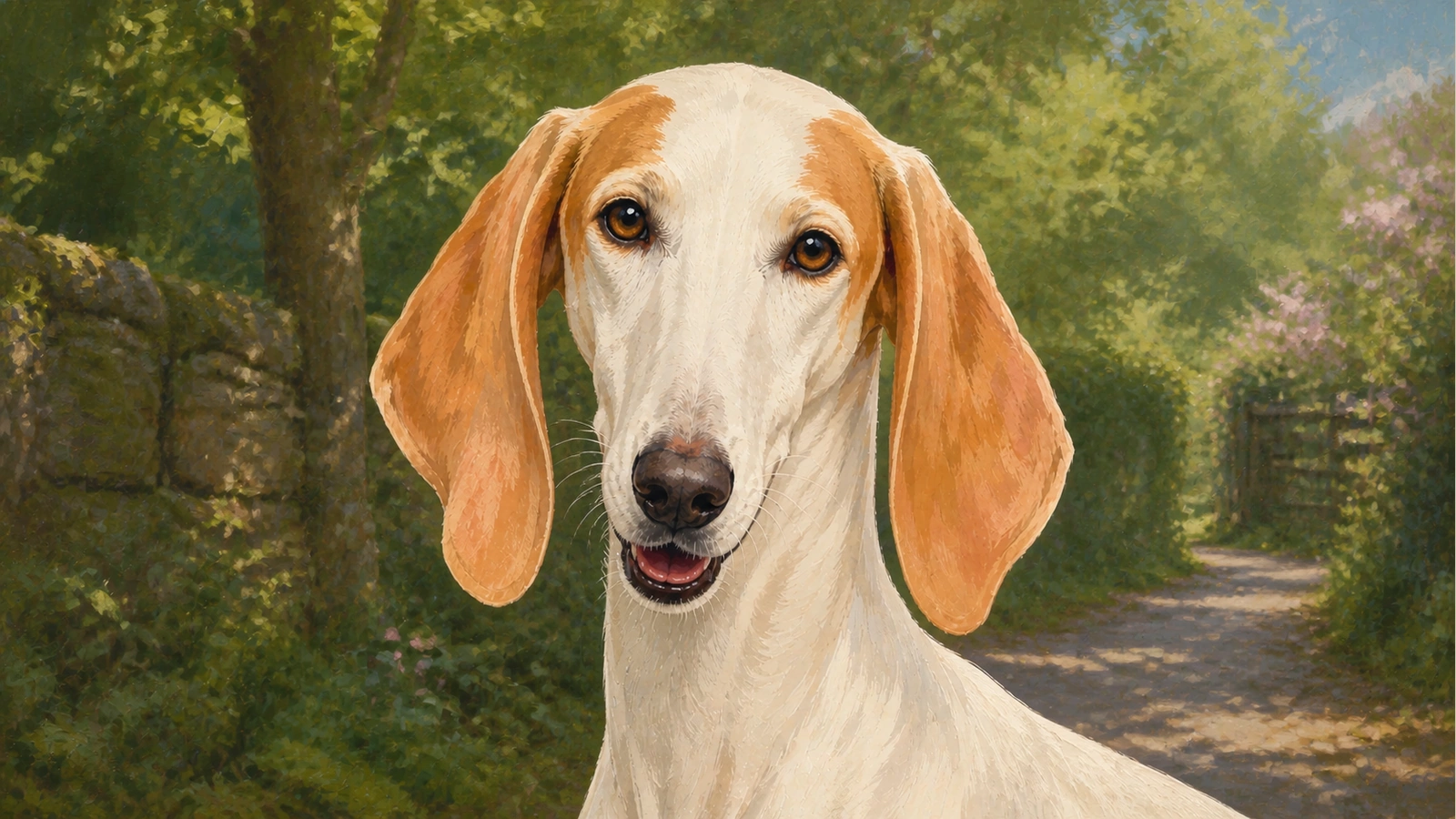
The Porcelaine is an excellent family dog known for its gentle, intelligent, and affectionate nature. While they bond closely with family members, they are active hunters that require significant daily exercise and consistent training to manage their independent hound instincts.
Are Porcelaines good with kids?
Average
5 out of 10
Porcelaines are gentle and sociable hounds that generally get along well with children due to their patient temperament. While their high energy makes them fun playmates for active kids, their large size and hunting instincts require supervision around younger children. Providing consistent exercise and early socialization ensures they remain well-behaved and affectionate family companions.

Are Porcelaines good dogs for first time owners?
Average
5 out of 10
Porcelaines are intelligent and eager to please, but their independent hound nature and high energy make them a fair choice for first-time owners who are committed to training and exercise.
Are Porcelaines good apartment dogs?
Not Recommended
4 out of 10
Porcelaines are generally not recommended for apartments due to their high energy levels and vocal nature. They thrive in homes with ample space to run.
Do Porcelaines need a yard?
High
3 out of 10
A yard is highly recommended for a Porcelaine to accommodate their active nature and need to explore scents.
Can Porcelaines be left at home alone?
Good
7 out of 10
Porcelaines can handle being left alone for moderate periods, but they are pack hounds that prefer company and may vocalize if bored.
Do Porcelaines tolerate cats well?
Fair
4 out of 10
Porcelaines are gentle dogs that can live with cats, though their strong scent hound prey drive may trigger a desire to chase. Early socialization and supervised introductions are essential to ensure a peaceful relationship, and providing cats with high, safe retreats is recommended.
Are Porcelaines known to be aggressive?
Easygoing
7 out of 10
Porcelaines are not naturally aggressive; they are known for their gentle, calm, and friendly disposition. While they are fierce and energetic hunters in the field, they are easygoing and sociable companions at home. Their patient and amiable temperament makes them excellent family pets that typically get along well with children and other dogs, provided they receive early socialization and consistent training to manage their independent hound instincts.
Do Porcelaines have a lot of energy?
High
3 out of 10
Porcelaines are high-energy hunting dogs that require significant daily activity to stay physically and mentally healthy.
How much exercise do Porcelaines need?
~60 min a day
6 out of 10
Porcelaines require 60 to 90 minutes of daily exercise, including brisk walks and opportunities to use their nose.
Do Porcelaines tolerate hot weather well?
Great
8 out of 10
Porcelaines have a moderate tolerance for heat, but owners should provide shade and water during warm weather.
Are Porcelaines good with cold weather?
Great
8 out of 10
Porcelaines have a moderate tolerance for heat, but owners should provide shade and water during warm weather.
Are Porcelaines sometimes banned from rentals?
Rarely Banned
4 out of 10
Shepradors are generally healthy and athletic, but as a veterinarian, I prioritize monitoring for hip and elbow dysplasia, as both parent breeds are highly predisposed to these orthopedic issues. Due to their deep chests and large size, they are at significant risk for Gastric Dilatation-Volvulus (bloat), a life-threatening emergency. Owners should also be vigilant for signs of Degenerative Myelopathy, heart conditions like Tricuspid Valve Dysplasia, and various eye problems such as progressive retinal atrophy. Maintaining a lean body weight, using slow feeders, and ensuring regular joint evaluations are essential for managing the long-term health of these loyal companions.
WHAT DO OWNERS WANT TO KNOW?