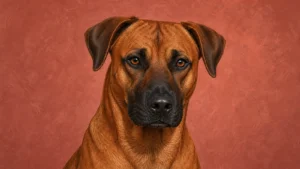
Basenji Health and Costs
Breed Group
Hound Dogs
Country of Origin
Democratic Republic of the Congo
Breed Size
Small
AKC Recognition
Yes, recognized in 1944
FCI Recognition
Yes, recognized in 1964
Rarity
Uncommon5 / 10
Purchase cost
Expensive7 / 10
Life expectancy
Long Lifespan8 / 10
Health
Generally healthy7 / 10
Health problem risk
Mild health concerns3 / 10
Maintenance cost
Low maintenance cost2 / 10
A Veterinarian's Guide
Basenji Health Problems and Costs
The Basenji is a small, short-coated, barkless hound with a reputation for being clean, clever, and healthy. Most of what matters medically is a short, well-defined list: a kidney disorder called Fanconi syndrome, an inherited eye disease, thyroid disease, and hip problems. Knowing them before you bring a puppy home, or while you already share your life with one, makes the screening and the vet visits much easier to plan.
In this guide
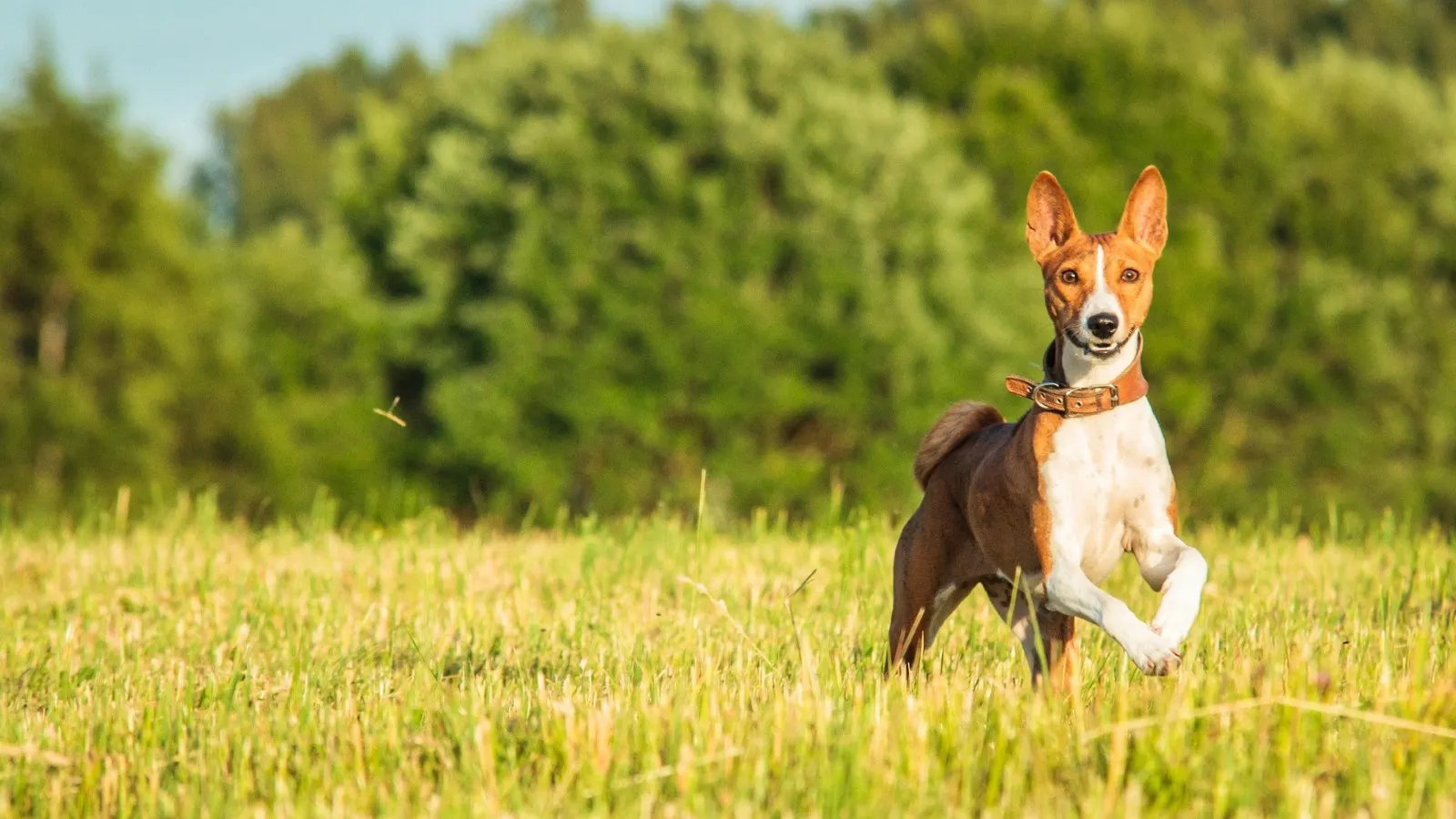
Why Is Fanconi Syndrome the Condition to Know About?
Excessive drinking and urinating in a Basenji, or glucose showing up on a home urine strip, needs a veterinary visit promptly. Do not wait for weakness, vomiting, or a seizure to appear.
Fanconi syndrome is an inherited kidney disorder in which the kidney's filtering tubes fail to take back nutrients such as glucose, a sugar, and electrolytes, so they spill into the urine instead. It cannot be cured, but it can be controlled, and dogs caught early do better. It typically begins between four and eight years of age, which is often after a dog has already been bred.
The early signs are increased thirst and urination and glucose in the urine even though blood sugar is normal, which is the clue that separates it from diabetes. Left untreated, it leads to acidosis, meaning too much acid in the blood, muscle wasting, and serious illness. Many Basenji owners check urine with inexpensive pharmacy strips from about age three. A positive strip is not a diagnosis, so it always needs a veterinary visit.
- 01
Drinking far more than usual
Emptying the water bowl much faster than normal.
- 02
Large amounts of urine
Frequent trips outside or accidents indoors.
- 03
Weakness or poor appetite
Unusual tiredness, vomiting, or losing condition.
- 04
Seizure or collapse
Treat this as an emergency and go to the nearest clinic.
A DNA test for Fanconi syndrome is listed among the breed club's recommended tests, so breeding dogs can be screened. A university research page on Fanconi syndrome in Basenjis explains the monitoring and the treatment protocol in more detail. Treatment replaces the electrolytes and bicarbonate the kidneys are losing, and dogs on a well managed protocol can live for years beyond diagnosis. If a blood or urine value ever comes back abnormal, our guide to dog kidney values helps you follow what your veterinarian is seeing.
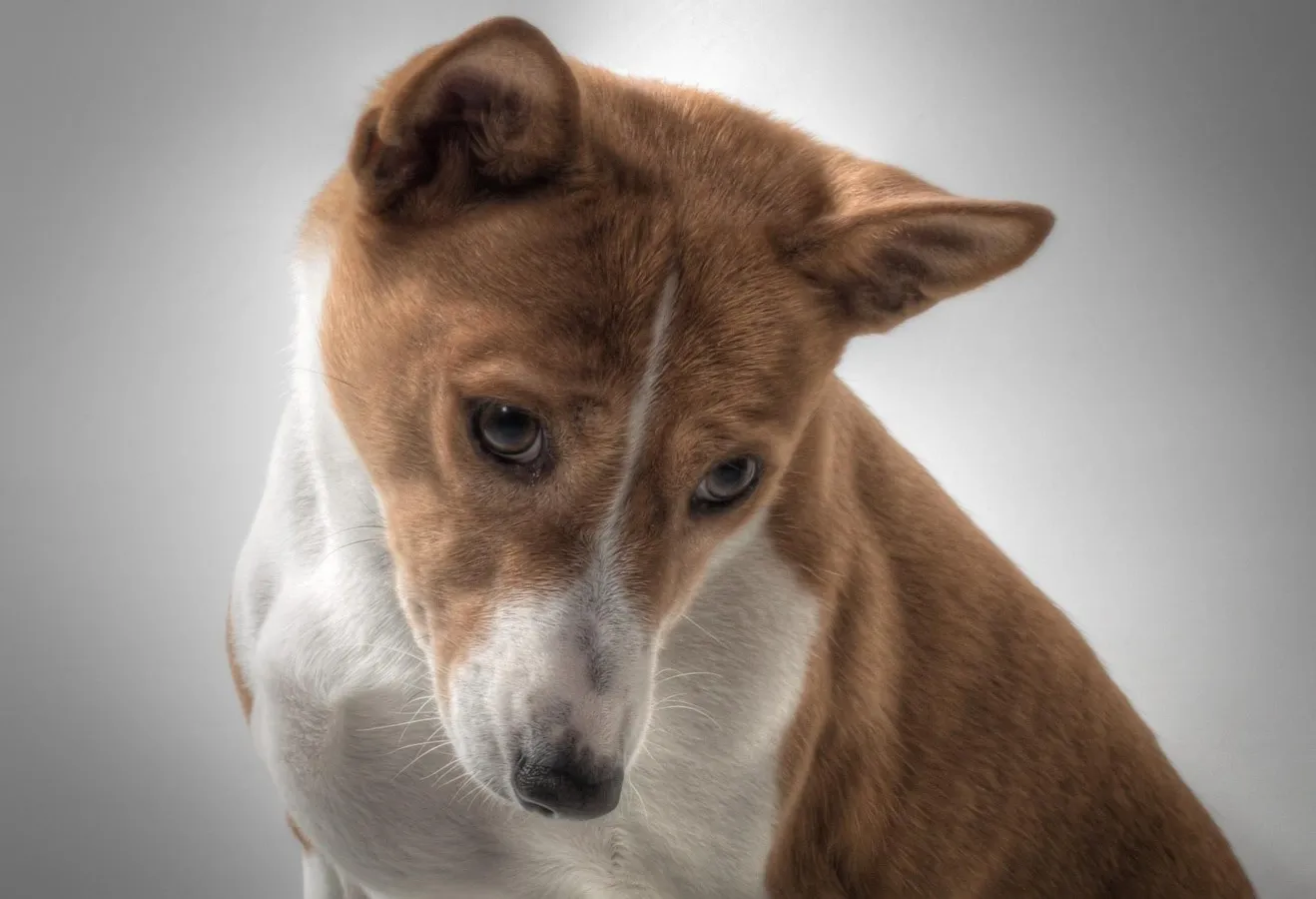
Why Do a Basenji's Eyes Need Yearly Checks?
Progressive retinal atrophy, or PRA, is an inherited breakdown of the light-sensing cells at the back of the eye. Atrophy comes from the Greek for "without nourishment," a wasting away. Night vision usually fades first, followed by daytime vision, and the condition cannot be treated and eventually causes blindness. Dogs adapt well to slow vision loss at home, so it can go unnoticed until they are outdoors in unfamiliar places.
A DNA test for PRA and an exam by a veterinary ophthalmologist are both on the AKC list for the breed. The exam finds the disease earlier than an owner would, which helps you adjust the home and plan breeding.
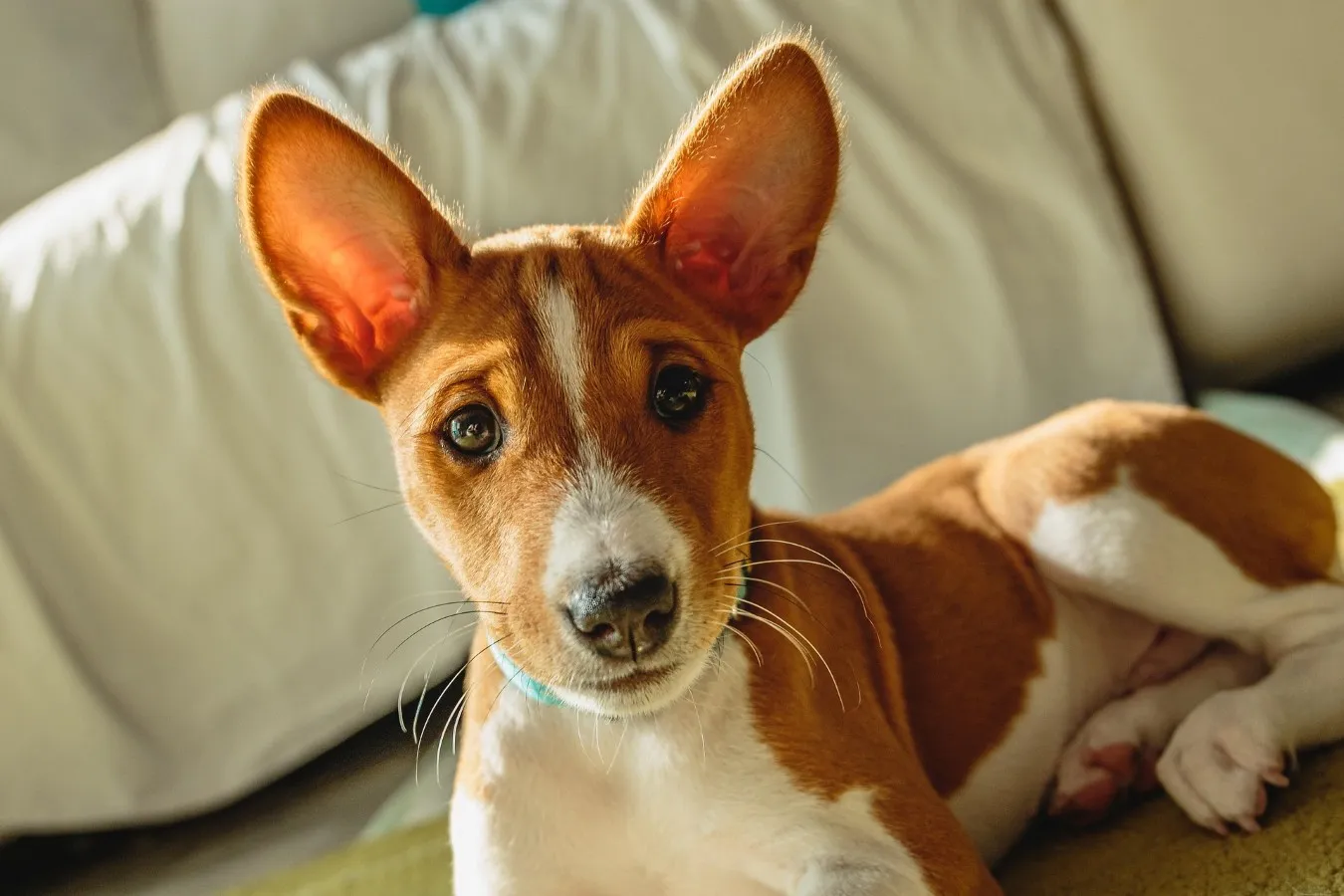
What Should Owners Know About Thyroid and Hip Problems?
Hypothyroidism, or low thyroid hormone activity, is usually an autoimmune disease in which the immune system gradually destroys the thyroid gland. Signs appear only after much of the gland is lost and include weight gain, low energy, a dull coat, and more skin infections. A blood panel confirms it, and daily medication manages it for life. The AKC list includes a thyroid evaluation for the breed.
Hip dysplasia is a developmental malformation in which the hip joint forms too shallow or loose, leading to pain and arthritis over time. It is also on the breed's recommended screening list. A lean body protects the joints, and X-rays can detect the problem even in dogs that show no signs yet.
What Does Managing a Basenji's Health Actually Cost?
| Condition or Need | Typical Cost Range | Notes |
|---|---|---|
| Fanconi syndrome DNA test | $65 to $100 | One time, before breeding |
| Veterinary urine glucose test | $40 to $80 | Yearly from about age four |
| Fanconi syndrome treatment | $50 to $150 a month | Ongoing once diagnosed |
| Annual eye exam | $100 to $200 | By a veterinary ophthalmologist |
| Thyroid panel | $80 to $200 | If signs appear, and for breeding |
A chronic diagnosis creates a monthly cost that a typical healthy-breed budget does not include. Pet insurance is best priced before any diagnosis, because a condition on record is usually excluded afterward.
Questions to Ask a Breeder Before Buying a Puppy
Ask for the parents' DNA results for Fanconi syndrome and PRA, plus hip, eye, and thyroid evaluations. The AKC lists these as the breed club's recommended health tests for breeding dogs, so ask to see the paperwork rather than relying on a promise.
Daily Life With a Basenji
This is an intelligent, independent scent hound that needs at least an hour of exercise a day, and bored Basenjis can become destructive. They may wander off after a scent and can jump high, so a tall, secure fence or a leash matters. The personality profile explains the aloof, playful side of the breed, and early, consistent training matters more than it would for a more eager-to-please dog.
The super short coat keeps grooming simple, with weekly brushing and a bath only when needed. Dental care is the quiet extra: daily tooth brushing, or a dental chew a few times a week, lowers the odds of a dental cleaning under anesthesia later.
Keeping Your Basenji Healthy for the Long Run
Check urine for glucose regularly from about age three, schedule yearly eye exams, keep your dog lean, and ask your veterinarian about thyroid and hip screening. Basenjis typically live 13 to 14 years, and early detection of Fanconi syndrome changes the outcome the most.
Final Thoughts From a Veterinarian
Basenjis are healthy, long-lived hounds with one condition worth real vigilance. Ask breeders for Fanconi DNA results, start urine glucose checks by age three, and keep eye screening on the calendar. Your veterinarian can tailor the plan.
Health & Costs FAQ
How much do Basenji cost?
A Basenji puppy typically costs between $1,500 and $4,500 from a reputable breeder, with prices reflecting their rarity and seasonal breeding. Adoption through rescue is around $150 to $400. Prospective owners should also budget approximately $300 to $700 for initial supplies like crates and essential health testing.
Purchase cost: 7 / 10
How long do Basenji live?
Basenjis typically live 13 to 14 years. This hardy, hands-off breed tends to stay active well into its senior years with routine veterinary care.
Life expectancy: 8 / 10
Are Basenji healthy dogs?
Basenjis are generally healthy, long-lived dogs, but they are not problem-free. Fanconi syndrome, a hereditary kidney disorder, is the condition to know about, along with progressive retinal atrophy, hypothyroidism, and hip dysplasia. Ask breeders for health clearances and schedule eye exams and regular urine glucose checks.
Health: 7 / 10
What health problems do Basenji have?
Basenjis are prone to specific hereditary conditions, most notably Fanconi syndrome, a serious kidney disorder that typically begins between four and eight years of age. Other concerns include progressive retinal atrophy, hypothyroidism, and hip dysplasia. Regular urine checks, eye exams, and breeder DNA testing help catch or prevent these problems early.
Health problem risk: 3 / 10
Are Basenji expensive to maintain?
Basenjis are relatively inexpensive to maintain thanks to their short coat and tidy habits, which keep grooming costs low. Beyond quality food and routine veterinary care, the larger costs come from health screening and, if it develops, ongoing treatment for Fanconi syndrome.
Maintenance cost: 2 / 10
How much does it cost to own a Basenji per month?
Expect to spend about $150 to $250 per month to own a Basenji. This covers quality food, routine veterinary care, preventive medication, and occasional health screening. A diagnosis such as Fanconi syndrome would add an ongoing monthly treatment cost.
Monthly ownership cost: 5 / 10
How much does pet insurance cost for a Basenji?
Pet insurance for a Basenji generally costs between $35 and $75 per month. Premiums vary based on your dog's age, location, and chosen coverage. Because Basenjis are prone to hereditary conditions like Fanconi syndrome, insurance is a vital tool for managing unexpected veterinary costs.
Pet insurance cost: 4 / 10
Will homeowners insurance cover a Basenji?
Yes, most homeowners insurance policies will cover a Basenji. They are not typically classified as an aggressive breed and lack breed-specific legislation. However, you should always disclose your pet to your provider to ensure specific liability coverage is included in your policy.
Homeowners insurance difficulty: 9 / 10
Are Basenji on insurance restricted breed lists?
No, Basenjis are not commonly found on standard insurance restricted-breed lists, which typically focus on larger breeds with perceived higher liability risks. While their unique vocalizations and energy levels might be a consideration for some landlords, most homeowners insurers view them as standard, low-risk pets.
Insurance restriction risk: 2 / 10
Can you get renters insurance with a Basenji?
Yes, you can typically get renters insurance with a Basenji as they are rarely subject to breed restrictions. Your policy generally provides liability protection for injuries or property damage caused to others, but it does not cover damage to your own belongings or medical care for your dog.
Renters insurance difficulty: 8 / 10