Skip to content

German Hound - MAIN HUB

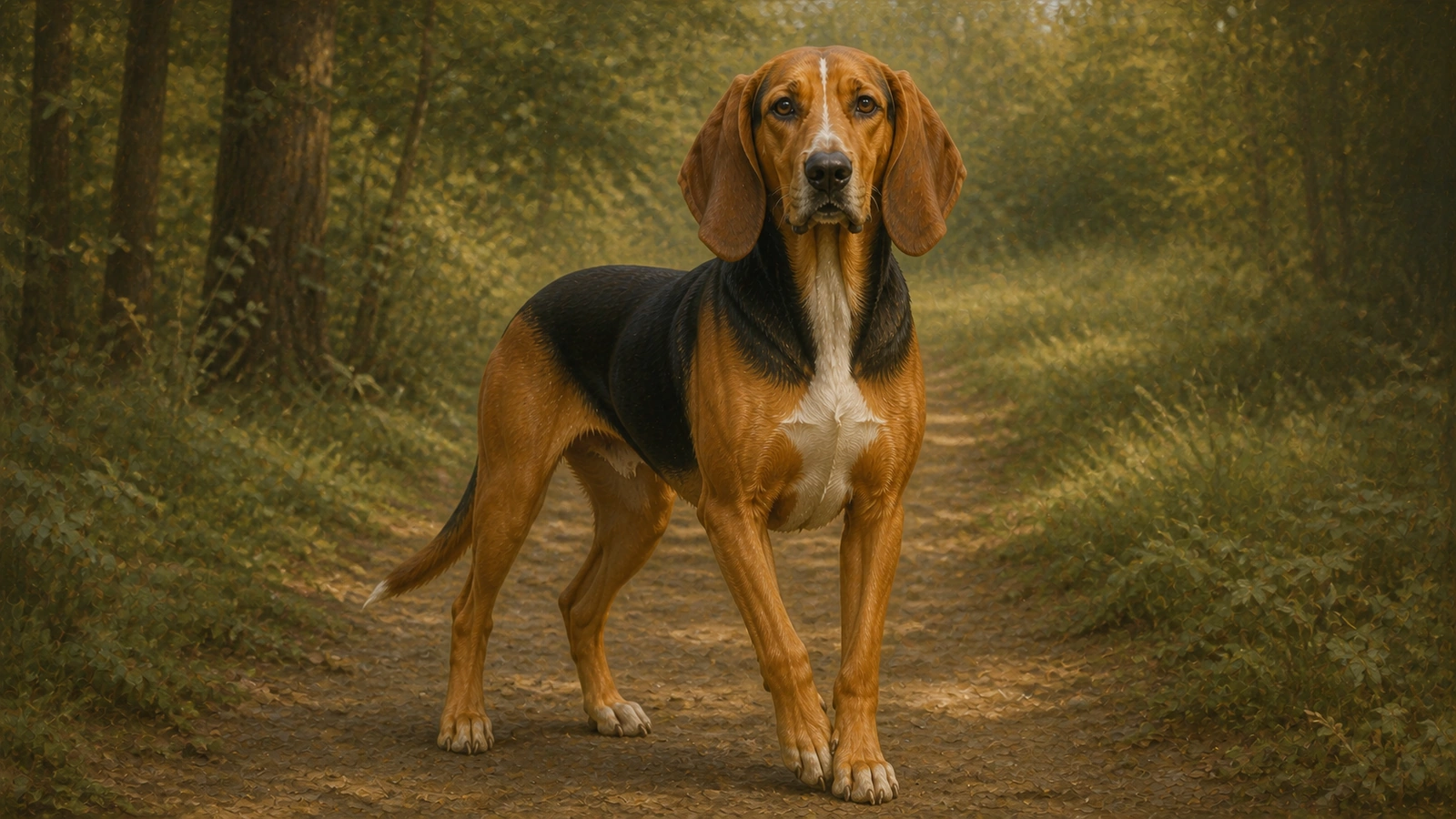
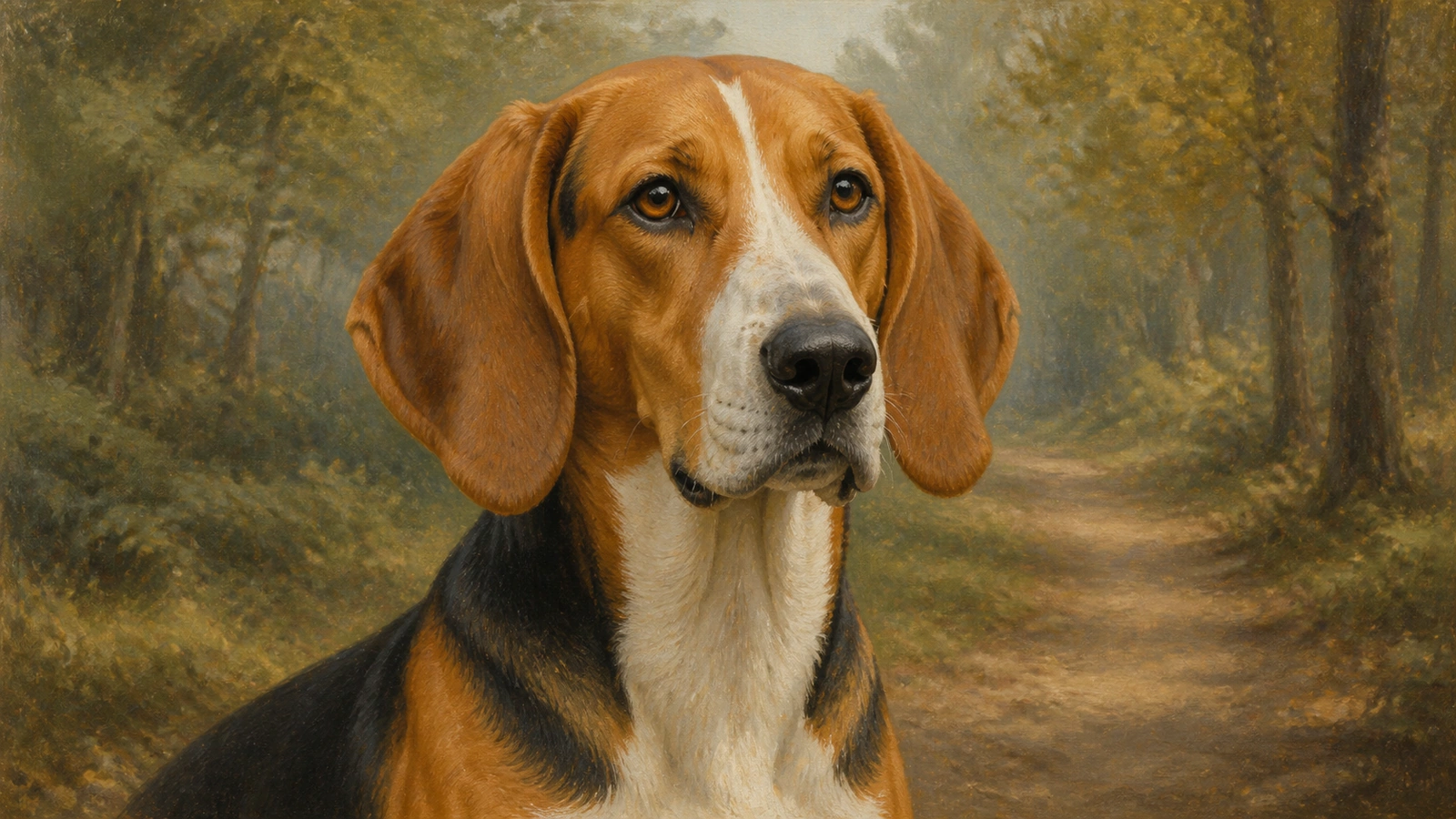
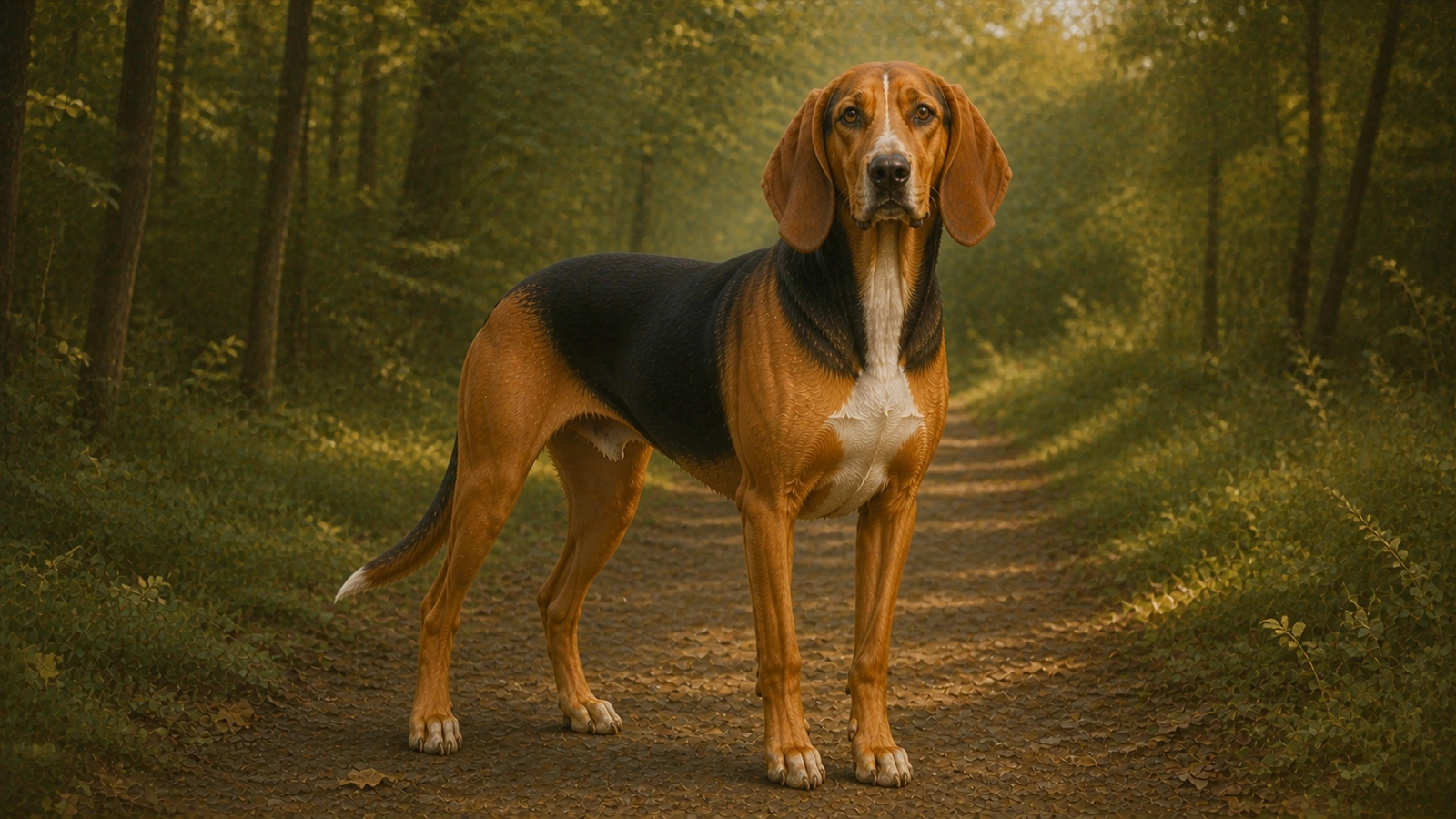
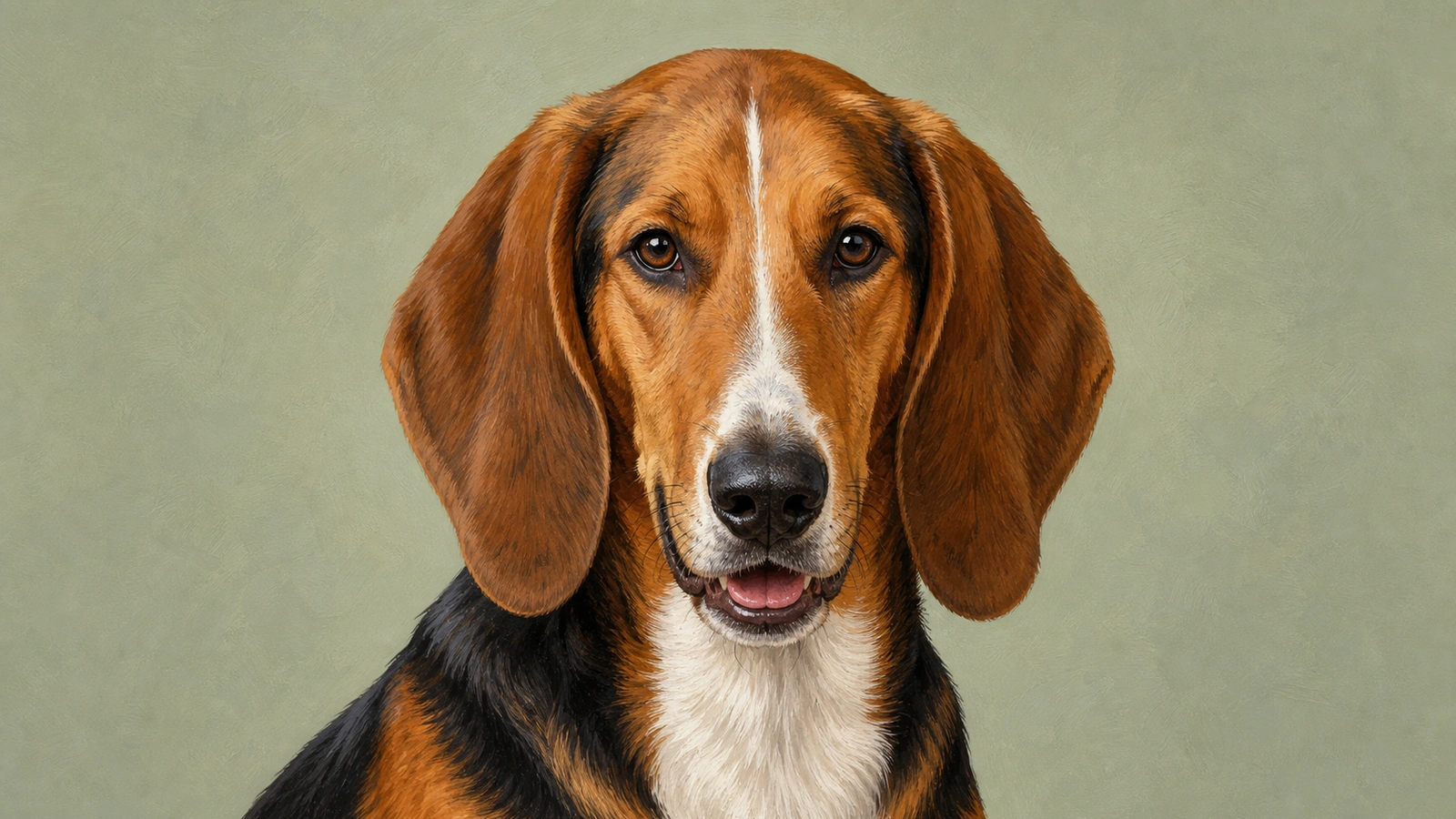
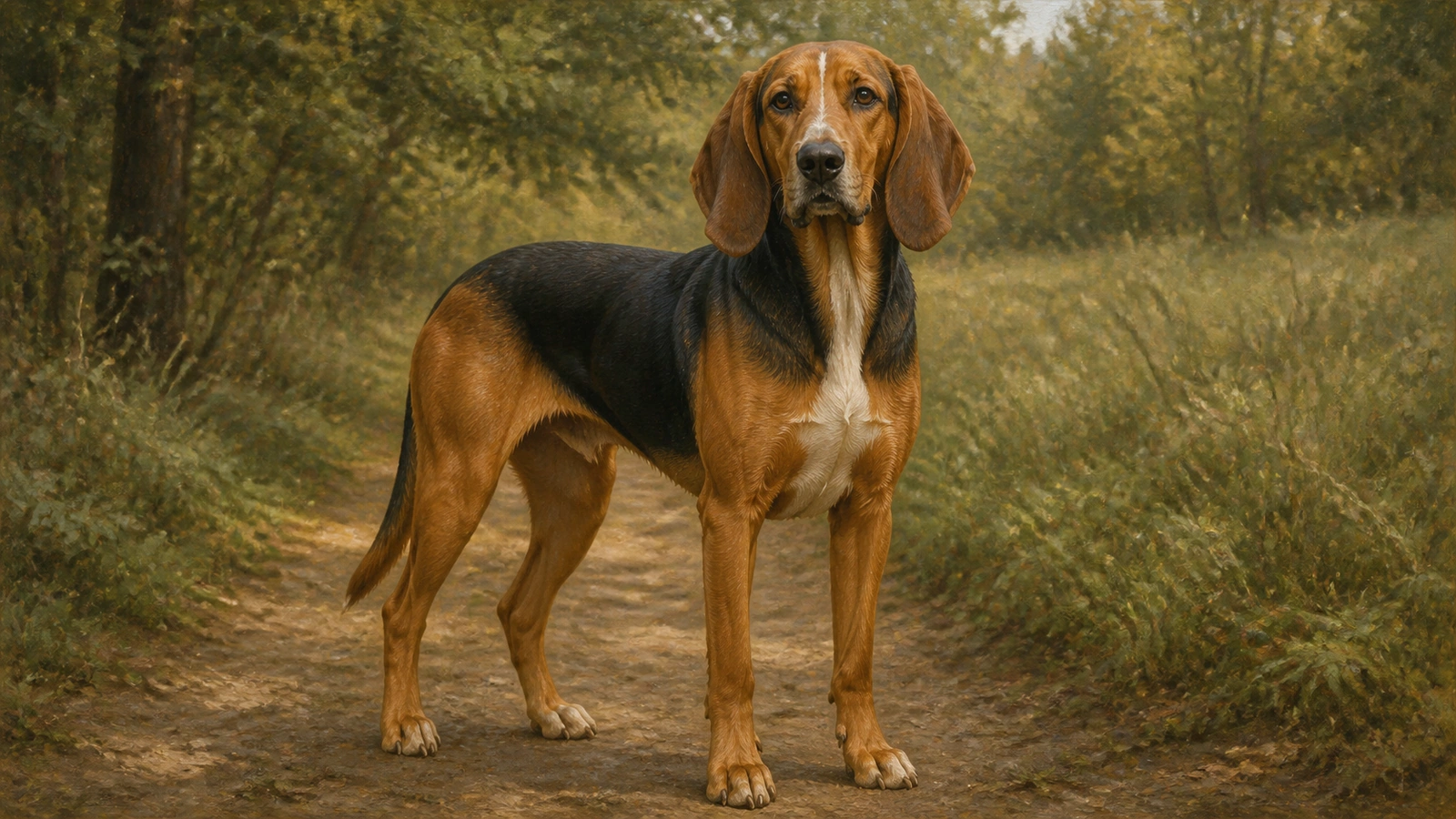
The German Hound is a loyal, gentle hunter that loves the outdoors. This affectionate companion thrives with active families and plenty of exercise.

BREED GROUP

Hound Dogs

Country of origin

Germany

BREED SIZE

Medium

BREED HEIGHT

16 -

21 IN

41 -

53 cm

BREED WEIGHT

35 -

50 LB

16 -

23 KG

WHAT YOU NEED TO KNOW

Dog breeds vary significantly in temperament and care requirements, ranging from the loyal Akita to the energetic Australian Shepherd. Most working and herding breeds require one to two hours of daily vigorous exercise and a dedicated job to prevent destructive behaviors. While many are excellent family companions, some require experienced owners due to independent natures or high prey drives. Lifespans typically range from 10 to 16 years. Owners must consider living space, as larger or more vocal breeds often struggle in apartments. Consistent training and early socialization are essential for developing well-adjusted pets.
american kennel club (AKC) recognition

No

Breed was recognized in 0.

International Canine Federation (FCI) recognition

Yes

Breed was recognized in 1955.
WHAT DO OWNERS WANT TO KNOW?

Are German Hounds good family dogs?

Poor

2 out of 10

The German Hound is an affectionate companion that thrives in active family environments, especially when provided with plenty of exercise and mental stimulation. To ensure it remains a well-adjusted pet, owners should provide consistent training and early socialization to manage its natural hunting instincts.

Not Recommended

2 out of 10

German Hounds are loyal and affectionate companions, but they are not typically recommended for families with small children due to their strong hunting instincts and independent nature. Their high prey drive and intense focus on tracking scents can make them boisterous and unpredictable during play. While they can be gentle family pets when properly socialized and trained, constant supervision is necessary to ensure safe interactions between the dog and children.

Fair

3 out of 10

German Hounds are generally suitable for first-time owners who are prepared for their specific needs as hunting dogs. While they are affectionate and adaptable, their independent nature and strong scent drive require patient, consistent training and regular exercise to ensure they become well-behaved companions. Dedicated novices who provide mental and physical stimulation will find them to be loyal and mellow pets.

Good

6 out of 10

German Hounds can be good apartment dogs if their exercise needs are met, as they are generally mellow and adaptable indoors. While they are a medium-sized breed that enjoys the outdoors, their calm temperament allows them to settle well in smaller living spaces provided they receive daily walks and mental stimulation to manage their hunting instincts. Owners should be mindful of their potential to be vocal, which may require consistent training to ensure they remain considerate neighbors.

Below Average

6 out of 10

A yard is not strictly required for a German Hound, as they can adapt well to apartment living with sufficient daily exercise. However, a secure outdoor space is highly beneficial for this breed to explore and satisfy their natural hunting instincts. Consistent walks and mental stimulation are essential to keep them healthy and well-behaved, regardless of yard access.

Average

5 out of 10

German Hounds are generally self-sufficient and can handle moderate periods of solitude if their physical and mental needs are met. While they enjoy human companionship and can be affectionate, they are typically less prone to severe separation anxiety than more clingy breeds. Providing puzzle toys or a long walk before departure can help ensure they remain calm and settled until their owners return.

Fair

4 out of 10

German Hounds generally coexist well with cats, especially if introduced during puppyhood, but their background as hunters may trigger a natural instinct to chase. Early socialization and supervised introductions are vital to ensure a safe and harmonious bond. With consistent training and a structured home environment, they can learn to live peacefully alongside feline companions.

Balanced

5 out of 10

German Hounds are generally not aggressive and are known for their balanced, mellow temperaments. While they possess strong hunting instincts and can be persistent when tracking a scent, they are typically friendly and social companions with both humans and other dogs. To ensure they remain well-adjusted, early socialization and consistent training are important to manage their natural instincts and ensure they remain gentle family pets.

Mellow

4 out of 10

German Hounds have moderate energy levels and are known for their balanced, mellow temperaments. While they possess a strong hunting instinct and can be persistent when following a scent, they are generally calm and adaptable indoors. Regular daily exercise, such as a brisk 45-minute walk, is sufficient to keep these gentle companions satisfied and well-behaved.

~45 min a day

5 out of 10

German Hounds require approximately 45 minutes of daily exercise to maintain their physical health and satisfy their natural hunting instincts. A combination of brisk walks and scent-based games allows them to explore their environment and stay mentally engaged. Providing this regular activity ensures these balanced companions remain calm and adaptable within the home.

Poor

3 out of 10

German Hounds have a moderate tolerance for hot weather but are susceptible to overheating during intense physical activity. Their short coats provide some heat relief, but their high-energy nature means they may overexert themselves without realizing it. Owners should provide plenty of shade and water, and schedule vigorous exercise for the cooler morning or evening hours to ensure their safety.

Poor

3 out of 10

German Hounds have a moderate tolerance for hot weather but are susceptible to overheating during intense physical activity. Their short coats provide some heat relief, but their high-energy nature means they may overexert themselves without realizing it. Owners should provide plenty of shade and water, and schedule vigorous exercise for the cooler morning or evening hours to ensure their safety.

Moderate Risk

6 out of 10

German Hounds are at moderate risk for apartment breed bans due to their medium size and hunting background, which can sometimes lead to noise or exercise-related restrictions. While not typically on standard aggressive breed lists, they may face general size or weight limits imposed by landlords. To improve approval chances, prospective owners should provide training certifications, vet records, or offer a higher pet deposit.

WHAT DO OWNERS WANT TO KNOW?


Photo
Reviewed by
Dr. Vojtech Gabriel
DVM · PhD · MBA
Veterinarian Researcher Dog breed specialist
Verified

"German Hounds are generally healthy scenthounds. Owners should monitor for hip dysplasia and ear infections, given their drop ears. Regular veterinary checkups and maintaining a lean weight are essential for their well-being."

Other Hound Dogs