Skip to content

Harrier - MAIN HUB

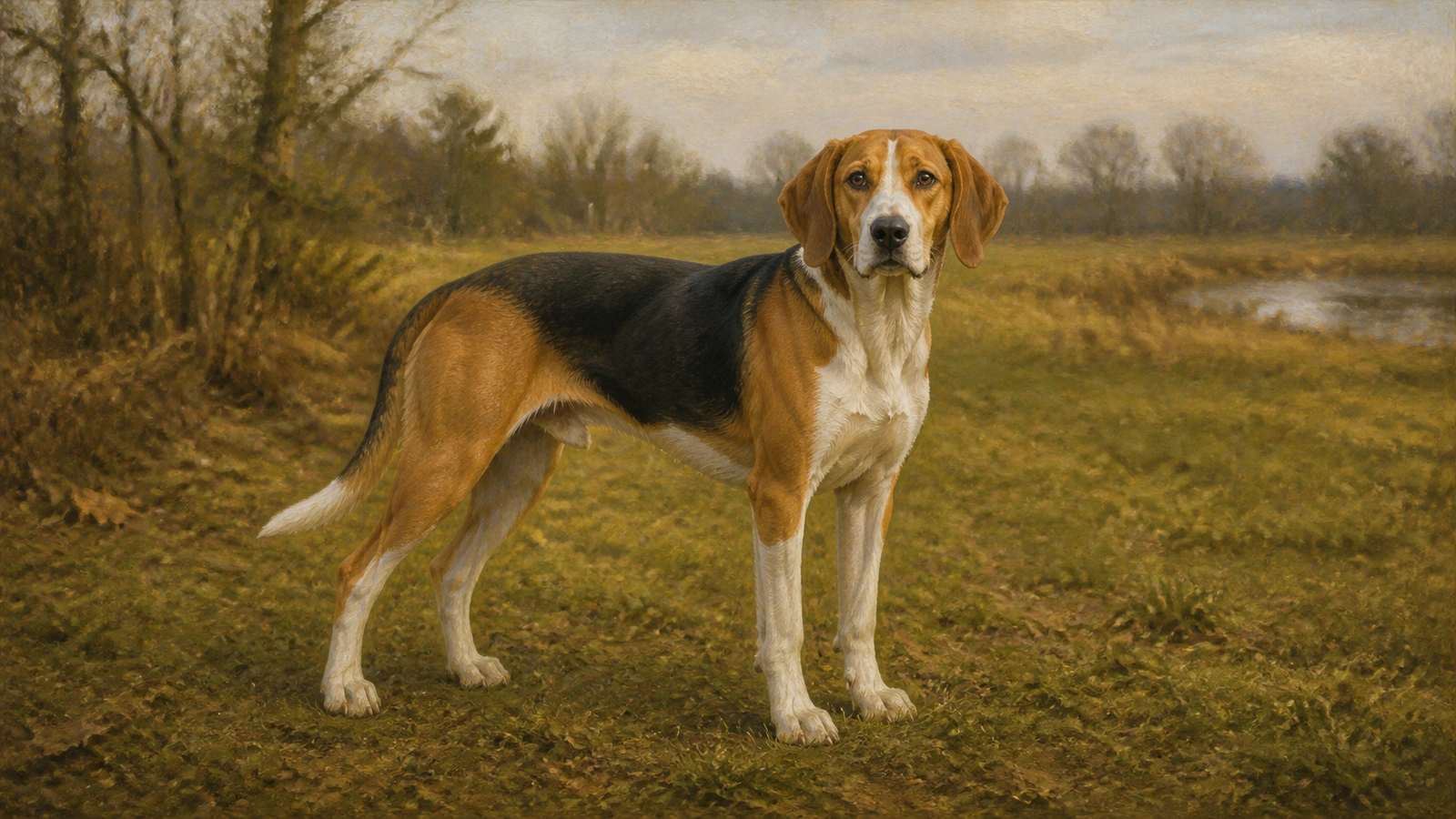
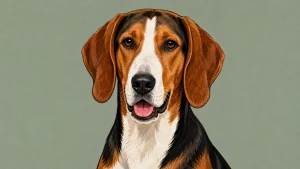
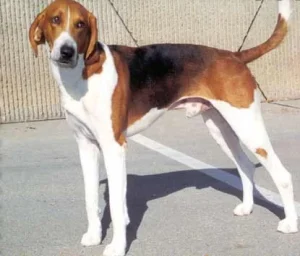
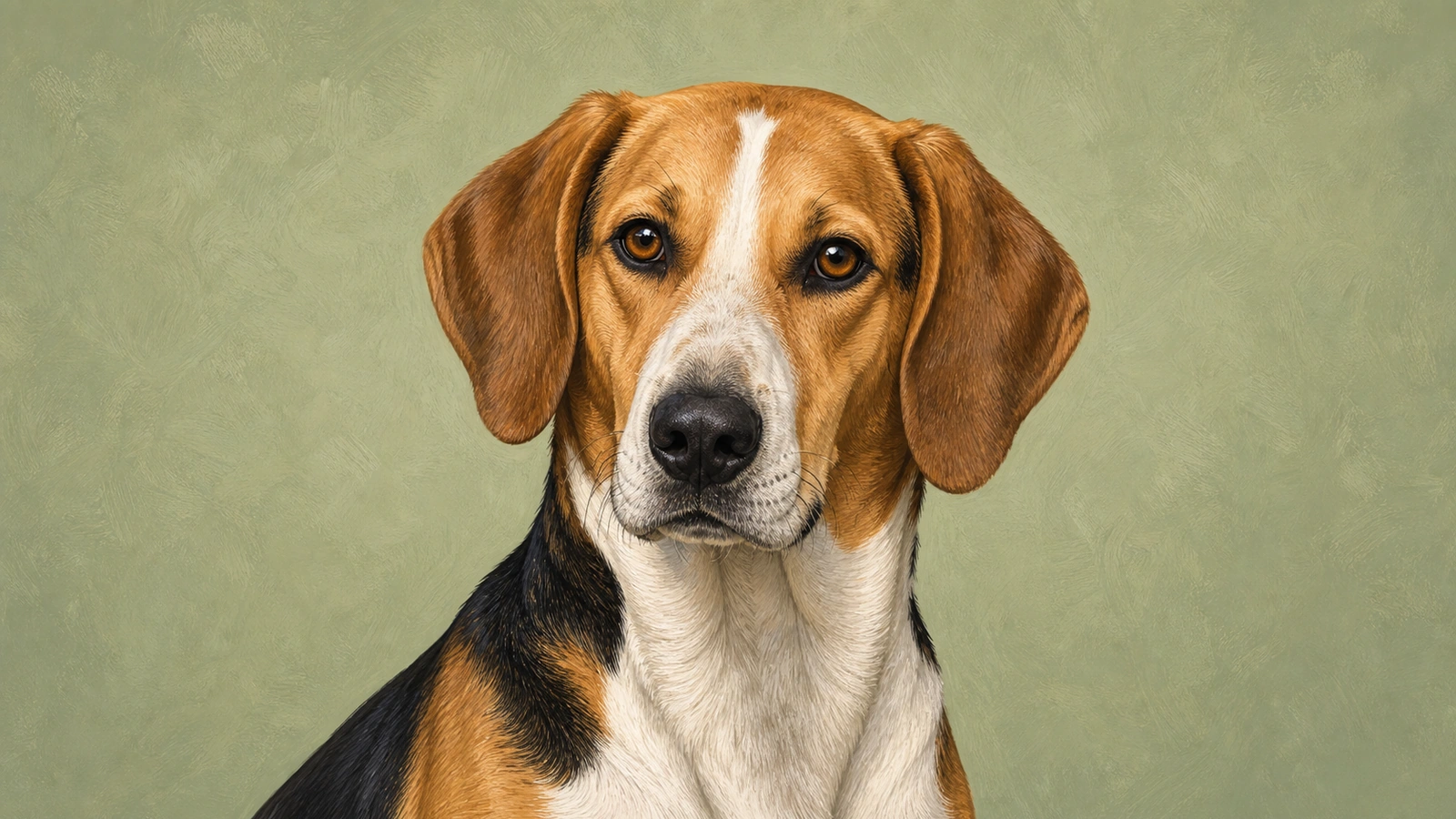
The Harrier is a cheerful, high-energy hound that loves family adventures. Athletic and social, they thrive with active owners and plenty of playtime.

BREED GROUP

Hound Dogs

Country of origin

United Kingdom

BREED SIZE

Medium

BREED HEIGHT

19 -

21 IN

48 -

53 cm

BREED WEIGHT

45 -

65 LB

20 -

29 KG

WHAT YOU NEED TO KNOW

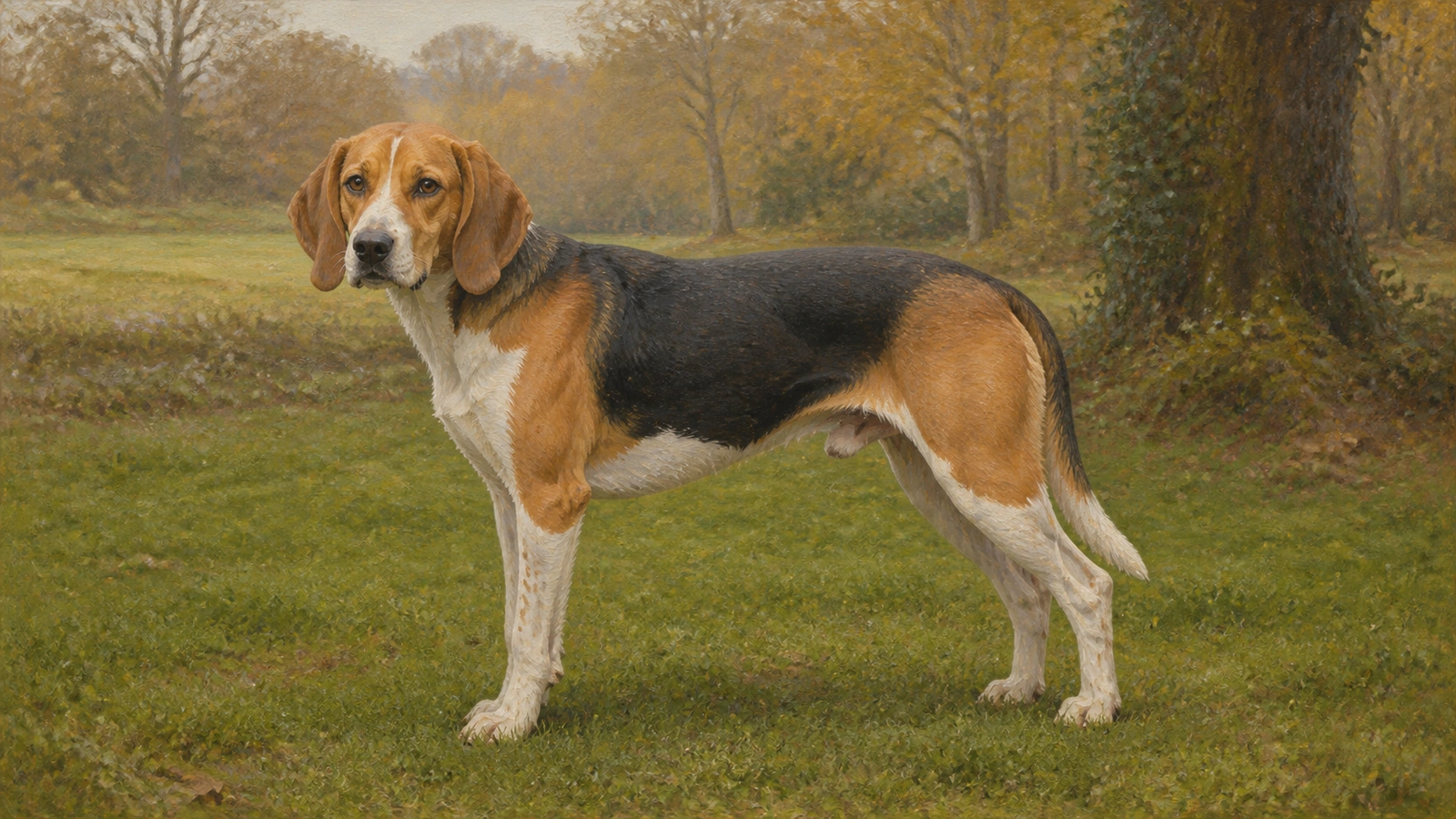
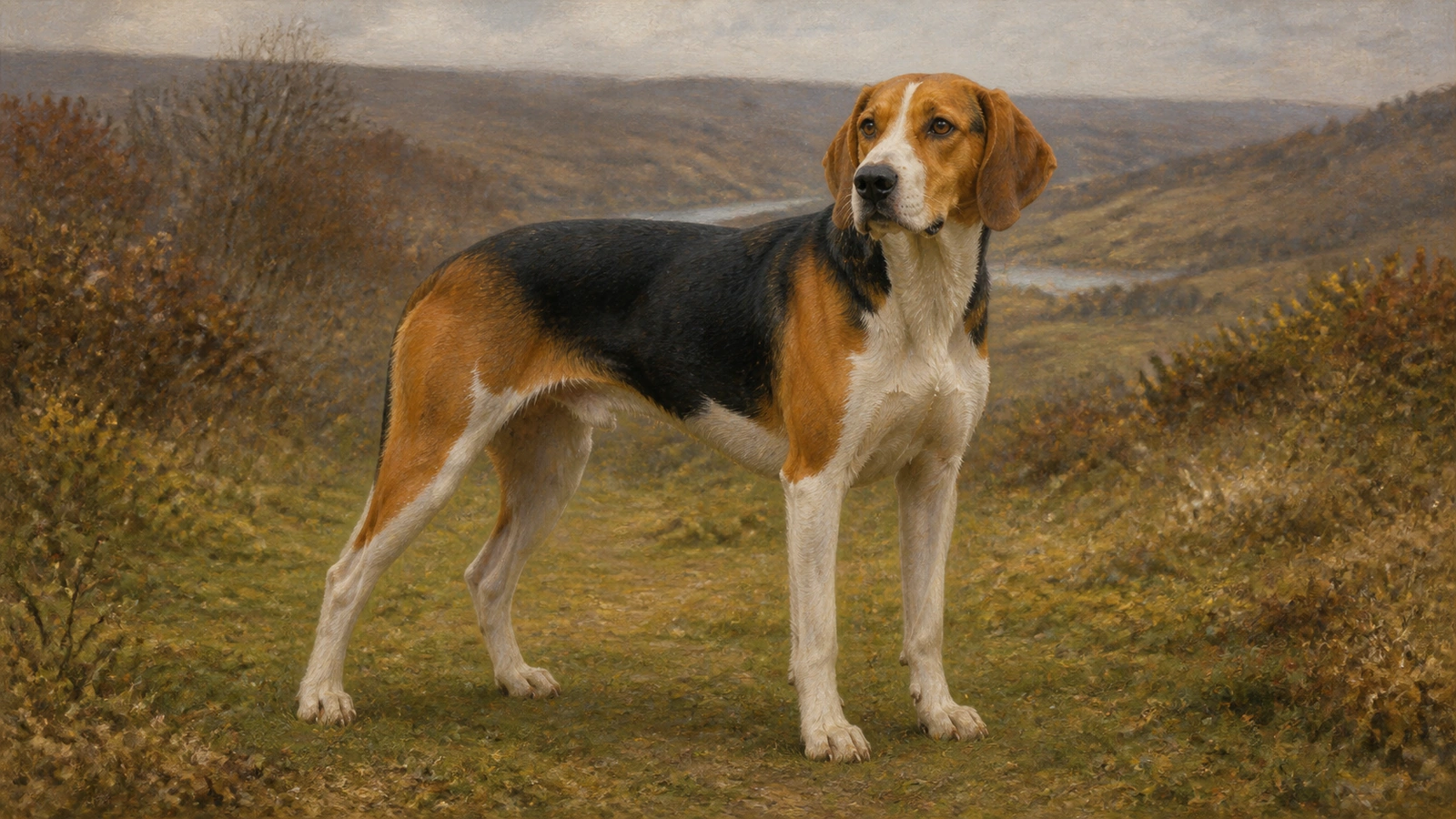
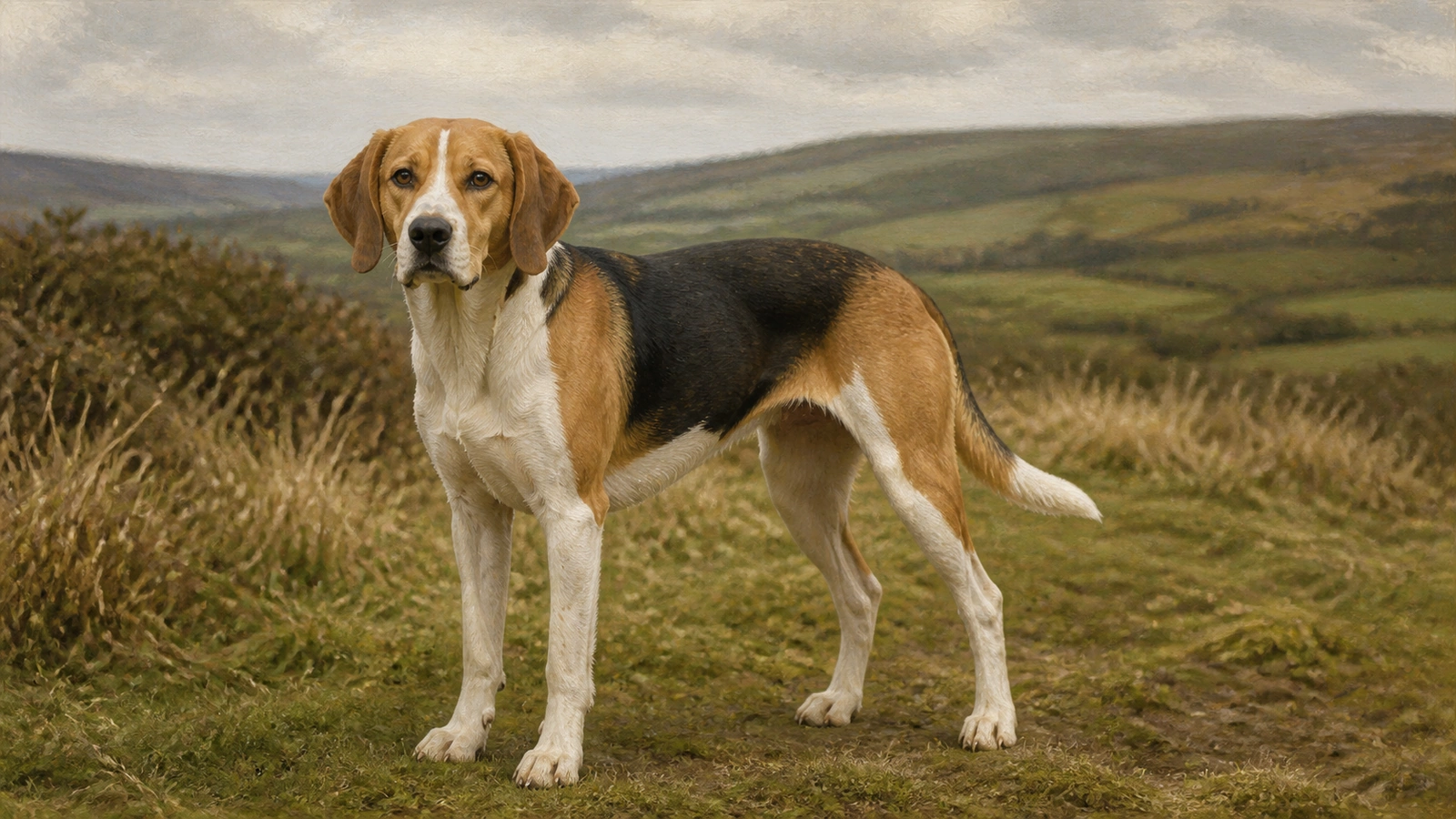
The Harrier is an athletic, medium-sized hound from the United Kingdom, often described as a larger Beagle. Known for their friendly and outgoing temperament, they are excellent family companions but thrive best in active households with large yards. With high energy levels and a strong prey drive, Harriers require over two hours of daily exercise, such as hiking or scent work. Their short, dense coat is low-maintenance, requiring only weekly brushing. Social and pack-oriented, they dislike being alone and adapt well to other dogs.
american kennel club (AKC) recognition

Yes

Breed was recognized in 1885.

International Canine Federation (FCI) recognition

Yes

Breed was recognized in 1954.
WHAT DO OWNERS WANT TO KNOW?

Are Harriers good family dogs?

Excellent

10 out of 10

Harriers make excellent family companions due to their friendly, outgoing temperament and social, pack-oriented nature. They thrive best in active households where they can receive over two hours of daily exercise and have access to a large yard.

Excellent

10 out of 10

Harriers are generally excellent with children, known for their gentle, patient, and playful temperaments. As pack-oriented dogs, they thrive on family interaction and are stable companions for people of all ages. However, their pack-oriented nature means they may prefer the company of other dogs over humans if not properly socialized within the family unit. Supervision is recommended with younger children.

Not Recommended

1 out of 10

Harriers are generally not recommended for first-time owners due to their independent nature and demanding exercise requirements. While they are friendly and social, their strong hunting instincts and stubbornness can make training challenging for novices. Success with this breed requires an owner with experience in consistent socialization and the ability to provide significant daily physical and mental stimulation to prevent boredom-based destructive behaviors.

Not Recommended

1 out of 10

Harriers are not recommended for apartment living due to their high energy levels and historical background as pack-oriented hunting hounds. They thrive best in active households with access to a large, securely fenced yard where they can satisfy their need for vigorous daily exercise and scent work. Without significant physical activity and mental stimulation, these vocal dogs may become bored and develop destructive behaviors.

Strictly Required

1 out of 10

A securely fenced yard is strictly required for a Harrier to accommodate their high energy levels and strong hunting instincts. Since they are scenthounds bred to follow trails for long distances, they need a safe, enclosed space to explore without wandering off after a scent. Owners must ensure the fencing is particularly secure, as Harriers are skilled diggers and problem-solvers who may attempt to escape if they become bored.

Not Recommended

1 out of 10

Harriers are highly social pack-oriented hounds that generally dislike being alone and thrive on constant human or canine companionship. While they can tolerate moderate absences if well-exercised and provided with mental stimulation or another dog for company, prolonged isolation often leads to boredom-based destructive behaviors, excessive howling, or separation anxiety. They are best suited for households where family members are frequently present to provide the interaction and activity this energetic breed requires.

Very Good

7 out of 10

Harriers generally coexist well with cats, especially when raised together from a young age. Their social and pack-oriented nature helps them integrate into multi-pet households. However, as scent hounds with a strong prey drive, they may be inclined to chase. Early socialization, consistent training, and supervised introductions are essential to ensure a harmonious relationship with feline companions.

Gentle

9 out of 10

Harriers are not naturally aggressive; they are typically friendly, outgoing, and social companions. As pack-oriented hounds, they generally get along well with other dogs and are gentle and patient with children. Any potential for aggression is usually minimal, though their strong prey drive can lead them to chase smaller animals if not properly socialized and supervised.

Very High

9 out of 10

Harriers are exceptionally high-energy hounds that require significant daily exercise and mental stimulation to thrive. Originally bred for long-distance pack hunting, they possess remarkable stamina and can become bored or destructive without an outlet for their energy. They are ideal companions for active owners who enjoy long walks, hiking, or jogging and can provide a securely fenced area for safe exploration.

~120+ min a day

10 out of 10

Harriers are high-energy hounds that typically require at least two hours of daily exercise to thrive. They are best suited for active owners who can provide long walks, jogs, or engaging activities like hiking and scent work. Ensuring they have a constructive outlet for their stamina and tracking instincts is essential to prevent boredom and maintain their cheerful, outgoing nature.

Very Good

7 out of 10

Harriers generally tolerate warm weather well, as their short, dense coats provide some protection and they possess the stamina of a working hound. However, because they are active dogs with high exercise needs, owners should provide ample shade and fresh water during outdoor activities. It is best to avoid strenuous exercise during the peak heat of the day to prevent overheating and ensure they remain comfortable.

Very Good

7 out of 10

Harriers generally tolerate warm weather well, as their short, dense coats provide some protection and they possess the stamina of a working hound. However, because they are active dogs with high exercise needs, owners should provide ample shade and fresh water during outdoor activities. It is best to avoid strenuous exercise during the peak heat of the day to prevent overheating and ensure they remain comfortable.

Sometimes Restricted

5 out of 10

Harriers are sometimes restricted in apartments and rentals because their size often exceeds common weight limits and their high exercise requirements necessitate a large yard. Their vocal nature as pack hounds can also lead to noise complaints in dense housing environments. Prospective owners should verify individual landlord policies regarding weight caps and specific rules for scent hounds.

WHAT DO OWNERS WANT TO KNOW?


Photo
Reviewed by
Dr. Vojtech Gabriel
DVM · PhD · MBA
Veterinarian Researcher Dog breed specialist
Verified

"Harriers are generally athletic and healthy hounds with a lifespan of 12-15 years, but they are genetically predisposed to hip dysplasia, which affects about 15% of the breed. As a veterinarian, I strongly recommend screening breeding stock through OFA or PennHIP to manage this risk. Owners should also be vigilant about routine ear cleanings to prevent infections in their floppy ears and maintain strict portion control to avoid obesity, which can strain their joints. While rare, they can occasionally face eye issues like cataracts or epilepsy. With a high-protein diet tailored to their high stamina, regular preventive care, and ample daily exercise to prevent boredom-based behaviors, Harriers thrive as long-term companions."


Other Hound Dogs