Skip to content

Irish Wolfhound - MAIN HUB

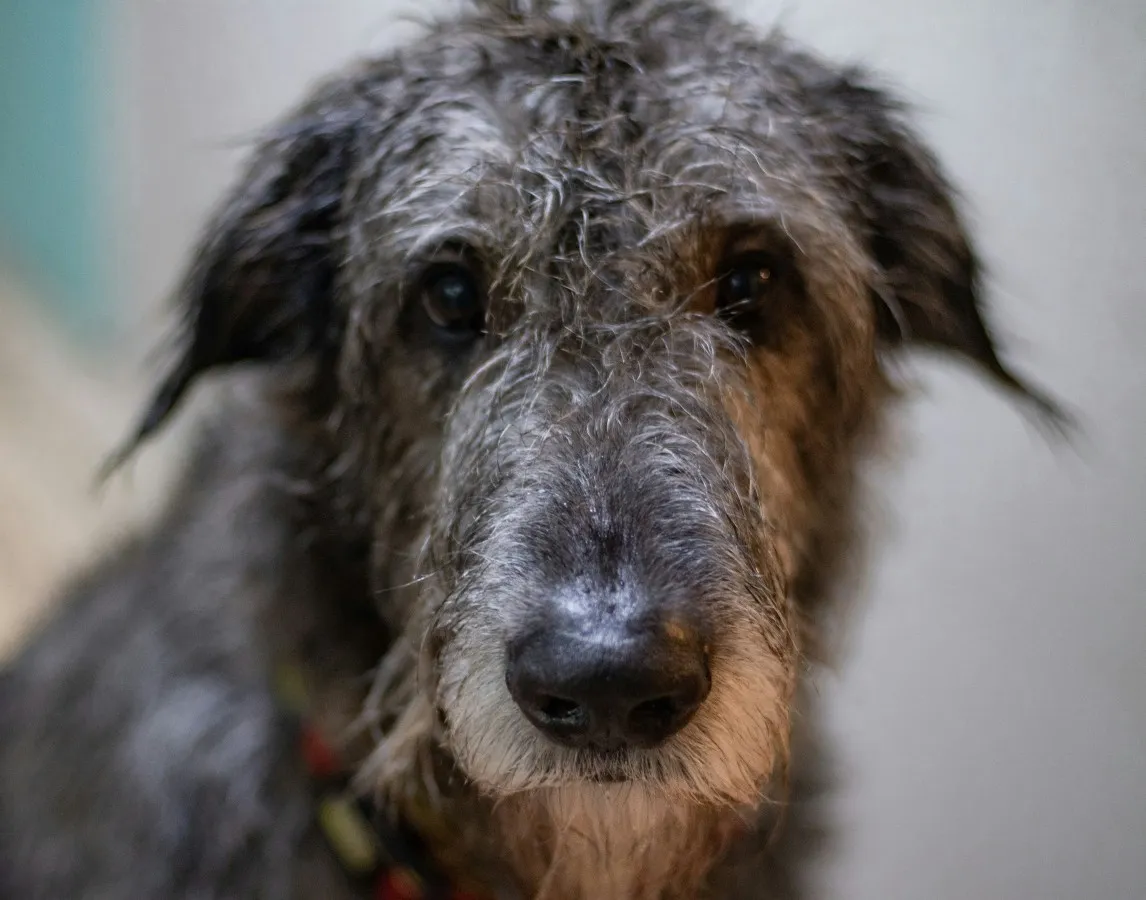
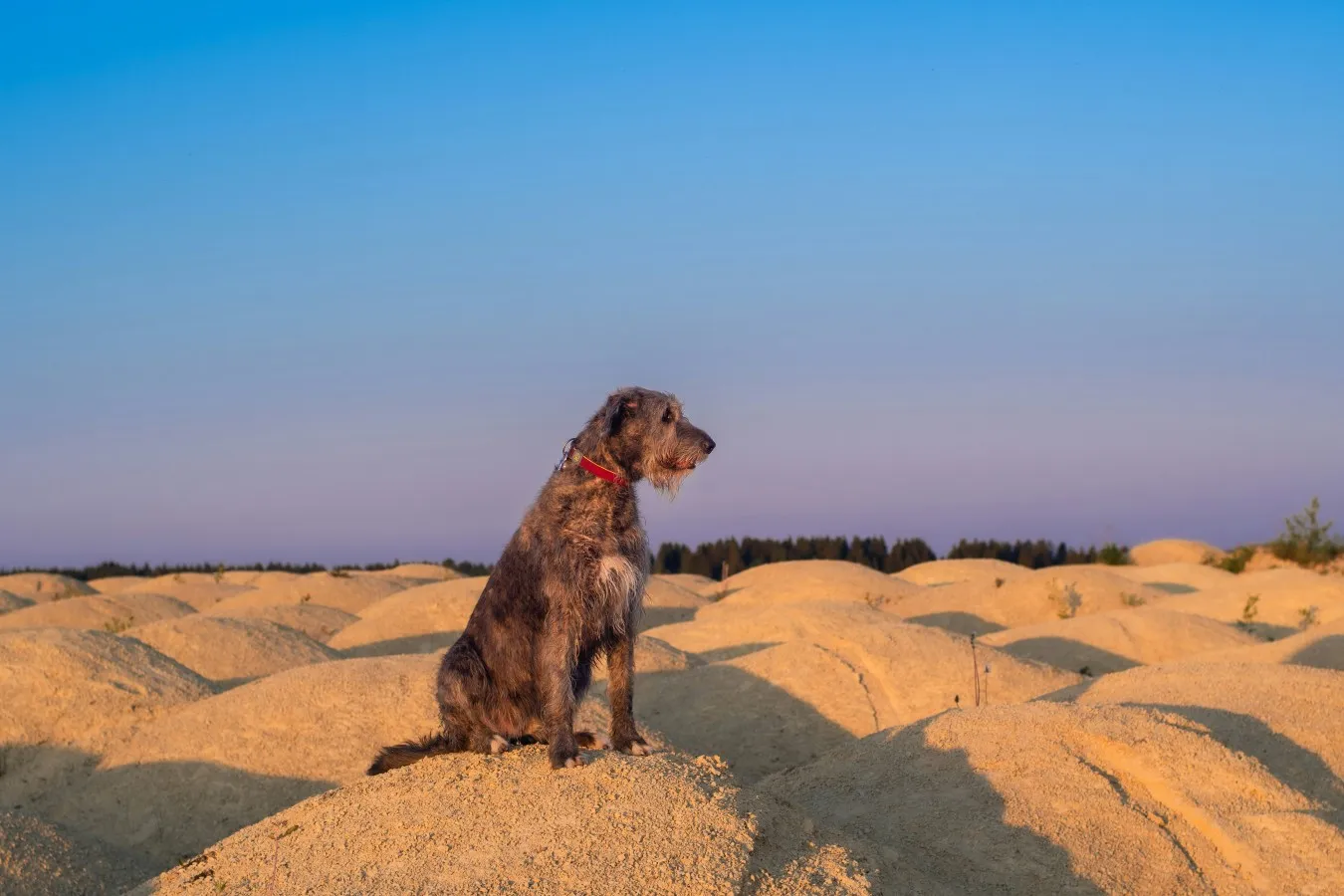
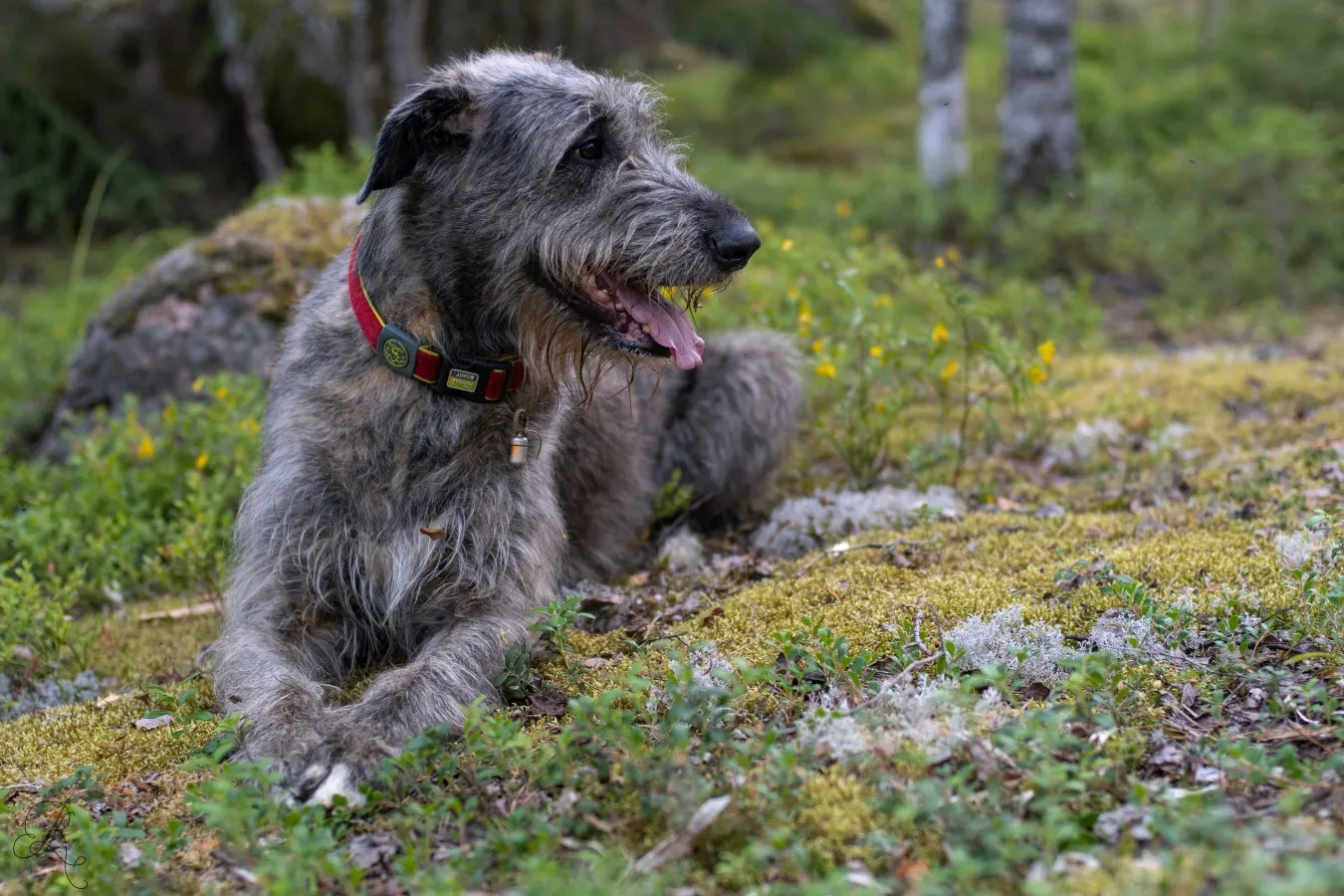
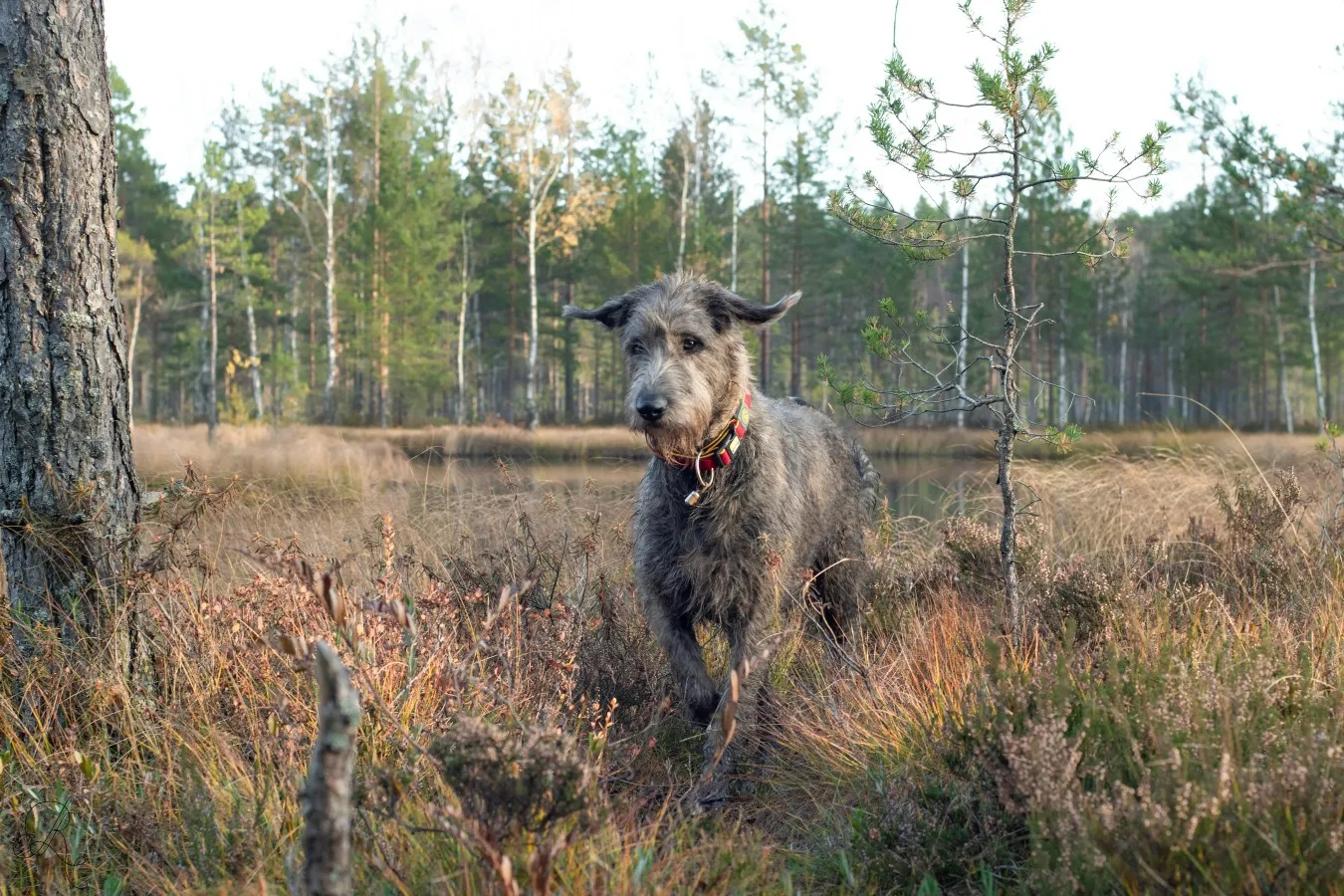
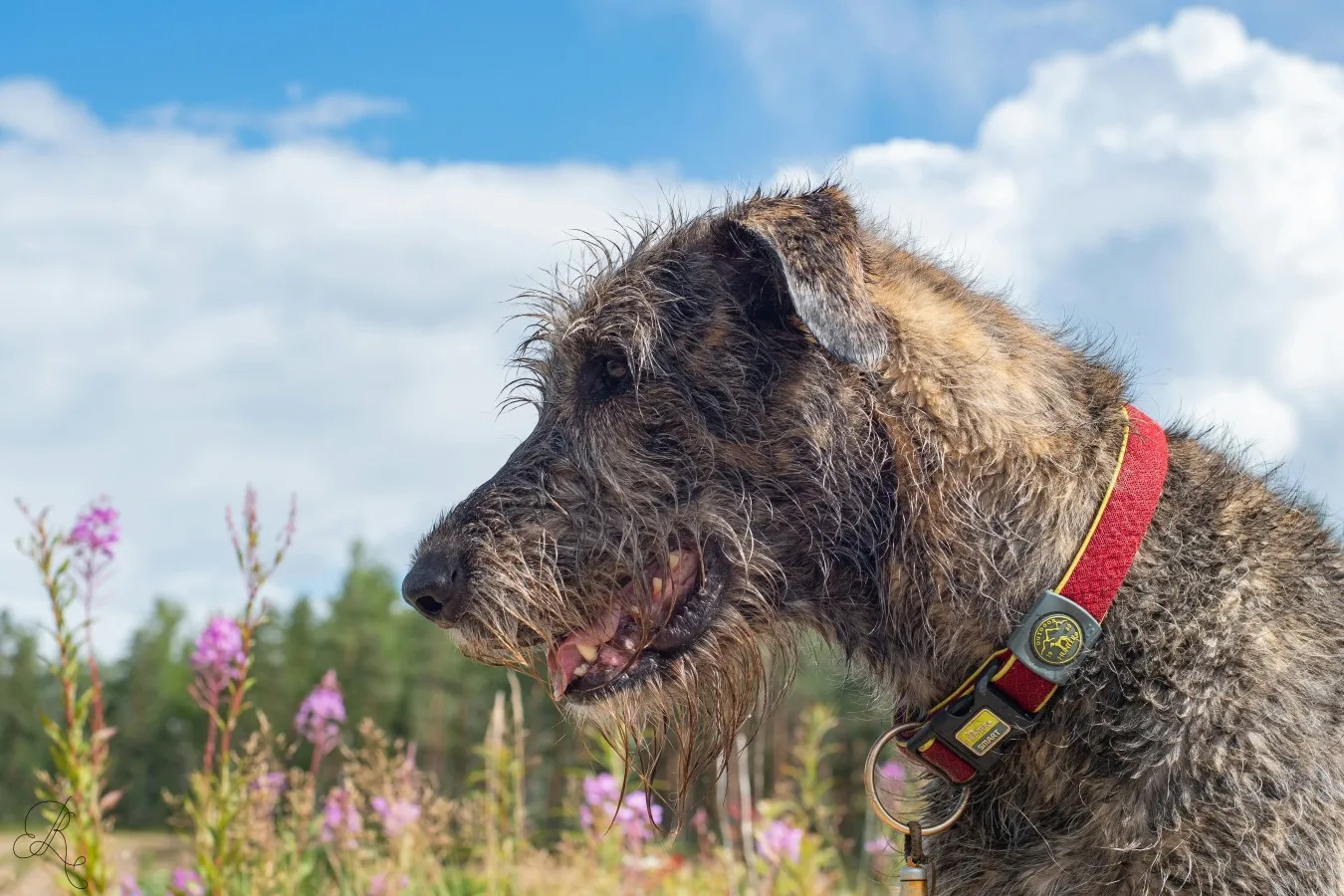
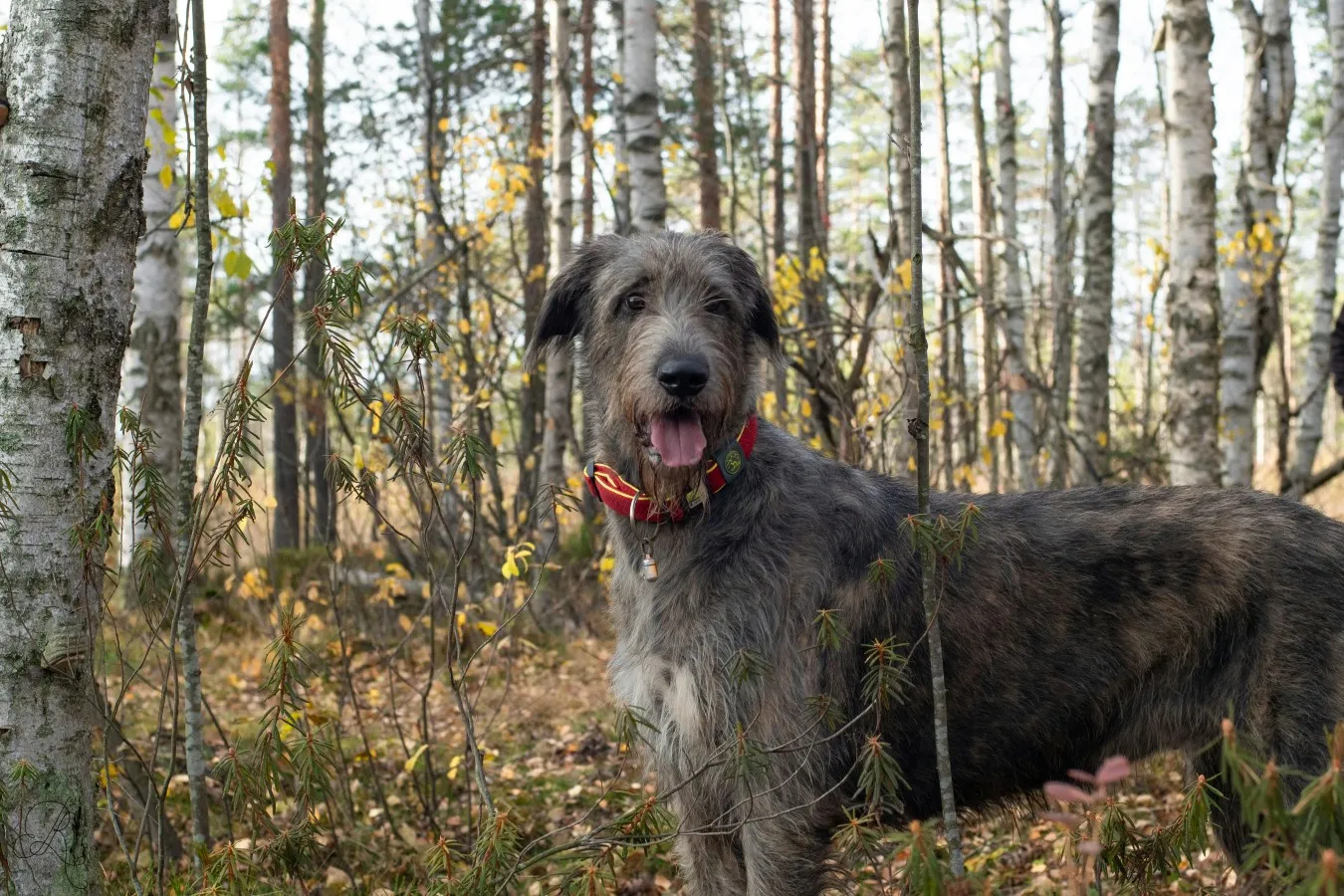
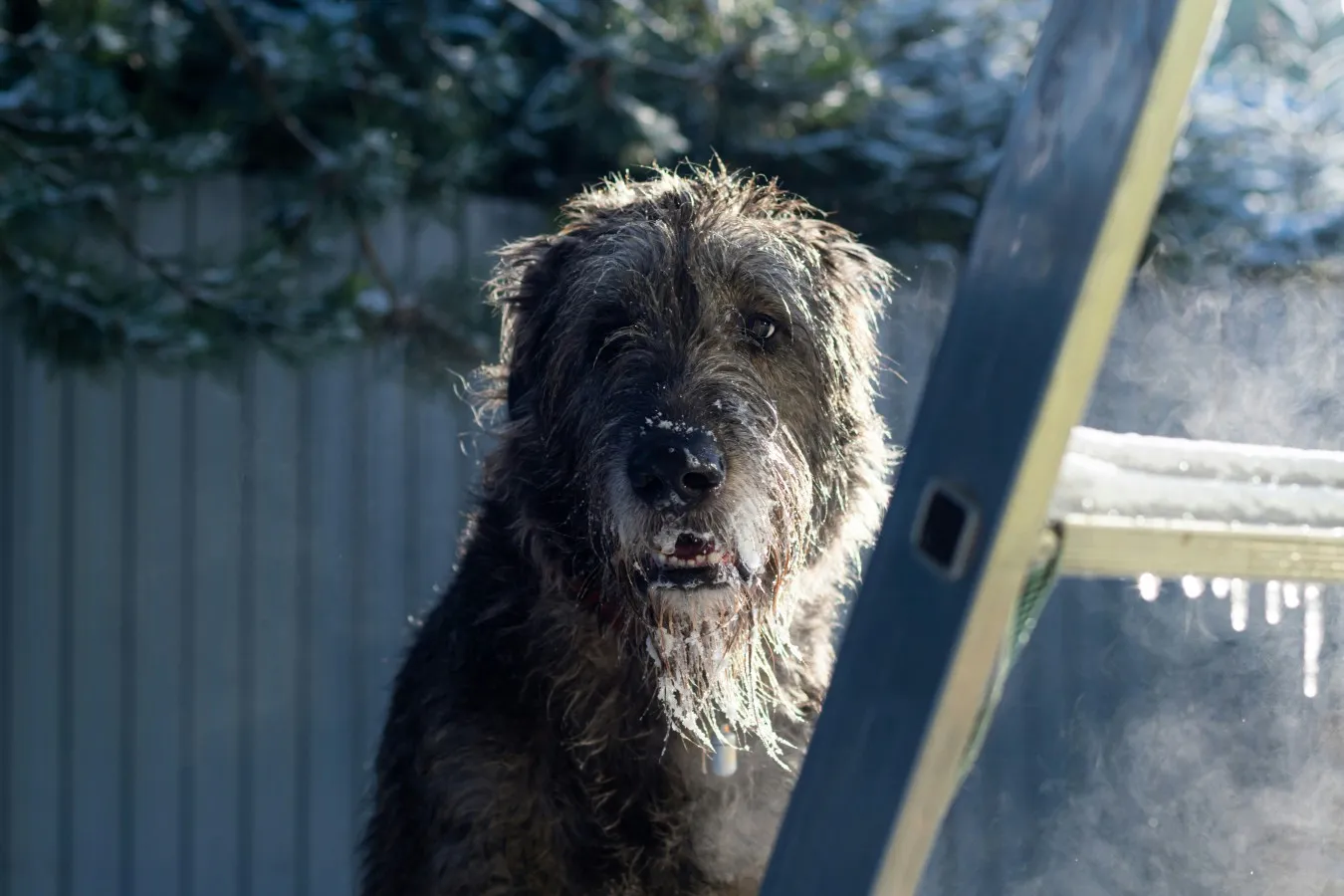
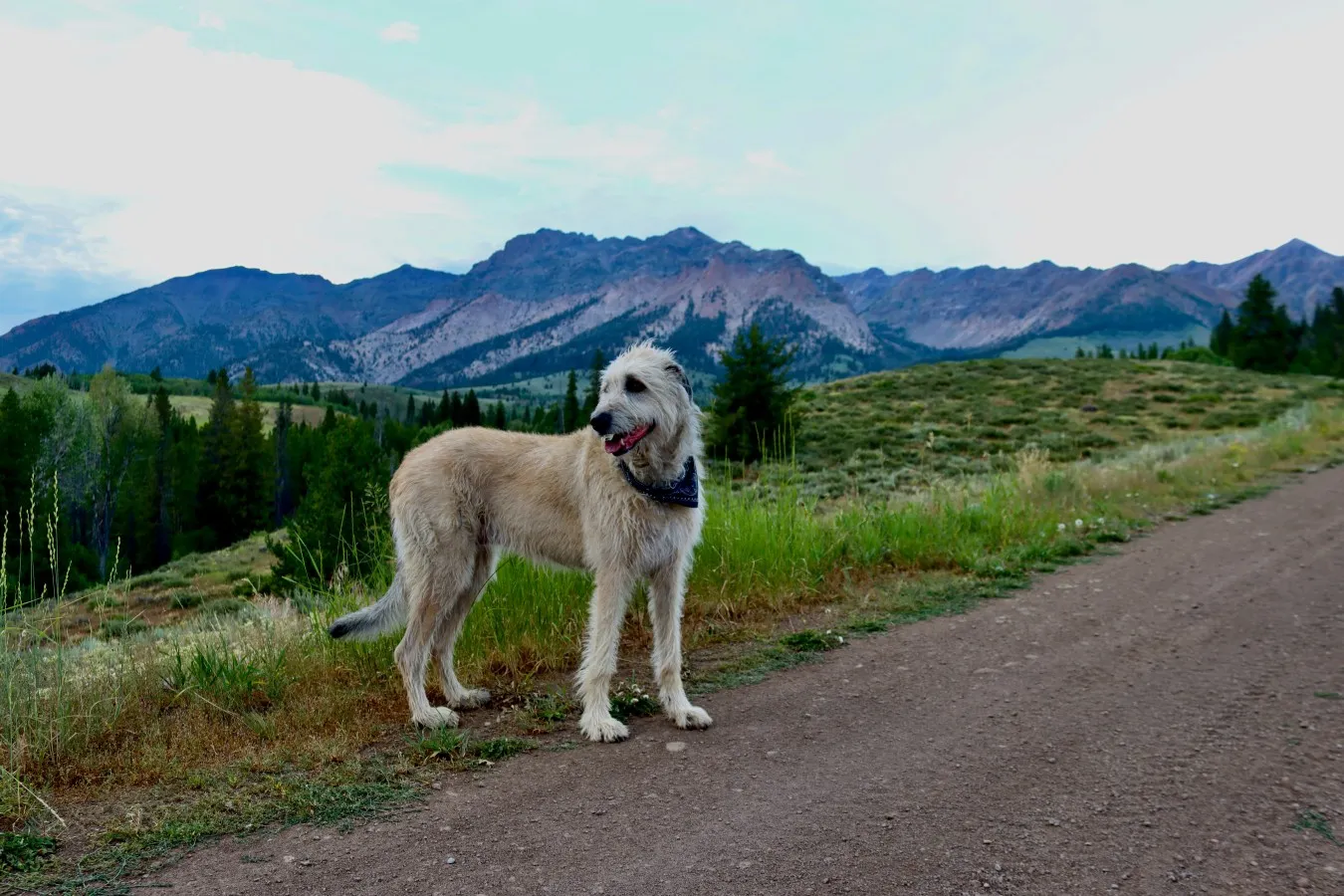
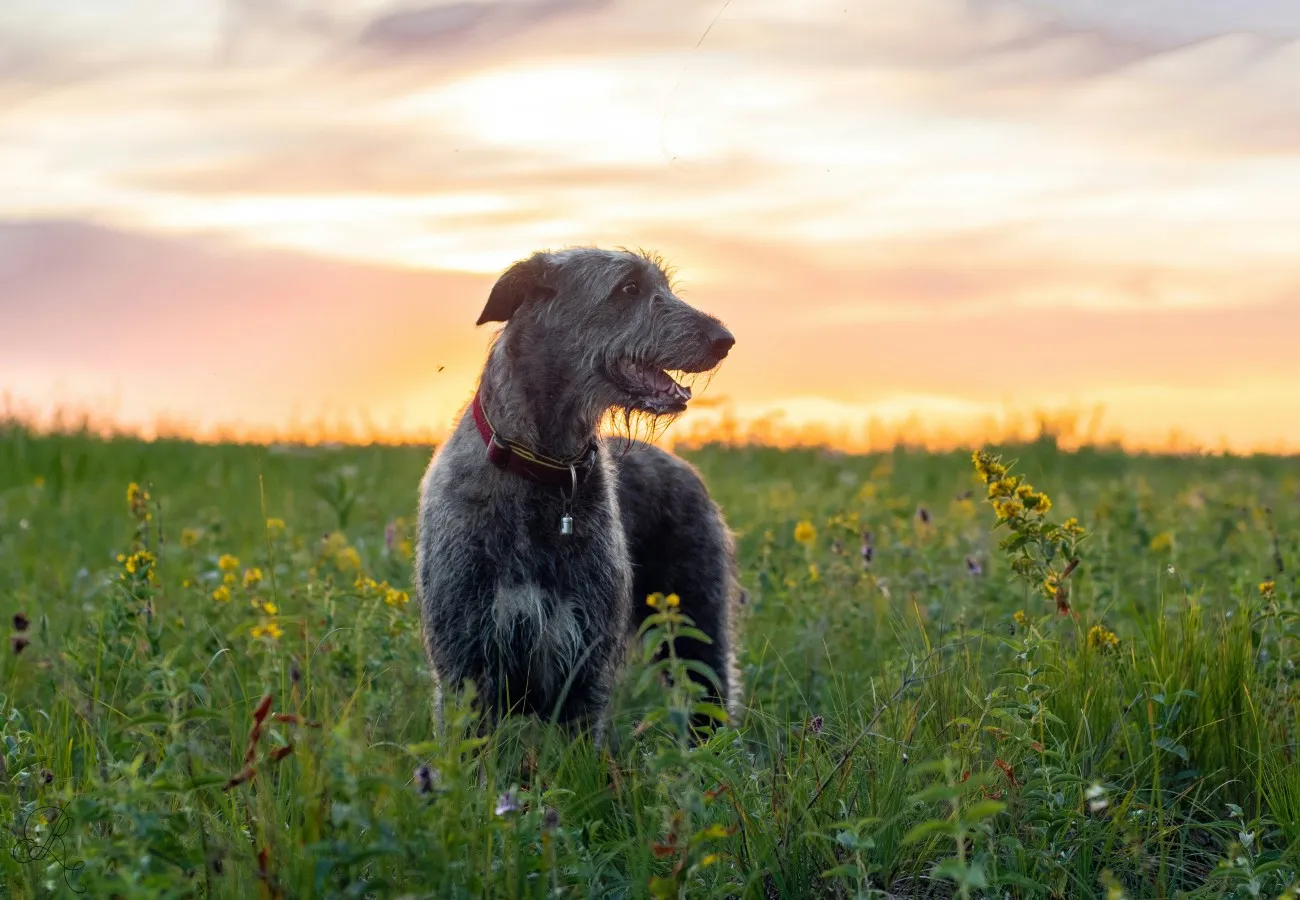
The Irish Wolfhound is a gentle giant with a serene soul. Standing tall and loyal, this noble hound brings a calm, dignified presence to any home.

BREED GROUP

Hound Dogs

Country of origin

Ireland

BREED SIZE

Giant

BREED HEIGHT

30 -

34 IN

76 -

86 cm

BREED WEIGHT

105 -

180 LB

48 -

82 KG

WHAT YOU NEED TO KNOW

The Irish Wolfhound, the tallest of all dog breeds, is a serene and agreeable companion known as a gentle giant. Originally bred in Ireland for hunting big game like wolves and deer, these muscular sighthounds are now prized for their calm, affectionate, and patient temperament. While they have a short lifespan of six to eight years and require significant indoor space, they are low-key housemates that enjoy regular, moderate exercise. Owners must be prepared for potential health issues like bloat and joint problems, as well as their independent nature during training.
american kennel club (AKC) recognition

Yes

Breed was recognized in 1897.

International Canine Federation (FCI) recognition

Yes

Breed was recognized in 1955.
WHAT DO OWNERS WANT TO KNOW?

Are Irish Wolfhounds good family dogs?

Great

9 out of 10

The Irish Wolfhound is an excellent family dog due to its calm, affectionate, and patient temperament, earning it the reputation of a gentle giant. While they are serene and low-key housemates, their massive size requires significant indoor space to live comfortably. Families should be mindful of their short lifespan and potential health issues like bloat and joint problems.

Great

9 out of 10

Irish Wolfhounds are quintessential gentle giants, known for being exceptionally patient, calm, and affectionate with children. While their massive size requires supervised play to prevent accidental knocks, their serene and sensitive nature makes them wonderful family companions. Early socialization and basic obedience training are recommended to manage their large stature around younger family members.

Not Recommended

1 out of 10

Irish Wolfhounds are generally not recommended for first-time owners due to their massive size, high maintenance costs, and significant space requirements. While they are gentle and patient, the challenges of managing a giant breed and their specific health needs make them better suited for experienced handlers.

Poor

2 out of 10

Irish Wolfhounds can adapt to apartment living due to their calm, mellow, and low-energy nature indoors. Often described as giant couch potatoes, they are relatively quiet and respectful of their surroundings. However, their massive size requires significant floor space to stretch out comfortably, and owners must commit to daily walks and off-leash exercise in a fenced area. Potential owners should also consider the lack of elevators in some buildings, as these dogs can struggle with stairs as they age. Finally, always check for breed-specific size and weight restrictions in lease agreements.

Strictly Required

1 out of 10

A fenced yard is highly recommended and often considered essential for an Irish Wolfhound to safely run and gallop. While they are calm couch potatoes indoors and can adapt to smaller spaces with dedicated owners, they require a secure, above-ground fence to accommodate their size and prevent them from chasing prey. Owners must ensure fencing is at least five feet tall and constructed of sturdy materials to support their weight and prevent escape.

Poor

2 out of 10

Irish Wolfhounds are deeply social and form strong bonds with their families, often leading to separation anxiety if left alone for long periods. While they are calm and relaxed indoors, they crave human companionship and can become destructive to relieve stress when isolated. It is recommended that they not be left alone for more than four hours, and they thrive best in households where someone is frequently present to provide affection and interaction.

Good

7 out of 10

Irish Wolfhounds generally coexist well with cats, particularly when raised with them from puppyhood. While their sighthound heritage gives them a natural instinct to chase running animals, they are typically gentle, patient, and respectful toward indoor feline family members. Because of their massive size and potential prey drive, initial introductions should be supervised, and cats should always have access to high or gated "safe zones" where the dog cannot reach them.

Very Gentle

10 out of 10

Irish Wolfhounds are not naturally aggressive; they are renowned for their gentle, calm, and patient temperament. Often called gentle giants, they are affectionate and peaceful companions that typically get along well with children and other animals. While their massive size can be intimidating, they are generally docile and non-aggressive, though their natural prey drive means they may be inclined to chase small animals. Consistent socialization and positive reinforcement training from a young age are essential to ensure these large dogs remain well-behaved and manageable.

Couch Potato

1 out of 10

Irish Wolfhounds have moderate energy levels and are famously known as calm, easygoing couch potatoes indoors. While they are serene and relaxed at home, they require regular daily exercise, such as long walks or space to stretch their large frames, to maintain their health and happiness.

~90 min a day

8 out of 10

Irish Wolfhounds require approximately 1 to 1.5 hours of moderate daily exercise, such as long walks or free play in a securely fenced area. Because they are a giant breed prone to joint issues, it is crucial to avoid overexertion and strenuous activity, especially during their long growth phase. These "gentle giants" are often low-key indoors but need regular movement to maintain their health and prevent obesity.

Poor

3 out of 10

Irish Wolfhounds have a moderate tolerance for heat and generally prefer cooler climates due to their large size and thick, wiry coats. They can easily overheat during strenuous activity or in high humidity, so it is important to provide them with a cool, air-conditioned indoor space and constant access to fresh water. Owners should limit exercise to the early morning or late evening hours during summer and may consider using cooling vests to help regulate their temperature.

Poor

3 out of 10

Irish Wolfhounds have a moderate tolerance for heat and generally prefer cooler climates due to their large size and thick, wiry coats. They can easily overheat during strenuous activity or in high humidity, so it is important to provide them with a cool, air-conditioned indoor space and constant access to fresh water. Owners should limit exercise to the early morning or late evening hours during summer and may consider using cooling vests to help regulate their temperature.

Often Restricted

4 out of 10

Irish Wolfhounds are rarely subject to breed-specific bans based on aggression, as they are renowned as gentle giants with calm, serene temperaments. However, they are frequently affected by apartment weight and size restrictions due to their status as the tallest dog breed. Most rental properties with weight limits (often set at 45-50 pounds) cannot accommodate a dog of their massive stature. Always verify specific floor space requirements and weight limits with individual landlords before applying.

WHAT DO OWNERS WANT TO KNOW?


Photo
Reviewed by
Dr. Vojtech Gabriel
DVM · PhD · MBA
Veterinarian Researcher Dog breed specialist
Verified

"Irish Wolfhounds are majestic gentle giants, but their massive size and deep chests predispose them to several critical health issues. As a veterinarian, I prioritize monitoring for Gastric Dilatation-Volvulus (GDV or bloat), a life-threatening emergency where the stomach twists; prophylactic gastropexy is often recommended. They are also prone to dilated cardiomyopathy (DCM), bone cancer (osteosarcoma), and joint issues like hip and elbow dysplasia. Due to their rapid growth and giant stature, maintaining a lean weight and providing orthopedic support is essential. Their exceptionally short lifespan of 6-8 years means proactive screening for heart and liver conditions, such as portosystemic shunt, is vital for their care."
Other Hound Dogs