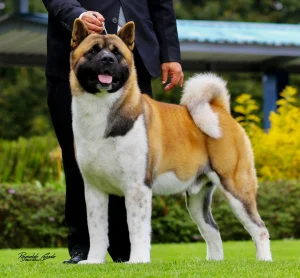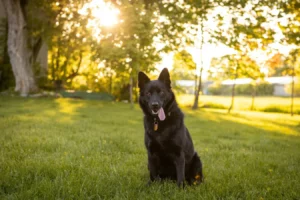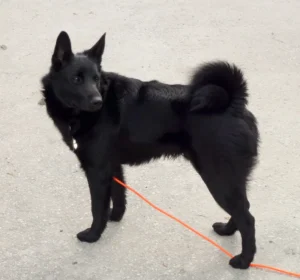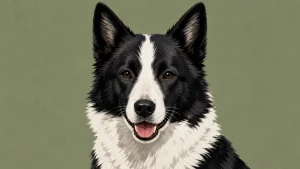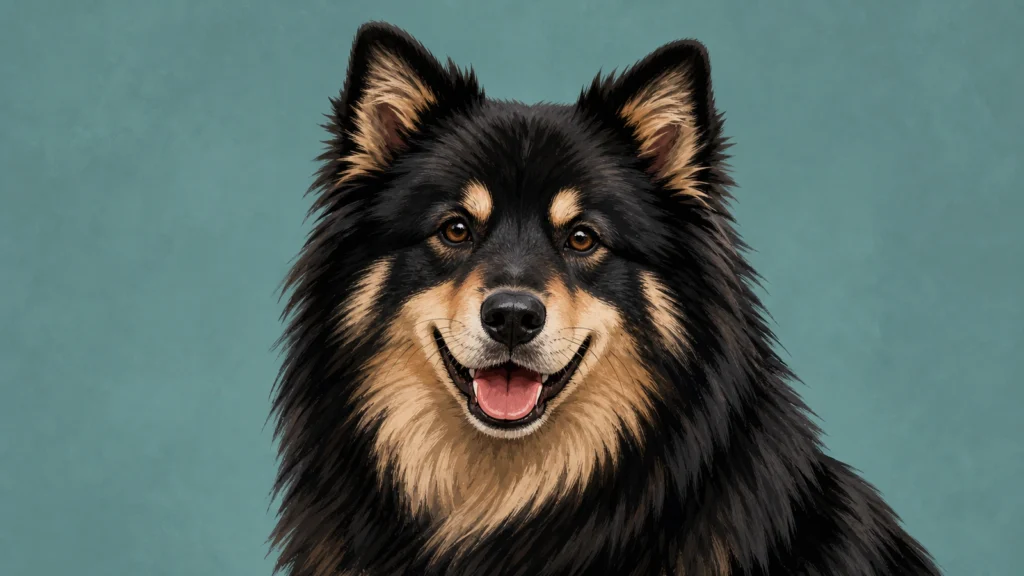
Swedish Lapphund
Breed Group
Spitz Dogs
Country of Origin
Sweden
Breed Size
Medium
AKC Recognition
No
FCI Recognition
Yes, recognized in 1955
Family dog
Average5 / 10
Good with kids
Average5 / 10
First-time owner
Average5 / 10
Apartment dog
Good6 / 10
Yard need
Low7 / 10
Can be left alone
Very Good8 / 10
What Do Owners Want to Know?
Are Swedish Lapphund good family dogs?
The Swedish Lapphund is a deeply affectionate and friendly breed, making it an excellent choice for a family companion. Their intelligence and playful nature suit active households, although families should be prepared to provide significant daily exercise and manage their vocal tendencies.
Family dog: 5 / 10
Are Swedish Lapphund good with kids?
Swedish Lapphunds are affectionate and playful companions that generally get along well with children, particularly in active families that can provide plenty of engagement. While they are patient and gentle, their natural herding instincts and vocal nature mean they may be better suited for older children who can handle a boisterous dog. Supervision is always recommended during play to ensure interactions remain safe and manageable for both the dog and the child.
Good with kids: 5 / 10
Are Swedish Lapphund good for first-time owners?
Swedish Lapphunds can be a good choice for first-time owners who are active and dedicated to consistent training. While they are highly intelligent and eager to please, their independent streak and high energy levels require a commitment to daily mental and physical stimulation. Prospective owners should also be prepared for their vocal nature and significant shedding.
First-time owner: 5 / 10
Are Swedish Lapphund good apartment dogs?
Swedish Lapphunds can adapt to apartment living if their high energy and exercise needs are met, though their vocal nature should be managed.
Apartment dog: 6 / 10
Do Swedish Lapphund need a yard?
A yard is recommended for the Swedish Lapphund to accommodate their energy, but they can thrive without one if given enough daily exercise.
Yard need: 7 / 10
Can Swedish Lapphund be left alone?
Swedish Lapphunds are highly social dogs that thrive on human companionship and are prone to separation anxiety if left alone for extended periods. They are best suited for households where someone is present during the day, as prolonged isolation can lead to boredom-induced destructive behaviors and excessive barking. While they can tolerate moderate absences with proper mental and physical stimulation, they are happiest when integrated into daily family activities.
Can be left alone: 8 / 10
Are Swedish Lapphund good with cats?
Swedish Lapphunds generally coexist peacefully with cats, particularly when introduced at a young age. Their affectionate and social nature allows them to form strong bonds with other household pets. However, as with all herding breeds, early socialization and supervised introductions are recommended to manage their playful energy and ensure a harmonious relationship with feline companions.
Good with cats: 4 / 10
Are Swedish Lapphund aggressive?
Swedish Lapphunds are very gentle and friendly companions that form strong bonds with their families.
Aggression tendency: 10 / 10
Are Swedish Lapphund high-energy dogs?
Swedish Lapphunds are high-energy herding dogs that require significant daily physical and mental stimulation.
Energy level: 10 / 10
How much exercise does a Swedish Lapphund need?
The Swedish Lapphund requires at least one hour of daily exercise to maintain their physical and mental well-being. This should include a mix of brisk walks, running, and interactive play like fetch to satisfy their energetic nature. Incorporating mental challenges such as training or agility is also essential to prevent boredom and manage their vocal tendencies.
Exercise need: 4 / 10
Can Swedish Lapphund live in hot weather?
Swedish Lapphunds are prone to overheating due to their thick, double-layered Nordic coats designed for Arctic temperatures. Owners must provide ample shade, constant access to fresh water, and air conditioning during warm months. To prevent heatstroke, exercise should be limited to the early morning or late evening, and the coat should never be shaved as it provides critical insulation against the heat.
Hot weather tolerance: 4 / 10
Can Swedish Lapphund live in cold weather?
Swedish Lapphunds are exceptionally well-suited for cold weather, featuring a dense, water-resistant double coat developed for the harsh Arctic climate. They remain comfortable and active in freezing temperatures and snow, though owners should still provide dry shelter and check for ice buildup on their paws during extreme conditions.
Cold weather tolerance: 10 / 10
Are Swedish Lapphund banned in apartments or rentals?
Swedish Lapphunds are rarely subject to breed bans, as they are not typically classified as a restricted or high-risk breed. Their medium size and friendly nature make them generally acceptable for rental living, though their tendency to bark and high exercise needs should be considered. Always check specific landlord policies regarding vocal breeds and general pet requirements before moving in.
Rental restriction risk: 6 / 10
Vet Insights
Swedish Lapphunds are generally healthy, but as a veterinarian, I prioritize screening for hip dysplasia and hereditary eye conditions like Progressive Retinal Atrophy (PRA). They are also genetically predisposed to Type II Glycogen Storage Disease (Pompe's disease) and diabetes mellitus, which require careful monitoring of symptoms like increased thirst or exercise intolerance. Because of their dense double coats, they are highly prone to overheating in warm weather, so owners must limit activity during peak heat. Maintaining a lean body weight is essential to protect their joints and reduce the risk of metabolic issues. Regular ear cleanings and consistent dental care are also recommended to ensure their overall well-being.