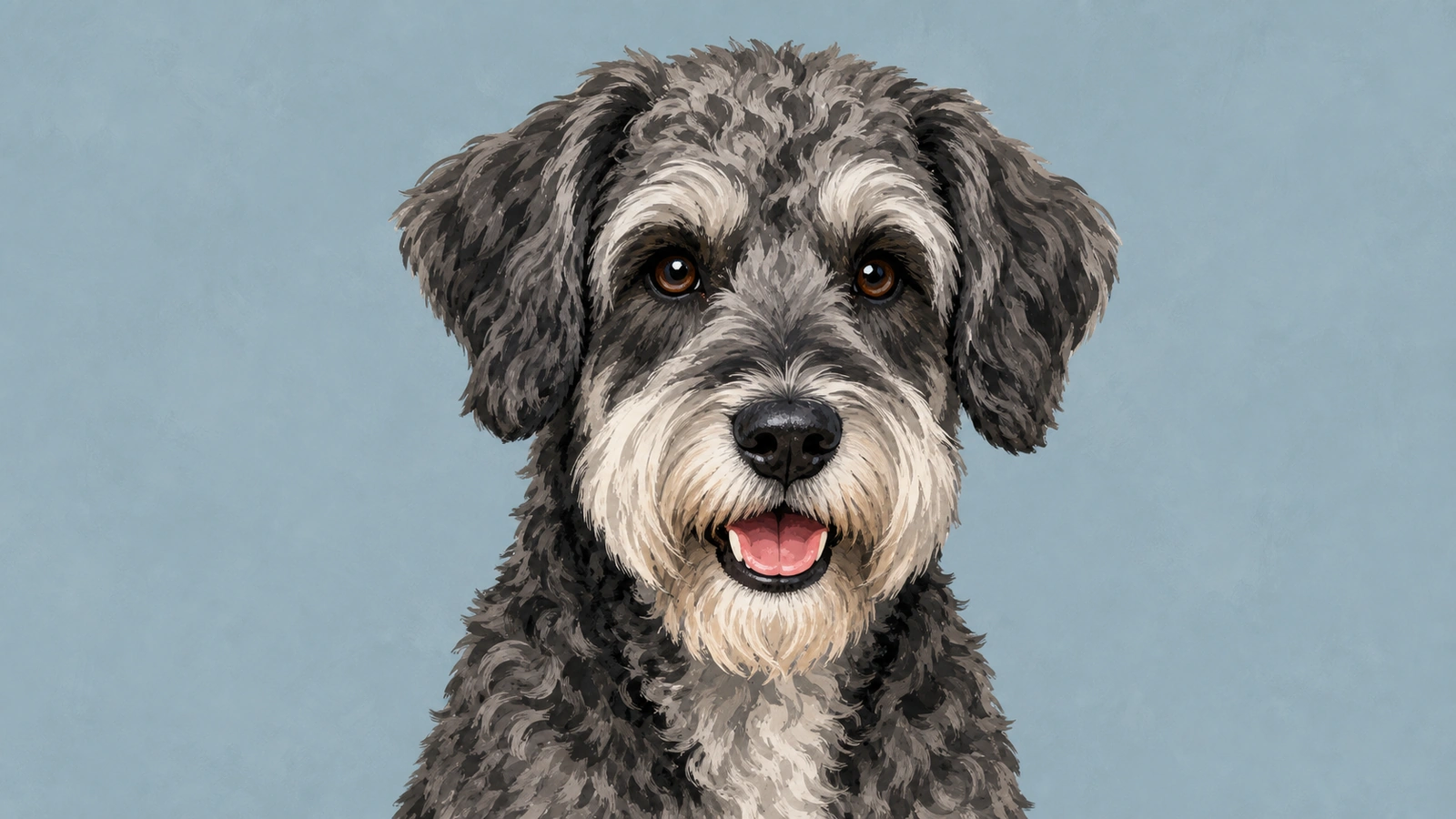
Schnoodle - MAIN HUB
BREED GROUP
Hybrid Dogs
Country of origin
United States
BREED SIZE
Large
BREED HEIGHT
11 -
28 IN
28 -
71 cm
BREED WEIGHT
71 -
100 LB
32 -
45 KG
WHAT YOU NEED TO KNOW
american kennel club (AKC) recognition
No
Breed was recognized in 0.

International Canine Federation (FCI) recognition
No
Breed was recognized in 0.
WHAT DO OWNERS WANT TO KNOW?
Are Schnoodles good family dogs?
Excellent
3 out of 10
The Schnoodle is an excellent choice for active families due to its affectionate, loyal, and playful nature. These intelligent dogs are highly trainable and form strong bonds with their family members, making them versatile and devoted companions.

Are Schnoodles good with kids?
Excellent
3 out of 10
Schnoodles are generally playful and affectionate companions that can match a child's energy well. However, due to their varying sizes and potential for boisterous behavior, they are often better suited for families with older children who can handle them gently. Consistent supervision is essential to ensure interactions remain safe, particularly for smaller Schnoodles that may be easily injured by rough play.
Are Schnoodles good dogs for first time owners?
Exceptional
3 out of 10
Schnoodles are a fair choice for first-time owners as they combine high intelligence with demanding exercise and grooming requirements. While their trainability and affectionate nature are appealing, their high energy levels and need for constant mental stimulation can be a steep learning curve for those new to dog ownership. Success requires a commitment to consistent training, regular physical activity, and frequent professional grooming to manage their specific coat and maintenance needs.
Are Schnoodles good apartment dogs?
Excellent
9 out of 10
Schnoodles are excellent apartment dogs because they are highly adaptable and come in small sizes that fit perfectly in compact living spaces. They thrive in apartments as long as their daily needs for physical exercise and mental stimulation are met. Their affectionate personalities and low-shedding coats make them ideal companions for city dwellers seeking a smart, loyal pet.
Do Schnoodles need a yard?
Low
7 out of 10
A yard is not strictly required for a Schnoodle, as they are highly adaptable and can thrive in apartment settings. While they benefit from having a secure space to romp and play, their exercise and mental stimulation needs can be successfully met through daily walks and indoor activities.
Can Schnoodles be left at home alone?
Good
7 out of 10
Schnoodles can tolerate being alone for moderate periods, typically up to eight hours for well-trained adults, but they thrive on companionship and are prone to separation anxiety if isolated too frequently. To prevent boredom-induced destructive behaviors like chewing or barking, owners should provide mental stimulation through puzzle toys and ensure they receive adequate exercise and attention when family members are home.
Do Schnoodles tolerate cats well?
Excellent
9 out of 10
Schnoodles generally get along excellently with cats due to their affectionate, intelligent, and social nature. They typically form harmonious bonds with feline companions, especially when raised together from a young age or socialized early. While their playful spirit may lead to occasional curiosity, their adaptable temperament makes them a wonderful addition to multi-pet households.
Are Schnoodles known to be aggressive?
Easygoing
7 out of 10
Schnoodles are typically easygoing and friendly companions that are rarely aggressive. Inheriting the intelligence of the Poodle and the loyalty of the Schnauzer, they are known for their cheerful and affectionate nature. While their alert instincts make them excellent watchdogs that may bark to announce newcomers, they are generally sociable with strangers and other pets when provided with early socialization and consistent positive reinforcement training.
Do Schnoodles have a lot of energy?
Active
6 out of 10
Schnoodles are active and spirited dogs that inherit a strong work ethic and high energy from both their Poodle and Schnauzer ancestors. They require regular daily exercise, such as brisk walks or games of fetch, along with mental stimulation through training and puzzle toys to remain happy and prevent boredom-related behaviors like barking or chewing.
How much exercise do Schnoodles need?
~60+ min a day
4 out of 10
Schnoodles are active, high-energy dogs that require at least 60 minutes of daily exercise, including brisk walks, jogging, and playtime. Because they are highly intelligent, they also need consistent mental stimulation through puzzle toys and agility games to prevent boredom and destructive behaviors. They thrive in active households where they can participate in family adventures and physical activities.
Do Schnoodles tolerate hot weather well?
Great
8 out of 10
Schnoodles generally tolerate warm weather well due to their versatile coats and athletic nature. However, they can be prone to overheating if their curly or wavy hair is kept too long or during intense activity in high humidity. Owners should ensure their Schnoodle has access to shade, plenty of fresh water, and avoid strenuous exercise during the hottest parts of the day.
Are Schnoodles good with cold weather?
Great
8 out of 10
Schnoodles generally tolerate warm weather well due to their versatile coats and athletic nature. However, they can be prone to overheating if their curly or wavy hair is kept too long or during intense activity in high humidity. Owners should ensure their Schnoodle has access to shade, plenty of fresh water, and avoid strenuous exercise during the hottest parts of the day.
Are Schnoodles sometimes banned from rentals?
Low Risk
7 out of 10
Schnoodles are generally not subject to breed bans, as they are a popular hybrid known for their intelligence and low-shedding coats. Their adaptable nature and range of sizes, from toy to standard, make them well-suited for various rental environments. However, because they are not a purebred breed recognized by major registries, owners should verify specific landlord policies regarding weight limits or general pet requirements.
WHAT DO OWNERS WANT TO KNOW?