Schnoodle Training Profile
Schnoodles are intelligent and eager-to-please, making them quick learners and highly cooperative students. They respond exceptionally well to consistent, positive reinforcement and fun training sessions. With good trainability and a biddable nature, these dogs thrive when engaged with varied tasks, though they occasionally inherit an independent streak requiring firm, patient leadership.
TRAINABILITY
Very Easy
9 out of 10
MENTAL STIMULATION NEEDS
Below Average
4 out of 10
LOVE FOR GRUB
Voracious
9 out of 10
TRAINING FAQ
Are Schnoodles easy to train?
Quick Learner
8 out of 10
Schnoodles are exceptionally easy to train due to their high intelligence and eager-to-please nature inherited from both parent breeds. They are quick learners that respond brilliantly to positive reinforcement, treats, and fun, variety-filled sessions. While they may occasionally show a minor independent streak, their cooperative spirit and athletic ability make them ideal students for obedience, agility, and learning complex tricks.
Are Schnoodles stubborn?
Very Cooperative
9 out of 10
Schnoodles are generally very cooperative and easy to train thanks to their high intelligence and eager-to-please nature. While they may occasionally inherit an independent streak from their Schnauzer parent, they typically remain highly responsive and biddable students when engaged with consistent, positive reinforcement and fun training sessions.
How to train a Schnoodle puppy?
Good
8 out of 10
Train your Schnoodle puppy using short, fun sessions and plenty of positive reinforcement to channel their high intelligence. Focus on early socialization and basic commands like sit and stay. While they are naturally cooperative and biddable, maintain a consistent routine and provide variety to keep them engaged and manage any potential independent streaks from their Schnauzer heritage.
How difficult is to potty train a Schnoodle puppy?
Good
8 out of 10
Potty training a Schnoodle typically takes 4 to 6 months to achieve full reliability. Known for their high intelligence and eager-to-please nature, they often grasp the concept quickly if provided with a consistent routine, frequent outdoor breaks, and positive reinforcement. Their success relies on patience and avoiding punishment during the learning process.
How many walks does a Schnoodle need?
Moderate Needs
6 out of 10
Schnoodles are energetic dogs that require substantial daily exercise to maintain their physical and mental health. While needs vary by size, most Schnoodles require 60 to 90 minutes of activity daily, with larger or more athletic individuals often needing up to two hours. This should include at least two brisk walks supplemented by high-energy play like fetch, swimming, or agility training. Without sufficient exercise, these intelligent dogs can become bored, anxious, and prone to destructive behaviors.
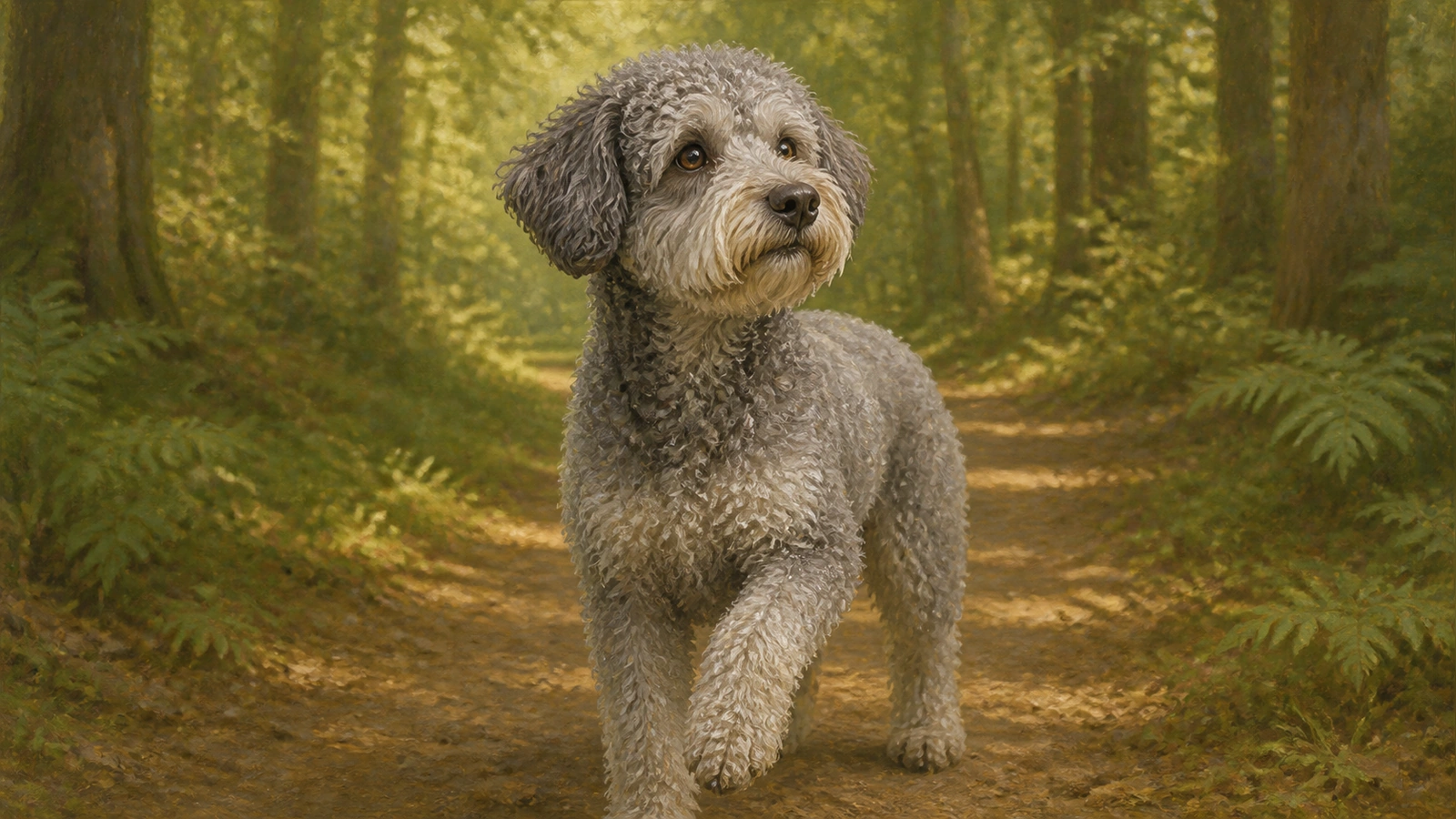
What is the best daily routine for a Schnoodle?
Moderate Low
5 out of 10
A Schnoodle’s daily routine should balance moderate to high physical activity with consistent mental stimulation to satisfy their working dog heritage. Provide 30 to 60 minutes of exercise daily, split into two brisk walks supplemented by interactive play like fetch or agility training. Feed adult Schnoodles twice daily and puppies three to four times to support their energy needs while monitoring portion sizes to prevent obesity. Essential care includes daily brushing to prevent coat matting and 10-15 minute training sessions using positive reinforcement to keep their sharp minds engaged. Because they are highly social “velcro dogs,” ensure they receive plenty of human companionship throughout the day to prevent separation anxiety.
VET INSIGHTS
Schnoodles are highly intelligent, cooperative learners that excel with positive reinforcement and varied training sessions. Inheriting an eager-to-please nature, they are typically quick to potty train and master complex tricks. These energetic companions require 30 to 60 minutes of daily exercise and consistent mental stimulation to prevent boredom, making them affectionate, athletic additions to active households.

Reviewed by
Dr. Vojtech Gabriel
DVM · PhD · MBA
Veterinarian
Researcher
Dog breed specialist
✓
Verified