Basset Bleu de Gascogne Training Profile
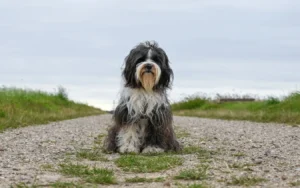
Basset Bleu de Gascognes are intelligent but independent scent hounds that require patient, reward-based training. Known for a moderate stubborn streak, they respond best to short, engaging sessions using high-value treats to manage their tracking instincts. Early socialization and consistent routines are essential for mastering basic obedience and overcoming demanding housebreaking challenges.
TRAINABILITY
Average
5 out of 10
MENTAL STIMULATION NEEDS
Average Needs
5 out of 10
LOVE FOR GRUB
Great Eater
8 out of 10
TRAINING FAQ
Are Basset Bleu de Gascognes easy to train?
Independent
4 out of 10
Basset Bleu de Gascognes are typically intelligent and loyal companions, but their independent scent-hound heritage can make them moderately challenging to train. While they are people pleasers and generally agreeable, they are easily distracted by scents and may prioritize following a trail over responding to commands. Success requires patience, consistency, and reward-based methods like food to keep them focused and motivated.
Are Basset Bleu de Gascognes stubborn?
Sometimes Stubborn
5 out of 10
Basset Bleu de Gascognes are typically independent thinkers with a moderate stubborn streak rooted in their scent-hound heritage. While intelligent and loyal, they may ignore commands if they catch an interesting trail. Success requires patient, consistent, and reward-based training to keep these sensitive hounds focused and motivated.
How to train a Basset Bleu de Gascogne puppy?
Moderate
5 out of 10
Train your Basset Bleu de Gascogne puppy with patience and consistent positive reinforcement. Focus on early socialization and basic obedience to manage their independent nature. Use high-value treats and short, engaging sessions to maintain their interest, as their scent-driven instincts can lead to distractions and occasional stubbornness.
How difficult is to potty train a Basset Bleu de Gascogne puppy?
Demanding
4 out of 10
Potty training a Basset Bleu de Gascogne typically takes 4 to 6 months, though their independent nature and scent-driven distractions can make the process demanding. Success requires a consistent schedule, crate training, and high-value rewards to maintain their focus. Establishing a strict routine and using positive reinforcement are essential to overcoming their occasional stubbornness and ensuring they learn to prioritize outdoor bathroom habits over interesting trails.
How many walks does a Basset Bleu de Gascogne need?
Above Average
7 out of 10
Basset Bleu de Gascognes have moderate exercise needs, typically requiring about 30 to 60 minutes of daily activity to manage their weight and keep their joints healthy. This should include at least one moderate 20-30 minute walk supplemented with active playtime or tracking games to satisfy their scent-driven instincts. Always keep them on a lead during walks, as their powerful sense of smell can easily lead them to wander off after an interesting trail.
What is the best daily routine for a Basset Bleu de Gascogne?
Moderate
5 out of 10
A Basset Bleu de Gascogne’s daily routine should focus on scent-based mental engagement and moderate physical activity. Provide 1 to 2 hours of exercise daily, including two 20-30 minute walks at a moderate pace to protect their joints. Incorporate scent-tracking games or nose work to satisfy their strong hunting instincts and prevent boredom. Feed adults twice daily and maintain a consistent routine to manage their independent nature and prevent obesity. Essential care includes regular ear cleaning and short 5-10 minute training sessions using positive reinforcement to keep them focused and motivated.
VET INSIGHTS
Basset Bleu de Gascognes are intelligent but independent scent hounds that require patient, reward-based training. They have moderate exercise needs, requiring scent-based mental engagement and daily walks to manage their weight. While loyal and friendly, their strong tracking instincts make housebreaking demanding. A consistent routine focusing on positive reinforcement and spinal health is essential for these social companions.

Reviewed by
Dr. Vojtech Gabriel
DVM · PhD · MBA
Veterinarian
Researcher
Dog breed specialist
✓
Verified