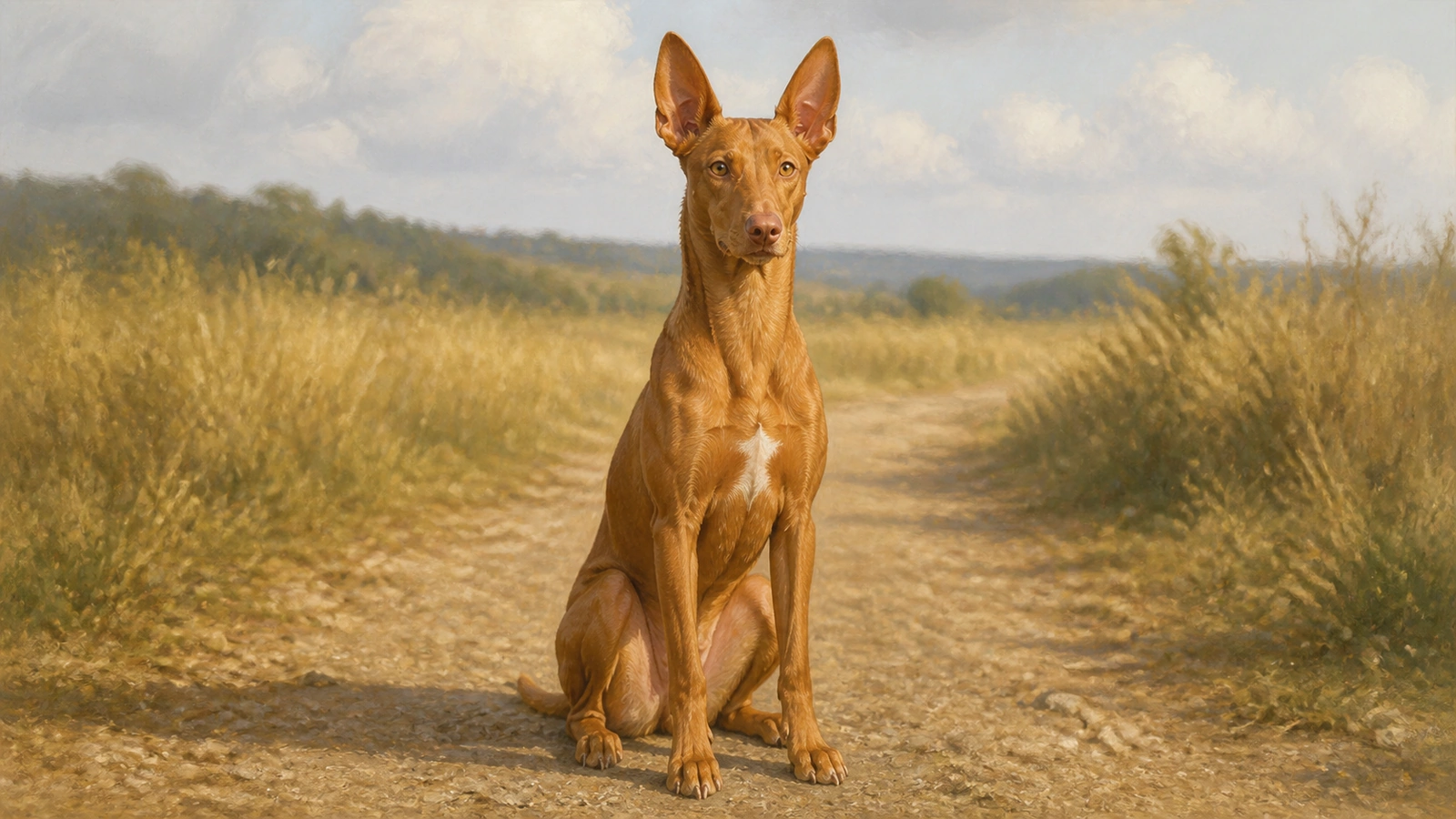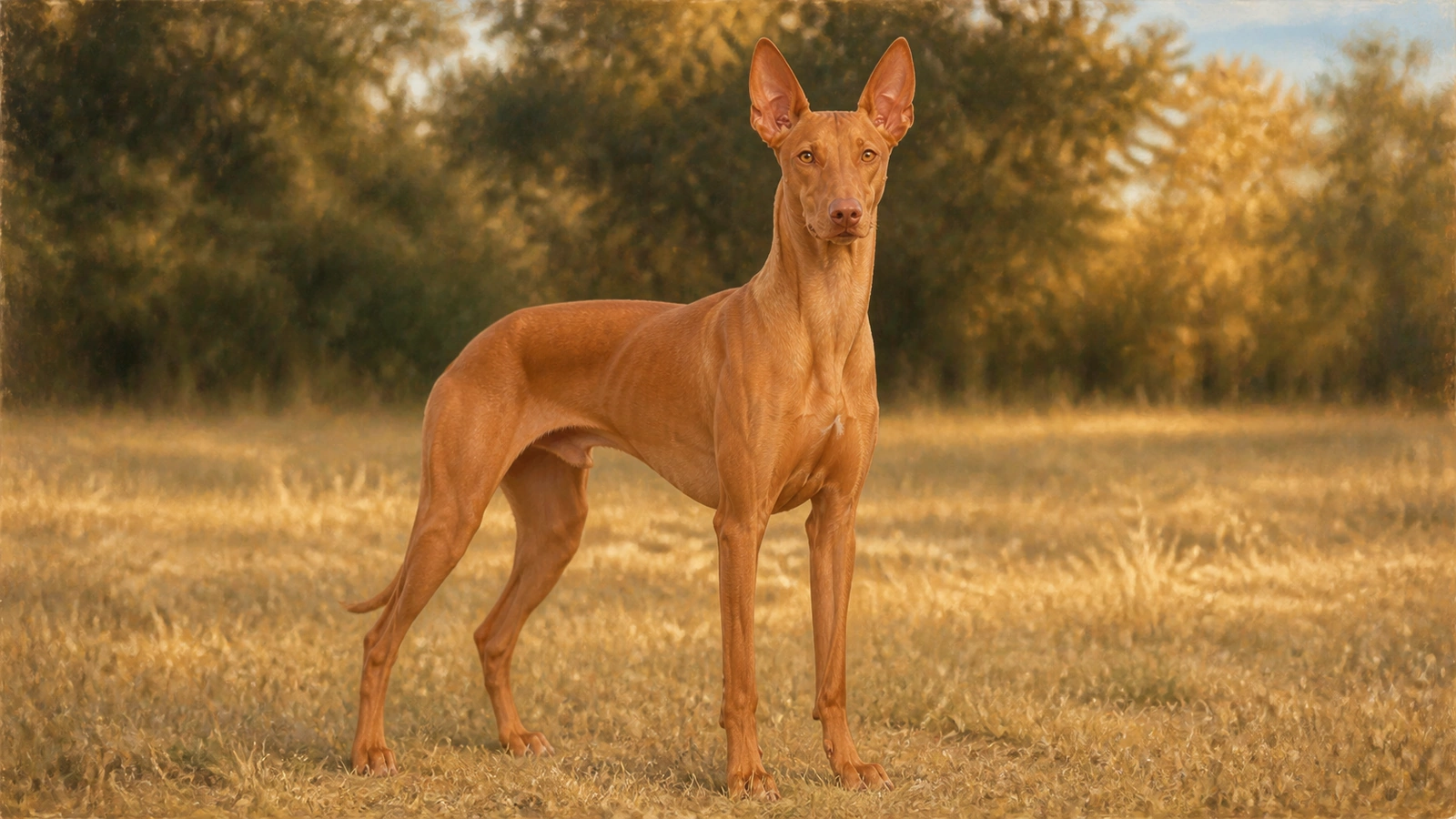
Pharaoh Hound - MAIN HUB
BREED GROUP
Hound Dogs
Country of origin
Malta
BREED SIZE
Large
BREED HEIGHT
21 -
25 IN
53 -
64 cm
BREED WEIGHT
45 -
55 LB
20 -
25 KG
WHAT YOU NEED TO KNOW
american kennel club (AKC) recognition
Yes
Breed was recognized in 1983.

International Canine Federation (FCI) recognition
Yes
Breed was recognized in 1963.

WHAT DO OWNERS WANT TO KNOW?
Are Pharaoh Hounds good family dogs?
Very Good
8 out of 10
The Pharaoh Hound is an excellent family dog for active households, known for being intelligent, friendly, and deeply affectionate with its people. While they are calm and low-maintenance indoors, they require significant daily exercise and companionship to prevent separation anxiety.
Are Pharaoh Hounds good with kids?
Great
8 out of 10
Pharaoh Hounds are generally good with children, known for their affectionate and playful nature. They are patient and gentle, making them excellent companions for active families. However, due to their athletic and sometimes boisterous energy, supervision is recommended with younger children to ensure safe and respectful play.
Are Pharaoh Hounds good dogs for first time owners?
Fair
1 out of 10
Pharaoh Hounds are generally not recommended for first-time owners due to their high energy, independent nature, and intense exercise needs. Their strong prey drive and tendency to test boundaries require an experienced handler who can provide consistent, positive reinforcement training and ensure they remain mentally and physically engaged to prevent destructive behaviors.
Are Pharaoh Hounds good apartment dogs?
Average
5 out of 10
Pharaoh Hounds can adapt well to apartment living because they are remarkably calm and low-maintenance indoors, often relaxing like couch potatoes. While they are high-energy dogs that require significant daily exercise outside, their affectionate and adaptable nature helps them settle into smaller living spaces as long as their physical and mental needs are met.
Do Pharaoh Hounds need a yard?
Very High
2 out of 10
A yard is not strictly required for a Pharaoh Hound, as they can adapt to apartment living if provided with at least an hour of daily vigorous exercise. However, a securely fenced yard is highly recommended to allow this athletic sighthound to run safely and expend energy. Daily walks and mental stimulation are essential to keep this high-energy breed happy and healthy in homes without outdoor space.
Can Pharaoh Hounds be left at home alone?
Very Good
8 out of 10
Pharaoh Hounds are highly social companions that bond deeply with their families and may experience separation anxiety if left alone for extended periods. While they are calm indoors when their exercise needs are met, they thrive on human companionship and are best suited for households where someone is frequently present. Providing consistent interaction and mental engagement is essential to prevent stress and potential destructive behaviors in this sensitive breed.
Do Pharaoh Hounds tolerate cats well?
Average
5 out of 10
Pharaoh Hounds generally get along well with cats, especially when raised with them from a young age, as they can learn to distinguish family members from prey. However, their strong natural prey drive as sighthounds means they may instinctively chase cats they were not raised with, particularly outdoors. Supervision is always recommended during interactions, and owners should avoid leaving them alone with cats to ensure a peaceful multi-pet household.
Are Pharaoh Hounds known to be aggressive?
Gentle
9 out of 10
Pharaoh Hounds are not naturally aggressive; they are typically friendly, intelligent, and affectionate companions. While they can be reserved or aloof with strangers, early socialization and positive reinforcement training ensure they remain well-adjusted. Their vocal alerts and high prey drive are instinctive traits rather than signs of an aggressive temperament.
Do Pharaoh Hounds have a lot of energy?
Mellow
4 out of 10
Pharaoh Hounds are high-energy, athletic sighthounds that require at least an hour of vigorous daily exercise, such as running, hiking, or fetching, to stay fit. While they are famously calm couch potatoes when indoors, they need consistent physical and mental stimulation to prevent boredom and remain well-behaved family companions.
How much exercise do Pharaoh Hounds need?
~90 min a day
8 out of 10
Pharaoh Hounds require at least 30 to 60 minutes of vigorous daily exercise, such as running, fetch, or agility training, to stay physically and mentally fit. Because of their intense prey drive and speed, they must always be exercised on a leash or within a securely fenced area. Providing mental stimulation through puzzle toys or lure coursing is also essential to prevent boredom and destructive behaviors in this athletic breed.
Do Pharaoh Hounds tolerate hot weather well?
Exceptional
10 out of 10
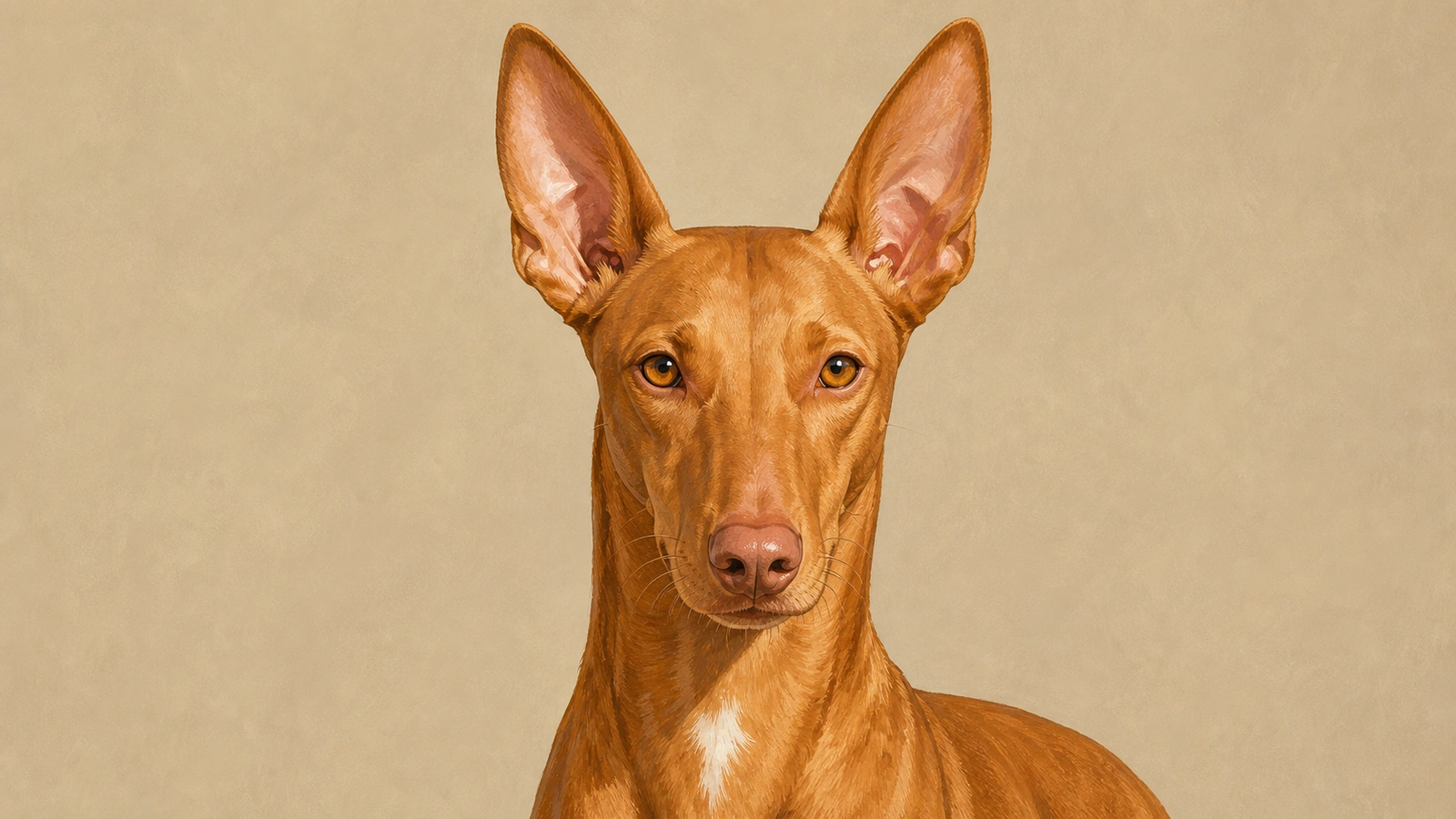
Pharaoh Hounds possess high heat tolerance, as they were originally bred for the hot Mediterranean climate of Malta. Their sleek, short coats and large, thin ears act as natural radiators to help dissipate body heat efficiently. While they enjoy basking in the sun, owners should still provide ample shade and fresh water during peak temperatures to ensure their comfort.
Are Pharaoh Hounds good with cold weather?
Exceptional
10 out of 10
Pharaoh Hounds possess high heat tolerance, as they were originally bred for the hot Mediterranean climate of Malta. Their sleek, short coats and large, thin ears act as natural radiators to help dissipate body heat efficiently. While they enjoy basking in the sun, owners should still provide ample shade and fresh water during peak temperatures to ensure their comfort.
Are Pharaoh Hounds sometimes banned from rentals?
Sometimes Restricted
5 out of 10
Pharaoh Hounds are rarely subject to breed-specific bans in apartments or rentals, as they are not typically classified as aggressive or high-risk breeds. However, their medium-to-large size and high energy levels may conflict with buildings that have strict weight limits. Prospective tenants should verify individual pet policies, as landlords may still have concerns regarding their athletic nature and need for vigorous exercise.


WHAT DO OWNERS WANT TO KNOW?