Pharaoh Hound Health and Costs
Breed Group
Hound Dogs
Country of Origin
Malta
Breed Size
Large
AKC Recognition
Yes, recognized in 1983
FCI Recognition
Yes, recognized in 1963
Rarity
Fairly Common4 / 10
Purchase cost
Affordable8 / 10
Life expectancy
Long Lifespan8 / 10
Health
Generally healthy7 / 10
Health problem risk
Moderate health concerns4 / 10
Maintenance cost
Low maintenance cost2 / 10
A Veterinarian's Guide
Pharaoh Hound Health Problems and Costs
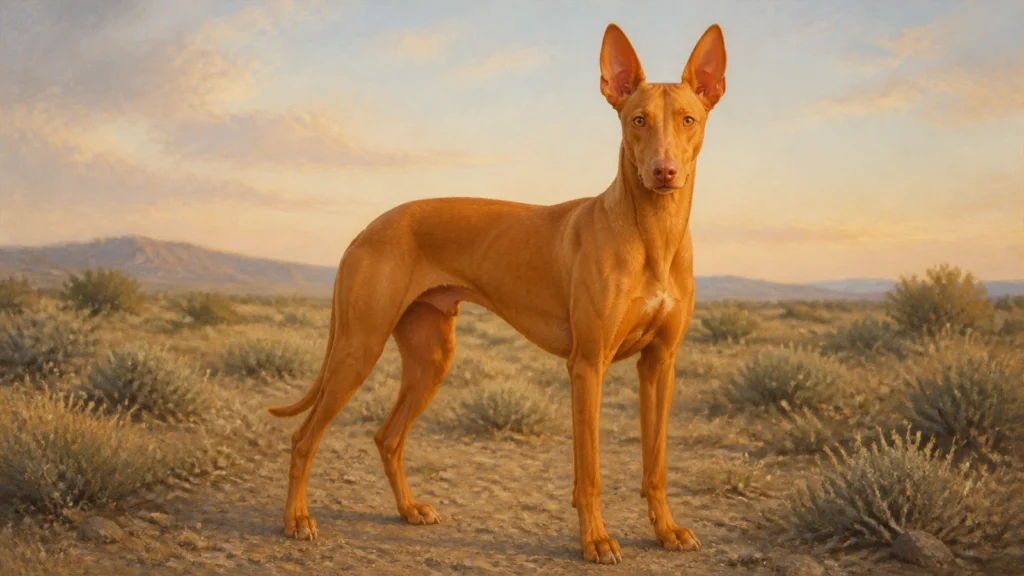
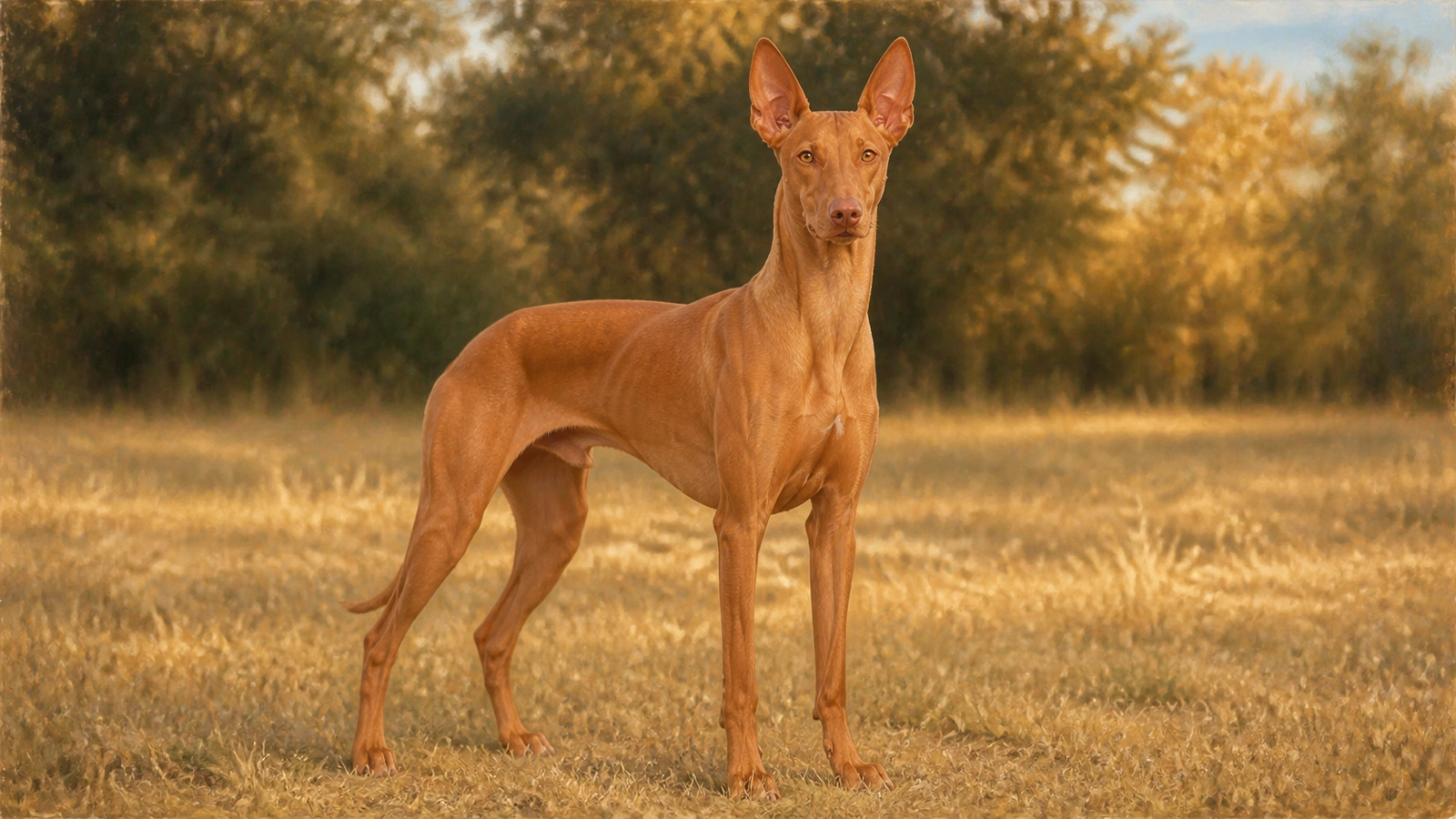
Malta's national hound is a lean, athletic sighthound built for speed rather than bulk, and that build shapes much of its health picture. A thin coat and low body fat change how the Pharaoh Hound handles anesthesia and cold weather compared to a stockier breed, and both are worth knowing before your dog ever needs surgery or a winter walk.
In this guide
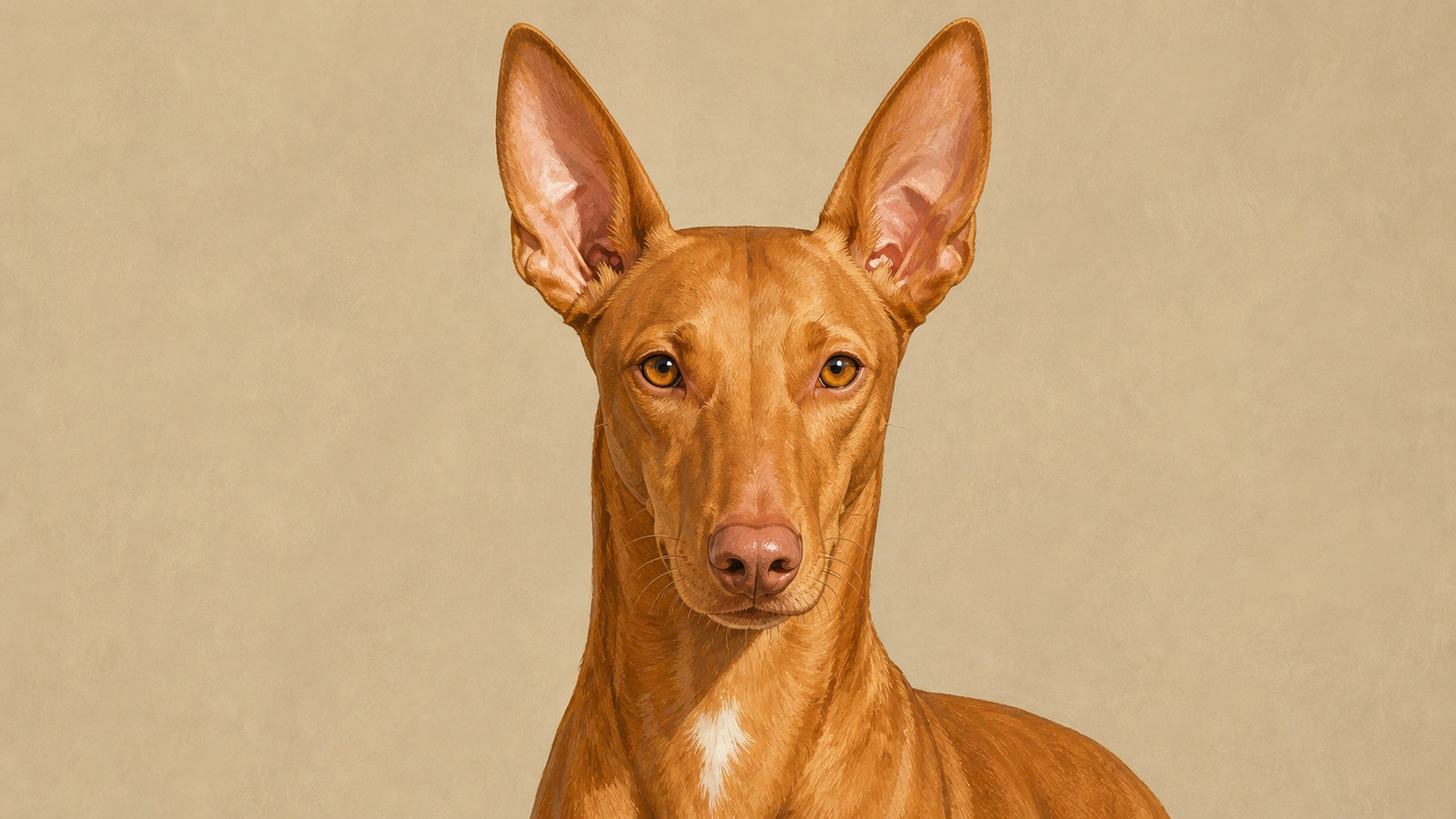
Why Does Dental Care Matter So Much in This Breed?
Dental disease is common across small and narrow-jawed breeds, and the Pharaoh Hound's fine jaw structure is no exception. Tartar builds up steadily without regular care, and the gum disease that follows does more than cause bad breath. Left untreated for years, it lets bacteria into the bloodstream that can eventually affect the heart, kidneys, and liver.
Daily brushing with a dog-safe toothpaste slows this considerably, and a yearly professional cleaning under anesthesia removes buildup below the gumline that a toothbrush can't reach. Because this breed carries so little body fat, ask your veterinarian to use a sighthound-adjusted anesthesia protocol before any dental procedure. Standard dosing calculated for an average dog can hit a lean sighthound harder and take longer to clear from the system.

Bloat Is an Emergency in Deep-Chested Hounds
A Pharaoh Hound with a distended abdomen, unproductive retching, or apparent abdominal pain needs emergency veterinary care immediately, even if the dog seemed fine a few hours earlier.
Deep-chested sighthounds carry elevated risk for gastric dilatation-volvulus, or bloat, in which the stomach fills with gas and twists on itself, cutting off its own blood supply. There is no home treatment for this. A dog can go from restless to critical within hours, and surgery is the only way to correct a twisted stomach once it happens.
Feeding two or three smaller meals instead of one large one, holding off on vigorous exercise right around mealtimes, and asking your veterinarian about a preventive gastropexy are the main protective steps available. The word comes from the Greek gaster, "stomach," and pexis, "fixing in place." The surgery stitches the stomach to the abdominal wall, usually timed with a spay or neuter. It doesn't stop gas from building up, but it does stop the stomach from twisting, which is the part that actually kills.
Endocrine and Spinal Conditions to Know
Cushing's disease develops when the body produces too much cortisol, usually from a small pituitary tumor and less often from an adrenal tumor. It builds slowly over months. Increased thirst, more frequent urination, a pot-bellied appearance, and thinning skin are the classic signs, and owners often mistake the early stages for normal aging. Bloodwork and a specific hormone test confirm the diagnosis. Daily oral medication controls it well, though dogs on treatment need repeat bloodwork every few months to keep the dose right.
Intervertebral disc disease, or IVDD, occurs when the cushioning discs between vertebrae bulge or rupture and press on the spinal cord. A sudden reluctance to jump, a hunched back, or mild hind-limb stiffness after normal activity is worth a same-week vet visit rather than a wait-and-see approach. The signs below are different, because they mean the spinal cord is under serious pressure.
- 01
Cannot bear weight
One or both hind legs suddenly give way or will not hold the dog up.
- 02
Dragging a paw
A hind paw scuffs or knuckles over on the ground while walking.
- 03
Loss of bladder control
Urine leaks, or the dog cannot pass urine at all.
- 04
Loss of bowel control
Stool passes without the dog seeming to notice.
How quickly a compressed spinal cord gets treated has a real bearing on whether a dog recovers full use of its legs, so these signs call for same-day care, not a wait-and-see approach.
Eye Conditions That Can Affect This Breed
Progressive retinal atrophy, or PRA, is an inherited breakdown of the retina's light-sensing cells. Retina comes from the Latin rete, "net," and atrophy from the Greek for "without nourishment." It causes a slow decline in vision over years. There's no cure, but dogs typically adapt well as long as their environment stays consistent. Annual eye exams starting in early adulthood are the most reliable way to catch it before an owner notices anything different at home, and a breeder can tell you what eye screening the parents had.
What Does Managing a Pharaoh Hound's Health Actually Cost?
| Condition or Need | Typical Cost Range | Notes |
|---|---|---|
| Professional dental cleaning | $300 to $600 | Annual for most adults |
| Prophylactic gastropexy | $400 to $800 | Often added to spay/neuter surgery |
| Emergency bloat surgery | $3,000 to $7,000+ | Time-sensitive, life-threatening |
| Cushing's diagnosis and ongoing treatment | $500 to $1,000 initial, then $50 to $100/month | Lifelong once diagnosed |
| Annual eye exam | $75 to $200 | Starting in early adulthood |
Questions to Ask a Breeder Before Bringing a Puppy Home
Ask about known eye conditions in the line and any history of IVDD or other spinal problems in close relatives, not just the parents. The breed club also recommends hip, patella, eye, and thyroid evaluations for breeding dogs, so ask to see the results. A breeder who can speak to how their older dogs aged, not only how the puppies look, usually has a more complete picture to share.
It also helps to ask how the breeder handles puppies day to day, since a sighthound's thin skin and low body fat make gentle, confident handling something worth building into a routine from the very first weeks.
Daily Life With a Pharaoh Hound
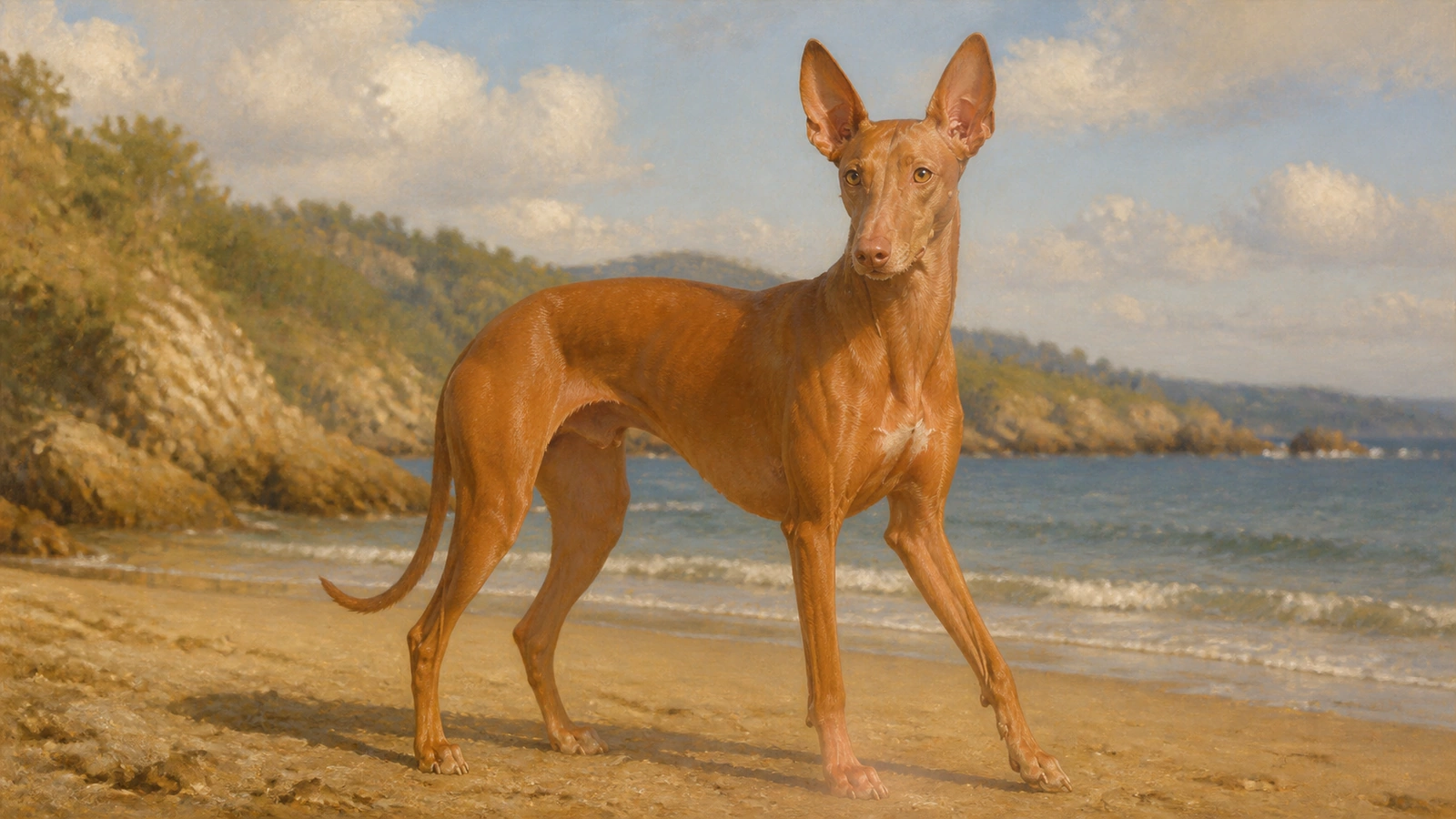
Bred for hunting small game across the Mediterranean for thousands of years, this is a genuine sprinter that needs a securely fenced area to run flat-out on a regular basis, not just a walk around the block. The breed's famous blush, a reddening of the nose and ears when excited, is a harmless quirk owners tend to find endearing once they know to expect it.
That thin coat means the breed feels cold faster than stockier dogs, and a coat for winter walks is a practical necessity rather than a fashion choice. The same short, fine coat keeps grooming simple, with occasional brushing usually enough. Pharaoh Hounds are typically gentle and affectionate at home, as the personality profile explains, but they keep a strong prey drive outdoors, so reliable recall from early training and real fencing matter more here than they would for a lower-drive breed.
Keeping Your Pharaoh Hound Healthy for the Long Run
Brush teeth daily and book a professional cleaning every year. Ask about a preventive gastropexy at the time of spay or neuter. Watch for increased thirst, a change in gait, or any sign of abdominal pain, and don't wait overnight to have any of these checked. Pet insurance is worth pricing while your dog is young and healthy.
Final Thoughts From a Veterinarian
Pharaoh Hounds typically live 12 to 14 years and cost about $150 to $350 a month. Brush teeth, feed smaller meals, discuss a gastropexy, and book yearly eye exams. Treat a swollen belly or sudden hind-leg weakness as an emergency. Your veterinarian can tailor the plan.
Health & Costs FAQ
How much do Pharaoh Hound cost?
The cost of a Pharaoh Hound typically ranges from $1,500 to $2,500 when purchased from a reputable breeder, though show-quality puppies or rare lineages can reach $6,000 to $10,000. Owners should also budget for initial supplies, vaccinations, and potential shipping costs, along with ongoing expenses for high-quality nutrition and preventative healthcare.
Purchase cost: 8 / 10
How long do Pharaoh Hound live?
Pharaoh Hounds typically live 12 to 14 years, which is about average for a dog of their size. Their athletic build and generally robust genetics support a long life. A consistent exercise routine, a lean weight, dental care, and preventive veterinary care can help them stay active well into their early teens.
Life expectancy: 8 / 10
Are Pharaoh Hound healthy dogs?
Pharaoh Hounds are generally healthy and often live 12 to 14 years, but they are not problem-free. Breeders screen for hip, kneecap, and inherited eye disease, and the deep chest raises bloat risk. Their low body fat also makes them sensitive to anesthesia. Dental care, yearly eye exams, and watching for spinal or hormone problems help catch trouble early.
Health: 7 / 10
What health problems do Pharaoh Hound have?
Pharaoh Hounds can develop dental disease, bloat (GDV) from their deep chest, hip and kneecap problems, and inherited eye disease such as progressive retinal atrophy. Cushing's disease and disc disease are also worth watching for. They are sensitive to anesthesia, so tell your veterinarian before any procedure. Regular checkups, weight control, and yearly eye exams catch most issues early.
Health problem risk: 4 / 10
Are Pharaoh Hound expensive to maintain?
Pharaoh Hounds are inexpensive to groom, since the short coat needs only occasional brushing. Costs come mainly from quality food, yearly dental cleaning, routine veterinary care, and exercise gear. Planning for a possible preventive gastropexy or an emergency bloat surgery is wise, because those are the largest single bills this breed can face.
Maintenance cost: 2 / 10
How much does it cost to own a Pharaoh Hound per month?
Expect to spend between $150 and $350 per month for a Pharaoh Hound. This budget covers high-quality food, pet insurance, and routine veterinary care. While grooming costs are low, investing in mental stimulation, toys, and regular exercise is essential to keep this athletic breed healthy and engaged.
Monthly ownership cost: 5 / 10
How much does pet insurance cost for a Pharaoh Hound?
Pet insurance for a Pharaoh Hound typically costs between $30 and $60 per month. Premiums stay fairly affordable because the breed is generally healthy. A policy is still worth pricing while your dog is young, since bloat surgery and spinal or eye problems can cost thousands of dollars.
Pet insurance cost: 3 / 10
Will homeowners insurance cover a Pharaoh Hound?
Yes, most homeowners insurance policies cover Pharaoh Hounds, as they are not typically on restricted breed lists. As a generally non-aggressive breed, they are considered low-risk. However, always disclose your pet to your insurance provider to ensure full liability coverage remains active.
Homeowners insurance difficulty: 9 / 10
Are Pharaoh Hound on insurance restricted breed lists?
No, Pharaoh Hounds are not typically found on insurance restricted-breed lists. As a non-aggressive breed, they are generally viewed as low-risk by insurers. Still, always disclose your pet to your provider to ensure full liability coverage remains active.
Insurance restriction risk: 2 / 10
Can you get renters insurance with a Pharaoh Hound?
Yes, you can typically get renters insurance with a Pharaoh Hound. They are rarely on restricted breed lists due to their non-aggressive nature. Some insurers ask for details about the dog or set their own liability terms, so always disclose your pet to your provider to ensure full protection.
Renters insurance difficulty: 8 / 10