Greyhound Health and Costs
Breed Group
Hound Dogs
Country of Origin
United Kingdom
Breed Size
Giant
AKC Recognition
Yes, recognized in 1885
FCI Recognition
Yes, recognized in 1955
Rarity
Fairly Common4 / 10
Purchase cost
Moderate to Expensive5 / 10
Life expectancy
Moderate Lifespan6 / 10
Health
Fairly healthy6 / 10
Health problem risk
Moderate health concerns4 / 10
Maintenance cost
Moderate upkeep cost4 / 10
A Veterinarian's Guide
Greyhound Health Problems and Costs
The Greyhound is a lean, deep-chested sprinter, and that unusual body shapes most of its health picture. It is a gentle, calm companion at home, but a handful of issues repeat in the breed: unusual responses to anesthesia, delayed bleeding after surgery, an inherited nerve disease, bloat, and very common dental disease. Knowing them before you adopt or buy a puppy, or while you already share your life with one, makes vet visits much easier to plan.
In this guide
Why Should Every Vet Know About This Breed's Anesthesia Sensitivity?
Tell every veterinarian treating your Greyhound that this is a sighthound with anesthesia sensitivity and a risk of delayed bleeding, before any sedation or surgery, even a routine dental cleaning, and repeat it at every new clinic or emergency visit.
PetMD describes a sensitivity to some anesthetic drugs in Greyhounds, with a prolonged recovery afterward. Wikipedia explains that Greyhounds cannot metabolize barbiturate-based anesthesia the way other breeds do, because their livers carry lower amounts of certain enzymes, and that their unusual blood chemistry can lead a veterinarian who does not know the breed to a wrong conclusion. Higher red blood cell levels, lower platelet counts, and low thyroid hormone readings can all be normal for a Greyhound.
The Veterinary Anesthesia and Analgesia Support Group publishes sighthound-specific recommendations on drug choice and on monitoring temperature during recovery. Ask your veterinarian whether the clinic follows a sighthound plan before any procedure. Wikipedia also notes that Greyhounds are very sensitive to insecticides, and many vets advise against pyrethrin-based flea products, so check any flea or tick product with your veterinarian first.
Why Should Owners Watch for Delayed Bleeding After Surgery?
Delayed postoperative bleeding is more common in Greyhounds. The surgical site clots normally at first, then bleeds again hours to days later, which is why a dog can seem fine at pickup and be in trouble at home. PetMD says it is most often seen 36 to 72 hours after surgery, and Wikipedia cites a study in which about one in four Greyhounds had significant bleeding after a routine spay or neuter, versus almost none in other breeds. Standard pre-surgical bloodwork does not identify the dogs at risk.
In practice, that means telling the surgeon about this tendency beforehand and watching the incision closely for several days. Swelling or bruising at the incision, pale gums, or unusual lethargy deserve an immediate call to your veterinarian rather than a wait-and-see approach. Your veterinarian can explain what supportive treatments exist.
What Is Greyhound Polyneuropathy?
Polyneuropathy, from the Greek poly, "many," and neuron, "nerve," is damage that spreads across many nerves instead of one. PetMD explains that Greyhound polyneuropathy results from a defect in the NDRG1 gene and that signs typically appear between three and nine months of age. The AKC lists a Greyhound polyneuropathy DNA test among the recommended tests for breeding dogs, so carriers can be identified before a litter is planned. A puppy with weakness or an unusual gait should be examined by your veterinarian, who can discuss diagnosis and care.
Is Bloat a Serious Risk in This Breed?
Bloat, medically gastric dilatation-volvulus, happens when the stomach fills with gas and twists on itself, cutting off its own blood supply. PetMD notes it can affect any deep-chested breed, and the Greyhound's deep, narrow chest fits that description. There is no home treatment, and surgery is the only way to correct a twisted stomach, so it is worth learning these warning signs before you ever need them.
- 01
Swollen belly
The abdomen looks tight, rounded, or distended.
- 02
Unproductive retching
Straining to vomit with little or nothing coming up.
- 03
Restlessness and drooling
Pacing, drooling, or being unable to settle.
- 04
Sudden collapse
The dog becomes weak or collapses.
Feeding smaller, more frequent meals and skipping vigorous exercise right around mealtimes may help, though no precaution removes the risk entirely. Some owners choose a preventive gastropexy. The word comes from the Greek gaster, "stomach," and pexis, "fixing in place." The surgery tacks the stomach to the abdominal wall, often at the same time as a spay or neuter, and it stops the stomach from twisting. Because of the bleeding tendency above, discuss the surgical plan with your veterinarian first.
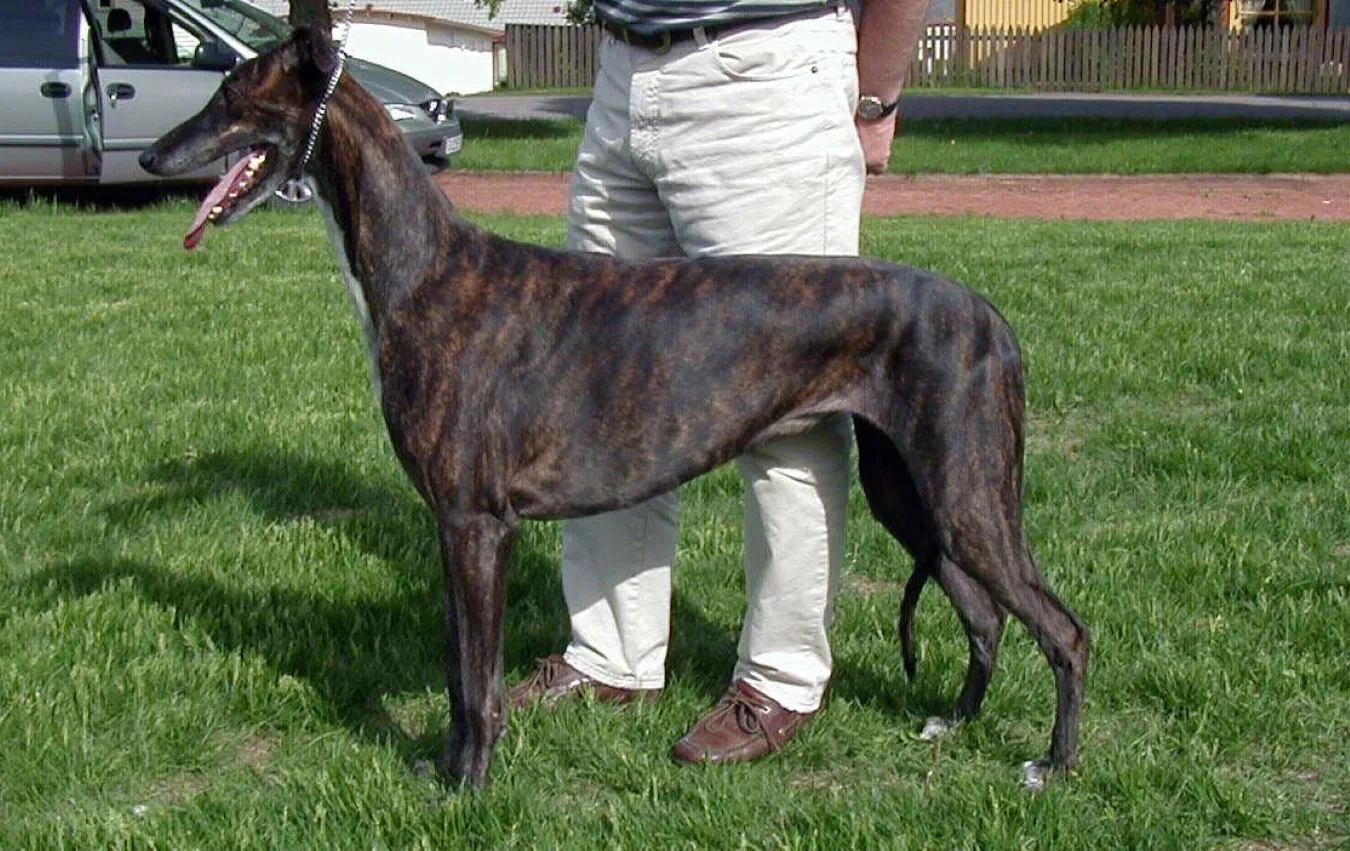
Why Do Teeth, Cancer, and Skin Matter in Greyhounds?
A VetCompass study of more than 5,000 pet Greyhounds found that dental disease was the most common condition, affecting about 39% of them, far more than in other large breeds. Left unaddressed, periodontal disease, from the Greek peri, "around," and odont, "tooth," inflames the gums and the tissue around the teeth and can reach beyond the mouth. Daily brushing started early, plus professional cleanings under a sighthound-aware anesthesia plan, are the most effective steps, and this is one of the most preventable items on this list.
The same study named cancer as the leading cause of death, at about one in five dogs, so any lasting limp, new lump, or unexplained weight loss deserves a veterinary exam. Thin skin makes cuts and scrapes common, and Wikipedia notes that some Greyhounds develop corns on their paw pads. PetMD adds that ear infections can follow water exposure that leaves moisture trapped in the ears.
What Does Managing a Greyhound's Health Actually Cost?
| Condition or Need | Typical Cost Range | Notes |
|---|---|---|
| Sighthound anesthesia planning | Often included in procedure cost | Worth confirming beforehand |
| Professional dental cleaning | $400 to $900 | Annual or as your vet advises |
| Emergency bloat surgery | $3,000 to $7,000 | Time-critical, surgical |
| Preventive gastropexy | $800 to $2,000 | Discuss timing with your vet |
| Post-surgical overnight monitoring | $200 to $500 | Given delayed bleeding risk |
Questions to Ask a Breeder or Adoption Group
If you are buying a puppy, ask for the parents' recommended breed tests: a cardiac exam, an eye exam by an ophthalmologist, and the polyneuropathy DNA test. Ask whether bloat or unexpected bleeding after surgery has happened in relatives. If you are adopting a retired racer, ask what the adoption group knows about its medical history and any past surgeries.
It also helps to find a veterinary clinic near you that is comfortable with sighthound anesthesia before you need it.
Daily Life With a Greyhound
Greyhounds are gentle, affectionate, and often shy with strangers. PetMD calls them great couch potatoes at home, and the personality profile explains the quiet, sensitive side of the breed. They do not need constant exercise, but they need routine exercise, and Wikipedia stresses a strong prey drive and little or no recall, so they should stay leashed outside secure areas and may treat small pets as prey. Gentle, reward-based training suits their sensitive nature.
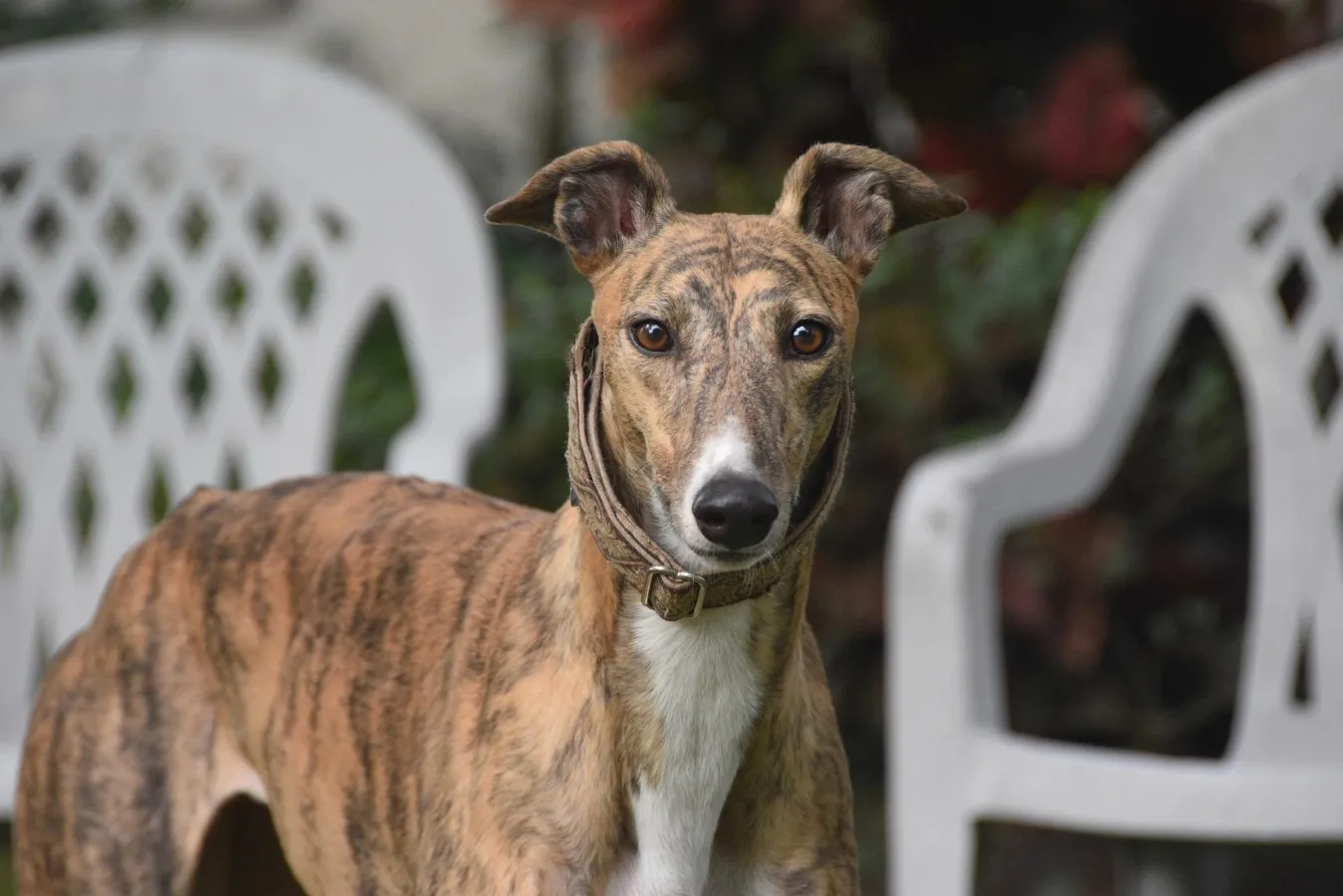
Wikipedia notes that without an undercoat or much body fat, Greyhounds are vulnerable to both heat and cold and must live indoors, so a fitted coat for winter walks is a practical need. The short, smooth coat is low maintenance, and grooming mainly means occasional baths, nail trims, and routine eye and ear cleaning. Overgrown nails were among the common findings in the VetCompass study, so keep them trimmed.
Keeping Your Greyhound Healthy for the Long Run
Find a veterinarian who knows sighthounds, mention the anesthesia and bleeding considerations before every procedure, brush the teeth daily, and have any lasting limp or new lump examined promptly. Learn bloat's warning signs before you need them. Pet insurance is worth pricing while your dog is young and healthy.
Final Thoughts From a Veterinarian
Greyhounds typically live 10 to 14 years. Find a vet who knows sighthounds, mention anesthesia and delayed bleeding before any procedure, keep up daily tooth care, and treat a swollen belly as an emergency. Your veterinarian can tailor the plan.
Health & Costs FAQ
How much do Greyhound cost?
Adopting a Greyhound typically costs between $250 and $500, covering initial medical needs. Purchasing a puppy from a reputable breeder ranges from $1,000 to $2,500. Owners should also budget $500 to $1,000 for first-year essentials like specialized martingale collars, warm coats, and initial veterinary health screenings.
Purchase cost: 5 / 10
How long do Greyhound live?
Greyhounds typically live 10 to 14 years, and a UK study reported a median of about 11.4 years. Dental care, a lean weight, soft bedding for their thin skin, and regular veterinary checkups help them enjoy a long, comfortable life.
Life expectancy: 6 / 10
Are Greyhound healthy dogs?
Greyhounds are fairly healthy, typically living 10 to 14 years, but their build brings specific needs. They can react differently to anesthesia, may bleed after surgery, are prone to bloat, and very often develop dental disease. Cancer was the leading cause of death in a large UK study. Regular checkups and daily dental care help, and your veterinarian can tailor a plan.
Health: 6 / 10
What health problems do Greyhound have?
Greyhounds can have anesthesia sensitivity, delayed bleeding after surgery, bloat, and very common dental disease. Greyhound polyneuropathy is an inherited nerve disease with a DNA test. Thin skin, corns on the paw pads, and ear infections after water exposure also occur. Tell your veterinarian about the sighthound considerations before any procedure.
Health problem risk: 4 / 10
Are Greyhound expensive to maintain?
Greyhounds have a moderate upkeep cost. Grooming is simple, but their dental health needs consistent care or professional cleanings, and thin skin means occasional wound care. Owners should also budget for quality food, a martingale collar, and a warm coat for cold weather.
Maintenance cost: 4 / 10
How much does it cost to own a Greyhound per month?
Expect to spend between $150 and $200 per month to own a Greyhound. This budget covers high-quality, protein-rich food, routine veterinary care, and essential gear like warm coats for their thin skin. While generally low-maintenance, budgeting for dental health and preventative medications ensures your athletic companion thrives.
Monthly ownership cost: 5 / 10
How much does pet insurance cost for a Greyhound?
Pet insurance for a Greyhound typically costs between $45 and $75 per month, with premiums rising as dogs age. A policy is worth pricing while your dog is young and healthy, since emergency bloat surgery and specialist care can add up to thousands of dollars.
Pet insurance cost: 4 / 10
Will homeowners insurance cover a Greyhound?
Yes, most homeowners insurance policies cover Greyhounds, as they are not typically on restricted breed lists. Known for their gentle and sweet nature, they are generally considered low-risk pets. Always disclose your Greyhound to your provider to ensure your liability coverage remains active.
Homeowners insurance difficulty: 9 / 10
Are Greyhound on insurance restricted breed lists?
No, Greyhounds are typically not found on insurance restricted-breed lists. Insurers generally view them as gentle, low-risk companions. Still, verify your specific policy and disclose your dog to your provider to keep full liability coverage.
Insurance restriction risk: 2 / 10
Can you get renters insurance with a Greyhound?
Yes, you can typically get renters insurance with a Greyhound, as they are rarely on restricted lists. Always disclose your dog to your provider and check your lease, since some landlords set their own pet rules.
Renters insurance difficulty: 8 / 10