
Cane Corso Health and Costs
Breed Group
Working Dogs
Country of Origin
Italy
Breed Size
Giant
AKC Recognition
Yes, recognized in 2010
FCI Recognition
Yes, recognized in 2007
Rarity
Most Common1 / 10
Purchase cost
Expensive7 / 10
Life expectancy
Short Lifespan4 / 10
Health
Very high health risk1 / 10
Health problem risk
Extreme health burden10 / 10
Maintenance cost
Expensive to maintain9 / 10
A Veterinarian's Guide
Cane Corso Health Problems and Costs
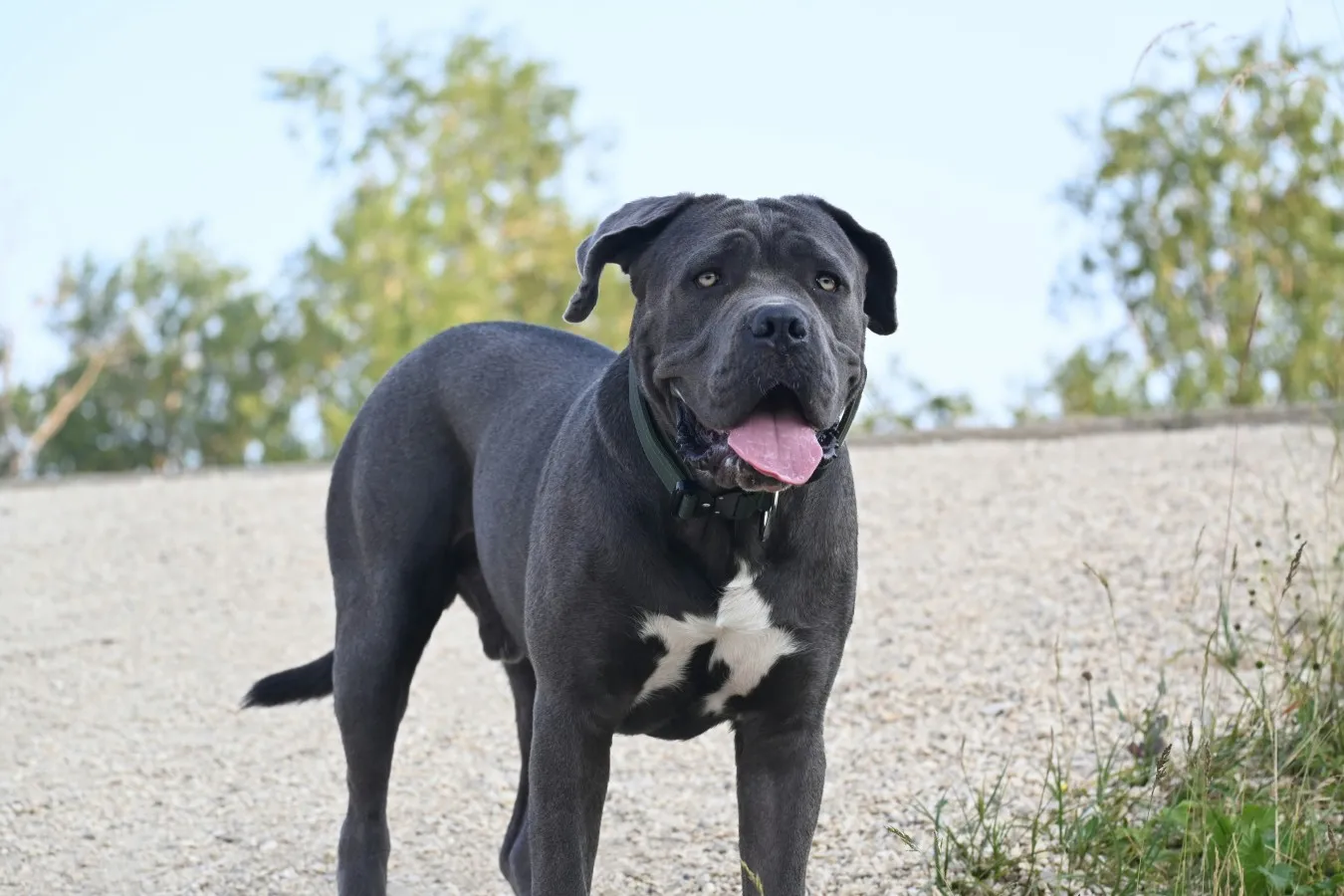
The Cane Corso is a big, deep-chested guardian dog, and most of its likely health problems follow from that build. PetMD lists obesity, hip and elbow dysplasia, epilepsy, and bloat among the breed's main concerns, and eyelid problems are common too. None of this is a reason to avoid the breed. It is a reason to screen early, budget honestly, and learn the bloat warning signs before you ever need them.
In this guide
Why Is Joint Screening So Important for This Breed?
Dysplasia means a joint that develops loosely during growth, and that looseness leads to arthritis over time. Hip dysplasia starts in puppyhood, but most dogs do not show signs until years of joint wear have already happened. By the time a Cane Corso limps, the damage is usually well established. X-ray screening through OFA or PennHIP finds a loose joint first, while there is still time to act.

The most useful thing you can do is keep the dog lean, starting in puppyhood. VCA notes that overweight puppies were almost twice as likely to develop hip dysplasia as normal-weight ones, and extra weight keeps loading those joints for life. If your dog is already stiff, our guide to early arthritis signs and treatment covers what comes next. Epilepsy can also appear in the breed, often as a first seizure in young adulthood, so tell your vet about any seizure-like episode, even a brief one.
Why Are Cane Corsos at Risk for Bloat?
Like other large, deep-chested dogs, Cane Corsos carry a real risk of gastric dilatation-volvulus, or GDV, in which the stomach fills with gas and twists. The American College of Veterinary Surgeons describes preventive gastropexy as an option for at-risk breeds, and it can often be done during the spay or neuter. The procedure tacks the stomach to the body wall. It does not stop the stomach from bloating, but it does stop the twist. Ask your vet about it before the spay or neuter is booked.
Unproductive retching, a swelling belly, drooling, restlessness, or a dog that keeps looking at its belly can signal bloat. Go to the nearest emergency vet immediately, because signs lasting several hours before treatment raise the risk of death. Do not wait to see if it passes.

What Eye Conditions Are Common in Cane Corsos?
Entropion means the eyelid rolls inward so the lashes rub the cornea. Related problems are ectropion, a drooping lid that rolls outward, and cherry eye, in which the gland of the third eyelid pops out as a red swelling in the inner corner. Cherry eye is usually fixed by repositioning the gland rather than removing it, because that gland helps produce tears.
Neither is usually an emergency, but entropion should not be left alone. Untreated, the rubbing can cause corneal ulcers and scarring that affects vision. Book a prompt visit if your dog starts to squint, hold an eye shut, or tear heavily.
What Do These Problems Cost?
Prices vary a lot by region and clinic, so treat these as rough US ranges rather than quotes. Large dogs cost more to treat because medication and anesthesia doses scale with size. Budget for at least one major orthopedic or bloat bill over a Cane Corso's life, and consider whether pet insurance is worth it while your dog is young and nothing is a pre-existing condition.
| Condition or Need | Typical Cost Range | Notes |
|---|---|---|
| Routine exam | $56 to $129 per visit | Plus vaccines |
| Hip and elbow X-rays | Set by each clinic | PennHIP usually costs more than OFA |
| Preventive gastropexy | $500 to $2,500 | When added to a spay or neuter |
| Emergency GDV surgery | $3,500 to $9,000 or more | Life-threatening, surgical |
| Entropion surgery | $500 to $2,200 or more | Per eye, depends on severity |
| Cherry eye surgery | $300 to $2,500 | Gland repositioning |
| Pet insurance (accident and illness) | About $836 a year on average | Average for dogs in 2025, all breeds |

Questions to Ask a Breeder Before Buying a Puppy
Reputable breeders screen breeding dogs and share the results. The AKC health testing guidance for working breeds is a good reference.
- 01
Hip and elbow results
OFA or PennHIP evaluations for both parents.
- 02
Eye exam results
A current exam, including the eyelids, for both parents.
- 03
Family history
Any relatives with bloat, seizures, or early joint disease.
- 04
Lifespan of relatives
How long parents and grandparents lived and what they died of.
How Can I Keep My Cane Corso Healthy Longer?
Keep your Cane Corso lean for life, starting with how much you feed, since obesity adds load to joints already at risk. Our guide to Cane Corso grooming covers coat care that also lets you check eyes, ears, and skin weekly. The breed's personality is intensely loyal and can be willful, and early, consistent training makes vet handling and emergencies far safer for everyone. Regular dental care rounds out the basics.

What Should I Expect Over a Lifetime?
The typical Cane Corso lifespan is about 9 to 12 years, a little longer than average for a giant breed. Plan for yearly exams, joint monitoring as your dog ages, regular eye checks, and a ready plan for where to go in a bloat emergency.
Final Thoughts From a Veterinarian
Before your Cane Corso's spay or neuter is booked, ask your veterinarian whether a preventive gastropexy suits your dog. Joint screening and eye checks can follow on a schedule. Bloat is the one problem that gives you no time to plan once it starts.
Health & Costs FAQ
How much do Cane Corso cost?
The cost of a Cane Corso typically ranges from $1,500 to $4,000 from a reputable breeder. High-quality bloodlines can exceed $5,000. Potential owners should also factor in initial setup costs of $500 to $1,000 for large-breed supplies, plus significant ongoing expenses for food and healthcare.
Purchase cost: 7 / 10
How long do Cane Corso live?
Cane Corsos typically live about 9 to 12 years, which PetMD describes as a little longer than average for a giant breed.
Life expectancy: 4 / 10
Are Cane Corso healthy dogs?
Cane Corsos are generally robust dogs, but they are predisposed to serious conditions. Owners should be vigilant about hip and elbow dysplasia, life-threatening bloat, eyelid problems, and epilepsy. Regular veterinary screenings and proactive weight management are essential for long-term health.
Health: 1 / 10
What health problems do Cane Corso have?
Cane Corsos are predisposed to hip and elbow dysplasia, bloat, eyelid problems such as entropion and cherry eye, epilepsy, and obesity. Joint screening, a conversation about preventive gastropexy, and regular eye checks are the most useful steps.
Health problem risk: 10 / 10
Are Cane Corso expensive to maintain?
Cane Corsos are expensive to maintain due to their massive size and health predispositions. Monthly costs for high-quality food, large-scale preventative meds, and insurance can reach $500. Additionally, potential surgeries for conditions like hip dysplasia or cherry eye can cost thousands of dollars.
Maintenance cost: 9 / 10
How much does it cost to own a Cane Corso per month?
Expect to spend between $200 and $500 per month to own a Cane Corso. This budget covers high-quality food, routine veterinary care, parasite prevention, and pet insurance. Due to their large size, costs for food and medical treatments are higher than average dog breeds.
Monthly ownership cost: 6 / 10
How much does pet insurance cost for a Cane Corso?
Pet insurance for a Cane Corso typically costs between $60 and $100 per month. Due to their large size and predisposition to hereditary issues like hip dysplasia and bloat, premiums are higher than average. Costs vary based on your dog's age, location, and chosen coverage limits.
Pet insurance cost: 5 / 10
Will homeowners insurance cover a Cane Corso?
Homeowners insurance coverage for a Cane Corso can be challenging, as many providers classify them as a restricted breed due to their guard dog instincts and size. While some companies may deny coverage or exclude liability, others like State Farm offer policies regardless of breed. Always verify specific terms.
Homeowners insurance difficulty: 1 / 10
Are Cane Corso on insurance restricted breed lists?
Yes, Cane Corsos are frequently included on insurance restricted-breed lists, though some providers like State Farm do not discriminate based on breed.
Insurance restriction risk: 10 / 10
Can you get renters insurance with a Cane Corso?
Obtaining renters insurance with a Cane Corso can be challenging, as many providers include them on restricted breed lists due to their size and guarding instincts. While some insurers may deny liability coverage, others evaluate pets individually. Always confirm with your provider to ensure full protection.
Renters insurance difficulty: 1 / 10