American Eskimo Dog Health and Costs
Breed Group
Companion Dogs
Country of Origin
United States
Breed Size
Small
AKC Recognition
Yes, recognized in 1994
FCI Recognition
Yes, recognized in 1954
Rarity
Common3 / 10
Purchase cost
Moderate6 / 10
Life expectancy
Long Lifespan9 / 10
Health
Generally healthy7 / 10
Health problem risk
Mild health concerns3 / 10
Maintenance cost
Moderate upkeep cost4 / 10
A Veterinarian's Guide
American Eskimo Dog Health Problems and Costs
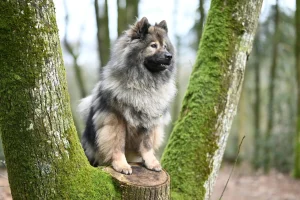
The American Eskimo Dog is a bright, fluffy companion in Toy, Miniature and Standard sizes. It is a sturdy breed, yet a few issues repeat: an inherited eye disease, hips and kneecaps, dental crowding, and skin trouble under the thick coat. Knowing them before you bring a puppy home, or while you already share your life with one, makes the screening and the vet visits much easier to plan.
In this guide
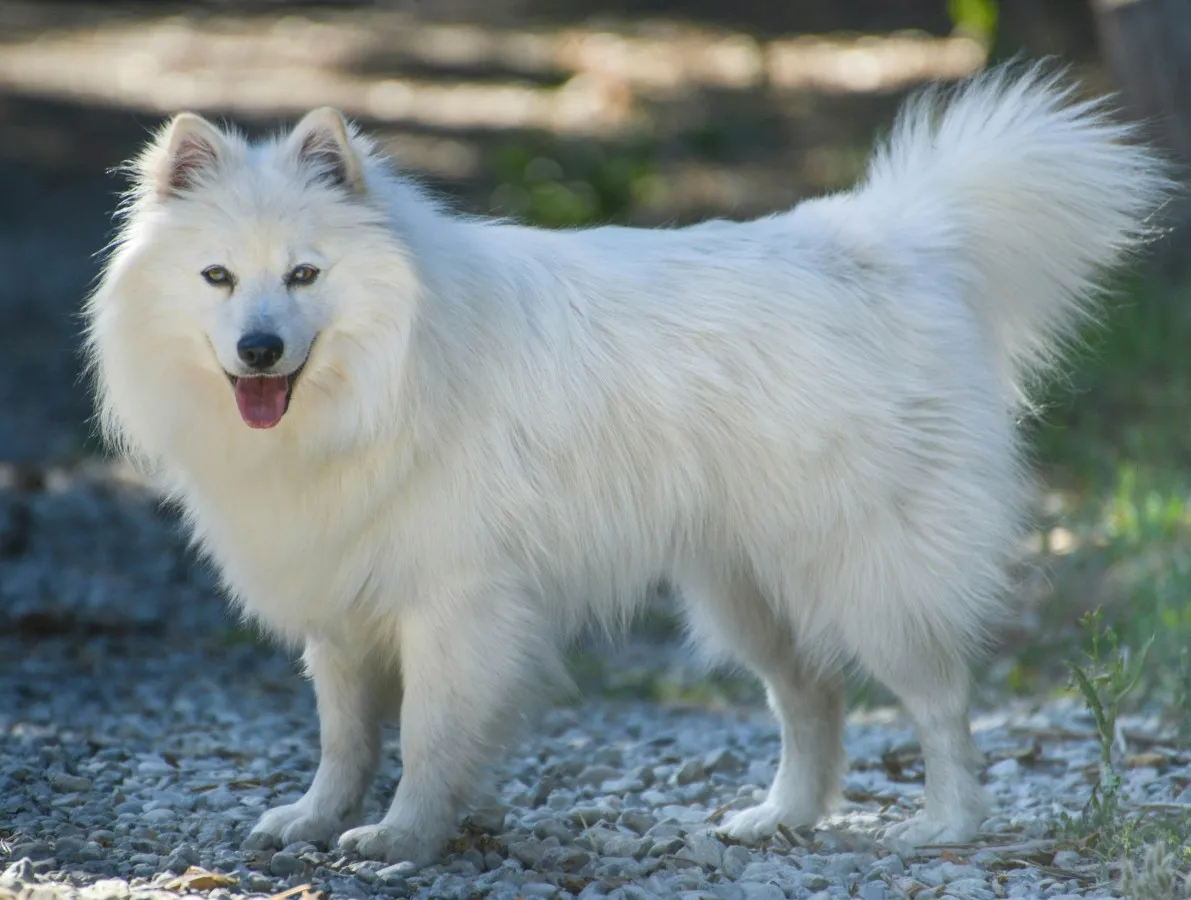
Why Is My American Eskimo Dog Bumping Into Furniture at Night?
A red, painful or cloudy eye, or sudden loss of vision, needs a veterinary exam the same day. Slow night-vision changes can wait for a routine visit but should still be reported.
Progressive retinal atrophy, or PRA, is an inherited disease that slowly destroys the light-sensing cells of the retina. The name comes from Greek words meaning "without nourishment," a wasting of tissue. The AKC lists an eye examination and a PRA DNA test (PRA-prcd) among the breed club's recommended health tests. Night vision usually fades first, so the earliest sign is often hesitating on dark stairs or misjudging a doorway at dusk.
There is no cure, but the loss is gradual and many dogs adapt well. Keeping furniture in fixed places and using floor mats or scents near stairs helps. The Merck Veterinary Manual explains inherited retinal disorders in more detail.
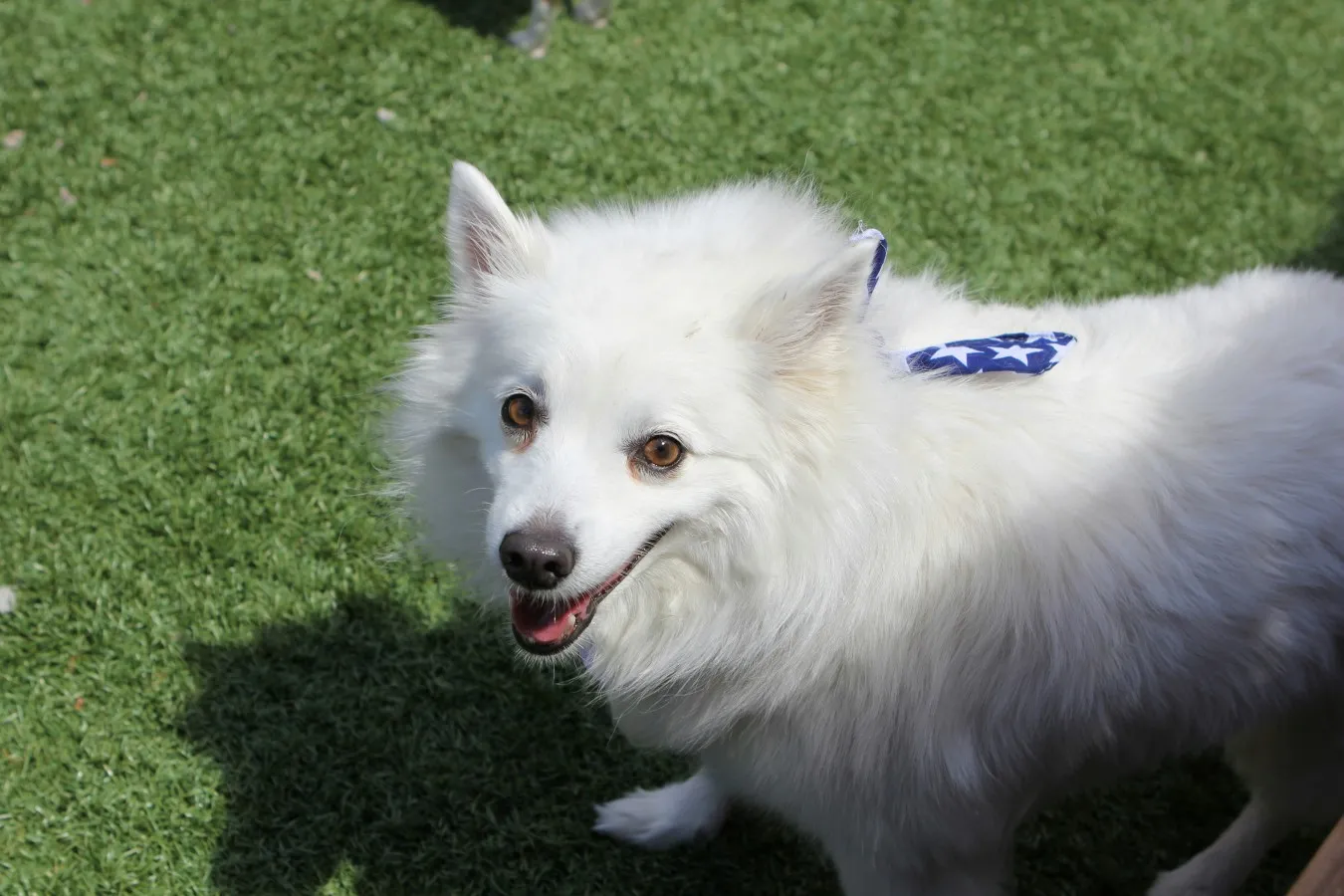
Why Does My American Eskimo Dog's Back Leg Skip Mid-Stride?
A skip is often a luxating patella, a kneecap that slides briefly out of its groove and pops back. Patella is Latin for "little plate," and luxation means dislocation. It is a common problem in small dogs generally, and most mild cases need only weight control and gentle exercise. Hip dysplasia, an inherited looseness of the hip joint, may show as stiffness after naps or reluctance to jump onto the couch, and the AKC lists a hip evaluation among the recommended tests.
Surgery is kept for a persistent limp or a higher-grade slip. A lean body is the single most helpful habit, and your veterinarian can check gait at each yearly visit because owners rarely notice the earliest changes. See early signs of arthritis in dogs for what to watch for later.
Why Does My American Eskimo Dog Need So Much Dental Work?
Smaller Eskies fit a full set of teeth into a compact jaw, and the crowding lets plaque build up quickly. Daily brushing started in puppyhood is the cheapest prevention. Professional cleanings under anesthesia, ideally with dental X-rays, find bone loss and root problems that a groomer's anesthesia-free scaling cannot reach.
- 01
Facial swelling
Swelling under or beside the eye or along the jaw.
- 02
Foul odor with pus
A bad smell or visible discharge from the mouth.
- 03
Chewing on one side only
Dropping food or refusing to eat on one side.
- 04
Sudden loss of appetite
A dog that stops eating along with mouth pain.
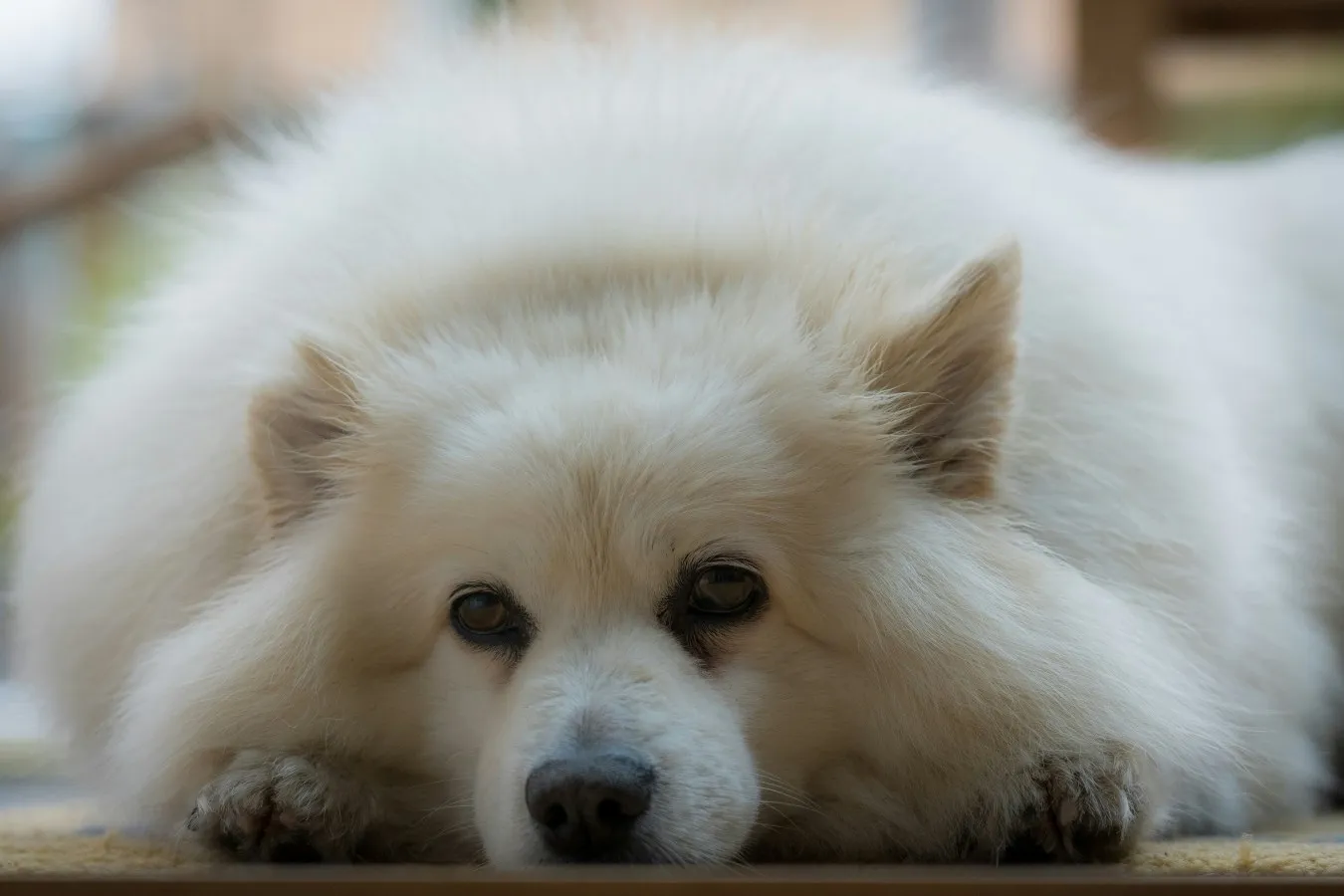
Does the Thick Coat Cause Skin Problems?
The dense double coat can trap moisture and dead hair against the skin when it is not brushed out, which sets up hot spots and secondary skin infections, especially in humid weather or after swimming. Brushing two or three times a week through shedding season is real preventive care. Dogs with repeat hot spots, scratching or paw chewing despite good grooming deserve a look for an underlying allergy rather than treating each flare as a one-off.
What Does Managing an American Eskimo Dog's Health Actually Cost?
| Condition or Need | Typical Cost Range | Notes |
|---|---|---|
| Orthopedic exam with kneecap grading | $75 to $200 | X-rays may be needed for higher grades |
| Kneecap surgical repair | $1,500 to $3,500 | Per affected knee |
| Yearly eye exam by a specialist | $150 to $300 | Useful once retinal disease is suspected |
| Professional dental cleaning | $300 to $700 | More if extractions are needed |
| Skin and allergy workup | $200 to $450 | Allergy testing costs extra |
Costs climb fast once a condition becomes an emergency instead of a planned visit. Pet insurance bought while your dog is young is the most reliable way to keep care affordable, since most policies exclude conditions already on record.
Questions to Ask a Breeder Before Buying a Puppy
Ask for the parents' hip evaluation, an eye examination by a veterinary ophthalmologist, and the PRA-prcd DNA test result, which are the three tests the AKC lists as the breed club's recommendations. Ask which size variety you are buying and request the paperwork, since a breeder who shares results openly is usually well informed about the rest.
Daily Life With an American Eskimo Dog
This is an alert, friendly and intelligent dog that bonds closely with its family. The personality profile describes the lively, watchful side of the breed, and early, consistent training suits its quick mind.
The thick white double coat needs regular grooming, with heavier brushing during shedding seasons to keep the skin healthy.
Keeping Your American Eskimo Dog Healthy for the Long Run
Keep your dog lean, brush on a schedule, and start dental care in puppyhood. None of the conditions above defines the breed, and most Eskies enjoy long, active lives with little more than routine preventive care.
Final Thoughts From a Veterinarian
American Eskimo Dogs are sturdy and often live 13 to 15 years. Keep your dog lean, brush the coat, and ask breeders for hip and eye results. Your veterinarian can tailor the plan.
Health & Costs FAQ
How much do American Eskimo Dog cost?
An American Eskimo Dog puppy from a reputable breeder typically costs between $700 and $2,000. Prices vary by size variety (Toy, Miniature, or Standard), lineage, and the breeder's reputation.
Purchase cost: 6 / 10
How long do American Eskimo Dog live?
American Eskimo Dogs often live 13 to 15 years, one of the longer lifespans among companion breeds. A healthy diet, regular exercise, dental care and routine veterinary visits help them live full, active lives.
Life expectancy: 9 / 10
Are American Eskimo Dog healthy dogs?
American Eskimo Dogs are generally healthy and sturdy. Owners should watch for progressive retinal atrophy (PRA), hip dysplasia and slipping kneecaps, and dental disease is common in the smaller varieties, so regular checkups matter.
Health: 7 / 10
What health problems do American Eskimo Dog have?
The main concerns are progressive retinal atrophy (PRA), an inherited eye condition, hip dysplasia, and slipping kneecaps, which are common in small dogs. Dental disease is frequent in the smaller varieties, and the thick coat can lead to skin problems. Breeders can use the hip, eye and PRA-prcd tests the AKC lists as recommended.
Health problem risk: 3 / 10
Are American Eskimo Dog expensive to maintain?
American Eskimo Dogs have moderate upkeep costs. Their thick double coat needs frequent brushing and sometimes professional grooming, and dental care adds to routine food and veterinary expenses.
Maintenance cost: 4 / 10
How much does it cost to own a American Eskimo Dog per month?
Monthly costs typically range from $200 to $500. This covers high-quality food, routine veterinary care, preventative medications, and the grooming supplies or professional sessions needed for their thick double coat.
Monthly ownership cost: 5 / 10
How much does pet insurance cost for a American Eskimo Dog?
Pet insurance for an American Eskimo Dog typically ranges from $35 to $60 per month. Insurance can help with unexpected costs such as eye, joint or dental problems, and it is easiest to buy while your dog is young and healthy.
Pet insurance cost: 3 / 10
Will homeowners insurance cover a American Eskimo Dog?
Yes, most homeowners insurance policies cover American Eskimo Dogs, as they aren't typically on restricted breed lists. Policies vary by provider and state, so confirm coverage and disclose your dog to keep your liability protection valid.
Homeowners insurance difficulty: 9 / 10
Are American Eskimo Dog on insurance restricted breed lists?
No, American Eskimo Dogs are not typically found on insurance restricted-breed lists. These lists generally focus on breeds perceived as high-liability risks due to a history of aggression, which doesn't describe this friendly companion breed.
Insurance restriction risk: 2 / 10
Can you get renters insurance with a American Eskimo Dog?
Yes, you can typically obtain renters insurance with an American Eskimo Dog. As they are generally not on restricted breed lists, most policies will provide liability coverage. However, always disclose your pet to your insurer and review your lease agreement for any specific landlord requirements.
Renters insurance difficulty: 8 / 10