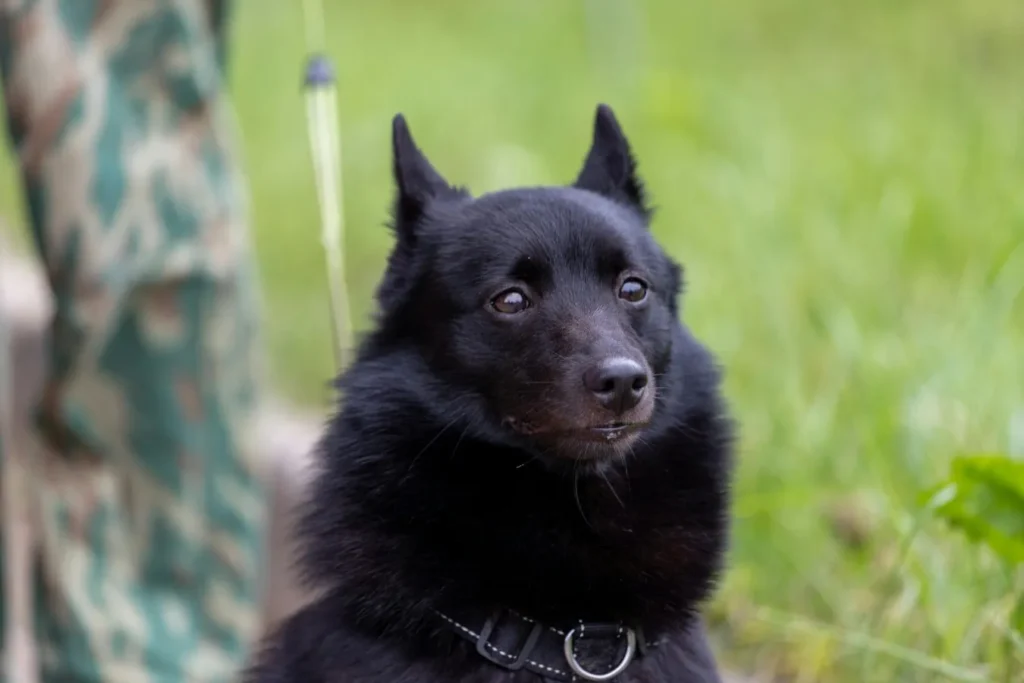
Schipperke Health and Costs
Breed Group
Spitz Dogs
Country of Origin
Belgium
Breed Size
Small
AKC Recognition
Yes, recognized in 1904
FCI Recognition
Yes, recognized in 1954
Rarity
Common3 / 10
Purchase cost
Moderate5 / 10
Life expectancy
Long Lifespan8 / 10
Health
Generally healthy7 / 10
Health problem risk
Mild health burden3 / 10
Maintenance cost
Low maintenance cost2 / 10
A Veterinarian's Guide
Schipperke Health Problems and Costs
The Schipperke is a small, alert watchdog that is generally healthy and often lives 12 to 16 years. A handful of inherited conditions are common enough to plan for, including one rare and serious disorder found only in this breed. This guide covers what they are, what screening and treatment can cost, and how to keep a Schipperke well.
In this guide
What Is MPS IIIB and Why Does It Matter?
Mucopolysaccharidosis type IIIB, or MPS IIIB, is an inherited disorder in which a missing enzyme lets complex sugar molecules build up inside the body's cells. Poly is Greek for "many," a nod to those large sugar chains. Wikipedia notes that it has been found only in Schipperkes, that signs usually begin between two and four years of age, with trouble balancing and climbing stairs or obstacles, and that no cure or treatment is known.
Because it cannot be treated, prevention is the focus. A DNA test has been available since 2003, so ask any breeder for the MPS IIIB results on both parents before choosing a puppy.
- 01
Seizures
Shaking, collapse or unresponsiveness, even if it passes within minutes.
- 02
Loss of balance
Stumbling, falling over, or new trouble with stairs and low obstacles.
- 03
Rapid change in behavior
Disorientation or a fast decline in a young adult dog.
Many nerve problems in dogs have treatable causes, so an exam is always worthwhile. Wikipedia also notes that some Schipperkes show a tendency toward epilepsy, which has no screening test.
Why Does a Schipperke's Kneecap Slip?
A small dog that suddenly hops on three legs, yelps, or will not use a back leg deserves an exam rather than a wait-and-see approach.
Luxating patella means the kneecap slides out of its groove. Luxare is Latin for "to dislocate" and patella means "small dish." PetMD lists it as a main concern in the breed, and it can lead to arthritis. The classic sign is a brief skip in the stride, with one back leg held up before the kneecap slips back into place. Mild cases are often managed with weight control, and more severe ones may need surgery.
Legg-Calvé-Perthes disease happens when the top of the thigh bone loses its blood supply and breaks down. PetMD says it usually appears in dogs under 18 months old, causing hind-leg lameness and pain. Treatment is often surgical, and the AKC recommends patella and hip evaluations for Schipperke breeding dogs.
Which Eye and Thyroid Conditions Occur?
Progressive retinal atrophy, or PRA, is an often inherited decline of the retina that starts with poor night vision and can end in blindness. There is no effective treatment, which is why the AKC lists an eye evaluation by a veterinary ophthalmologist for breeding dogs. A baseline eye exam in early adulthood gives your veterinarian something to compare against later.
Hypothyroidism is an underactive thyroid gland that can bring weight gain, tiredness and a dull coat in middle age. It is diagnosed with bloodwork and managed with a daily medication, and the AKC also lists a thyroid evaluation for the breed.
Are Schipperkes Prone to Dental or Weight Problems?
Like most small breeds, Schipperkes fit a full set of teeth into a small jaw, so plaque and gum disease build quickly. PetMD names dental disease as common and recommends daily brushing. Their thick double coat can also hide early weight gain, and extra weight strains the knees and hips, so feel the ribs and waist at home rather than judging by eye.
What Do Routine and Emergency Care Cost?
| Condition or Need | Typical Cost Range | Notes |
|---|---|---|
| MPS IIIB DNA test | $60 to $150 | One time, ideally before breeding decisions |
| Yearly exam with thyroid panel | $200 to $350 | More frequent monitoring if thyroid disease is found |
| Eye exam by a veterinary ophthalmologist | $150 to $400 | Baseline exam in early adulthood |
| Luxating patella surgery | $1,800 to $3,500 per knee | Depends on the severity grade |
| Legg-Calvé-Perthes surgery | $1,500 to $3,000 | Cost varies by hospital and region |
These are broad estimates and local prices differ. Choosing a breeder who health-tests is one of the best ways to control costs, and pet insurance bought while your dog is young covers many surprises.
What Should You Ask a Breeder?
Ask for written MPS IIIB results and for patella, hip, eye and thyroid evaluations on both parents. Ask how long the parents and grandparents lived, whether epilepsy has appeared in the family, and how the puppies were raised. Puppies should have a full exam by eight to ten weeks, and an orthopedic check between four and eight months is useful for knees and hips.
What Is Daily Life With a Schipperke Like?
Schipperkes are energetic and curious, and PetMD recommends frequent walks plus puzzles or games to prevent barking, digging and chewing. Their medium-length double coat needs brushing at least weekly and sheds heavily in spring and fall, as the Schipperke grooming guide explains. The Schipperke personality guide describes their bold watchdog nature, and the Schipperke training guide shows how to channel it.
How Can You Keep a Schipperke Healthy Longer?
Schipperkes often live 12 to 16 years. Keep the weight lean, brush teeth daily, check the ears every couple of weeks, and keep up yearly exams with bloodwork once your dog reaches middle age. From about eight years old, exams twice a year help catch arthritis, dental and organ changes early.
Final Thoughts From a Veterinarian
Schipperkes are hardy, long-lived dogs, and most of their health issues are manageable with early screening and routine care. Ask about MPS IIIB testing before you bring one home. Your veterinarian can tailor a plan to your dog.
Health & Costs FAQ
How much do Schipperke cost?
Schipperke puppies from reputable breeders commonly cost about $800 to $2,000, depending on breeder, bloodline and region. Ask what health testing is documented, and budget for first-year supplies plus ongoing food and veterinary care.
Purchase cost: 5 / 10
How long do Schipperke live?
Schipperkes often live 12 to 16 years. Lean weight, daily dental care, regular exercise and yearly veterinary exams that include bloodwork in middle age all help them reach their full life expectancy.
Life expectancy: 8 / 10
Are Schipperke healthy dogs?
Schipperkes are generally healthy, hardy dogs. Still, they can inherit MPS IIIB, luxating patella, Legg-Calvé-Perthes disease, progressive retinal atrophy and thyroid disease, so breeder screening, a lean weight and regular veterinary exams matter.
Health: 7 / 10
What health problems do Schipperke have?
Schipperkes are prone to luxating patella, Legg-Calvé-Perthes disease, progressive retinal atrophy, hypothyroidism and dental disease. MPS IIIB is a rare, serious inherited nerve disorder found only in the breed, so DNA testing of breeding dogs is important.
Health problem risk: 3 / 10
Are Schipperke expensive to maintain?
Schipperkes are relatively inexpensive to maintain because of their small size. Weekly brushing, occasional baths and standard food and veterinary costs cover most needs, though dental care and joint, eye and thyroid screening add some expense.
Maintenance cost: 2 / 10
How much does it cost to own a Schipperke per month?
Expect to spend about $80 to $150 per month to own a Schipperke. This covers food, routine veterinary visits, preventives and grooming supplies, and varies with your dog's age and health.
Monthly ownership cost: 8 / 10
How much does pet insurance cost for a Schipperke?
Pet insurance for a Schipperke commonly costs about $23 to $83 per month, depending on age, location and coverage level. Coverage bought while the dog is young is worth weighing because surgery for knee or hip problems can cost thousands of dollars.
Pet insurance cost: 4 / 10
Will homeowners insurance cover a Schipperke?
Yes, homeowners insurance will very likely cover a Schipperke. The breed is small and not typically found on restricted lists, but policies differ, so confirm liability coverage with your insurer.
Homeowners insurance difficulty: 9 / 10
Are Schipperke on insurance restricted breed lists?
Schipperkes are not typically found on insurance restricted-breed lists, which usually focus on breeds seen as higher liability risks. Policies differ by company, so confirm with your insurer.
Insurance restriction risk: 2 / 10
Can you get renters insurance with a Schipperke?
Renters insurance is likely available with a Schipperke, since the breed is small and not typically restricted. Disclose your dog to the insurer and check your lease for pet rules.
Renters insurance difficulty: 8 / 10