Tibetan Terrier Health and Costs
Breed Group
Companion Dogs
Country of Origin
China
Breed Size
Small
AKC Recognition
Yes, recognized in 1973
FCI Recognition
Yes, recognized in 1954
Rarity
Common3 / 10
Purchase cost
Moderate to Expensive6 / 10
Life expectancy
Long Lifespan8 / 10
Health
Generally healthy7 / 10
Health problem risk
Moderate health concerns4 / 10
Maintenance cost
Moderate upkeep cost4 / 10
A Veterinarian's Guide
Tibetan Terrier Health Problems and Costs
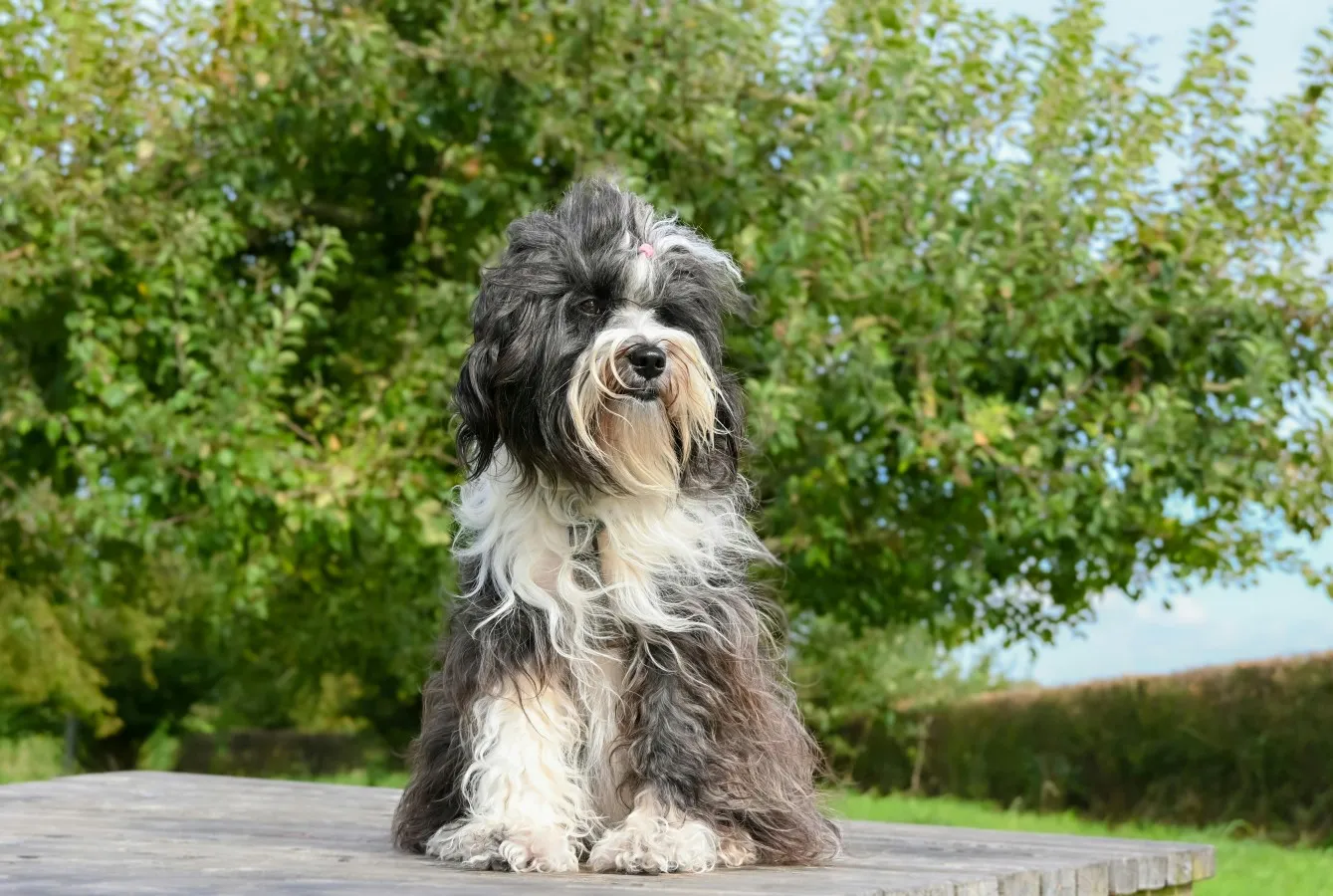
The Tibetan Terrier was bred in Tibet as a companion and is a generally healthy, long-lived dog. Its health picture is dominated by inherited eye disease, along with joint problems and a higher-than-average chance of diabetes in middle age. A UK study reported an average life expectancy of about 13.8 years, so many of these dogs share a long life with their families. Knowing the list early makes screening, vet visits, and budgeting much easier.
In this guide

Why Is Primary Lens Luxation a Concern for Tibetan Terriers?
Primary lens luxation, or PLL, happens when the fibers holding the lens of the eye in place weaken and the lens slips out of position. The breed is among the more commonly affected, and the condition is inherited. When the lens falls forward it can block the eye's fluid drainage and cause glaucoma, a painful rise in eye pressure. A forward luxation is described as extremely painful and can lead to permanent blindness. The usual treatment for a lens that has fully moved forward is surgical removal.
A sudden red, cloudy, or painful eye, or a dog pawing at one eye, needs a veterinarian the same day. Do not wait to see if it settles, because pressure inside the eye can damage vision quickly.
- 01
Red or bloodshot eye
The white of the eye turns red, often on one side only.
- 02
Cloudy or bluish eye
The clear front of the eye looks hazy or changes color.
- 03
Squinting or pawing
Your dog holds the eye shut or rubs it repeatedly.
- 04
Visible lens shift
The eye looks different from the other, or the pupil appears off.
A DNA test for PLL exists and is on the breed club's recommended list, so breeders can learn which dogs carry the gene before they breed.
What Is Progressive Retinal Atrophy?
Progressive retinal atrophy, or PRA, is an inherited group of diseases in which the light-sensing cells at the back of the eye slowly waste away. The word atrophy comes from the Greek for "without nourishment." Night blindness is usually the first sign, so a dog may seem nervous at night or bump into things in dim light. PRA is not painful, which is why it is rarely noticed in the earliest stages, and there is currently no effective treatment.
The breed club lists two PRA DNA tests, called PRA3 and PRA-rcd4, for breeding dogs. Dogs lose vision gradually and usually adapt well to familiar surroundings, so keeping furniture in the same places and avoiding sudden changes helps a great deal.
Should Owners Worry About Neuronal Ceroid Lipofuscinosis?
Neuronal ceroid lipofuscinosis, or NCL, is a rare inherited disease of the nervous system, known as Batten disease in people. It begins with night blindness, and later signs can include blindness, seizures, trouble with movement, changes in thinking, and unexpected aggression. A DNA test for NCL is on the breed club's recommended list, and testing before breeding is the practical way to prevent it. For a puppy buyer, asking for the parents' results matters far more than worrying about an adult dog with no signs.
What Hip and Knee Problems Should Owners Know About?
Hip dysplasia is a malformed hip joint that can lead to arthritis. It can be present from birth or show up in the senior years. Patellar luxation is a kneecap that slips out of place, often because the groove that holds it is too shallow. Owners may notice a skip or a hop in a back leg, or stiffness after rest. The breed club recommends hip and kneecap evaluations for breeding dogs.
Mild cases may only need monitoring, while more severe ones can call for surgery, and your veterinarian or a surgeon decides based on an exam. Keeping your dog lean is the single most useful step you control, since extra weight adds stress to both joints. A limp that does not settle within a day or two deserves an exam.

Are Diabetes and Skin Allergies Common in the Breed?
Middle-aged Tibetan Terriers have a higher risk of diabetes mellitus than most breeds. The main signs are increased thirst, more urination, weight loss despite a good appetite, and increased hunger. Most diabetic dogs need insulin injections, a steady feeding routine, and regular monitoring, so tell your veterinarian early if you notice these changes.
The breed can also develop atopic dermatitis, an itchy allergy-driven skin condition that usually appears between ages two and six. It is not curable but can be managed with your veterinarian's help, so persistent scratching, redness, or dry skin is worth a visit. PetMD also lists extra eyelashes that irritate the eye among the breed's eye concerns.
What Does Managing a Tibetan Terrier's Health Actually Cost?
| Condition or Need | Typical Cost Range | Notes |
|---|---|---|
| Ophthalmologist eye exam | $150 to $300 | Schedule set by your veterinarian |
| Lens luxation emergency surgery | $2,000 to $4,000 | Time-sensitive, per affected eye |
| Patellar luxation surgical repair | $1,500 to $3,500 | Rises with severity |
| Hip dysplasia work-up and management | $200 to $600 | Initial exam and imaging, ongoing care extra |
These are broad estimates that vary by region and by how early a problem is caught. Pet insurance is worth pricing while your puppy is young and healthy, since an eye emergency is hard to plan for. Day-to-day ownership typically runs about $100 to $150 a month.
Questions to Ask a Breeder Before Buying a Puppy
Ask for the parents' results on the tests the breed club recommends: hip and patella evaluations, an eye exam by an ophthalmologist, hearing (BAER) testing, and DNA tests for NCL, PLL, and PRA. Also ask about diabetes, eye emergencies, or early vision loss in the line, and how long the relatives lived.
Daily Life With a Tibetan Terrier
This is a loyal, sensitive companion that is devoted to its family and can be reserved with strangers. Its long double coat needs regular brushing to prevent mats, and a groomer can keep it shorter if you prefer, as the grooming profile explains. Keep the hair around the eyes trimmed, and check the skin when you brush.
The personality profile describes the temperament in detail. Because the breed is intelligent and a little independent, positive early training and socialization work best.
Keeping Your Tibetan Terrier Healthy for the Long Run
Keep your dog lean, schedule regular eye exams, and learn the signs of a painful eye so you can act the same day. Watch for changes in thirst, urination, and itching as your dog reaches middle age. Choose a breeder who shares DNA and screening results, and your Tibetan Terrier has a good chance at a long, comfortable life.
Final Thoughts From a Veterinarian
Tibetan Terriers often live into their teens and cost about $100 to $150 a month. Regular eye exams, a lean weight, knowing the signs of a painful eye, and breeder DNA results matter most. Your veterinarian can tailor the plan.
Health & Costs FAQ
How much do Tibetan Terrier cost?
A Tibetan Terrier puppy from a reputable breeder typically costs between $1,200 and $2,500, though prices vary by breeder and region. Owners should also budget for initial supplies, grooming tools, and regular veterinary care.
Purchase cost: 6 / 10
How long do Tibetan Terrier live?
Tibetan Terriers often live into their teens, and a UK study reported an average life expectancy of about 13.8 years. A lean weight, regular eye exams, and routine veterinary care help keep those years comfortable.
Life expectancy: 8 / 10
Are Tibetan Terrier healthy dogs?
Tibetan Terriers are generally healthy, long-lived dogs, but they are prone to inherited eye diseases, hip dysplasia, kneecap problems, and diabetes in middle age. Regular veterinary check-ups, a lean weight, and breeders who share DNA and screening results help a great deal.
Health: 7 / 10
What health problems do Tibetan Terrier have?
Tibetan Terriers can develop primary lens luxation, progressive retinal atrophy, neuronal ceroid lipofuscinosis, hip dysplasia, patellar luxation, diabetes, and itchy skin allergies. A sudden painful or red eye needs same-day veterinary care, and breeder DNA and screening results matter.
Health problem risk: 4 / 10
Are Tibetan Terrier expensive to maintain?
Tibetan Terriers have moderate upkeep costs. Their long double coat needs regular brushing and, if you prefer a shorter coat, trims from a groomer. Food and routine veterinary costs are manageable for their size, though eye screening is worth budgeting for.
Maintenance cost: 4 / 10
How much does it cost to own a Tibetan Terrier per month?
Expect to spend roughly $100 to $150 per month on a Tibetan Terrier. This covers food, routine veterinary care, and grooming supplies for the long double coat. Costs rise if you use a professional groomer or add pet insurance.
Monthly ownership cost: 5 / 10
How much does pet insurance cost for a Tibetan Terrier?
Pet insurance for a Tibetan Terrier typically costs between $40 and $46 per month, depending on your location, the dog's age, and the coverage limits you choose. A policy bought while your dog is young can help with costs for inherited eye and joint problems.
Pet insurance cost: 3 / 10
Will homeowners insurance cover a Tibetan Terrier?
Tibetan Terriers are not usually singled out on restricted-breed lists, so homeowners policies commonly cover them. Rules vary by insurer, so confirm liability coverage with your insurance provider.
Homeowners insurance difficulty: 9 / 10
Are Tibetan Terrier on insurance restricted breed lists?
Tibetan Terriers are not usually included on insurance restricted-breed lists, which tend to focus on larger breeds seen as higher liability risks. Policies differ by insurer, so ask your agent about breed rules and disclose your dog.
Insurance restriction risk: 2 / 10
Can you get renters insurance with a Tibetan Terrier?
Renters insurance is usually available with a Tibetan Terrier, since the breed is rarely subject to restrictions. Always disclose your pet to your insurer and check any pet terms in your rental agreement.
Renters insurance difficulty: 8 / 10