Australian Cattle Dog Health and Costs
Breed Group
Herding Dogs
Country of Origin
Australia
Breed Size
Medium
AKC Recognition
Yes, recognized in 1980
FCI Recognition
Yes, recognized in 1980
Rarity
Very Common2 / 10
Purchase cost
Moderate5 / 10
Life expectancy
Long Lifespan8 / 10
Health
Very healthy8 / 10
Health problem risk
Mild health concerns3 / 10
Maintenance cost
Moderate upkeep cost4 / 10
A Veterinarian's Guide
Australian Cattle Dog Health Problems and Costs
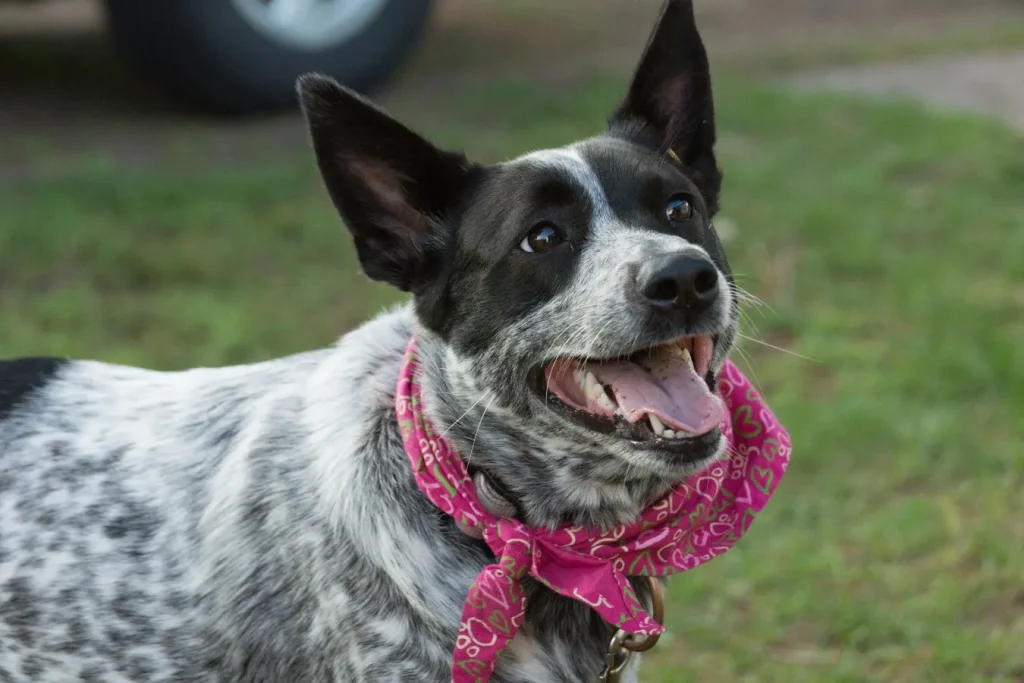
The Australian Cattle Dog, also called the Blue Heeler or Queensland Heeler, was bred for tireless work on cattle stations, and it is a hardy, generally healthy dog. A short list of inherited problems still repeats in the breed: hip and elbow joints, hearing, and the eyes. Knowing them before you bring a puppy home, or while you already share your life with one, makes screening and vet visits much easier to plan.
In this guide
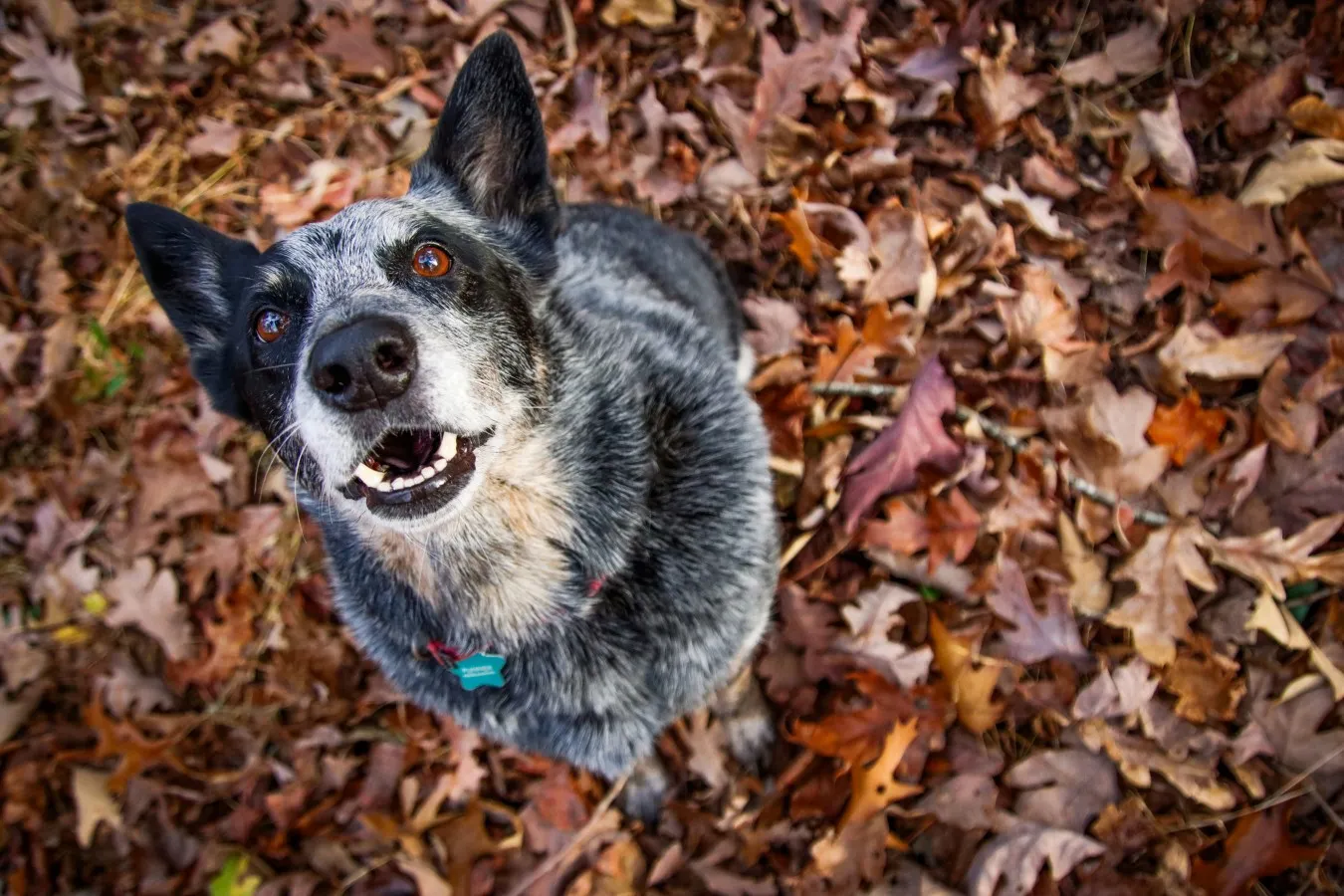
What Joint Problems Should Cattle Dog Owners Know About?
Hip dysplasia, an inherited malformation of the hip joint in which the ball and socket do not fit together properly, is the main orthopedic concern. PetMD describes it as infrequent in the breed, but it occurs often enough that screening is routinely offered. Signs include pain, limping in the back legs, a bunny-hopping gait, less activity, and reluctance to jump into a car or onto furniture. Elbow dysplasia, a similar developmental problem in the elbow, is also screened for.
Both are manageable with weight control, joint support, anti-inflammatory medication when needed, and surgery in severe cases. The breed club recommends hip and elbow evaluations for breeding dogs. Keeping a Cattle Dog lean for life is one of the most protective things an owner can do, because extra weight speeds up joint wear.
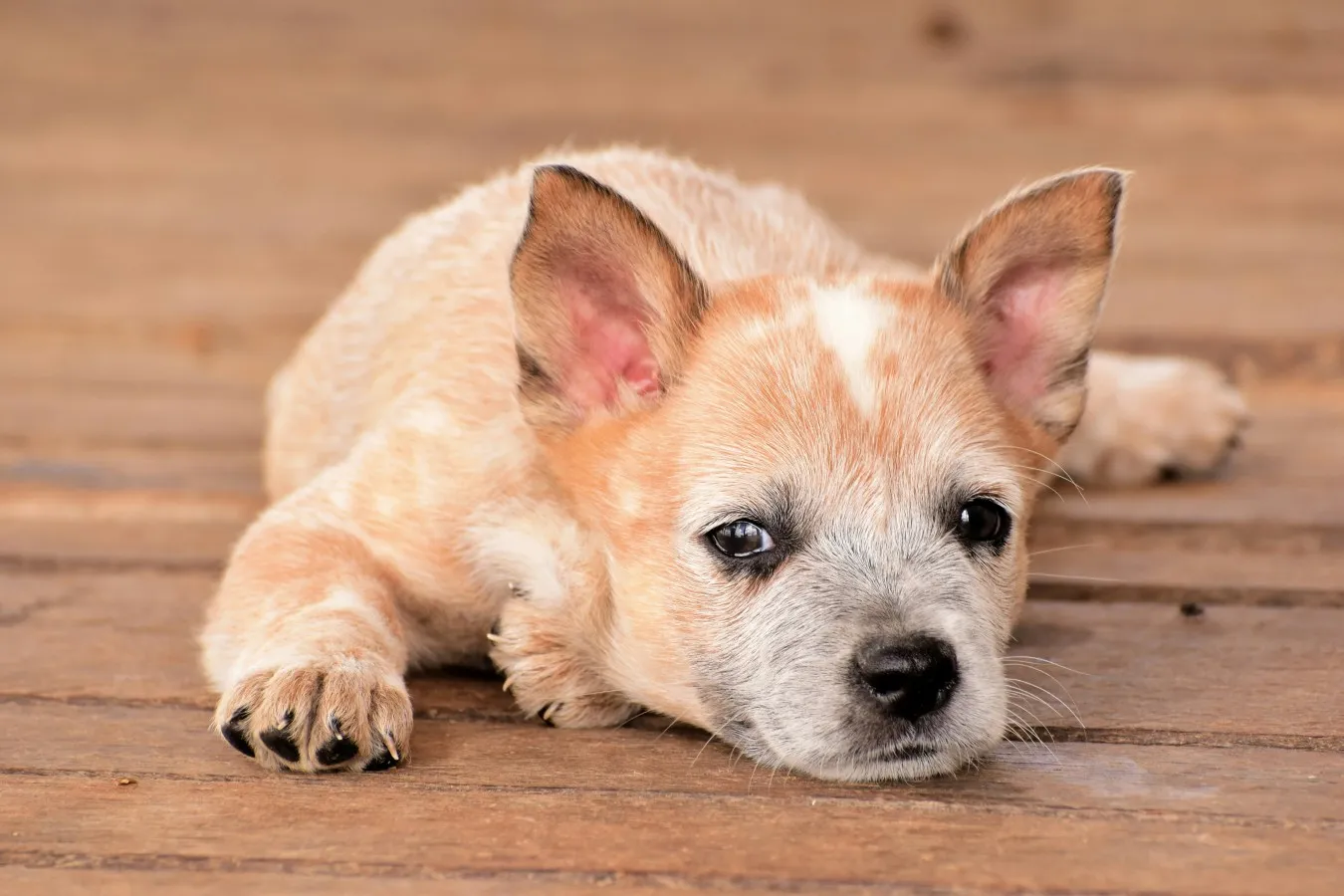
Why Are Australian Cattle Dogs Prone to Deafness?
Congenital deafness, meaning present from birth, is documented in the breed and is linked to the genes behind its piebald, speckled coat pattern. One Australian study found that around 11 percent of Cattle Dogs were deaf in one or both ears. A BAER test, short for brainstem auditory evoked response, measures the brain's electrical response to sound and identifies affected puppies long before anyone could tell by watching them.
A dog deaf in one ear usually adapts well, though startle response and recall at a distance can be affected. A dog deaf in both ears needs hand signals instead of voice commands and can still be a happy, well-trained companion. BAER testing is on the breed club's recommended list.
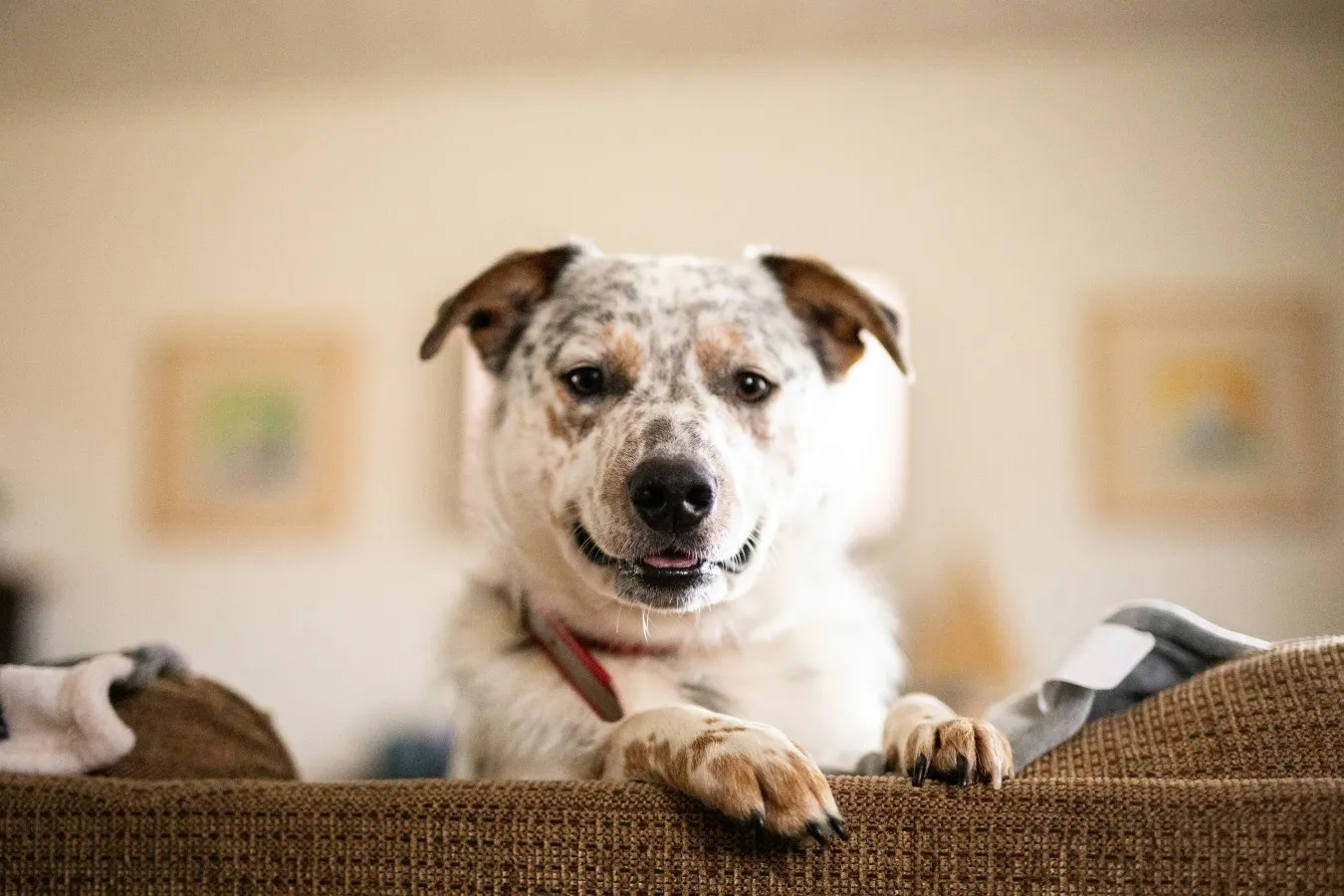
What Eye Conditions Affect This Breed?
A sudden red, squinting, watery, or cloudy eye in a Cattle Dog needs a veterinarian the same day. Eye pain can come from an injury or from a lens that has slipped out of position, and delay can threaten vision.
Progressive retinal atrophy, or PRA, is an inherited breakdown of the retina's light-sensing cells, and the most common form in the breed is progressive rod-cone degeneration, or PRCD. It is not painful. It often begins with night blindness, and there is no cure, but most dogs adapt well when their surroundings stay consistent. A DNA test for PRCD exists, and responsible breeders use it to avoid producing affected puppies.
Primary lens luxation, an inherited condition in which the lens of the eye slips out of its normal position, can cause sudden pain, redness, and squinting and may raise pressure inside the eye. Both DNA tests, along with an eye exam by a veterinary ophthalmologist, are on the breed club's recommended list. Working dogs can also injure their eyes outdoors, so red or rubbing eyes are always worth a veterinary visit.
- 01
Squinting or holding an eye shut
Blinking hard or keeping one eye closed.
- 02
Red or watery eye
Redness, heavy tearing, or discharge that appears suddenly.
- 03
Cloudy or misplaced lens
A bluish haze, or the eye looks different from its partner.
- 04
Pawing at the face
Rubbing the eye on furniture or the floor.
What Does Managing a Cattle Dog's Health Actually Cost?
| Condition or Need | Typical Cost Range | Notes |
|---|---|---|
| Annual wellness exam and vaccines | $200 to $400/year | Routine preventive care |
| Hip or elbow radiographs | $150 to $400 | Often done around age two |
| BAER hearing test | $50 to $150 | Ideally done in puppyhood |
| Joint supplements | $20 to $50/month | Lifelong if joint disease is present |
| Hip or elbow surgery | $3,000 to $7,000+ per joint | Varies by procedure and region |
These are general estimates that vary by region and clinic, so treat them as a planning guide and ask your veterinarian for a quote.
Questions to Ask a Breeder Before Buying a Puppy
Ask whether the litter has had a BAER test and request hip, elbow, and eye results for the parents, along with DNA results for PRCD and primary lens luxation. The breed club recommends all of these for breeding dogs. A breeder who answers clearly and shows documentation is a good sign, and one who brushes the questions off is worth being cautious about.
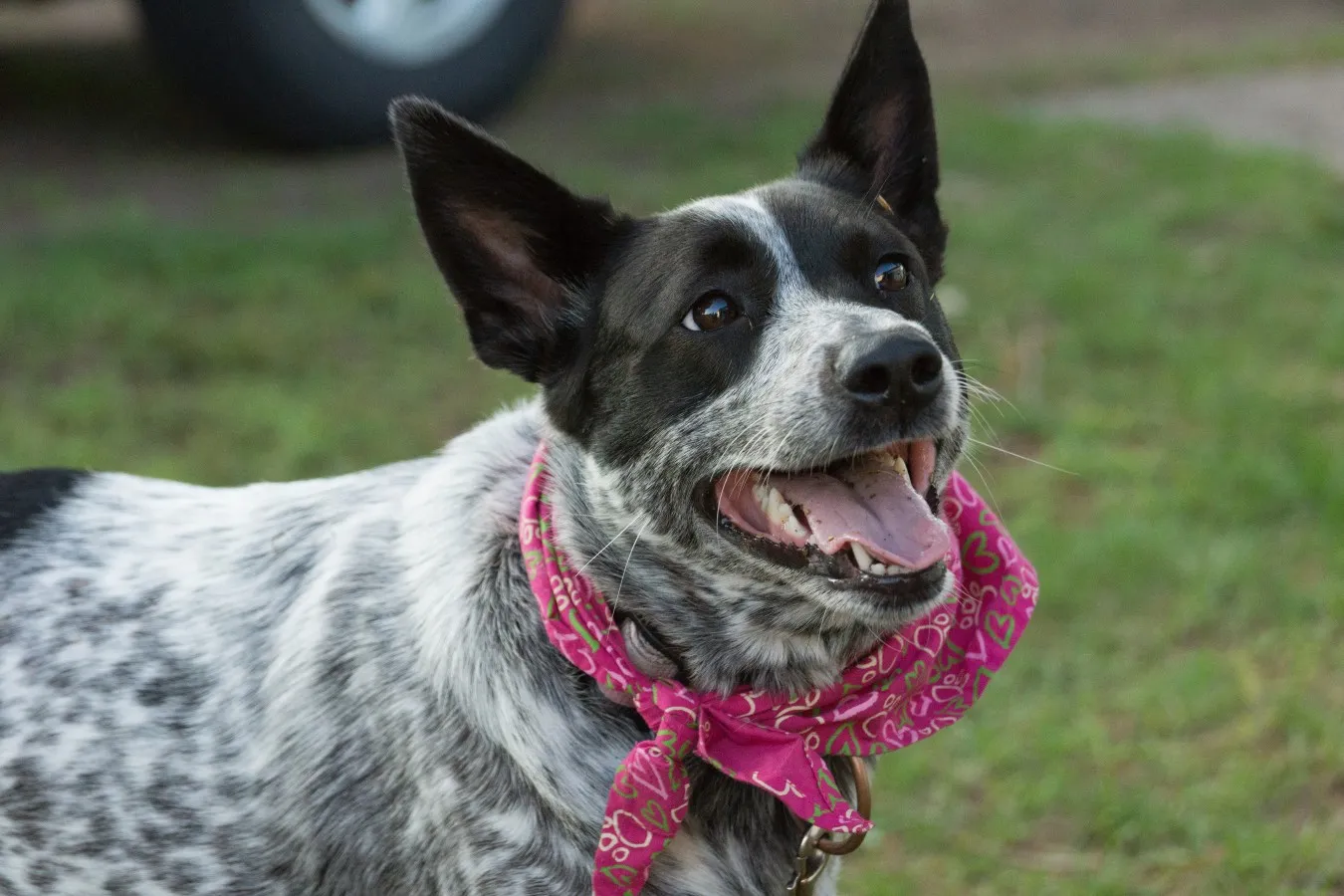
Daily Life With an Australian Cattle Dog
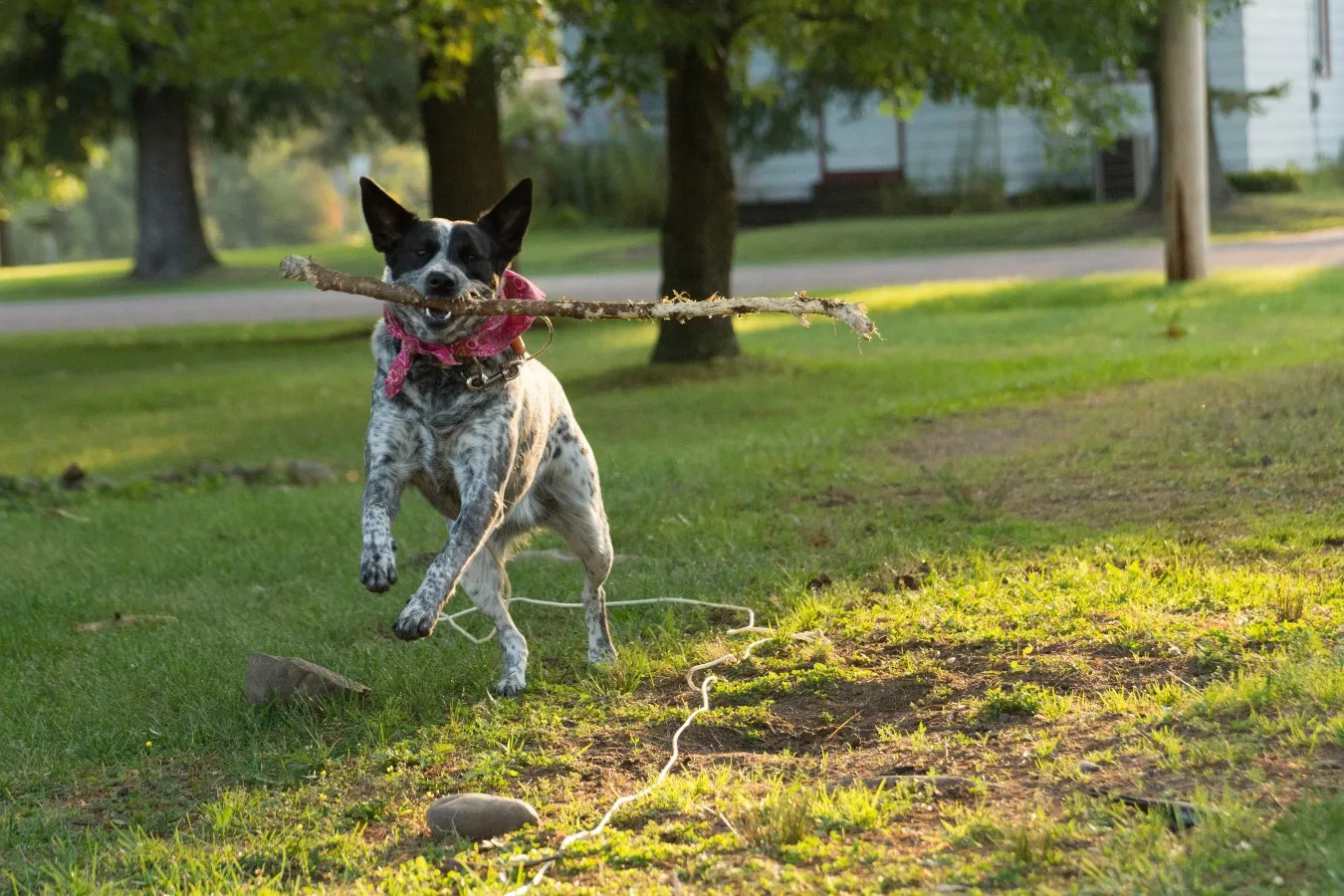
This is a high-energy working dog. PetMD suggests at least 45 minutes of running or jogging daily plus activities like agility or fetch, and notes the breed is not well suited to apartments or small yards. A bored dog will invent its own work, and extra weight from too little exercise strains the joints already discussed above.
The coat sheds a moderate to high amount and benefits from brushing, with a heavy shed of the dense undercoat twice a year, so see the grooming guide for a routine. Cattle Dogs are loyal and intelligent, as the personality profile explains, and they learn quickly, so early, consistent training gives all that drive a useful outlet.
Keeping Your Cattle Dog Healthy for the Long Run
Keep your dog lean, schedule hip, elbow, and eye evaluations for breeding dogs, and have your veterinarian check hearing and eyes at routine visits. Learn the signs of an eye emergency before you ever need them. Pet insurance is worth pricing while your dog is young and healthy, since a pre-existing diagnosis can limit what is covered later.
Final Thoughts From a Veterinarian
Australian Cattle Dogs are hardy and often live into their teens, at about $100 to $200 a month. Ask breeders for hip, elbow, eye, hearing and DNA results, keep your dog lean, and treat a sudden red or squinting eye as urgent. Your veterinarian can tailor the plan.
Health & Costs FAQ
How much do Australian Cattle Dog cost?
The cost of an Australian Cattle Dog puppy typically ranges from $500 to $1,500 from a reputable breeder, though prices vary by region and line. Initial setup for supplies, vaccinations, and neutering can add $700 to $1,500. Adoption is a more affordable option, usually costing between $100 and $400.
Purchase cost: 5 / 10
How long do Australian Cattle Dog live?
Australian Cattle Dogs commonly live into their early to mid teens, and a 2024 UK study put the average at about 14 years. Keeping them lean, mentally engaged, and up to date on veterinary care supports that longevity.
Life expectancy: 8 / 10
Are Australian Cattle Dog healthy dogs?
Yes, Australian Cattle Dogs are a hardy, generally healthy breed that often lives into its teens. A few inherited issues are worth knowing: hip and elbow dysplasia, deafness, progressive retinal atrophy, and lens luxation. Screening of breeding dogs and routine veterinary checkups keep bigger problems from catching owners off guard.
Health: 8 / 10
What health problems do Australian Cattle Dog have?
Australian Cattle Dogs can develop hip and elbow dysplasia, progressive retinal atrophy (PRA), primary lens luxation, and congenital deafness, which can be tested for in puppies. Working dogs can also injure their eyes outdoors. Screening for hips, elbows, eyes, and hearing catches most inherited problems early.
Health problem risk: 3 / 10
Are Australian Cattle Dog expensive to maintain?
Australian Cattle Dogs have moderate upkeep costs. Grooming is simple, but food for a high-energy dog, routine veterinary care, training, and enrichment add up, and the coat sheds heavily twice a year. Setting money aside for possible joint or eye care is wise, since those are the larger bills this breed can face.
Maintenance cost: 4 / 10
How much does it cost to own a Australian Cattle Dog per month?
Owning an Australian Cattle Dog typically costs between $100 and $200 per month. This budget covers high-quality food to fuel their energy, routine veterinary care, and preventatives. Consider budgeting for training and enrichment activities to keep this intelligent breed mentally engaged.
Monthly ownership cost: 3 / 10
How much does pet insurance cost for a Australian Cattle Dog?
Pet insurance for an Australian Cattle Dog typically ranges from $33 to $64 per month. Costs vary based on age, location, and coverage limits. Because hip or elbow surgery and eye care can cost thousands of dollars, a policy is worth pricing while your dog is young and healthy.
Pet insurance cost: 3 / 10
Will homeowners insurance cover a Australian Cattle Dog?
Yes, most homeowners insurance policies cover the Australian Cattle Dog, as the breed is not typically on restricted breed lists. Always disclose your dog to your insurer to confirm that liability coverage is included, since individual insurers set their own rules.
Homeowners insurance difficulty: 9 / 10
Are Australian Cattle Dog on insurance restricted breed lists?
No, Australian Cattle Dogs are not typically found on insurance restricted-breed lists. Individual insurers set their own rules, so always confirm coverage with your provider and disclose your dog to keep full liability protection active.
Insurance restriction risk: 2 / 10
Can you get renters insurance with a Australian Cattle Dog?
Yes, you can typically get renters insurance with an Australian Cattle Dog, since the breed is rarely on restricted lists. Some insurers or landlords have their own rules, so always disclose your dog to your provider and confirm the policy with your landlord.
Renters insurance difficulty: 8 / 10