Skip to content

Dutch Shepherd - MAIN HUB

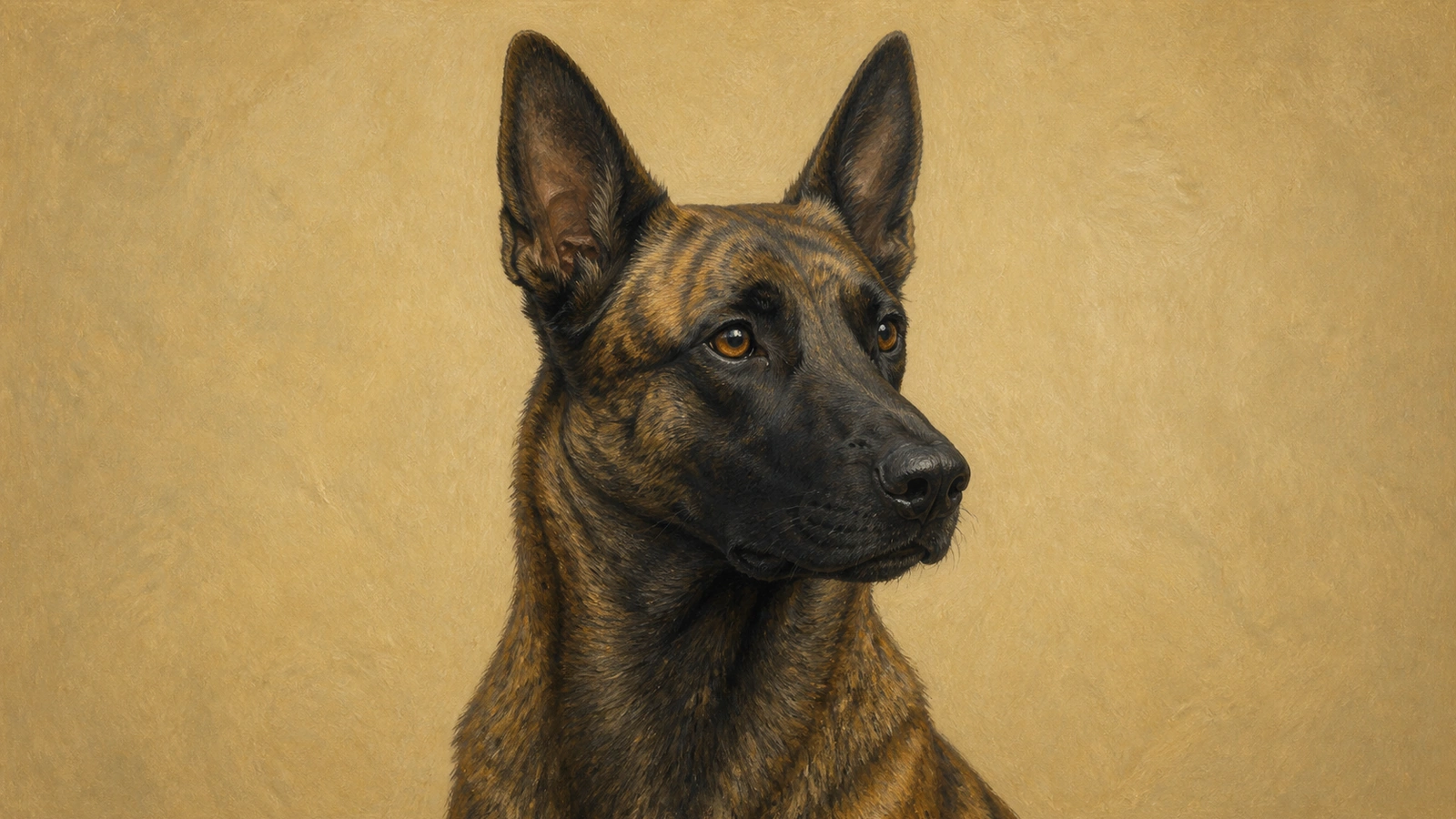
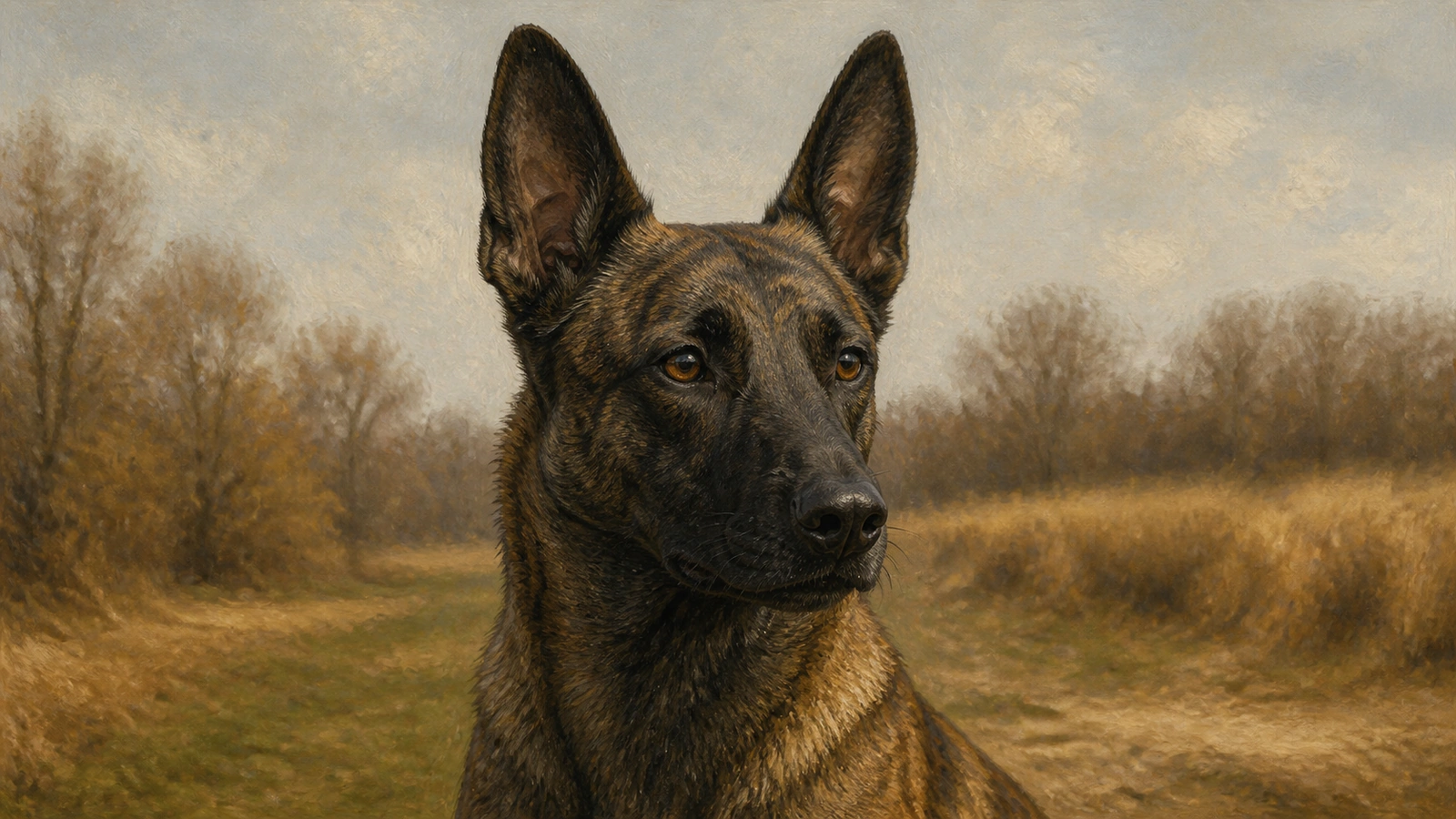
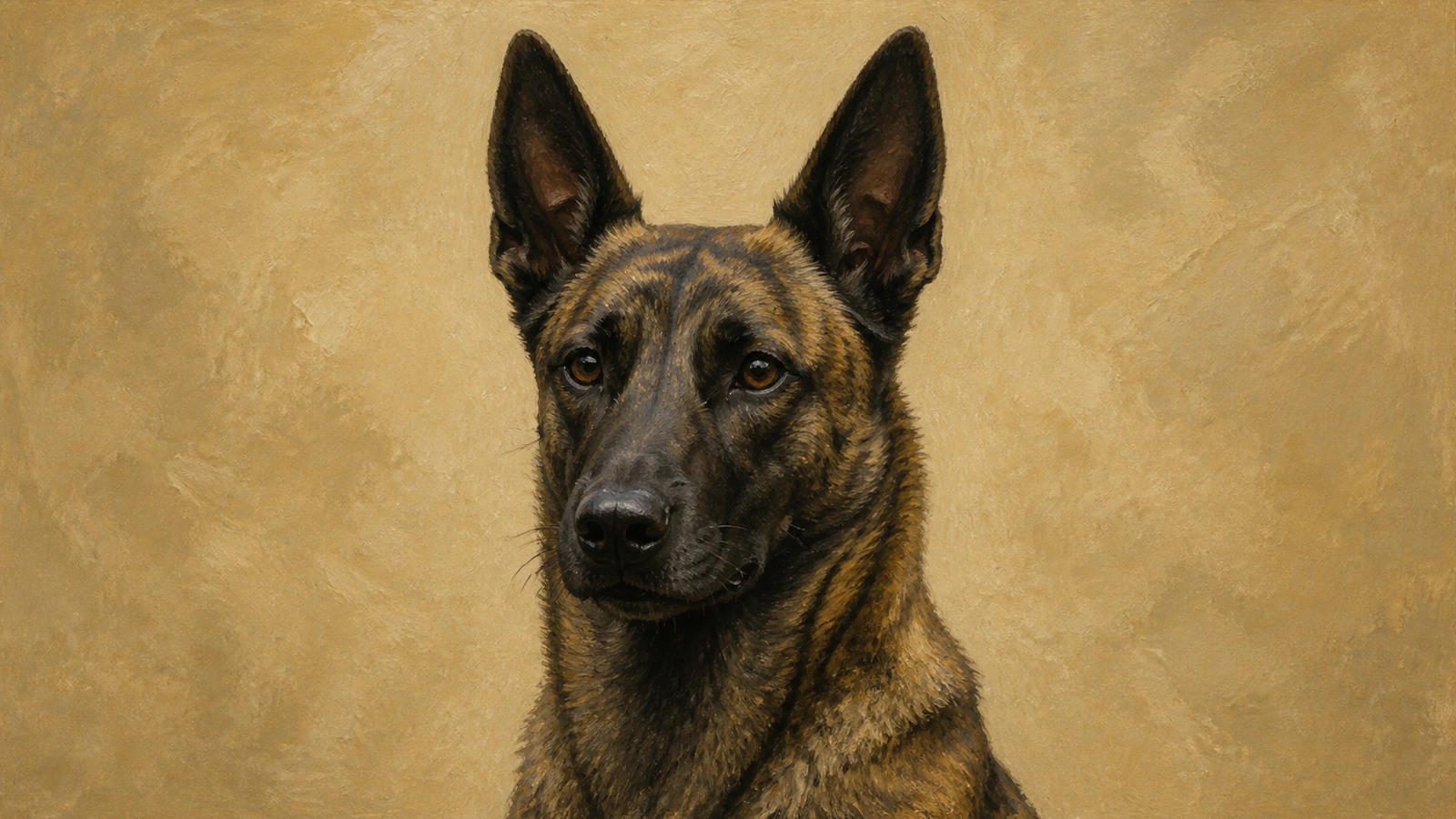
Meet the Dutch Shepherd: a brilliant, loyal, and athletic partner ready for any adventure. Ideal for active owners who love a smart, working dog!

BREED GROUP

Herding Dogs

Country of origin

Netherlands

BREED SIZE

Large

BREED HEIGHT

21 -

25 IN

53 -

64 cm

BREED WEIGHT

42 -

70 LB

19 -

32 KG

WHAT YOU NEED TO KNOW

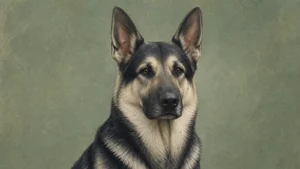
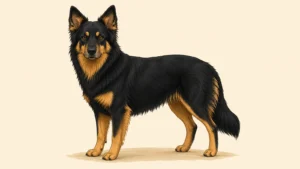
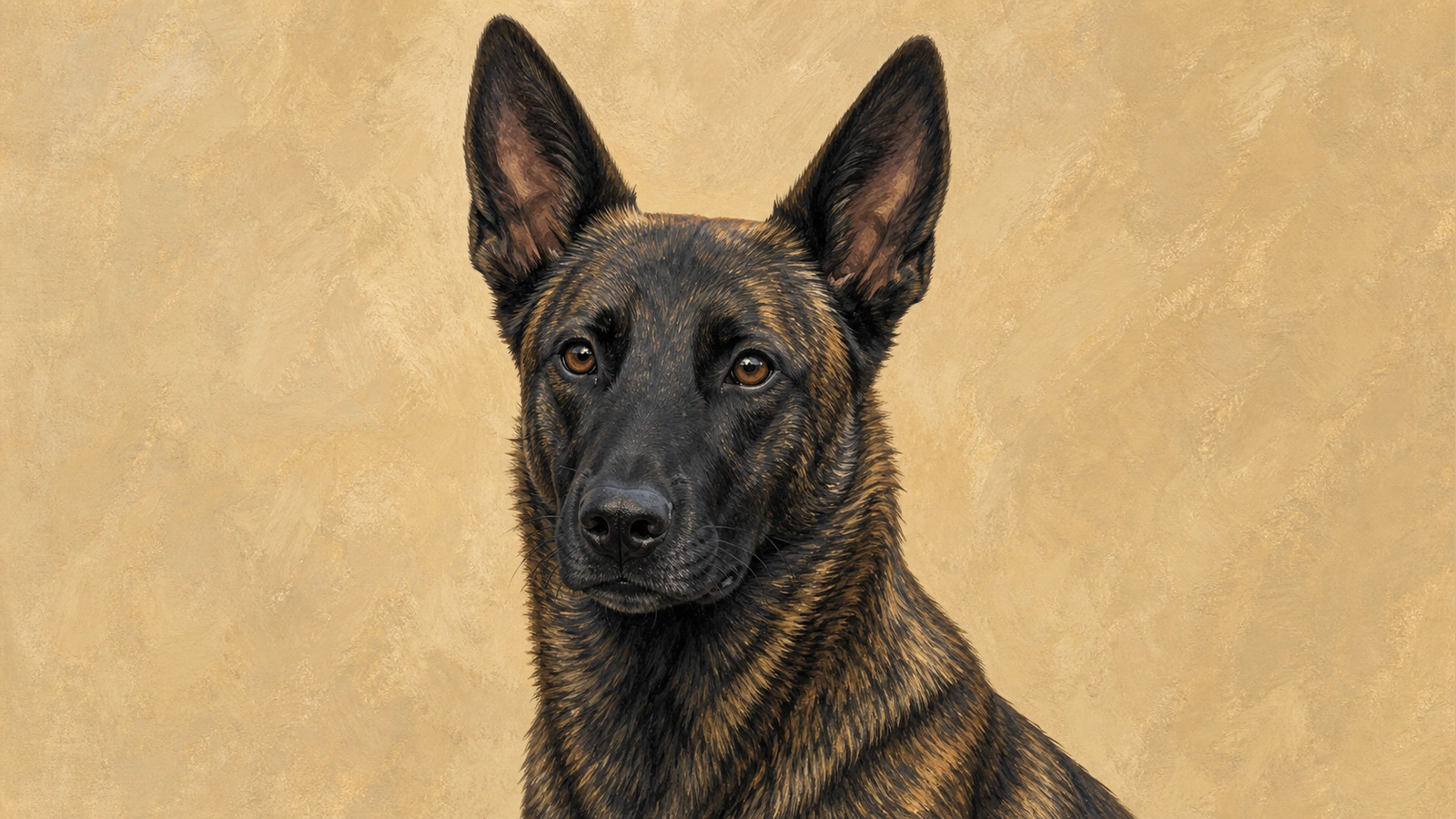
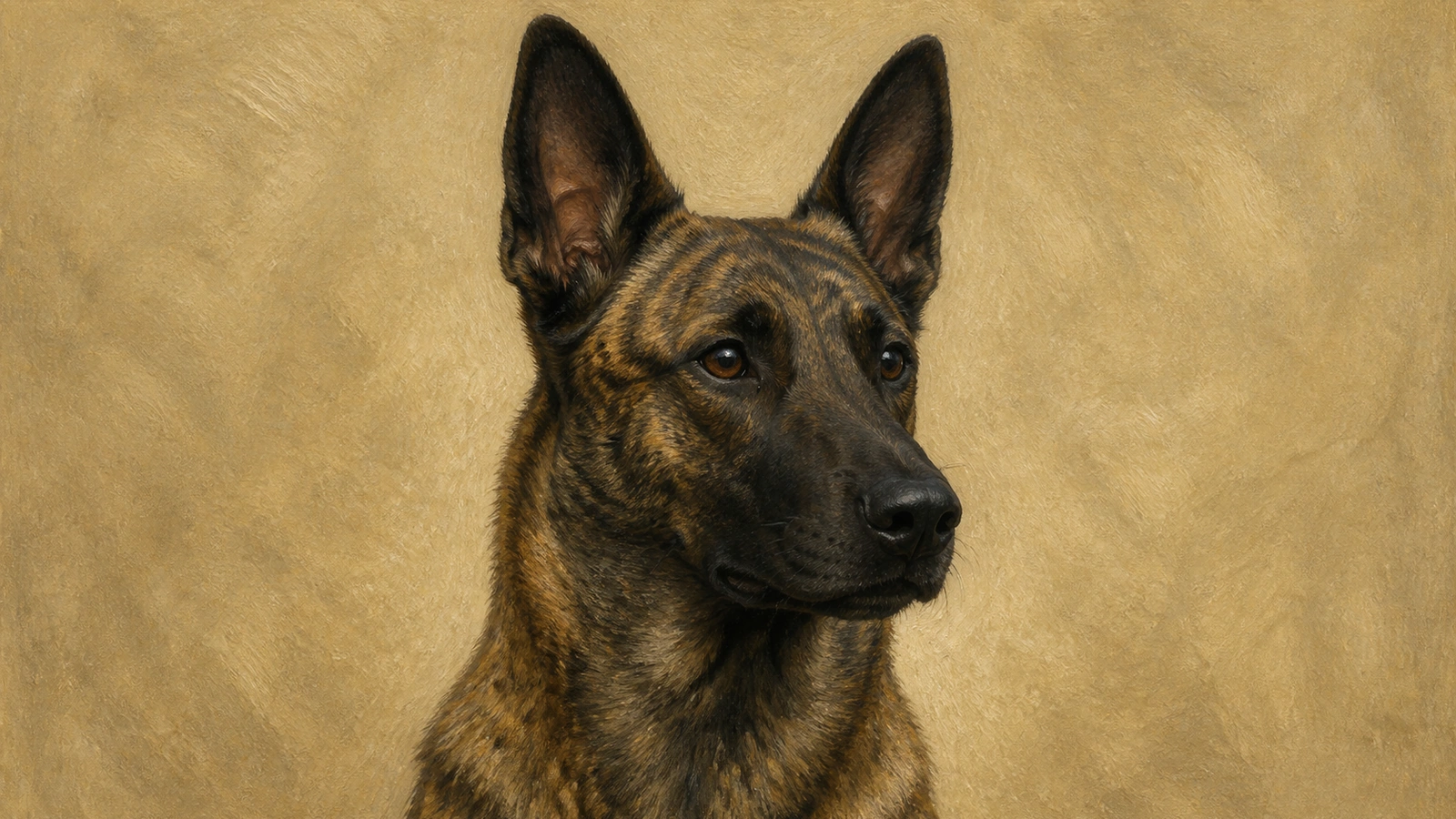
The Dutch Shepherd is a highly versatile, intelligent, and athletic herding breed from the Netherlands. Originally developed as all-purpose farm dogs, they are prized for their loyalty, independence, and strong work ethic. These high-energy dogs require 1.5 to 2 hours of daily physical and mental stimulation to prevent destructive behaviors. They excel in advanced training, dog sports, and professional roles like police or search-and-rescue work. While affectionate with their families, they can be reserved with strangers and require consistent leadership. They are generally robust and healthy, typically living 11 to 15 years.
american kennel club (AKC) recognition

No

Breed was recognized in 0.

International Canine Federation (FCI) recognition

Yes

Breed was recognized in 1955.
WHAT DO OWNERS WANT TO KNOW?

Are Dutch Shepherds good family dogs?

Above Average

6 out of 10

Dutch Shepherds make excellent family dogs for active households due to their deep loyalty and affectionate nature toward their owners. However, their high energy levels and strong work ethic require families to provide substantial daily exercise and consistent leadership to keep them well-behaved.

Average

6 out of 10

Dutch Shepherds are generally excellent with children, known for being loyal, patient, and affectionate family companions. While their high energy and herding instincts require supervised play with younger children, early socialization and consistent leadership ensure they remain calm and well-behaved playmates.

Not Recommended

1 out of 10

Dutch Shepherds are generally not recommended for first-time owners due to their high energy, strong prey drive, and intense working nature. They thrive best with experienced handlers who can provide the consistent training and significant daily exercise this versatile hunting breed requires.

Fair

3 out of 10

Dutch Shepherds are generally not recommended for apartment living due to their high energy levels and intense daily exercise requirements. They thrive best in homes with access to a large, secure yard where they can satisfy their hunting instincts and active nature. Without significant physical and mental stimulation, they may become restless or vocal, making them better suited for active households with ample outdoor space.

High

3 out of 10

Dutch Shepherds are generally not recommended for apartment living due to their high energy levels and intense daily exercise requirements. They thrive best in homes with access to a large, secure yard where they can satisfy their hunting instincts and active nature. Without significant physical and mental stimulation, they may become restless or vocal, making them better suited for active households with ample outdoor space.

Average

5 out of 10

Dutch Shepherds are highly social and bond deeply with their owners, preferring to be part of daily activities rather than being left alone. While they can tolerate moderate periods of solitude if their high exercise and mental stimulation needs are met beforehand, prolonged isolation may lead to destructive behaviors, excessive barking, or escape attempts due to boredom and their strong working drive.

Below Average

3 out of 10

Dutch Shepherds are highly social and bond deeply with their owners, preferring to be part of daily activities rather than being left alone. While they can tolerate moderate periods of solitude if their high exercise and mental stimulation needs are met beforehand, prolonged isolation may lead to destructive behaviors, excessive barking, or escape attempts due to boredom and their strong working drive.

Balanced

5 out of 10

Dutch Shepherds are not naturally aggressive; they are typically friendly, lively, and affectionate companions. While they are determined and courageous hunters with a high prey drive, they are known for their loyalty and kindness within a family setting. Early socialization and consistent training are essential to ensure they remain confident, well-adjusted, and well-behaved around strangers and other animals.

Hyperactive

4 out of 10

Dutch Shepherds are high-energy working dogs that require substantial daily exercise and mental stimulation to thrive. They are tireless companions that need at least two hours of vigorous activity, such as hiking or swimming, every day. Without a productive outlet for their energy and keen nose, they can become restless or vocal in a home environment.

~75 min a day

7 out of 10

Dutch Shepherds require 1 to 2 hours of vigorous daily exercise to remain healthy and satisfied. As a high-energy hunting breed, they thrive on activities like hiking, swimming, and long-distance running. Engaging their minds with scent work, tracking, or agility training is essential to satisfy their natural instincts and prevent boredom-related destructive behaviors.

Very Poor

2 out of 10

Dutch Shepherds are highly sensitive to heat and humidity, making them prone to rapid overheating and heatstroke during physical activity. Their intense work ethic often causes them to overexert themselves in warm weather. Owners must provide constant access to fresh water and shade, while limiting vigorous exercise to the cooler morning or evening hours.

Very Poor

2 out of 10

Dutch Shepherds are highly sensitive to heat and humidity, making them prone to rapid overheating and heatstroke during physical activity. Their intense work ethic often causes them to overexert themselves in warm weather. Owners must provide constant access to fresh water and shade, while limiting vigorous exercise to the cooler morning or evening hours.

Often Restricted

4 out of 10

Dutch Shepherds are rarely subject to specific breed bans, as they are not typically classified as aggressive or high-risk. However, their medium size may approach common apartment weight limits, and their high energy levels require significant daily exercise that can be challenging to manage in smaller living spaces. Prospective owners should verify individual landlord policies regarding size restrictions and ensure they can provide the vigorous activity this hunting breed needs to thrive.

WHAT DO OWNERS WANT TO KNOW?


Photo
Reviewed by
Dr. Vojtech Gabriel
DVM · PhD · MBA
Veterinarian Researcher Dog breed specialist
Verified

"The Dutch Shepherd is a highly versatile, intelligent, and athletic herding breed. As a veterinarian, I recommend prioritizing screenings for hip and elbow dysplasia, which can affect active, medium-to-large breeds. They are also prone to eye conditions like Progressive Retinal Atrophy (PRA). Ensuring they remain lean and providing consistent mental and physical engagement is key to managing their well-being throughout their 11-14 year lifespan."

Other Herding Dogs