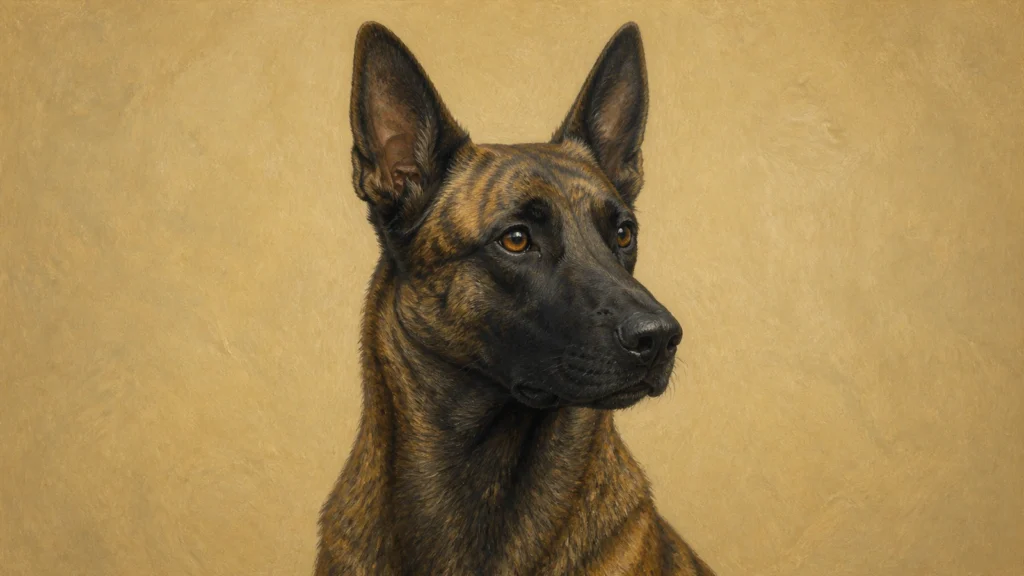
Dutch Shepherd Training Profile
Breed Group
Herding Dogs
Country of Origin
Netherlands
Breed Size
Large
AKC Recognition
No
FCI Recognition
Yes, recognized in 1955
Mental stimulation needs
Below Average4 / 10
Trainability
6 / 10
Picky eater
Picky Eater3 / 10
Easy to train
Moderate6 / 10
Training stubbornness
Moderate6 / 10
Puppy training
Average6 / 10
Training FAQ
Are Dutch Shepherd easy to train?
Dutch Shepherds are highly intelligent and eager to please, making them relatively easy to train for those who provide consistent, confident leadership. While they learn commands quickly and excel in complex tasks like search and rescue or police work, their independent streak requires a structured routine and clear boundaries. Success relies on positive reinforcement and providing enough mental and physical stimulation to prevent their sharp minds from becoming distracted or headstrong.
Easy to train: 6 / 10
Are Dutch Shepherd stubborn to train?
Dutch Shepherds are highly intelligent and eager to please, but they possess an independent streak that can lead to moderate stubbornness. They require a confident leader who provides clear boundaries and engaging challenges. Consistent, positive reinforcement is essential to prevent them from becoming distracted or headstrong during training sessions.
Training stubbornness: 6 / 10
How do you train a Dutch Shepherd puppy?
Training a Dutch Shepherd puppy requires consistent, positive reinforcement and early socialization. Because they are highly intelligent and independent, sessions should be short, engaging, and varied to prevent boredom. Focus on clear boundaries and incorporate mental challenges alongside basic obedience to manage their strong work drive and prevent stubbornness.
Puppy training: 6 / 10
How difficult is potty training in Dutch Shepherd?
Potty training a Dutch Shepherd typically takes 4 to 6 months. These highly intelligent working dogs learn quickly with a consistent schedule and positive reinforcement. Their high energy and focus mean they thrive on structured routines, immediate rewards, and firm, patient leadership to master housebreaking effectively.
Potty training difficulty: 7 / 10
How many walks does a Dutch Shepherd need?
Dutch Shepherds are high-energy working dogs requiring significant daily activity to remain healthy and balanced. Owners should provide at least 90 minutes to two hours of exercise, including one long walk combined with vigorous play like fetch, hiking, or agility to satisfy their athletic nature and stamina.
Walking need: 8 / 10
What is the best daily routine for a Dutch Shepherd?
A Dutch Shepherd's daily routine must prioritize high physical activity and intense mental stimulation to satisfy their working instincts. Provide at least 90 minutes to two hours of exercise, ideally split into two sessions including one long walk combined with vigorous activities like fetch, hiking, or agility. Because they are highly intelligent and possess a strong work ethic, incorporate 15 to 30 minutes of structured mental work, such as advanced obedience training, scent work, or problem-solving games, to prevent boredom and destructive behavior. Feed adult Dutch Shepherds twice daily to maintain their athletic weight and support their high energy levels. Consistent routines and clear leadership are essential to keep this independent breed focused and well-behaved.
Routine need: 8 / 10
Vet Insights
Dutch Shepherds are highly intelligent, independent working dogs requiring confident leadership and extreme mental stimulation. They excel in complex tasks but need consistent, positive reinforcement to manage their headstrong nature. This high-energy breed demands at least 90 minutes of vigorous daily exercise and structured routines to remain balanced, prevent boredom, and master essential housebreaking and obedience skills.