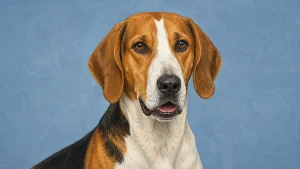
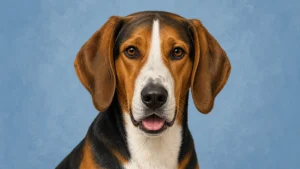
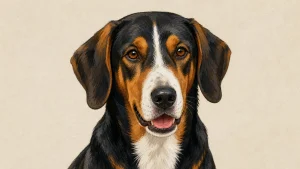
Small Swiss Hound Training Profile
Breed Group
Hound Dogs
Country of Origin
Switzerland
Breed Size
Medium
AKC Recognition
No
FCI Recognition
Yes, recognized in 1954
Mental stimulation needs
Above Average7 / 10
Trainability
9 / 10
Picky eater
Voracious9 / 10
Easy to train
Eager9 / 10
Training stubbornness
Very Cooperative9 / 10
Puppy training
Very Good9 / 10
Training FAQ
Are Small Swiss Hound easy to train?
Small Swiss Hounds are highly intelligent and eager to please, making them very easy to train using positive reinforcement. Their cooperative nature and scent-driven instincts mean they respond best to short, engaging sessions filled with variety and praise. Early socialization and consistent routines are key to managing their independent spirit and ensuring they grow into well-mannered companions.
Easy to train: 9 / 10
Are Small Swiss Hound stubborn to train?
Potty training a Small Swiss Hound typically takes 4 to 6 months. While they are agreeable and intelligent, their independent nature requires a consistent schedule and positive reinforcement. Using crate training and frequent outdoor breaks will help these scent-driven dogs master housebreaking and establish reliable habits.
Training stubbornness: 9 / 10
How do you train a Small Swiss Hound puppy?
Train your Small Swiss Hound puppy using short, positive sessions that leverage their eager and cooperative nature. Focus on early socialization and basic obedience like sit and stay. These intelligent dogs respond best to consistent, reward-based methods and plenty of praise, making them a joy for dedicated owners to train.
Puppy training: 9 / 10
How difficult is potty training in Small Swiss Hound?
Potty training a Small Swiss Hound typically takes 4 to 6 months. While they are agreeable and intelligent, their independent nature requires a consistent schedule and positive reinforcement. Using crate training and frequent outdoor breaks will help these scent-driven dogs master housebreaking and establish reliable habits.
Potty training difficulty: 9 / 10
How many walks does a Small Swiss Hound need?
Small Swiss Hounds are active working dogs that typically require at least 45 minutes of daily exercise, including long, purposeful walks or hikes. Because they are scenthounds, they benefit from walks that allow ample time for sniffing and tracking. Consistent daily activity is essential to prevent these high-energy dogs from becoming unruly or destructive.
Walking need: 2 / 10
What is the best daily routine for a Small Swiss Hound?
A Small Swiss Hound's daily routine should balance their high energy with scent-based mental engagement. Provide approximately 45 to 60 minutes of daily activity, including long walks or hikes where they have ample time to sniff and explore. Feed adult dogs twice daily, monitoring intake to prevent weight gain in this food-motivated breed. Essential daily care includes checking their long, pendulous ears for signs of infection, regular brushing to maintain their short coat, and short, positive reinforcement training sessions to manage their independent hunting instincts. Ensure they have plenty of attention and interactive toys to prevent boredom-driven destructive behaviors.
Routine need: 9 / 10
Vet Insights
Small Swiss Hounds are highly intelligent, cooperative, and easy to train using positive reinforcement. They require around 45 to 60 minutes of daily exercise, prioritizing scent-based activities like long walks or hikes. While eager to please, their independent nature can make potty training a bit challenging. Consistent routines and early socialization are essential for these energetic, dedicated companions.