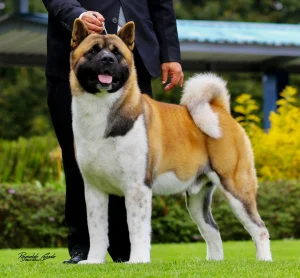
Jindo Training Profile
Breed Group
Spitz Dogs
Country of Origin
South Korea
Breed Size
Medium
AKC Recognition
No
FCI Recognition
Yes, recognized in 1995
Mental stimulation needs
Average Needs5 / 10
Trainability
7 / 10
Picky eater
Average6 / 10
Easy to train
Willing7 / 10
Training stubbornness
Willing7 / 10
Puppy training
Above Average7 / 10
Training FAQ
Are Jindo easy to train?
Jindos are highly intelligent and capable of learning complex tasks, but their independent and free-thinking nature can make training a challenge. They require a strong bond of respect with their trainer and respond best to consistent, positive reinforcement rather than heavy-handed techniques. While they are famously easy to housebreak and respectful indoors, they may question commands if they don't see a clear benefit, making them better suited for experienced owners who can provide firm leadership and mental variety.
Easy to train: 7 / 10
Are Jindo stubborn to train?
Jindos are highly intelligent but possess a strong independent streak that can be mistaken for stubbornness. Originally bred as independent hunters, they are free-thinkers who may question commands if they do not see a clear benefit or if they do not yet respect their trainer. Success requires establishing a firm bond and using consistent, positive reinforcement, as this proud breed may shut down if exposed to heavy-handed techniques or repetitive, boring drills.
Training stubbornness: 7 / 10
How do you train a Jindo puppy?
The ideal routine for a Jindo centers on structured exercise and quiet loyalty. Plan for 60 to 90 minutes of daily activity, including brisk walks and scent games. This fastidious breed thrives on a consistent schedule, daily brushing for their double coat, and mental challenges to prevent boredom.
Puppy training: 7 / 10
How difficult is potty training in Jindo?
Potty training a Jindo is generally straightforward as they are famously fastidious and often housebreak themselves early. With a Good score of 8/10, success comes quickly through consistent routines. Their cooperative nature and natural desire for cleanliness typically result in full reliability within just a few months.
Potty training difficulty: 8 / 10
How many walks does a Jindo need?
Korean Jindos are an active breed that requires regular exercise to stay healthy, typically needing at least 60 minutes of physical activity each day. This should include brisk walks and opportunities for mental stimulation like scent games or agility training to prevent boredom. While their needs are moderate to high, they are often calm indoors if their exercise requirements are met.
Walking need: 8 / 10
What is the best daily routine for a Jindo?
A Jindo's daily routine should center on structured exercise and quiet loyalty. Provide 60 to 90 minutes of daily activity, including brisk walks and scent games to channel their hunting instincts. This fastidious breed thrives on a consistent schedule and requires daily brushing to manage their thick double coat. Because they are highly intelligent and independent, incorporate mental challenges and short training sessions to prevent boredom. Ensure they have a secure environment and plenty of quality time with their primary owner to strengthen their deep, loyal bond.
Routine need: 4 / 10
Vet Insights
Jindos are highly intelligent, independent dogs known for their extreme loyalty and natural fastidiousness, often making housebreaking remarkably easy. Their independent nature and high prey drive require firm, consistent leadership using positive reinforcement. A daily routine should include 60 to 90 minutes of structured exercise like brisk walks and scent games to prevent boredom and manage their aloof temperament.